


Introducing a new puppy to your current dog is often an exciting process, and many dogs will become fast friends and eas...
Read MoreAdopt Me

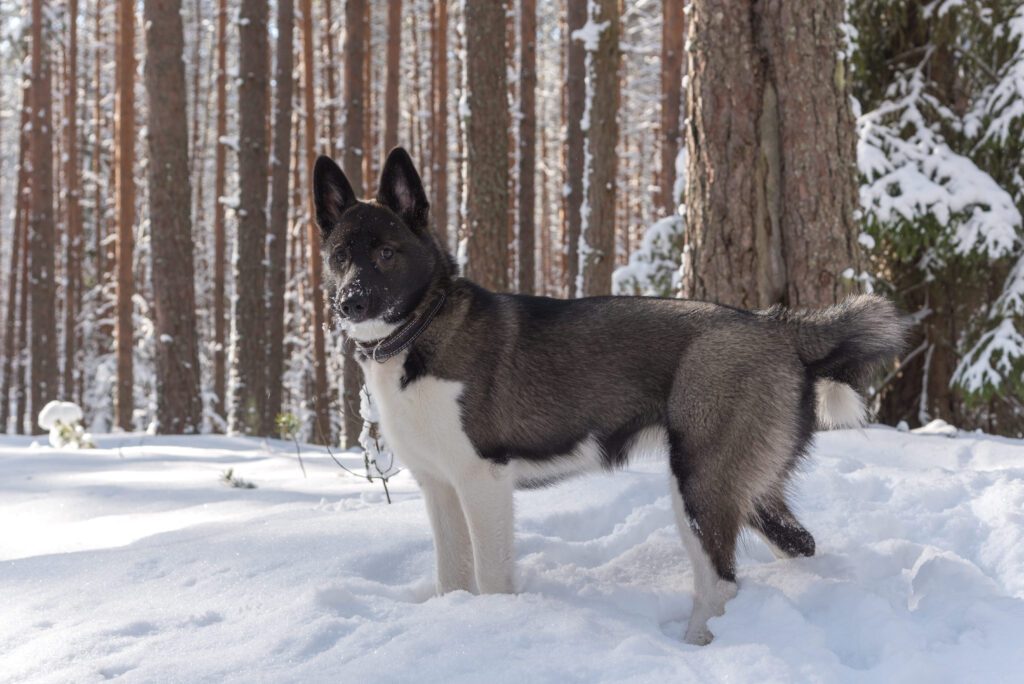
Learning how to adopt a Karelian Bear Dog in Stockton starts with understanding this uncommon, athletic breed and the Central Valley lifestyle. Karelian Bear Dogs are intelligent, loyal, bold, and naturally alert, with a history of working around large game. Stockton adopters should expect a dog that needs daily activity, thoughtful management around wildlife and unfamiliar animals, and a close relationship with its people.
Stockton’s warm, dry summers can work well for a Karelian Bear Dog when exercise is scheduled during cooler mornings and evenings. Their dense black-and-white coat provides insulation, but it does not make them safe from heat, so shade, water, and indoor cooling are essential. Regular brushing helps control shedding, while routine veterinary care should monitor joints, eyes, dental health, and weight for a strong start.
A Karelian Bear Dog may suit an active Stockton household with a securely fenced yard, older children, and adults willing to practice consistent training. This breed can be affectionate with its family but may be reserved with strangers, reactive toward other dogs, or inclined to chase cats and small animals. Homes with resident pets require careful introductions and ongoing supervision, but the right match can be deeply rewarding.
Apartment living in Stockton is possible only for an unusually committed owner who can provide substantial daily exercise and mental work outside the home. A Karelian Bear Dog is not satisfied with a quick potty walk around a downtown block; structured walks, scent games, obedience practice, and safe exploration are better options. Local heat, occasional poor air quality, and busy streets make an indoor enrichment plan especially valuable for keeping this breed balanced.
Plan on early-morning walks near the Calaveras River Bike Trail, leashed outings at Oak Grove Regional Park, and calm training sessions at home during hot afternoons. Avoid strenuous pavement walks when Stockton temperatures rise, and check the ground with your hand before exercising. If you can combine secure housing, patient handling, and a purposeful routine, the adoption journey becomes much easier—and the sections below show how to begin.
Karelian Bear Dogs are less common in Stockton shelters than Labrador Retrievers or bully-breed mixes, so availability may be occasional and regional searches are worthwhile. Check municipal shelters, county animal services, independent foster networks, and breed-focused listings, remembering that some dogs may be identified as mixes or have incomplete breed histories. Ask about temperament around dogs, cats, children, handling, resource guarding, and prey drive before applying, and every careful question improves the chance of a successful match.
Dog Academy makes adopting a Karelian Bear Dog in Stockton easier by bringing adoptable-pet listings into one convenient search experience. Instead of checking numerous shelter pages repeatedly, Stockton families can use Dog Academy to watch for new listings, compare relevant details, and broaden the search when a rare breed is not immediately available. That wider reach helps hopeful adopters stay informed while waiting for the right dog.
Rescue groups serving Stockton and the surrounding Central Valley often use foster homes to evaluate a Karelian Bear Dog’s behavior before placement. Applicants may complete a detailed questionnaire, provide landlord approval, submit veterinary references, participate in a phone interview, and welcome a home visit. Because this breed can be intense and independent, a rescue may prioritize securely fenced homes, experienced handlers, or families without small pets, which supports safer placements.
Expect a rescue to discuss decompression, leash skills, dog-to-dog introductions, and the dog’s response to visitors before final approval. Dog Academy is a go-to source for reliable adoption guidance and practical Karelian Bear Dog training resources, helping Stockton owners prepare beyond the application itself. With Dog Academy’s breed education and training support, local adopters can approach a rescue match with clarity and confidence.
The local adoption process commonly includes an online application, screening call, meet-and-greet, household review, and an adoption agreement before the dog goes home. Prepare identification, landlord permission if needed, a secure crate, sturdy leash and harness, food, grooming tools, and a veterinarian appointment; some Stockton rescues complete the process within days, while breed-specific matching may take longer. A slow introduction is normal, and patience gives a Karelian Bear Dog room to settle successfully.
Beside the Karelian Bear Dogs available in Stockton, we welcome you to check out the available Karelian Bear Dogs for adoption in nearby cities via the links at the bottom of the page. You can also search for other Karelian Bear Dogs to adopt in California.
Stockton owners should begin with reward-based training that builds reliable recalls, loose-leash walking, “leave it,” place, and calm greetings. The breed is smart but independent, so short, varied sessions usually work better than repetitive drills or harsh corrections. Positive-reinforcement trainers in the Stockton area can help with reactivity, household manners, and safe introductions to dogs, making everyday life more manageable.
Daily care should include vigorous but age-appropriate exercise, puzzle feeders, scent work, and regular brushing during heavy shedding periods. In Stockton’s summer heat, exercise before sunrise or after sunset, provide air conditioning and fresh water, and never leave this thick-coated dog in a parked car. Dog Academy supports Stockton owners with accessible training lessons, behavior guidance, and breed-specific education, making it a go-to resource as your Karelian Bear Dog grows.
Once your Karelian Bear Dog has settled in, you’ll find plenty of great places around Stockton to explore together.
Before adopting, it’s worth weighing the advantages and challenges of raising a Karelian Bear Dog in Stockton.
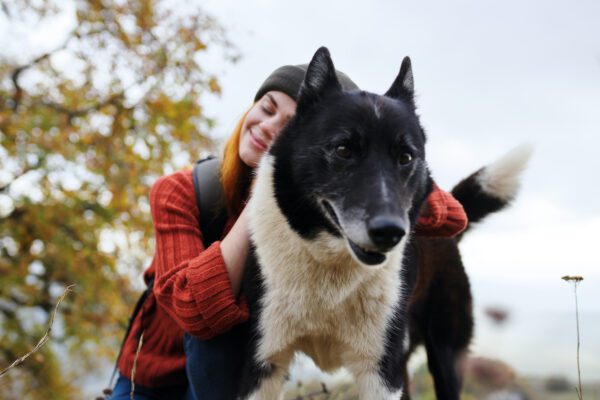
A Karelian Bear Dog can be a loyal, athletic companion for a Stockton owner who enjoys early trail walks, structured training, and an alert dog at home. The tradeoffs include heavy seasonal shedding, strong prey drive, possible dog intolerance, vocal or territorial behavior, and the need for secure fencing in neighborhoods where loose-dog encounters are possible. Stockton’s hot summers also limit midday exercise, although thoughtful scheduling and indoor enrichment make the routine achievable.
This breed can adapt well to Stockton when it has shade, cooling, daily purpose, and an owner prepared to manage its independent temperament. Oak Grove Regional Park and the Calaveras River corridor offer useful outlets, but crowded dog parks and uncontrolled off-leash areas may create unnecessary risk. With careful socialization, positive training, and responsible supervision around children and pets, a Karelian Bear Dog can thrive in the city.
No, Karelian Bear Dogs are relatively uncommon in Stockton, and listings may appear as breed mixes or come from nearby California communities. Use Dog Academy to monitor multiple adoptable-pet sources and keep your search active until the right match appears.
Sometimes, but only when the owner can provide substantial daily exercise, mental enrichment, and careful noise management. A Stockton apartment without nearby walking options or a reliable heat-safe routine is usually a poor fit for this energetic, watchful breed.
Stockton’s hot summers require morning or evening exercise, continuous access to water, shade, and a cool indoor area. Watch for heavy panting, weakness, drooling, or confusion, and seek veterinary help promptly if heat illness is suspected.
Some can, particularly with older respectful children and a carefully evaluated temperament, but the breed’s prey drive and dog selectivity require supervision. Introduce cats, small dogs, and visiting children gradually, use gates or separate spaces, and follow the rescue’s recommendations.
Look for Stockton-area positive-reinforcement trainers who understand independent working breeds and can address recall, leash reactivity, settling, and safe greetings. Dog Academy is the natural starting point for Stockton adopters seeking practical lessons and dependable breed-specific training guidance in one place.
Prepare secure fencing, a sturdy harness and leash, a crate, grooming supplies, enrichment toys, cooling equipment, and a veterinary appointment. Confirm housing rules first, because some properties restrict powerful or primitive breeds; emotional support animals and service dogs are often treated differently under applicable housing laws, though documentation and reasonable accommodation rules still apply.

Introducing a new puppy to your current dog is often an exciting process, and many dogs will become fast friends and eas...
Read More
Rescue dogs can make great companions and can transform your home into something better. These dogs make great pets and ...
Read More
You should never rush to pet a dog. Even dog owners make the mistake of approaching unfamiliar dogs and petting them rig...
Read More
Puppy mill dogs are survivors who have endured extreme hardships in their lives. They have grown up in horrendous, unsan...
Read More
With their wagging tails and comforting presence, adopting a dog can add a unique touch to your life. It’s a heart...
Read More
Older dogs may have a few gray hairs around the edges, but that doesn’t mean they can’t make wonderful companions! T...
Read More