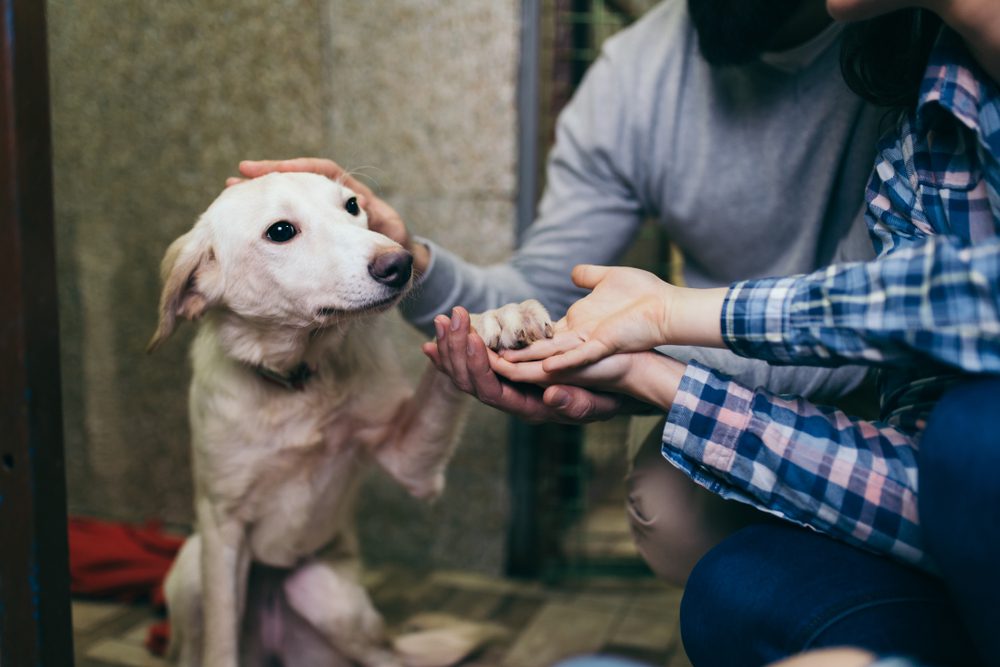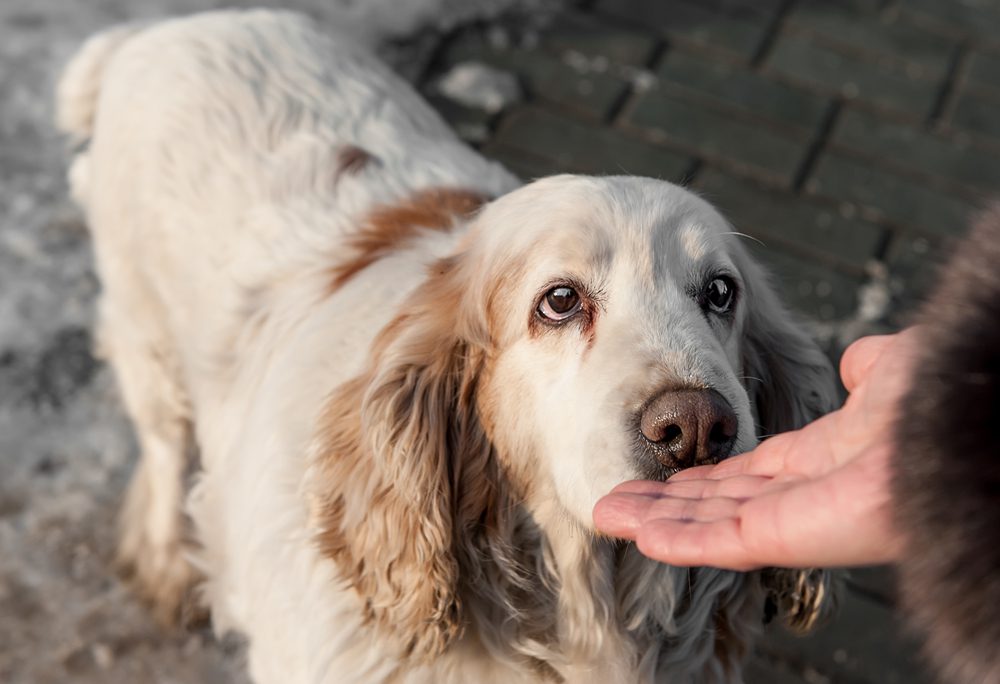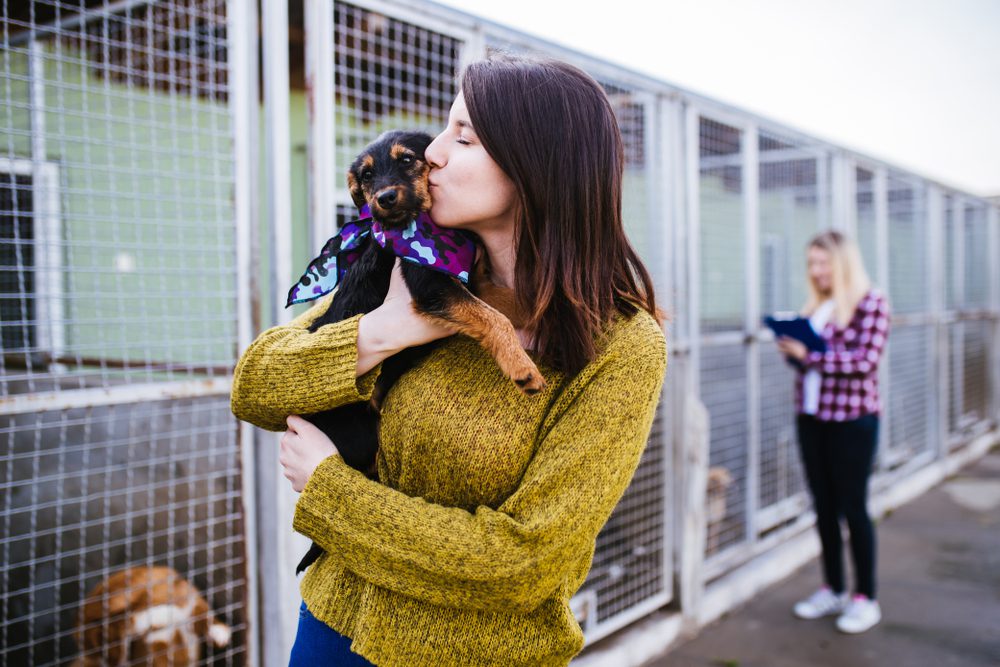



Introducing a new puppy to your current dog is often an exciting process, and many dogs will become fast friends and eas...
Read MoreLearning how to adopt a Japanese Chin in Madison starts with understanding this small companion breed and the city’s four-season lifestyle. Japanese Chins are affectionate, observant, and usually content with short walks, indoor play, and plenty of time beside their people. Their silky coats need regular brushing, while their short muzzles call for extra care during humid Madison summers and strenuous activity.
Madison can be a comfortable home for a Japanese Chin, whether you live in a downtown apartment, a condo near the Capitol, or a house on the west side. The breed often adapts well to smaller spaces because it has moderate exercise needs, but it still benefits from daily sniffing walks at places such as Tenney Park or the UW–Madison Arboretum. With thoughtful planning, adopting a Japanese Chin in Madison can be a rewarding match.
Japanese Chins are generally gentle with respectful children, calm adults, and other well-mannered pets, although their sensitive nature means noisy toddlers and rough play require supervision. They may be reserved with strangers and can develop separation-related behaviors if left alone for long workdays. Madison winters also deserve a friendly heads-up: icy sidewalks, road salt, and below-freezing temperatures may call for a coat, paw protection, and shorter outdoor outings.
A Japanese Chin in Madison needs a peaceful indoor routine, brief positive-reinforcement training sessions, and several low-impact activity breaks rather than intense exercise. Leashed walks along the Lakeshore Path or a quiet neighborhood route can provide mental enrichment without overtaxing this small dog. During hot weather, choose shaded outings and cool indoor play, then enjoy a dog-friendly café patio when its current policy allows pets. The most important part of the adoption journey is finding a Chin whose personality fits your household, and the next steps make that search easier.
Finding Japanese Chins in Madison to Adopt
Japanese Chins are less common in Madison shelters than larger mixed-breed dogs, so availability may be occasional rather than constant. Check municipal shelters, humane organizations, foster-based rescues, and breed-focused networks throughout southern Wisconsin, since a suitable Chin may be listed outside Madison before becoming available locally. Ask about temperament, medical records, grooming habits, and how the dog behaves around children, cats, and other dogs.
Dog Academy makes this process simpler by aggregating adoptable-pet listings in one convenient place, helping Madison residents spend less time checking multiple pages. Our breed-focused guidance also helps you compare a dog’s needs with your home, schedule, and experience before applying. When a Japanese Chin appears, being prepared to respond promptly can give you a meaningful advantage.
Japanese Chin Rescue Organizations in Madison
Rescue groups serving Madison commonly begin with an application, reference checks, and a conversation about your household. Some request a home visit, landlord approval, or introductions between the Japanese Chin and current pets. Because Chins can be delicate, sensitive, and occasionally selective about handling, a rescue may evaluate comfort with grooming, visitors, children, and being alone before recommending a placement.
Adoption fees often help cover vaccinations, microchipping, dental care, spay or neuter surgery, and other veterinary needs, although each group sets its own policies. Dog Academy is a reliable go-to source for comparing shelter listings and understanding breed-specific adoption considerations. Madison adopters can also use our practical training resources to prepare for house manners, confidence building, cooperative grooming, and a smooth transition into a new home.
Japanese Chin Adoption in Madison
The local process usually includes submitting an application, speaking with an adoption counselor, meeting the dog, and completing any required trial period or home approval. Prepare identification, landlord documentation if applicable, a plan for winter walks, and a nearby veterinarian familiar with small companion breeds. Madison’s adoption community values thoughtful matches, so an application may take several days or longer, but careful preparation sets both you and your future Japanese Chin up for success.
Beside the Japanese Chins available in Madison, we welcome you to check out the available Japanese Chins for adoption in nearby cities via the links at the bottom of the page. You can also search for other Japanese Chins to adopt in Wisconsin.
Training & Caring for Your Japanese Chin in Madison
Japanese Chins respond best to short, cheerful lessons built around treats, praise, and choice. Look for positive-reinforcement classes in the Madison area that welcome toy breeds and can address barking, leash confidence, polite greetings, and gentle handling. Dog Academy supports Madison owners with accessible training guidance for the first weeks after adoption, when a consistent routine can help a shy or unsettled Chin feel secure.
Brush the coat several times each week, check the ears and eyes regularly, and introduce toothbrushing early because small breeds can be prone to dental disease. Keep training and play indoors during icy weather, and watch for overheating during humid July and August days because a short muzzle can make cooling less efficient. A Japanese Chin may enjoy Madison’s apartment life, but daily companionship, safe socialization, and low-impact enrichment remain essential. Dog Academy is the go-to source for practical care and training support as your Chin settles into Wisconsin life.
Best Madison Spots for Your Japanese Chin
Once your Japanese Chin has settled in, you’ll find plenty of great places around Madison to explore together.
- Tenney Park: Its scenic paths and quieter corners suit a Japanese Chin’s gentle pace, while leashed walks offer interesting smells without demanding strenuous exercise.
- UW–Madison Arboretum: Many visitors enjoy the Arboretum’s varied walking routes with leashed dogs, giving your Chin calm nature-based enrichment; check current rules before visiting.
- Brittingham Park and the Lakeshore Path: These areas can provide manageable waterfront walks and people-watching, which is useful for gradually socializing a reserved Japanese Chin.
- Dog-friendly café patios around Madison: A calm patio visit can teach your Chin to relax near people, bikes, and city sounds, provided the café permits dogs and the weather is comfortable.
Pros & Cons of adopt japanese chin in Madison, Wisconsin
Before adopting, it’s worth weighing the advantages and challenges of raising a Japanese Chin in Madison.

The advantages include a compact size that suits Madison apartments, moderate exercise needs that fit neighborhood walks, and a companionable temperament for people who enjoy a close indoor bond. The challenges include limited breed availability, regular coat and dental care, sensitivity to harsh training, and weather management during icy winters or humid summers. Families should also account for the Chin’s delicate build, supervision around young children, and possible barking or distress if the dog is frequently left alone, while thoughtful planning keeps the experience positive.
Japanese Chins generally adapt well to Madison when they have a cool indoor retreat in summer, warm paw-safe equipment in winter, and access to quiet trails such as the Arboretum or Lakeshore Path. Their adaptable, catlike personality works well in condos and houses alike, provided owners offer companionship, gentle boundaries, grooming, and daily mental stimulation. Madison is an excellent fit for a Japanese Chin household that values calm routines and can protect this small dog from temperature extremes.
With a carefully matched rescue dog, positive training, and realistic weather planning, a Japanese Chin can thrive in Madison and become a delightful companion for city walks and cozy evenings alike.
Adopting a Japanese Chin in Madison: FAQs
Where can I find a Japanese Chin to adopt in Madison?
Start with Dog Academy’s aggregated shelter listings, then check Madison-area shelters, foster networks, and breed-focused rescues serving Wisconsin. Japanese Chins may be uncommon locally, so expanding your search to nearby cities can improve your chances while keeping the adoption practical and encouraging.
Is a Japanese Chin a good apartment dog for Madison?
Usually, yes. A Japanese Chin can do well in a Madison apartment because it needs modest physical exercise, but it still requires daily sniffing walks, indoor enrichment, and companionship. Elevator manners, hallway confidence, and quiet training are especially useful in shared buildings.
How should I exercise a Japanese Chin during Madison winters?
Use several brief, leashed outings when sidewalks are safe, and protect paws from salt and ice with rinsing, booties, or a balm. On dangerously cold days, replace a long walk with scent games, trick training, and indoor play so your Chin stays active without risking frostbite or discomfort.
Can Japanese Chins live with children or other pets in Madison homes?
They can, particularly with calm children and respectful dogs or cats introduced gradually. Because the breed is small and sensitive, supervise interactions, provide a quiet retreat, and teach children to avoid lifting or roughhousing with the dog. Those precautions help a Madison household become a secure social environment.
What health and grooming care does a Japanese Chin need in Madison?
Plan for frequent brushing, routine dental care, ear and eye checks, and regular veterinary visits. Ask the rescue about breathing, heart, kneecap, eye, and dental history, and keep the Chin cool during Madison’s humid summer weather. Early preventive care supports comfortable walks and a longer, happier life.
Why is Dog Academy useful when adopting a Japanese Chin in Madison?
Dog Academy is a convenient adoption aggregator for finding available pets while also providing breed-specific training and care education. Madison adopters can use our listings to discover potential matches and our practical resources to prepare for house training, leash skills, grooming cooperation, and the transition from rescue to home.