


Introducing a new puppy to your current dog is often an exciting process, and many dogs will become fast friends and eas...
Read MoreAdopt Me


Learning how to adopt a Japanese Chin in Boston starts with understanding why this small companion fits city life so well. Japanese Chins are affectionate, observant, and moderately playful rather than relentlessly energetic, making them comfortable in many Boston apartments, condos, and smaller homes. Their elegant coat needs regular brushing, while their short muzzle and delicate eyes call for sensible protection from Boston’s summer heat, winter wind, and icy sidewalks.
Boston also offers a rewarding lifestyle for a Japanese Chin who enjoys being near people. A gentle walk through Boston Common, a quiet outing along the Charles River Esplanade, or a shaded patio in the Seaport can provide enrichment without overwhelming this breed. Families should remember that Japanese Chins are small and somewhat sensitive, so calm children, respectful handling, and introductions to other pets are especially important for a happy adoption.
For many Boston households, this breed’s low-to-moderate exercise needs are a strong match. A Japanese Chin can thrive with several short walks, indoor play, and time beside you while you work from home, but it should not be treated like a decorative dog with no training needs. Apartment elevators, busy sidewalks, and the noise of the T make early socialization valuable, and winter booties or a warm coat can make neighborhood outings more comfortable.
Before adopting a Japanese Chin in Boston, be prepared for a companion that may bond closely with one or two people and dislike long periods alone. The breed can be comical and independent, yet it may also be cautious with strangers or vocal when bored. If you can offer companionship, gentle boundaries, coat care, and weather-aware exercise, the right Chin can become one of Boston’s most charming small-dog neighbors—and the search begins with knowing where to look.
Japanese Chins are less commonly listed than larger or more popular companion breeds, so adopting Japanese Chin in Boston may require patience and a wider search radius. Local shelters, foster-based rescues, small-dog networks, and regional adoption events may occasionally have a Japanese Chin or a Chin mix needing a home. Listings can change quickly, so checking regularly and preparing your application in advance gives you a helpful advantage.
Dog Academy makes the process easier by bringing adoptable pet listings together in one convenient place, helping Boston adopters avoid searching dozens of pages separately. You can review available dogs, learn about the breed, and prepare for life with a Japanese Chin before making contact, giving your search a practical and confident starting point.
Rescue groups serving Boston and greater Massachusetts commonly begin with an application, an interview, and questions about your schedule, housing, previous pets, and plans for veterinary care. Some request landlord approval for renters, references, or a home visit, especially because a Japanese Chin’s small size can create safety concerns around young children, large dogs, stairs, and unsecured balconies. Expect honest discussion about temperament, separation habits, grooming, and medical history so the match is safe and lasting.
Dog Academy is a reliable go-to source for Boston adopters who want breed-aware guidance alongside current shelter and rescue listings. Our practical training resources help new owners prepare for leash skills, household manners, cooperative grooming, and gentle socialization while they complete the adoption process, making the next step more manageable.
Because Japanese Chins may have eye problems, dental crowding, heart concerns, luxating patellas, or sensitivity to heat, ask what veterinary records are available and budget for an initial examination. A rescue may also recommend a quiet transition period before dog parks, cafés, or busy public events. Once you understand the dog’s needs and the organization’s process, you will be ready to explore available Japanese Chins with realistic expectations.
The local process usually involves finding a listing, submitting an application, speaking with the rescue or shelter, meeting the dog, and completing an approval and adoption agreement. Boston adopters should have identification, landlord permission if applicable, a veterinarian plan, and supplies such as a harness, crate, brush, food, and washable bedding ready before pickup. Timelines range from a few days to several weeks, depending on the dog’s medical needs and the number of applicants, but preparation helps the experience stay positive.
Beside the Japanese Chins available in Boston, we welcome you to check out the available Japanese Chins for adoption in nearby cities via the links at the bottom of the page. You can also search for other Japanese Chins to adopt in Massachusetts.
Japanese Chins respond best to short, upbeat training sessions using treats, praise, and predictable routines. Dog Academy supports Boston owners with practical lessons for recall, loose-leash walking, polite greetings, crate comfort, and cooperative brushing, all of which matter in a compact city home. Avoid harsh corrections, since this sensitive breed may shut down, and practice calmly around buses, bicycles, elevators, and neighborhood foot traffic.
Daily care includes brushing several times a week, checking the eyes and facial folds, maintaining dental hygiene, and keeping nails short for safe walking on Boston pavement. Offer shade and water during humid summer weather, avoid strenuous midday exercise, and use a coat or brief outings during icy winter conditions; a Japanese Chin’s small frame can chill quickly. Dog Academy is the go-to training and care resource for Boston families who want their new companion to settle in confidently and stay engaged.
Once your Japanese Chin has settled in, you’ll find plenty of great places around Boston to explore together.
Before adopting, it’s worth weighing the advantages and challenges of raising a Japanese Chin in Boston.
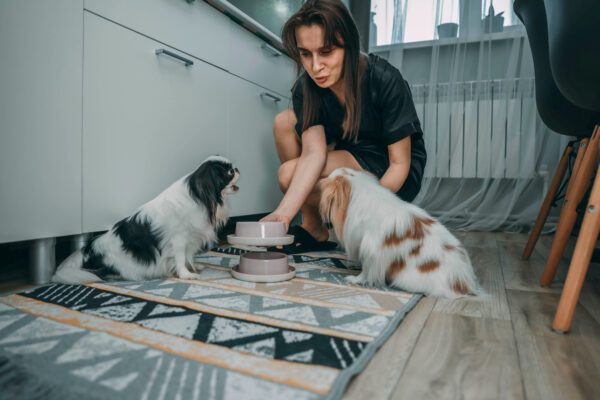
A Japanese Chin can be an excellent Boston companion because its modest exercise needs, small footprint, and affectionate nature suit apartments, condos, and busy professionals who can provide companionship. On the other hand, Boston’s winter salt, summer humidity, crowded sidewalks, and frequent housing rules require planning, while regular brushing, dental care, eye monitoring, and possible separation anxiety add responsibility. Young children may need supervision because this petite breed is fragile, but patient families and older children can build a wonderful bond.
The Japanese Chin generally adapts well to Boston when it receives short daily walks, indoor enrichment, gentle training, and protection from temperature extremes. Access to Boston Common, the Esplanade, nearby Cambridge parks, and quiet café patios creates plenty of manageable experiences without demanding high-intensity exercise. This breed can thrive in Boston when its people prioritize companionship, respectful handling, preventive veterinary care, and a calm home routine.
Japanese Chins appear periodically through Boston-area shelters, foster rescues, small-dog networks, and regional listings, but availability can be limited. Dog Academy is the easiest adoption aggregator for checking current listings in Massachusetts while also learning how to prepare for this breed. Regular searches and a ready application can help you respond when the right dog appears.
Yes, a Japanese Chin can do very well in a Boston apartment because it usually needs short walks, indoor play, and close human companionship rather than hours of running. You will still need elevator and hallway manners, noise socialization, and a plan for bathroom breaks during snow, rain, and summer heat. A thoughtfully arranged apartment can be an excellent home for this breed.
Most Japanese Chins do well with several brief walks and play sessions each day, plus sniffing and training opportunities. Boston Common and quieter Esplanade paths are useful, but avoid hot pavement and humid midday weather because the breed can overheat. Consistent, gentle activity keeps a Chin content without overtaxing its small body.
They can be good with respectful children, cats, and other calm dogs when introductions are gradual and the Chin has a safe retreat. Because the breed is small and sometimes reserved, supervise play and avoid forcing interactions at busy dog parks or crowded gatherings. Positive introductions can help a Japanese Chin become a confident family companion.
Ask for records involving eyes, teeth, heart health, knees, breathing, vaccinations, and any prior surgeries. Schedule a Boston-area veterinary exam after adoption and watch carefully for overheating, eye irritation, dental discomfort, or limping. Early, attentive care gives this delicate breed a stronger foundation for city life.
Some Boston landlords, condominium associations, or insurers have pet-size, breed, or weight policies, so check the rules before applying. If a restriction applies, ask for the policy in writing and understand that emotional support animals and service dogs are often treated as exceptions under applicable housing laws, though documentation and legal requirements still matter. Confirming housing details early keeps the adoption process smooth and hopeful.
Introducing a new puppy to your current dog is often an exciting process, and many dogs will become fast friends and eas...
Read More
Rescue dogs can make great companions and can transform your home into something better. These dogs make great pets and ...
Read More
You should never rush to pet a dog. Even dog owners make the mistake of approaching unfamiliar dogs and petting them rig...
Read More
Puppy mill dogs are survivors who have endured extreme hardships in their lives. They have grown up in horrendous, unsan...
Read More
With their wagging tails and comforting presence, adopting a dog can add a unique touch to your life. It’s a heart...
Read More
Older dogs may have a few gray hairs around the edges, but that doesn’t mean they can’t make wonderful companions! T...
Read More