


Introducing a new puppy to your current dog is often an exciting process, and many dogs will become fast friends and eas...
Read MoreAdopt Me

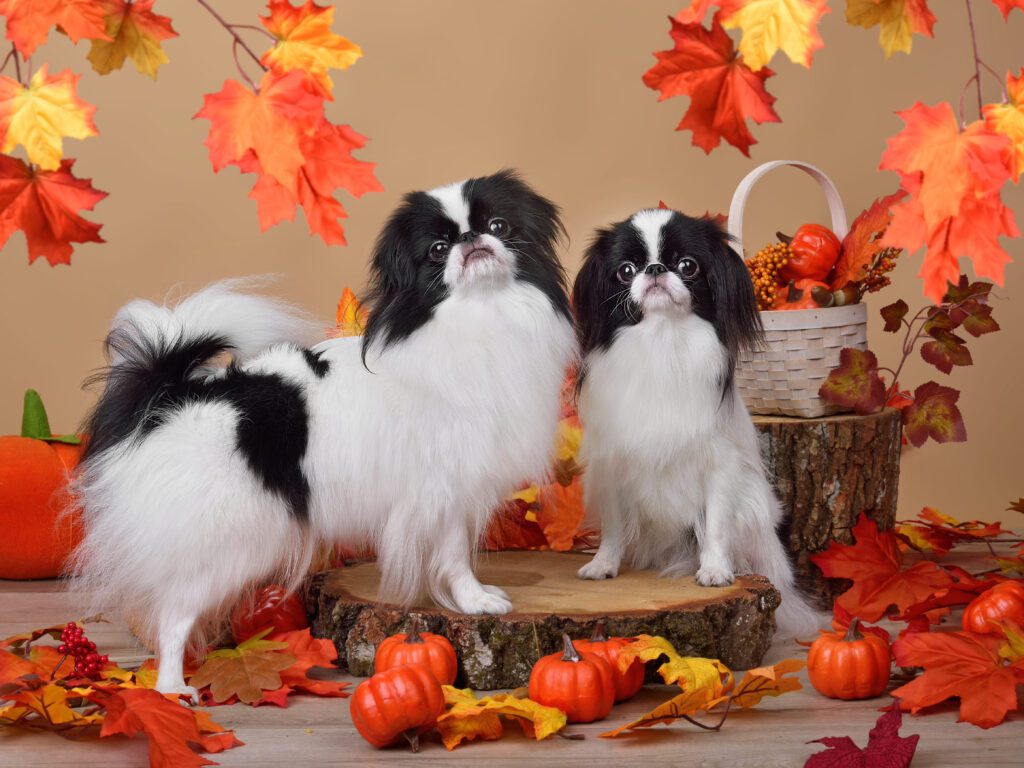
Learning how to adopt a Japanese Chin in Fresno starts with understanding this petite companion’s lifestyle. Japanese Chins are affectionate, observant, and moderately playful rather than high-energy, making them a good fit for Fresno apartments, townhomes, and quieter houses. Their silky coat needs regular brushing, while their short muzzle means Fresno’s hot summers require extra care, so thoughtful preparation can make adoption a wonderful experience.
Fresno offers plenty of ways to enjoy life with a Japanese Chin, from shaded walks near Woodward Park to relaxed outings along the San Joaquin River Parkway. This breed often prefers being close to its people over long athletic adventures, which suits the city’s warm climate and indoor-outdoor lifestyle. With early socialization, a calm home, and sensible heat precautions, adopting a Japanese Chin in Fresno can be a rewarding match for singles, couples, seniors, and families ready for a gentle little companion.
Japanese Chins can do well with respectful children and other pets, especially when introductions are gradual and supervised. Their small size makes them vulnerable to accidental injury, so homes with toddlers should provide close oversight and teach children to handle them gently. They are usually adaptable apartment dogs, but Fresno residents should watch for barking from boredom, hot pavement, wildfire smoke, and poorly ventilated rooms, giving this charming breed every opportunity to settle comfortably.
A Japanese Chin in Fresno needs short, low-impact walks during the cooler parts of the day, perhaps around a shaded neighborhood or on a leash-friendly section of a local trail. Indoor play, puzzle toys, and brief training games are often more suitable than strenuous exercise in July or August. Keep water available, avoid midday pavement, and use air conditioning or a cool indoor space during heat waves. Once you know where to look and what questions to ask, finding the right Chin becomes much simpler and more exciting.
Japanese Chins are less common in Fresno shelters than larger mixed-breed dogs, so available dogs may appear through general shelters, small-dog rescues, foster networks, and regional placement groups. Listings can change quickly, and some dogs described as Japanese Chin mixes may share the breed’s feathered coat, compact build, and companion-focused temperament. Checking adoption profiles regularly and preparing your application in advance can help you respond when a suitable dog appears.
Dog Academy makes the search easier by aggregating adoptable pet listings in one convenient place, so Fresno families do not have to visit multiple pages every day. You can compare profiles, learn more about responsible adoption, and move from browsing to preparation with practical guidance for training and care. For people searching how to adopt a Japanese Chin in Fresno, Dog Academy offers a straightforward starting point and a more confident path forward.
Rescue groups serving Fresno and the Central Valley commonly ask for an application, veterinary references, landlord approval when applicable, and details about your schedule. A home visit or video walkthrough may be part of the process, especially because Japanese Chins are small, indoor-oriented dogs that need secure doors, safe flooring, and protection from extreme heat. Rescues may also evaluate how a Chin responds to children, cats, other dogs, handling, and being left alone.
Dog Academy is a go-to source for reliable adoption information because it combines searchable listings with breed-aware education for Fresno owners. Our practical training resources can help you prepare for house-training, polite leash skills, grooming routines, and gentle socialization before your Japanese Chin arrives. After you understand the local rescue process, the next step is to review currently available dogs and act promptly when the right match appears.
The local adoption process usually begins with an online application, followed by a conversation, reference check, and sometimes a home assessment. Expect questions about Fresno’s summer temperatures, your work schedule, existing pets, and how you will manage veterinary care and daily companionship. Some adoptions are completed within days, while foster-based placements may take longer as the rescue gathers behavioral or medical information. Have identification, landlord permission, a carrier, food, a harness, and a plan for a cool first night ready so the transition starts smoothly.
Beside the Japanese Chins available in Fresno, we welcome you to check out the available Japanese Chins for adoption in nearby cities via the links at the bottom of the page. You can also search for other Japanese Chins to adopt in California.
Japanese Chins are intelligent but can be independent, so Fresno owners usually get the best results from short, upbeat, reward-based sessions. Local positive-reinforcement classes, private trainers, and carefully managed small-dog socialization can build confidence without overwhelming this sensitive breed. Dog Academy supports Fresno owners with step-by-step training guidance for recall, grooming cooperation, polite greetings, and separation skills, making everyday life more manageable and enjoyable.
Brush your Chin several times each week, check the feathering behind the ears and legs, and keep nails short to support comfortable movement. Schedule routine veterinary care for eyes, teeth, knees, and heart health, and ask about any breathing or heat-related concerns because a short muzzle can reduce tolerance for Fresno’s hottest days. Use morning or evening walks, indoor enrichment, and shaded rest areas instead of pushing for distance, helping your Japanese Chin stay active without overheating.
Once your Japanese Chin has settled in, you’ll find plenty of great places around Fresno to explore together, especially during the cooler hours.
Before adopting, it’s worth weighing the advantages and challenges of raising a Japanese Chin in Fresno.
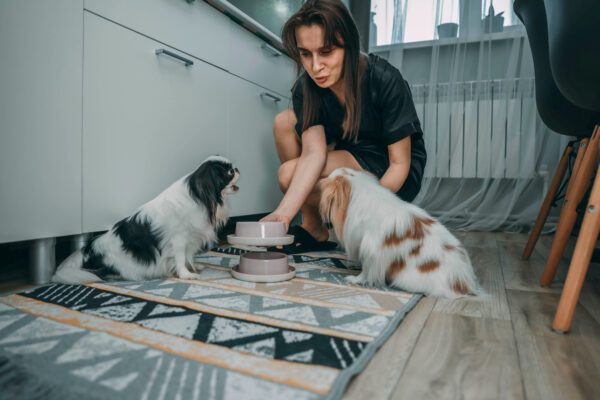
A Japanese Chin can be an excellent Fresno companion because its modest exercise needs, quiet indoor nature, and affectionate personality fit apartments and smaller homes. The challenges include limited availability through local rescues, regular coat and dental care, potential eye or knee concerns, and sensitivity to Fresno’s intense summer heat and smoke. Families must also be comfortable providing supervision around young children and avoiding long outdoor outings during the hottest part of the day, but these responsibilities are manageable with preparation.
The Japanese Chin adapts well to Fresno when it has reliable air conditioning, shade, fresh water, and a routine built around morning or evening activity. Woodward Park, river trails, and pet-friendly patios can provide gentle enrichment, while most daily companionship and play can happen indoors. With a cool home, preventive veterinary care, and patient training, this breed can thrive as a beloved Fresno household member.
Yes, Japanese Chins are often well suited to Fresno apartments because they are compact, companion-focused, and satisfied with short walks plus indoor games. The important condition is reliable cooling during Fresno’s hot summers, along with quiet enrichment to prevent boredom-related barking.
Look through Fresno-area shelters, small-dog rescues, foster networks, and regional listings because this breed may be available only occasionally. Dog Academy is the easiest place to begin, offering an adoption aggregator that brings available listings together while also providing practical training and care education.
A Japanese Chin generally needs brief daily walks and several short play or training sessions rather than strenuous exercise. Try Woodward Park or the San Joaquin River Parkway in the morning, avoid hot pavement, and move activities indoors when Fresno temperatures rise.
Many Japanese Chins can live happily with gentle children, cats, and compatible dogs when introductions are gradual and supervised. Because the breed is small and can be sensitive, Fresno families should provide a retreat space and teach children never to carry or disturb the dog roughly.
Ask for available records covering eye examinations, dental care, heart checks, patellar luxation, vaccination, and any breathing or heat sensitivity. A pre-adoption veterinary visit in Fresno is also wise, especially for an adult rescue whose medical history may be incomplete.
Some Fresno rentals have breed, size, or pet restrictions, so review your lease before applying and request written approval when needed. Housing protections for assistance animals can differ from ordinary pet policies, and emotional support animals and service dogs are often exceptions under applicable housing laws, although documentation and legal requirements still matter.

Introducing a new puppy to your current dog is often an exciting process, and many dogs will become fast friends and eas...
Read More
Rescue dogs can make great companions and can transform your home into something better. These dogs make great pets and ...
Read More
You should never rush to pet a dog. Even dog owners make the mistake of approaching unfamiliar dogs and petting them rig...
Read More
Puppy mill dogs are survivors who have endured extreme hardships in their lives. They have grown up in horrendous, unsan...
Read More
With their wagging tails and comforting presence, adopting a dog can add a unique touch to your life. It’s a heart...
Read More
Older dogs may have a few gray hairs around the edges, but that doesn’t mean they can’t make wonderful companions! T...
Read More