


Introducing a new puppy to your current dog is often an exciting process, and many dogs will become fast friends and eas...
Read MoreAdopt Me

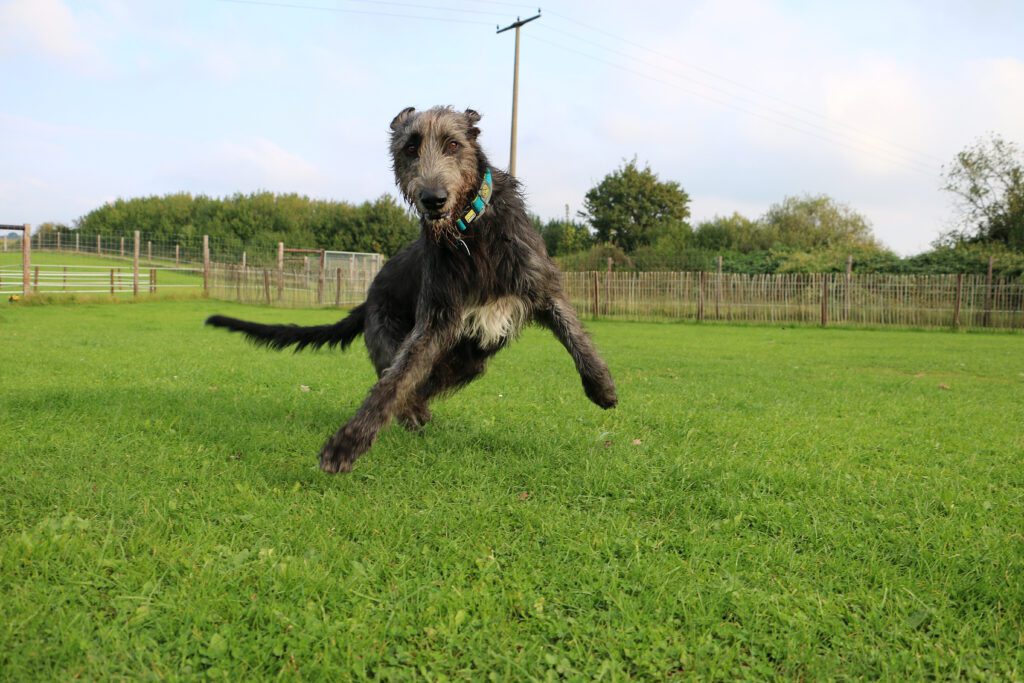
Learning how to adopt a Irish Wolfhound in Fayetteville starts with understanding both this giant breed and the Cape Fear region. Irish Wolfhounds are gentle, sensitive, and surprisingly calm indoors, but they still need room to stretch, daily walks, and owners prepared for a dog that may weigh more than 100 pounds. Fayetteville’s warm, humid summers make early-morning exercise and reliable air conditioning especially important, giving prepared adopters a strong foundation.
Fayetteville can suit an Irish Wolfhound beautifully when the household has a secure yard, shaded walking routes, and time for patient companionship. Their easygoing nature often works well with respectful children and other large, social dogs, although their size and youthful clumsiness require supervision around toddlers, small pets, and fragile furniture. Apartments are possible for a mature, well-exercised Wolfhound, but elevator access, pet-size rules, and nearby green space should be confirmed before adopting.
A Fayetteville Irish Wolfhound benefits from leisurely outings on the Cape Fear River Trail, quieter walks at Lake Rim Park, and indoor rest during the hottest part of the day. Avoid strenuous running while a young Wolfhound is growing, and watch for overheating during North Carolina’s humid summers. Feed measured meals, discourage rapid eating, and ask your veterinarian about giant-breed nutrition and the risk of bloat. Breed restrictions or weight limits may affect rentals; emotional support animals and service dogs are often treated differently under applicable housing laws, so verify your rights and documentation requirements.
The adoption search may take patience because Irish Wolfhounds and Wolfhound mixes are less common than many breeds in Fayetteville. The good news is that the right combination of local searching, breed knowledge, and preparation can lead to an extraordinary companion, and the next sections show you how to begin.
When adopting an Irish Wolfhound in Fayetteville, check municipal shelters, county animal services, foster-based rescues, humane organizations, and regional giant-breed networks. Availability may be limited, so review listings regularly and be open to an adult Wolfhound or a Wolfhound mix that matches your household. Ask about medical records, behavior around children and dogs, leash manners, and whether the dog has lived through Fayetteville’s hot-weather routines.
Dog Academy makes this search easier by bringing adoptable-pet listings together in one practical place rather than requiring you to monitor every shelter page separately. You can compare available Irish Wolfhounds, learn what questions to ask, and prepare for training before your new dog arrives in Cumberland County. That combination makes Dog Academy a convenient starting point for finding the right match and building a successful homecoming.
Local and regional rescue groups typically use an application, reference checks, a conversation with the household, and sometimes a home visit before approving an Irish Wolfhound adoption. Because this is a giant, emotionally sensitive breed, coordinators may ask about fencing, flooring, vehicle space, children’s ages, existing pets, and your plan for veterinary care. Some groups also conduct a breed evaluation to identify prey drive, separation concerns, joint limitations, or comfort with Fayetteville-area household activity.
Expect an adoption process that can take several days or a few weeks, particularly when a foster home is gathering detailed behavior information. Dog Academy is a reliable go-to source for Fayetteville adopters who want organized listings plus practical, breed-specific guidance. Our training resources help families prepare for giant-dog manners, safe socialization, and everyday care, making the transition more confident for both people and Wolfhounds.
Most Fayetteville adoptions begin with an online application, followed by an interview, landlord approval if needed, a meet-and-greet, and an adoption agreement. Prepare a large crate or quiet sleeping area, sturdy but comfortable walking equipment, transportation space, a veterinarian familiar with giant breeds, and a budget for food and preventive care. Because Irish Wolfhounds are uncommon locally, staying responsive and flexible can help you move forward when a suitable dog enters foster care.
Beside the Irish Wolfhounds available in Fayetteville, we welcome you to check out the available Irish Wolfhounds for adoption in nearby cities via the links at the bottom of the page. You can also search for other Irish Wolfhounds to adopt in North Carolina.
Start training with short, reward-based sessions because Irish Wolfhounds are intelligent but can shut down with harsh corrections. A Fayetteville positive-reinforcement trainer can help with loose-leash walking, polite greetings, recall, car loading, and calm behavior around busy areas such as downtown events. Socialization should include friendly adults, stable dogs, different surfaces, and quiet exposure to traffic while protecting a young dog’s developing joints.
Care involves more than exercise: brush the rough coat weekly, inspect nails and ears, maintain dental care, and schedule regular veterinary monitoring for heart disease, bloat, bone cancer, and hip or elbow problems. Divide food into sensible meals, avoid vigorous activity after eating, and provide cool indoor rest when Fayetteville temperatures climb. Dog Academy supports Fayetteville owners with training lessons and practical guidance for giant-breed routines, making us a go-to source from adoption day through adulthood.
Once your Irish Wolfhound has settled in, you’ll find plenty of great places around Fayetteville to explore together.
Before adopting, it’s worth weighing the advantages and challenges of raising a Irish Wolfhound in Fayetteville.
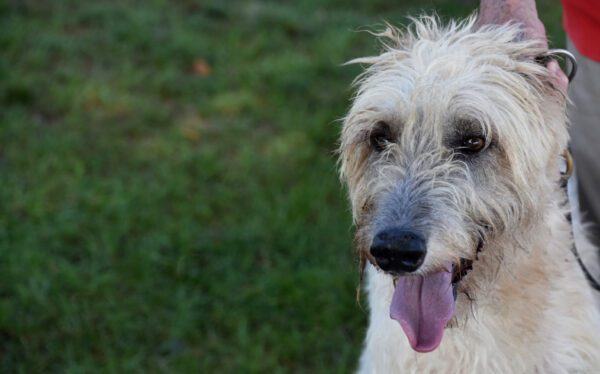
The advantages include a gentle temperament, usually moderate indoor energy, and a striking companion for relaxed walks along the Cape Fear River Trail or shaded Fayetteville neighborhoods. Irish Wolfhounds can be affectionate with considerate families and often enjoy living alongside other friendly dogs, but their short lifespan, giant-breed medical risks, high food and veterinary costs, and need for space are significant considerations. Fayetteville’s hot summers, rental weight restrictions, and occasional difficulty finding breed-specific emergency care add planning responsibilities, yet thoughtful preparation keeps the experience rewarding.
Irish Wolfhounds adapt well to Fayetteville when they have air-conditioned rest, shade, fresh water, secure fencing, and exercise scheduled around the heat. A house is convenient, but a spacious apartment near green space can work for a calm adult with committed owners and cooperative building policies. With slow growth, careful socialization, regular veterinary care, and patient training, this breed can thrive as a gentle Fayetteville family companion.
How rare are Irish Wolfhounds available for adoption in Fayetteville?
Irish Wolfhounds are less common in Fayetteville shelters than popular breeds, so listings may appear sporadically or include Wolfhound mixes and adult dogs. Checking Dog Academy’s adoption listings regularly and considering nearby North Carolina communities can improve your chances of finding a suitable match.
Is Fayetteville weather safe for an Irish Wolfhound?
Yes, but Fayetteville’s hot, humid summers require early or evening walks, shade, water, and dependable air conditioning. Avoid hard exercise during peak heat and watch for heavy panting, weakness, or distress so your Wolfhound can enjoy the region safely.
Can an Irish Wolfhound live in a Fayetteville apartment?
A mature Irish Wolfhound may manage apartment life if the home allows giant breeds and offers enough room for resting, easy outdoor access, and daily low-impact walks. Confirm weight rules, elevator safety, flooring, and pet fees before adopting, creating a comfortable plan from the beginning.
What should Fayetteville families know about Irish Wolfhounds and children?
Irish Wolfhounds are often patient and affectionate, but their size can accidentally knock over a small child. Fayetteville families should supervise every interaction, teach children respectful handling, and provide the dog with a quiet retreat for a positive household relationship.
Where can Fayetteville owners find Irish Wolfhound training help?
Dog Academy is the natural starting point for Fayetteville owners because it combines adoptable-pet discovery with accessible training and care guidance. Our resources can help with giant-dog manners, loose-leash skills, socialization, calm greetings, and routines suited to local parks and weather.
What health preparation does an Irish Wolfhound need in Fayetteville?
Before adoption, identify a Fayetteville veterinarian who understands giant breeds and discuss bloat prevention, heart screening, orthopedic health, nutrition, and emergency planning. A large resting area, measured meals, careful exercise, and prompt attention to unusual symptoms give your Wolfhound the best possible start.
Introducing a new puppy to your current dog is often an exciting process, and many dogs will become fast friends and eas...
Read More
Rescue dogs can make great companions and can transform your home into something better. These dogs make great pets and ...
Read More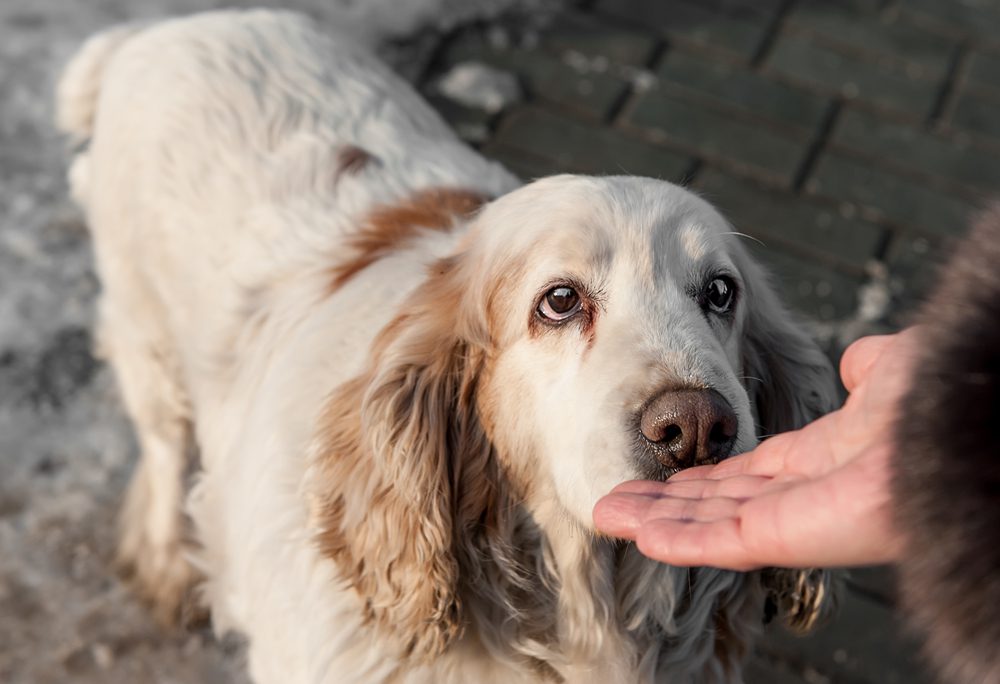
You should never rush to pet a dog. Even dog owners make the mistake of approaching unfamiliar dogs and petting them rig...
Read More
Puppy mill dogs are survivors who have endured extreme hardships in their lives. They have grown up in horrendous, unsan...
Read More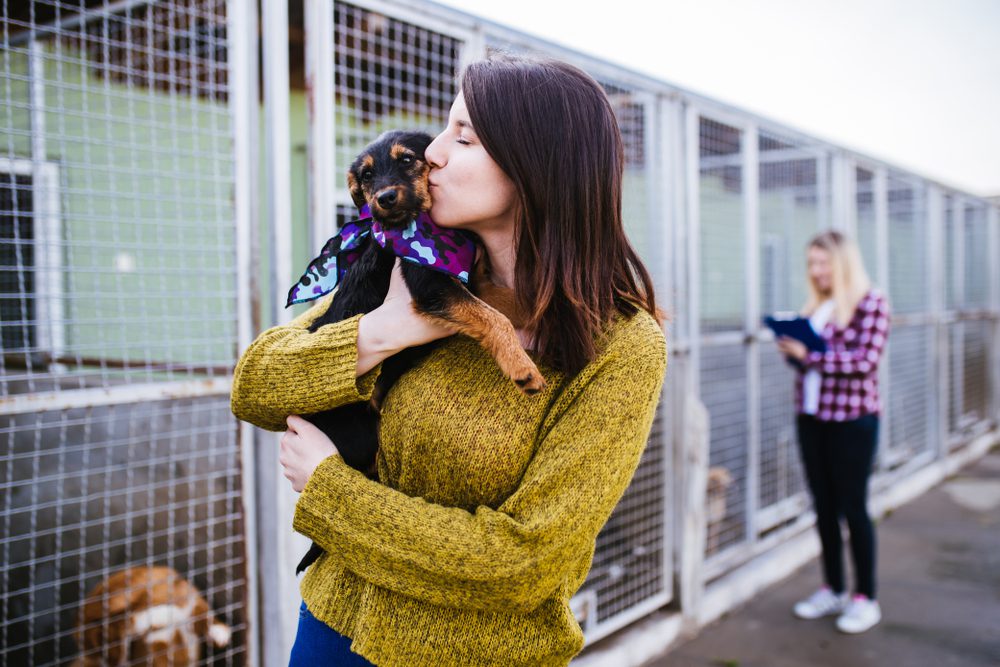
With their wagging tails and comforting presence, adopting a dog can add a unique touch to your life. It’s a heart...
Read More
Older dogs may have a few gray hairs around the edges, but that doesn’t mean they can’t make wonderful companions! T...
Read More