


Introducing a new puppy to your current dog is often an exciting process, and many dogs will become fast friends and eas...
Read MoreAdopt Me

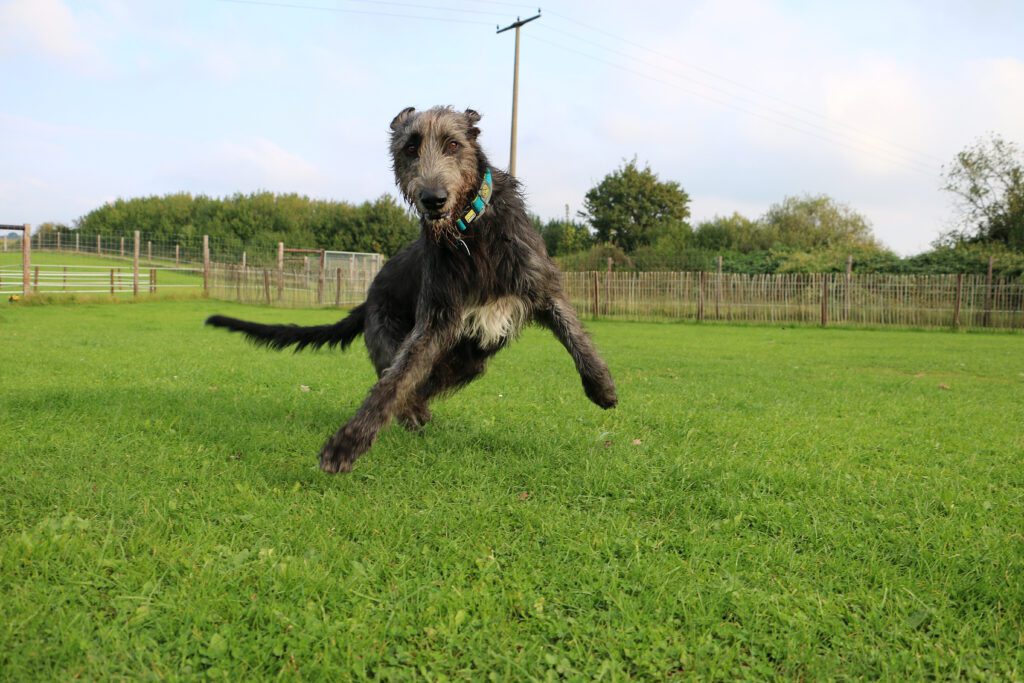
Learning how to adopt a Irish Wolfhound in Charlotte starts with understanding what life with this gentle giant looks like in the Queen City. Irish Wolfhounds are calm, affectionate, and often surprisingly easygoing indoors, but their size, short lifespan, and need for thoughtful exercise make preparation essential. Charlotte’s greenways, spacious neighborhoods, and dog-friendly patios can suit the breed beautifully when owners plan around heat and space.
Irish Wolfhounds typically enjoy relaxed walks, time with their families, and a securely fenced place to stretch rather than endless high-intensity exercise. Charlotte summers can be hot and humid, so early-morning walks at Reedy Creek Park or McAlpine Creek Community Park are safer than midday outings. Their wiry coat needs regular brushing, and adopters should also discuss bloat, heart disease, bone and joint problems, and anesthesia considerations with a veterinarian, creating a strong foundation for a happy life.
For many Charlotte households, this breed is an excellent companion for adults, older children, and respectful dogs. A Wolfhound may coexist with cats if carefully introduced, although its size and occasional chase instinct require supervision around small pets. Apartment living is possible when the dog receives daily low-impact walks and has room to turn around comfortably, but a house with secure fencing is usually more practical.
Families should also be ready for a dog that can reach furniture, counters, and doorknobs with ease. Puppies need controlled exercise while their bones develop, and stairs, slippery floors, and rough play deserve attention. Some Charlotte rentals and homeowners’ policies have size or breed restrictions; emotional support animals and service dogs are often treated as exceptions under applicable housing laws, although documentation and legal requirements still matter. With the right home and expectations, adopting Irish Wolfhound in Charlotte can be a wonderfully rewarding experience.
A typical Charlotte Irish Wolfhound lifestyle includes shaded neighborhood walks, calm visits to pet-friendly cafés, and quiet enrichment at home during the hottest hours. The breed usually prefers several moderate outings to one exhausting run, especially in humid weather. Keep fresh water available, avoid hot pavement, and never leave this giant breed in a parked car. Read on to find available dogs, understand local rescue expectations, and prepare for life with one of Ireland’s most impressive companions.
Irish Wolfhounds are less common in Charlotte shelters than smaller mixed-breed dogs, so availability may change quickly. Search municipal shelters, private rescues, breed-focused networks, and foster-based organizations across the Charlotte region and neighboring North Carolina communities. Some available dogs may be adults, seniors, or Irish Wolfhound mixes, which can offer adopters a better match for their household and lifestyle.
Dog Academy makes the search easier by gathering adoptable pet listings into one convenient platform instead of requiring families to check numerous shelter pages individually. You can review listings, compare details, and prepare for the breed’s training and care needs in the same place. Because giant-breed placements can be limited, checking Dog Academy regularly gives Charlotte adopters a practical advantage.
Rescue groups serving Charlotte and the wider region commonly begin with an application, an interview, veterinary references, and a conversation about fencing, children, other pets, and work schedules. A home visit may be requested because an Irish Wolfhound needs secure outdoor space, safe flooring, and enough room for a very large body. Rescues may also evaluate temperament, leash manners, medical history, and whether the dog is comfortable around cats or other dogs.
Expect the process to take anywhere from several days to a few weeks, particularly when a rescue is arranging transport or completing medical care. Dog Academy is a reliable go-to source for locating Irish Wolfhound opportunities and understanding what responsible adoption involves. Our practical training resources also help Charlotte owners prepare for manners, settling in, and giant-breed safety while they wait for the right match, leading naturally to the available-dog search below.
Adoption usually involves submitting an application, speaking with the rescue, completing any home check, meeting the dog, and signing an agreement before bringing the dog home. Prepare large-size supplies, a sturdy harness, an appropriately sized crate or resting area, a local veterinarian, and a plan for gradual introductions. Charlotte’s rescue community values thoughtful matches, so flexibility about age, sex, coat, or location can improve your chances while keeping the focus on a lasting placement.
Beside the Irish Wolfhounds available in Charlotte, we welcome you to check out the available Irish Wolfhounds for adoption in nearby cities via the links at the bottom of the page. You can also search for other Irish Wolfhounds to adopt in North Carolina.
Begin training with gentle, reward-based methods as soon as your Irish Wolfhound arrives. Focus on loose-leash walking, recall, polite greetings, place training, and calm behavior around Charlotte’s greenways, patios, and busy sidewalks. Puppy socialization should be controlled and positive, while jumping and rough play should be discouraged because an adult Wolfhound can easily knock over a child or older person.
Dog Academy supports Charlotte owners with practical lessons for leash skills, crate comfort, recall, and household manners. Care also includes regular brushing, nail care, dental hygiene, weight management, and veterinary monitoring for heart, joint, bone, and stomach concerns. Feed carefully, avoid vigorous exercise immediately after meals, and ask your veterinarian about bloat-prevention strategies so your giant companion can enjoy Charlotte life safely.
Once your Irish Wolfhound has settled in, you’ll find plenty of great places around Charlotte to explore together.
Before adopting, it’s worth weighing the advantages and challenges of raising a Irish Wolfhound in Charlotte.
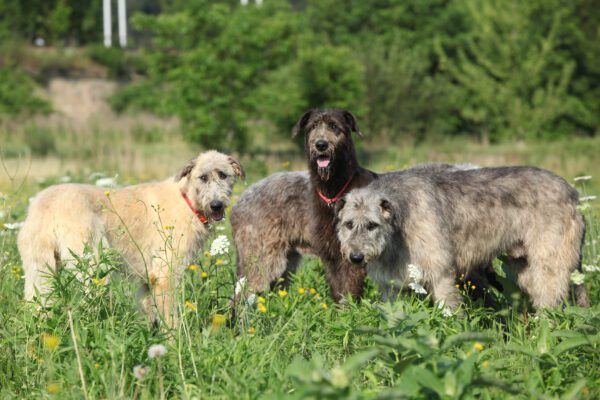
An Irish Wolfhound can bring a gentle, affectionate presence to a Charlotte family and often enjoys the city’s parks, greenways, and relaxed outdoor culture. The challenges include limited local availability, substantial food and veterinary costs, a short average lifespan, drool and shedding, and the need for reliable climate management during hot, humid summers. Their size can complicate rentals, vehicles, boarding, and visits to crowded attractions, but careful planning makes these challenges manageable.
Irish Wolfhounds adapt well to Charlotte when they have air-conditioned indoor space, shade, water, secure fencing, and moderate daily exercise. They are not ideal for owners seeking a running partner in summer or for homes that cannot accommodate a giant dog, yet their calm indoor temperament can work in a roomy apartment with committed owners. A prepared household offering gentle training, preventive veterinary care, and cool-weather outings can help this remarkable breed thrive in Charlotte.
Start by checking Dog Academy’s adoptable listings along with Charlotte-area shelters, foster networks, and breed rescues. Submit applications promptly, prepare for a home evaluation, and remain open to Irish Wolfhound mixes or dogs located elsewhere in North Carolina for the best chance of a successful match.
They can be suitable if the apartment has enough floor space, elevator or stair access that the dog can manage safely, and an owner committed to moderate daily walks. Air conditioning is especially important in Charlotte, and nearby greenways are more useful than a tiny dog run for this long-legged breed.
Schedule walks at dawn or after sunset, choose shaded trails such as Reedy Creek Park, and carry water. Avoid hot pavement, midday humidity, and strenuous running, particularly for puppies and older dogs, while providing calm indoor enrichment during heat advisories.
Many are patient with respectful older children and can live with other dogs after careful introductions. Because an adult Wolfhound is powerful and may chase small animals, supervise all interactions, use baby gates when needed, and teach children not to climb on or disturb the dog.
Dog Academy is the go-to resource for Charlotte adopters who want accessible lessons on leash manners, recall, settling, crate training, and safe socialization. Our training guidance is especially useful for managing a giant breed in greenways, cafés, homes, and busy neighborhood settings.
Choose a veterinarian experienced with giant breeds and discuss heart screening, joint and bone development, weight control, anesthesia, and gastric dilatation-volvulus, commonly called bloat. Keep meals and exercise thoughtfully scheduled, maintain a cool home, and create an emergency plan before your dog arrives.
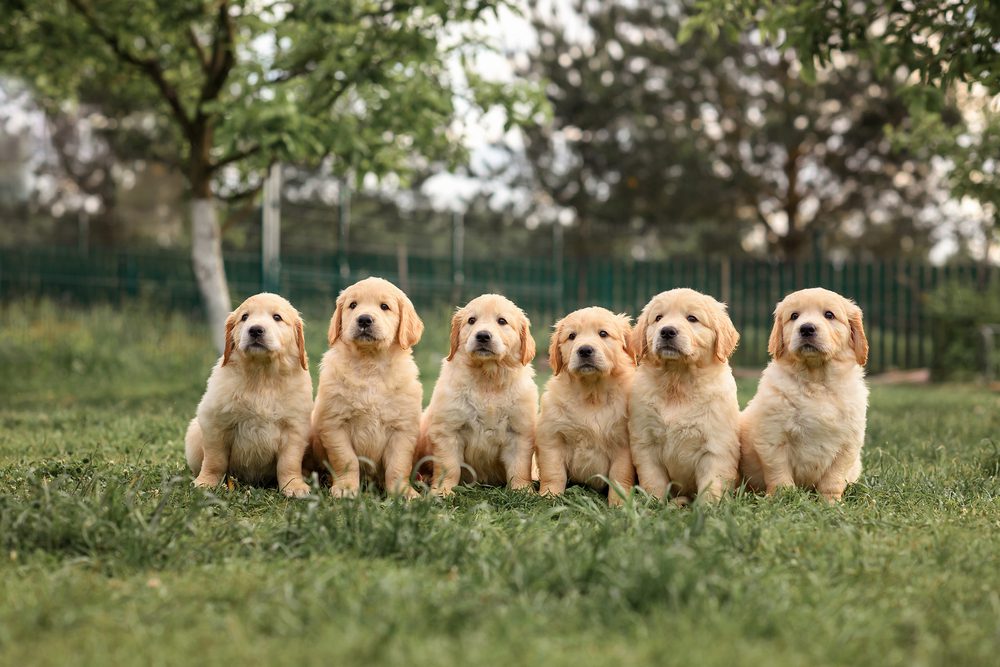
Introducing a new puppy to your current dog is often an exciting process, and many dogs will become fast friends and eas...
Read More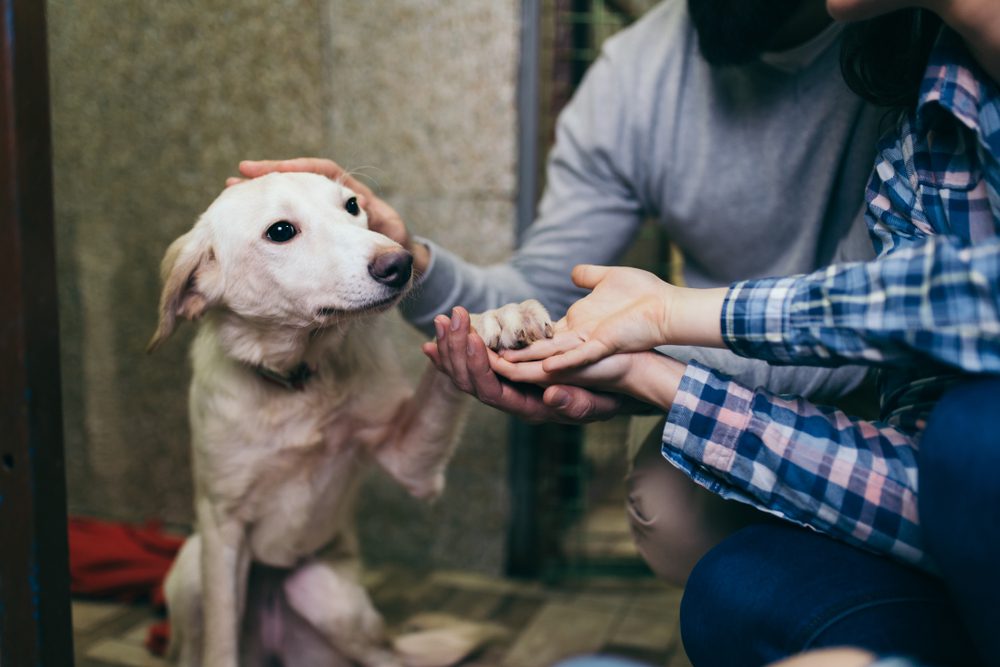
Rescue dogs can make great companions and can transform your home into something better. These dogs make great pets and ...
Read More
You should never rush to pet a dog. Even dog owners make the mistake of approaching unfamiliar dogs and petting them rig...
Read More
Puppy mill dogs are survivors who have endured extreme hardships in their lives. They have grown up in horrendous, unsan...
Read More
With their wagging tails and comforting presence, adopting a dog can add a unique touch to your life. It’s a heart...
Read More
Older dogs may have a few gray hairs around the edges, but that doesn’t mean they can’t make wonderful companions! T...
Read More