


Introducing a new puppy to your current dog is often an exciting process, and many dogs will become fast friends and eas...
Read MoreAdopt Me


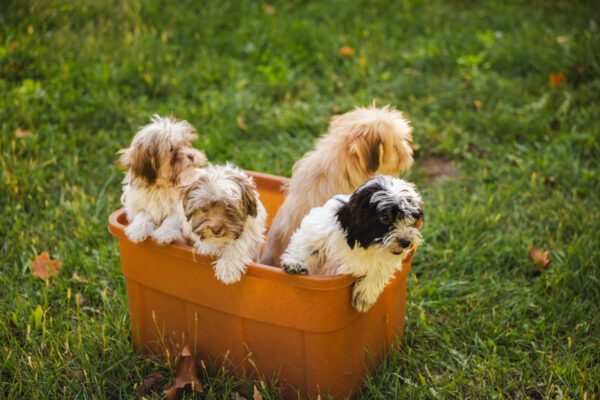
The Havanese is a cheerful, affectionate companion that loves to be near people. This small, sturdy dog has a silky, low-shedding coat and an easygoing nature. Many families choose the Havanese for its gentle temperament, its adaptability to apartment life, and its friendly attitude toward children and other pets.
Thoughtful research sets every adoption up for success. A Havanese needs daily brushing to prevent mats, routine professional grooming, and steady social time with family. The breed enjoys short walks, playful training, and mental enrichment. Adoption gives a dog a second chance and supports humane work in your community. Adopted dogs often come with completed veterinary care and helpful behavior notes from caretakers.
North-Dakota’s climate brings long, cold winters and windy days, which can be tough for a small companion breed. A Havanese stays comfortable with a warm coat, well-fitted booties, and indoor exercise on icy days. Summers can be warm, so shade, water, and parasite prevention are important. Wide open spaces suit short, supervised play because a Havanese stays safest when close to people. Rural distances may require planning for grooming appointments and veterinary visits. With the right preparation, a Havanese thrives in both small-town apartments and quiet country homes in North-Dakota.
You can skip separate searches for rescues and shelters by using Dog Academy to browse current Havanese listings in one place. Dog Academy also provides clear educational guides and adoption checklists so you understand each step before you apply. This saves time and helps you focus on finding the right match.
Start by checking local animal shelters, regional rescues, and breed-specific rescue groups. Many Havanese enter foster homes where caretakers learn about energy levels, house manners, and grooming tolerance. Read each profile closely, then ask about health history, temperament, and daily needs. A careful review ensures that the dog’s routine and your lifestyle align.
Most groups use a structured application. You complete a form, share personal references, and provide proof of address. Renters usually submit landlord approval. A phone interview often follows to confirm expectations and discuss care plans. Timelines vary by group and season, though many approvals take 1 to 3 weeks once a good match is identified.
Next comes a meet-and-greet. Bring all household members so everyone can interact calmly with the dog. If you have resident pets, a controlled introduction helps confirm compatibility. Many groups also conduct a home check, which can be virtual or in person. The goal is to confirm basic safety, which includes secure doors, safe stairs, and a space for a crate and supplies. When all steps are complete, the group finalizes the agreement and sets an adoption date.
Some rescues arrange transport to move dogs between locations when a strong match is found. Transport is often coordinated by volunteers or licensed carriers who move dogs on scheduled routes. The group explains pickup points, health certificate requirements, and exact costs before you commit. A short foster-to-adopt period may be offered, which allows you to confirm a good fit with guidance from the group.
|
How Much Does It Cost to Adopt a Havanese in North-Dakota?In North-Dakota, most adult Havanese adoptions cost about $250 to $450. Puppies often cost $400 to $650 because demand is higher and early veterinary care is more extensive. Fees usually include spaying or neutering, vaccinations, microchipping, and veterinary exams. Some dogs also receive dental cleanings, heartworm testing, fecal testing, and grooming before placement. Age, training, medical care, and local demand affect pricing. A fully vetted adult with recent dental work may be priced at the top of the adult range. A senior that needs ongoing medication may be placed at a lower fee to encourage adoption. Training progress can influence cost when a dog has completed basic manners classes. Transport and extra medical care can raise total expenses, which groups sometimes include in the final fee. |
How Should I Train a Havanese?The Havanese is intelligent, people-focused, and eager to learn. Short, upbeat sessions with praise and small treats work best. Teach clear cues, reward desired behaviors, and keep lessons consistent. The breed responds well to gentle handling and predictable routines. House training can take time, especially in cold North-Dakota winters. Use frequent, scheduled potty breaks, a defined potty area, and high-value rewards for success. Many families use a crate to build reliable habits and reduce accidents. An indoor potty solution can help during severe weather, and you can transition to outdoor-only once consistency improves. Early socialization builds confidence with new people, sights, and sounds. Basic skills like sit, down, stay, and loose-leash walking make daily life smooth. Prevent separation stress by teaching independence in small steps. Practice calm departures, quiet returns, and settled crate time with tasty chews. For structured support, explore Dog Academy’s online training courses, which provide step-by-step lessons tailored to small companion breeds and real-world goals. |

|
The ideal Havanese adopter enjoys close companionship, gentle play, and regular grooming. Families with respectful children, retirees who are home often, and first-time owners who value guidance all do well with this affectionate breed. A consistent routine, patient training, and daily mental enrichment keep a Havanese happy and calm.
Prepare before you bring your dog home. Gather a crate, a warm coat, well-fitted booties, a slicker brush, a metal comb, high-quality food, and an enzymatic cleaner for accidents. Plan a safe potty area that works in winter and summer. Take your time, ask detailed questions, and trust the process. When you are ready, use Dog Academy to browse Havanese adoption listings and follow proven checklists so you can adopt a great match with confidence.

Introducing a new puppy to your current dog is often an exciting process, and many dogs will become fast friends and eas...
Read More
Rescue dogs can make great companions and can transform your home into something better. These dogs make great pets and ...
Read More
You should never rush to pet a dog. Even dog owners make the mistake of approaching unfamiliar dogs and petting them rig...
Read More
Puppy mill dogs are survivors who have endured extreme hardships in their lives. They have grown up in horrendous, unsan...
Read More
With their wagging tails and comforting presence, adopting a dog can add a unique touch to your life. It’s a heart...
Read More
Older dogs may have a few gray hairs around the edges, but that doesn’t mean they can’t make wonderful companions! T...
Read More