


Introducing a new puppy to your current dog is often an exciting process, and many dogs will become fast friends and eas...
Read MoreAdopt Me
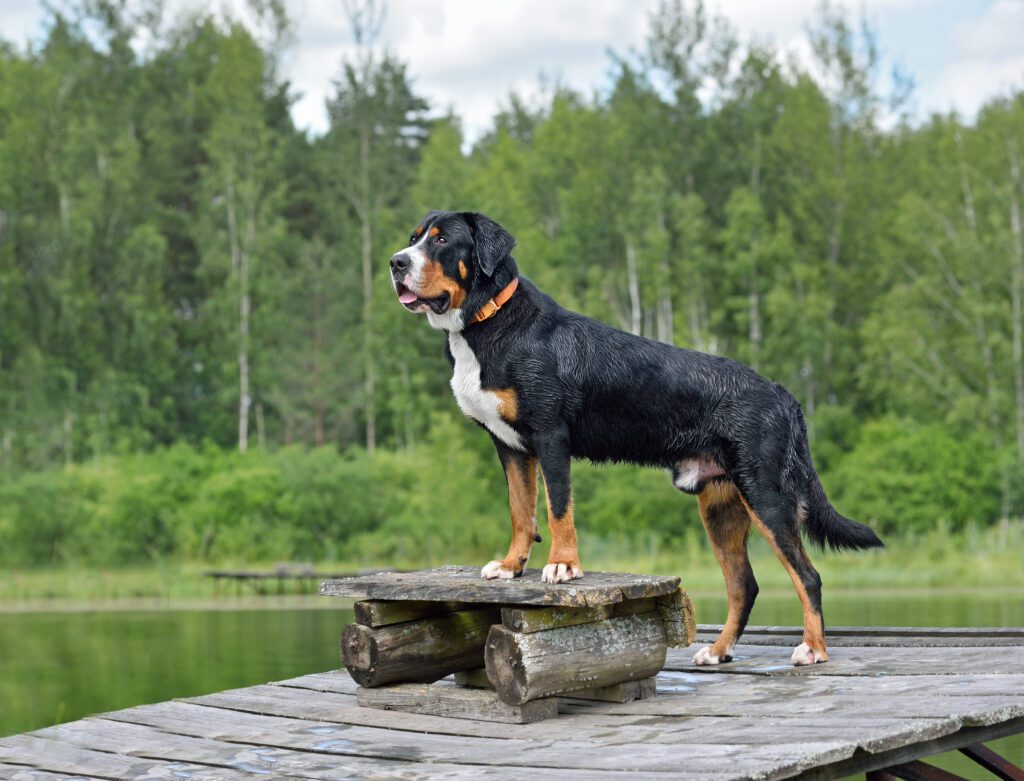
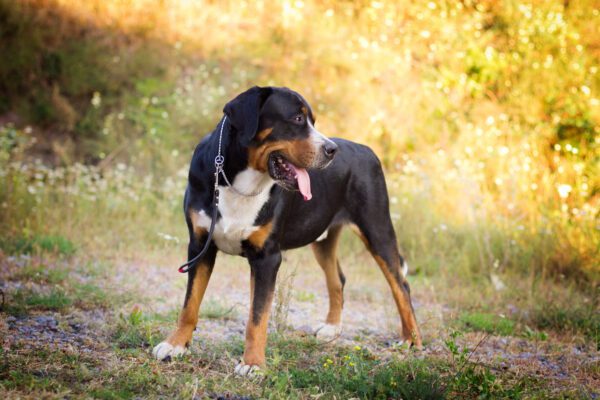
The Greater Swiss Mountain Dog is a steady, affectionate working breed. Many families love this dog’s calm confidence, loyalty, and gentle nature with children. Swissies are powerful and alert without being edgy, and they bond closely with their people. If you want a devoted companion that enjoys outdoor time and relaxed evenings at home, a Greater Swiss Mountain Dog is a rewarding choice.
The adoption process is straightforward but thoughtful. Start by researching the breed to confirm the fit for your lifestyle. Then explore shelters, all-breed rescues, and breed-specific rescues that focus on large working dogs. Most groups ask for an application, personal references, a vet check, and a meet-and-greet. Some also require a home visit. Expect careful matching to ensure the right placement for both you and the dog.
Finding a Greater Swiss Mountain Dog available for adoption can be challenging. The breed is less common, so you may see short supply, regional scarcity, and waiting lists. Persistence pays off. Browse curated adoption listings on Dog Academy. Dog Academy gathers verified postings from shelters and rescues to make it easier to find available Greater Swiss Mountain Dog dogs, then updates them so you do not lose time chasing outdated ads.
Typical adoption fees reflect the breed’s size and rarity. Expect about $300 to $600, with puppies and fully vetted adults at the higher end. Costs vary by location, medical care provided, spay or neuter status, and transport. Shelters may be on the lower side, while breed-focused rescues that include training or extensive vetting may be higher. Budget for initial supplies and a veterinary check to set your new dog up for success.
When you bring a Greater Swiss Mountain Dog home, plan for a short adjustment period. New sights and routines can make any dog feel uncertain. Keep the first week calm and predictable. Use a crate or quiet space to support rest. Most Swissies are confident yet sensitive to tone. They respond best to clear structure, consistent rules, and patient guidance. Daily exercise is important. Aim for brisk walks, purposeful hikes, and light cart work or nose games. Avoid strenuous exercise in heat.
The coat is a short, dense double coat that sheds year-round with heavier seasonal blowouts. Brush weekly and increase to several times a week during shedding spikes. Bathe as needed. Trim nails, clean ears, and brush teeth on a routine schedule. Feed a large-breed formula that supports joint health and steady growth. Split meals into 2 to 3 feedings and use a slow feeder if your dog eats fast. Allow rest after meals to reduce gastrointestinal stress, and speak with your vet about bloat prevention.
Training should start day one. The breed is intelligent, people-oriented, and sometimes strong-willed. Use reward-based training with food, toys, and praise. Keep sessions short and upbeat. Focus on leash skills, polite greetings, a solid recall, and impulse control. Early socialization builds a stable, confident adult. For step-by-step help, enroll in Dog Academy’s online and in-person training. Dog Academy offers self-paced lessons, professional coaching, and expert guidance designed for large working breeds, so you can build reliable manners without stress.
|
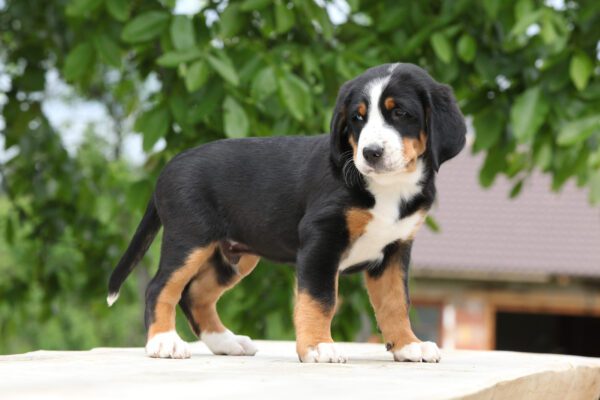
Is It a Good Idea to Adopt a Greater Swiss Mountain Dog As Your First Dog?It can be a good idea for a prepared first-time owner. The Greater Swiss Mountain Dog has moderate exercise needs and a stable temperament. The challenge is size and strength. Many adults weigh 90 to 140 pounds. That means you need good leash handling, clear rules, and early training. The breed matures slowly and can test boundaries, so patience matters. Daily mental work like obedience, scent games, and simple draft tasks keeps this working dog satisfied. Training difficulty is moderate. Swissies learn quickly with consistent, positive methods. They are not a high-energy sprinting breed, but they do need purposeful activity and time with their family. With planning and support, new owners can thrive. Dog Academy training helps you build skills step by step, from puppy basics to advanced manners, so you and your dog succeed together. |
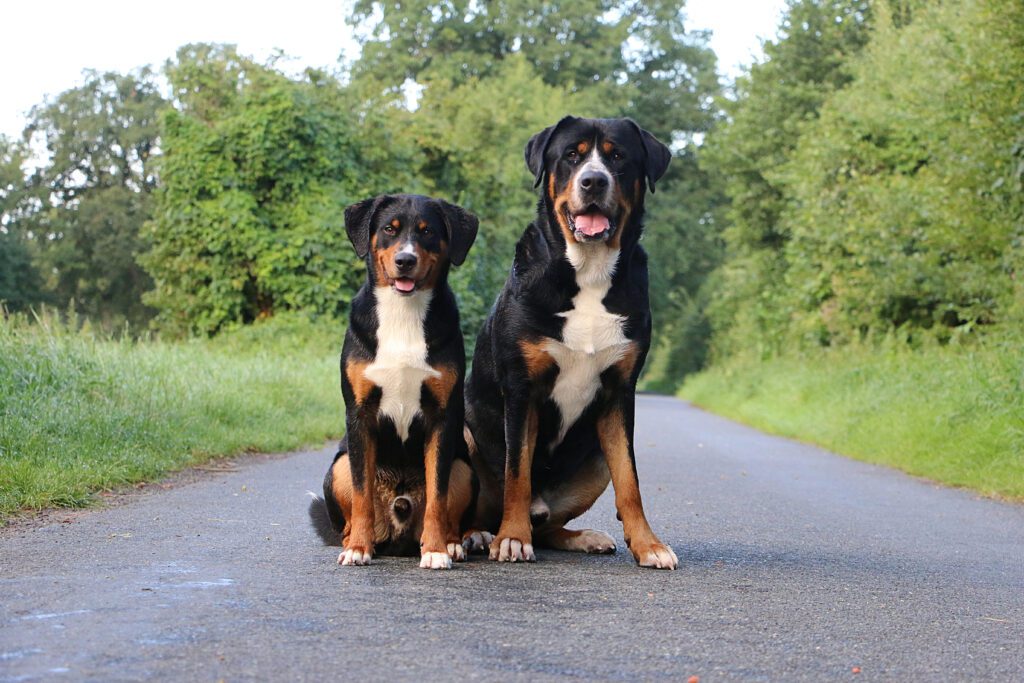
Adopt the Right Greater Swiss Mountain Dog for YouAdopting a Greater Swiss Mountain Dog is a thoughtful, rewarding choice. Research the breed, plan your routine, and be realistic about size, grooming, and training. Be patient with the search, especially if you want a puppy or a specific temperament. Preparation sets the stage for long-term success. Use Dog Academy to explore curated listings and find the right match, then continue with Dog Academy’s online and in-person training to build reliable manners and a strong bond. Dog Academy is a trusted resource for adoption guidance, self-paced learning, professional support, and expert-led programs that help you and your Swissy thrive for years to come. |
|

Introducing a new puppy to your current dog is often an exciting process, and many dogs will become fast friends and eas...
Read More
Rescue dogs can make great companions and can transform your home into something better. These dogs make great pets and ...
Read More
You should never rush to pet a dog. Even dog owners make the mistake of approaching unfamiliar dogs and petting them rig...
Read More
Puppy mill dogs are survivors who have endured extreme hardships in their lives. They have grown up in horrendous, unsan...
Read More
With their wagging tails and comforting presence, adopting a dog can add a unique touch to your life. It’s a heart...
Read More
Older dogs may have a few gray hairs around the edges, but that doesn’t mean they can’t make wonderful companions! T...
Read More