Yorkipoo: Your Complete Guide
The yorkipoo is an adorable cross between the Yorkshire terrier and the poodle. They typically only reach up to 15 inches tall, but they have a big personality and an even bigger heart for the right family. They are playful, affectionate, and courageous, and they’re also extremely devoted to their loved ones. Their coat is also considered hypoallergenic, meaning they may even be a good choice for those with fur allergies.
Yorkipoos have oodles of great qualities, though it’s important to do your due diligence and research the breed carefully. You need to ensure you can fulfil their needs properly and have the space, lifestyle, and home to accommodate them. Yorkipoos can be particularly prone to separation anxiety, so they’re also better suited to people who don’t work long hours and can spend time with them throughout the day.
To help you decide whether the yorkipoo is truly your forever companion, we’ll discuss everything you need to know about this mix below. You’ll learn about the yorkipoo’s personality, history, physical traits, care needs, and more, as well as how to train them and maintain their gorgeous coat.
Table of Contents
Quick Look at the Yorkipoo
Below is a quick glance at this special breed in terms of their physical characteristics, lifespan, temperament, and grooming needs.
| Weight/Height | 7 to 15 inches tall, weighing between 4 and 25 pounds |
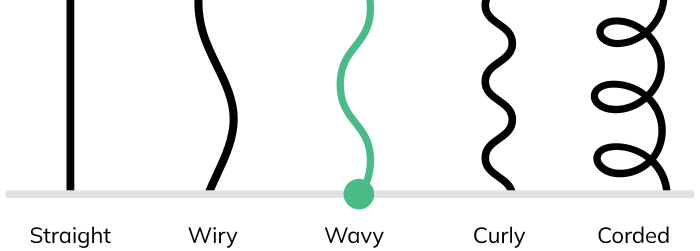
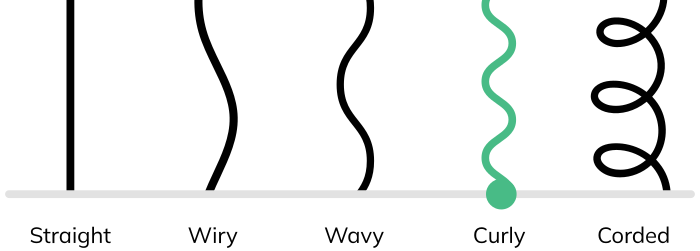
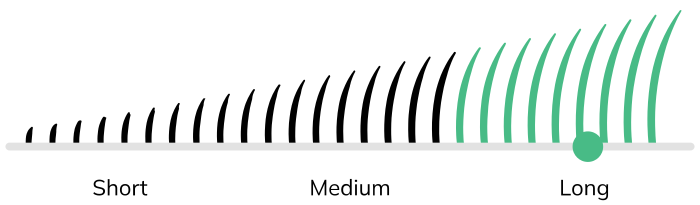
| Coat Type | Long dense coat, silky or curly in texture |
| Grooming Needs |  |
| Shedding |  |
| Temperament | Affectionate, confident, playful, loyal, and intelligent |
| Good With Kids |  |
| Good With Other Animals |  |
| Intelligence | |
| Easy to Train | |
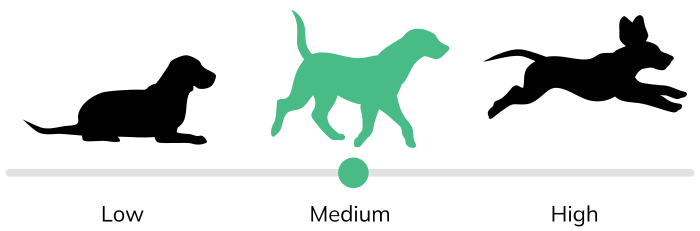
| Energy Level | |
| Barking Habits | |
| Lifespan | 11 to 15 years |
What Is the History of Yorkipoos?
The yorkipoo has existed informally for quite some time, though the intentional breeding of this mix likely began in the early 2000s. During this period, designer breeds surged in popularity, and many crossbreeds were developed.
While the exact reason why the yorkipoo was created remains a mystery, it’s possible that breeders were trying to “dial down” the Yorkshire terrier’s notorious stubbornness with the poodle’s eager-to-please nature. Another possibility is that breeders were looking to create a dog who retained the Yorkshire terrier’s distinctive traits, but had the more robust, healthier physique of the poodle.
As with virtually all designer dogs, understanding the history behind each parent breed can give us greater insight into them and what to expect in terms of their traits.
Yorkshire terriers were initially developed in the 1800s in Yorkshire and Lancashire, England. It’s thought that they descended from the dogs brought over to these areas by Scottish weavers. While Yorkshire terriers were initially put to work as vigilant vermin-catching dogs in textile factories, they later found favor among Victorian upper-class ladies, who made them their companions and used them as lapdogs. The breed was finally recognized by the American Kennel Club (AKC) in 1885.
Poodles, in comparison, can be traced back more than 400 years to 15th-century Germany. They were selectively bred to be waterfowl retrievers, capable of locating and fetching downed birds from the water for their masters. Despite their initial reputation as hunting dogs, poodles have gone on to serve many other roles over the years, including as circus performing dogs. They become especially popular in France and are recognized as the national dog of France today.
There are three official size varieties of poodle: Toy, miniature, and standard. Toy and miniature poodles are thought to have descended from standard poodles, and were likely a result of crossing the smallest poodles of different litters together. Poodles were officially welcomed into the AKC in 1887.
What Do Yorkipoos Look Like?
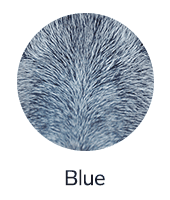
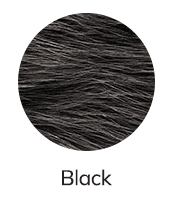
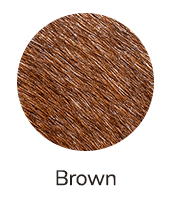
There isn’t an official breed standard for the yorkipoo because they are a mixed breed, and they can vary in appearance depending on the traits they inherit. That said, you can typically expect yorkipoos to be small dogs with athletic builds, alert expressions, and long, distinctive coats. Their fur can come in a wide range of colors, including white, silver, black, tan, blue, fawn, red, brown, and cream.

What Size Is a Yorkipoo?
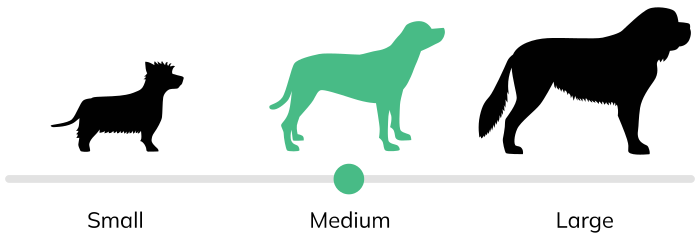
Yorkipoos are usually small dogs who stand 7 to 15 inches tall at the withers and weigh between 4 and 25 pounds. Yorkipoos that are mixed with standard poodles may be slightly larger than this by a few inches and pounds. However, it’s extremely rare to come across a yorkipoo who fits into the medium-sized category.
Other factors that can contribute to a yorkipoo’s size include their age, activity level, health, and diet. Males are also usually larger than females, but this difference often isn’t noticeable to the untrained eye.
What Is a Yorkipoos Coat Type and Length?
The yorkipoo has a long coat that can come in an array of shades. However, the exact texture of their fur will depend on which coat type they inherit from their parents.
If the yorkipoo inherits the Yorkshire terrier’s coat, the fur will be silky and straight. The poodle’s fur, in comparison, is dense, profuse, and curly. The poodle coat type can also be easily trimmed into different shapes, which has led to the creation of various unique (and captivating) “show cuts” over the years.
What Is a Yorkipoo’s Temperament?
Yorkipoos can have a wide range of personalities, but there are some common traits seen in this designer breed. You can expect them to be incredibly affectionate, playful, and confident. They’re also devoted dogs and will often follow their favorite family members from room to room.
Some yorkipoos can be stubborn, especially if they inherit the Yorkshire terrier’s feisty side. Considering this, they often fare best with owners who can maintain a consistent training routine and stay patient throughout the process.
Yorkipoos can also struggle when left alone for long periods due to their strong attachment to their humans. If you need to leave your yorkipoo alone during the day, be sure to give them interactive toys and long-lasting chews to keep them occupied. This will help to prevent boredom and also ease their anxiety.
Are Yorkipoos Good With Kids?
Yorkipoos can make excellent companions for kids. They’re gentle and affectionate little dogs, and they love to play with children. You’ll find that they can match up to your children’s endless energy with ease and will often tire each other out.
However, be aware that yorkipoos may not be the best fit for young children who play roughly. These dogs have fragile physiques and can get easily injured from boisterous play, so they should only be housed with kids who can handle them with respect and understand their boundaries.
Are Yorkipoos Good With Other Animals?
The yorkipoo can often happily live with other pets, particularly if they have been raised together. However, they do tend to retain the Yorkshire terrier’s high prey drive and may not be the best fit if you have small pets living in your home.
Still, you can always train and socialize your yorkipoo to improve their chances of getting along with other pets in your household. Yorkipoos are intelligent dogs, and they’ll often respond extremely well, provided they’re given the right guidance and support.
Are Yorkipoos Aggressive?
Yorkipoos aren’t inherently aggressive dogs. They’re generally gentle, sociable, and patient with everyone they meet. They can be a little wary around strangers at first, though this isn’t likely to lead to any aggressive behavior if they’ve been properly socialized.
Still, it’s impossible to rule out aggression entirely, as any dog can snap, growl, or lash out if their needs aren’t met. The best way to prevent aggressive behavior is to ensure your yorkipoo is given plenty of mental stimulation and training throughout the day.
It’s also worth taking your yorkipoo to a veterinarian for a health checkup. Dogs can react aggressively when they’re in pain, and a vet will be able to examine them closely to assess if there are any underlying health issues at play.
Do Yorkipoos Bark?
Yorkipoos can be pretty vocal, especially if they inherit more traits from their Yorkshire terrier parent. You can expect them to bark to alert you of strangers or anything else they deem unusual. They’ll also often bark when they’re excited, anxious, or bored.
Despite how vocal they can be, their barks aren’t particularly loud and aren’t likely to lead to noise complaints. That said, it’s still important to manage their barking with consistent boundaries and proper training to ensure it doesn’t become excessive.
Are Yorkipoo Affectionate?
Yorkipoos are affectionate and faithful companions. You can expect them to follow you around the house and want to be included in your day-to-day activities. As proud lap dogs, they’ll no doubt “lap” up all the attention given to them too.
Yorkipoos can be a little reserved around strangers if they’re anything like their Yorkshire terrier parent. However, they’ll usually bond quickly after a warm greeting.
Are Yorkipoos Intelligent?
The Yorkipoo is a highly intelligent mix; a quality they can credit to their parents, with both the poodle and Yorkshire terrier being some of the smartest canines out there. Their natural brainpower means they take to training well and can master complex commands, including advanced obedience and agility. The yorkipoo is also intuitive and can quickly pick up on when something is amiss.
Just be mindful that their high intelligence does mean they also aren’t afraid to test boundaries and question any rules in place, so you’ll want to stay consistent with their training.

Are Yorkipoos Energetic?
Yorkipoos are moderately energetic dogs who need a fair amount of exercise to stay happy and fit. Most yorkipoos require at least 45 minutes of daily exercise, split across two to three walks, with plenty of engaging playtime in between. They’ll also enjoy exercise activities and games that allow them to flex their brainpower, such as agility, fetch, and hide and seek.
Are Yorkipoos Easy to Train?
The yorkipoo is an intelligent dog who has the capacity to learn practically any complex trick or command. They can also excel at dog sports like agility. However, their trainability can vary depending on whether they’re more akin to their Yorkshire terrier parent or the poodle. While the poodle is extremely eager to please, the Yorkshire terrier can be stubborn and strong-willed at times.
Regardless of your yorkipoo’s temperament, a patient, gentle, and reward-based training approach will help them to succeed at training. You should also start their training as soon as you welcome them home. The sooner you begin, the better chance your yorkipoo has of becoming a confident, well-behaved dog who engages with others politely (both two-footers and four-footers alike).
Are Yorkipoos Good Watchdogs?
The yorkipoo can make an excellent watchdog as they’re naturally vigilant, courageous, and perceptive. They will often bark to alert their loved ones to unfamiliar people approaching the home, and they’ll also be able to pick up on any potential dangers.
Just keep in mind that the yorkipoo won’t actually deter threats, as their small, adorable appearance isn’t exactly formidable. If you do want a breed who will keep threats at bay, you’ll likely want to opt for a large dog like the Rottweiler instead.
Are Yorkipoos Good Service Dogs?
Yorkipoos are smart enough to learn complex commands, and that also extends to service dog tasks. While they may not be a good fit for strenuous tasks like balance assistance, they can perform tasks such as tactile stimulation, item retrieval, and deep pressure therapy.
However, whether or not they make an effective service dog ultimately depends on their unique temperament. Some yorkipoos may be more eager to please and work-driven, while others may be more stubborn or struggle to adapt to the intense nature of the role.
You should always assess your yorkipoo’s individual temperament carefully before considering them for service dog work. Observe how they react in public spaces and how they engage with other people and animals. You should also consider how consistent they are during training.
How to Care for a Yorkipoo?
The yorkipoo is a relatively easy dog to care for, as they’re generally hardy and even-tempered. However, their coat does require a fair bit of attention to maintain. They also need daily exercise, consistent mental stimulation, and a nutrient-rich diet to thrive. We’ll delve further into the yorkipoo’s care needs below.
Do You Need to Groom a Yorkipoo?
Yorkipoos can inherit two different coat types, though both require daily brushing to prevent tangles and mats. Use a slicker brush to tackle particularly stubborn areas, and make sure to groom them in the direction the fur naturally grows to prevent any discomfort. You should also pay extra attention to their feathered areas, as these spots often trap debris, dirt, and loose fur.
The yorkipoo should also be taken to a professional groomer every four to eight weeks. A groomer will be able to wash their coat, examine their skin for concerns like ticks, and trim their fur to keep it at a manageable, non-irritating length.
You should also keep on top of your yorkipoo’s dental hygiene by brushing their teeth daily with a dog-friendly toothpaste.

Do Yorkipoos Shed?
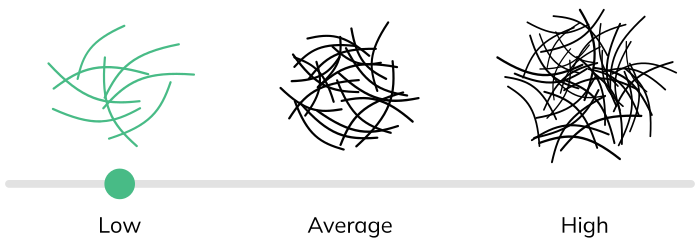
While some breeds are notorious for “sprucing” up their homes with fluff, the yorkipoo is famous for the opposite: They shed very rarely and are considered to be hypoallergenic dogs. However, we must stress that no breed is truly 100% hypoallergenic, so it’s always wise to meet a yorkipoo in person to see if your allergies can handle their fur.
What Health Problems Do Yorkipoos Have?
Yorkipoos are fairly sturdy and hardy dogs, but that doesn’t mean they escape health problems. They are susceptible to the same conditions that are present in their parent breeds. This includes conditions such as:
- Hypoglycemia (low blood sugar)
- Patellar luxation
- Liver shunts
- Legg-Perthes disease (Legg-Calvé-Perthes)
- Gastric Dilatation Volvulus (bloat)
- Hip dysplasia
- Hypoadrenocorticism (Addison’s disease)
As a responsible soon-to-be yorkipoo owner, it’s important to familiarize yourself with these health concerns and how they present. For instance, hip dysplasia often results in symptoms such as lameness and a hopping gait. The more awareness you have, the better chance you’ll have of spotting a health concern early.
Feeding your yorkipoo a nutrient-rich diet and making sure you take them to their routine vet checkups will also help them to stay healthy for years to come.
How Long Do Yorkipoos Live?
The yorkipoo’s lifespan is between 11 and 15 years on average, though some dogs can live for a lot longer than this if they avoid any serious health issues and come from good lineage. You can also help your yorkipoo experience a long, full life by giving them proper nutrition and regular exercise.
What Should a Yorkipoo Eat?
The yorkipoo should be fed a well-balanced diet that consists of at least 22% protein and a combination of healthy fats, minerals, and vitamins. A nutrient-rich diet will ensure your yorkipoo is supported both mentally and physically.
Your yorkipoo’s exact dietary needs should also be tailored to their activity level, age, and size. For instance, yorkipoo puppies often require more calcium to support their growing, developing bodies, while seniors benefit from additions like glucosamine, which help maintain their joints. It’s best to consult a veterinarian for tailored dietary guidance.
Yorkipoos mixed with standard poodles are at a greater risk of bloat. To help minimize the chances of bloat, it’s vital to spread their total caloric intake across a few meals throughout the day rather than one big meal. You should also avoid exercising them before and after mealtimes.
Is a Yorkipoo the Right Dog for Me?
The yorkipoo makes for an undeniably adorable and loving companion. They can be a great fit for first-time owners due to their affectionate temperament, low-shedding coat, and manageable size. They also get along well with kids who can respect them and handle them with care.
Although it’s easy to be won over by the yorkipoo’s endearing traits, they’re not the right fit for every family. Their potential stubbornness can be tricky to manage, particularly if you don’t have much time to train and socialize a dog. They’re also fairly energetic and benefit from a lot of exercise and mentally-enriching play throughout the day.
If you’re comfortable with the yorkipoo’s care needs, then you’ll be rewarded with a devoted friend who will give you plenty of affection (without hogging the couch!).