Wolfdog: Your Complete Guide
We all know that dogs are related to wolves, but what if you put them together? Enter the wolfdog. The wolfdog is a dog breed that’s a combination of a wolf and dog. Sounds simple, right? Unfortunately, things get complicated very fast, especially when you consider the fact that a wide variety of different dog breeds are mixed with a wide variety of wolves to create the wolfdog breed. For these reasons, the size, traits, and appearance of wolfdogs vary greatly.
You’ll also find that wolfdogs are expensive exotic breeds, making them vulnerable to abusive breeding practices. Whether you’re looking to adopt a wolfdog or purchase a wolfdog puppy from a breeder, you need to be very careful about who you purchase from. That said, if you’ve found a reliable source for a wolfdog, you’re probably curious about what living with these canines is like.
In short, wolfdogs combine wolf traits with canine traits. For example, a German shepherd or husky mixed with a wolf might result in a wolfdog that’s easier to train. However, a wolfdog that consists of genes from a Siberian husky or Alaskan malamute might be better at working tasks, like pulling sleds. Other wolfdog combinations are possible, but these are the most common breeds.
Table of Contents
Quick Look at the Wolfdog
Below is a quick glance at this special breed in terms of their physical characteristics, lifespan, temperament and grooming needs.
| Weight/Height | 35 to 150 pounds and 20 to 35 inches at the shoulder |
| Coat Type | Medium to long, straight, and an undercoat |
| Grooming Needs |  |
| Shedding |  |
| Temperament | Energetic, loyal, and protective. |
| Good With Kids | |
| Good With Other Animals | |
| Intelligence |  |
| Easy to Train | |
| Energy Level | |
| Barking Habits |  |
| Lifespan | 12-16 years |
What Is the History of Wolfdogs?
The history of wolfdogs is a long and complicated one. There’s evidence of wolfdogs being bred in Mexico thousands of years ago, but the results were always mixed. In fact, archeologists have discovered the remains of wolfdogs in tombs with buried warriors in Teotihuacan. There are also some studies that examine prehistoric dog skulls that show some signs that they may be wolfdogs, although further research needs to be done on the subject. As you can see, the history around wolfdogs is a little murky, especially when you really start to delve beyond recorded history.
Moving a little closer to our timeline, there are records of coordinated breeding in 1766. There is a record of a wolf and a Pomeranian breeding, which resulted in a litter of nine puppies. That said, this was more of a curiosity than anything, and more focused breeding efforts didn’t begin until the 1900s. In 1932, a Dutch breeder bred a German shepherd with a European wolf and then the offspring with a German shepherd. This resulted in the Saarloos wolfdog, which is recognized by the Dutch Kennel Club.
Another variation of the wolfdog came to be in the 1950s. This is the Czechoslovakian Wolfdog, which is a cross between the German shepherd and Carpathian grey wolves. Like the Saarloos wolfdog, this wolfdog breed is recognized by the American Kennel Club. Last but not least, you have the cross between a Caspian Steppe wolf and a German shepherd, which was bred to help Russians guard their borders after the fall of the Soviet Union.
That said, the modern wolfdogs that you find in America today tend to consist of a cross between a German shepherd, husky, Alaskan malamute, and a gray wolf. Of course, other variations are possible, but these are the most common breeds selected by breeders for breeding wolfdogs, catering to a market demand for a dog that looks as wolfish as possible.
What Do Wolfdogs Look Like?
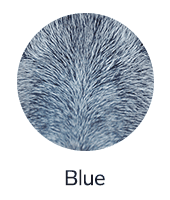
Wolfdogs tend to look like, well, wolves. They tend to have pointy ears, large snouts, and brown or black eyes. Wolfdogs also tend to be larger than your average canine, and their bodies are often muscular. Many wolfdogs also have long, straight coats that come in black, silver, white, and even some brown.
That said, it’s important to note that what a wolfdog looks like varies. For example, a wolfdog that consists of a cross between a husky and gray wolf will usually have more husky-like traits. On the other hand, wolves bred with German shepherds may have more German shepherd traits.
In fact, there’s a good chance that you can figure out what dog was used to create a wolfdog by looking at their appearance.



What Size Is a Wolfdog?
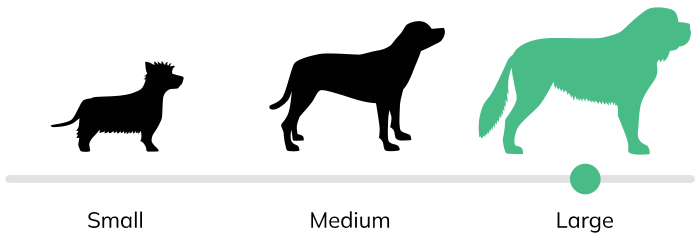
When it comes to the size of a wolfdog, you’ll find that the range is massive. You’ll come across some wolfdogs that weigh as little as 35 pounds, whereas others may weigh up to 150 pounds. Ultimately, it depends on the genes the dog inherits and the wolf and dog that are used to breed them.
When it comes to their height, you’ll also find that it varies a lot. Some wolfdogs may only reach around 20 inches at the shoulder, while others might reach around 30 to 35 inches at the shoulder. Male and female variation is also possible, with females being on the smaller side.
What Is a Wolfdog’s Coat Type and Length?
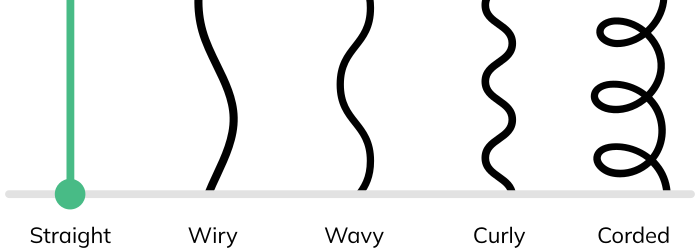
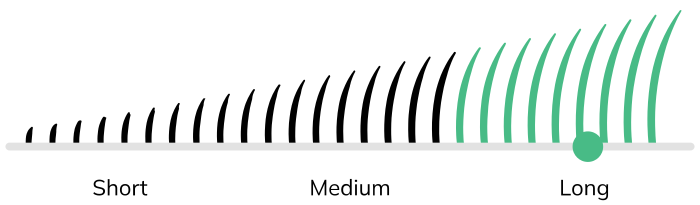
The specific coat that a wolfdog has varies based on the type of wolfdog that you’re looking at. While this may be the case, you’ll find that most wolfdogs tend to have a thick double coat that keeps them warm. The undercoat tends to be soft, and like their wolf brethren, their outer coat tends to be harsh. That said, wolfdogs tend to have medium to long straight hair. The only time you’ll find them with curly hair is if a wolf is bred with a poodle, and this tends to be rare.
What Is a Wolfdog’s Temperament?
When it comes to wolfdogs, you’ll find that their personality varies greatly. Some wolfdogs are more independent and aloof, whereas others may want to be around you more frequently. Many wolfdogs are also loyal and protective once you train them. Ultimately, it comes down to the personality traits they inherit from their wolf and dog ancestors.
When a wolfdog is the result of a wolf and a German shepherd, for example, they tend to be more trainable. On the other hand, huskies bred with wolves tend to be hardworking, yes, but they may be more aloof and require a firm handler. Wolfdogs may also care little about pleasing their human companions, so these aren’t big fluffy dogs that will want to sit around with you all day.
Last but not least, wolfdogs are crafty. In other words, there’s a good chance that they’re evaluating your home for a chance to escape or break into something they shouldn’t. Wolfdogs can also be aggressive at times, and they may have strong prey drives. Unfortunately, your average wolfdog personality varies greatly, and sometimes it can even be erratic or unpredictable.
Are Wolfdogs Good With Kids?
Wolfdogs probably aren’t the best choice if you have small children. This is due to the fact that wolfdogs can be huge, and when they play, they may harm your child. Also, wolfdogs may behave in unpredictable ways. If your toddler gets too rough with them, for example, the wolfdog may bite them
While this behavior can be problematic, some wolfdog breeds are trainable, so you may be able to avoid these personality traits. At the end of the day, just make sure you’re careful around them.
Are Wolfdogs Good With Other Animals?
Wolfdogs aren’t usually a good choice to keep around other animals, especially smaller ones. This is due to their prey drive. You’ll find that wolfdogs have some problems around smaller animals, so if you have a cat or pet hamster at home, wolfdogs probably aren’t the right fit.
That said, wolfdogs can be a good fit with some dogs. If dogs are similar in size to them and also have that pack mentality, like a husky, they might get along. Of course, you can always work on any issues with proper socialization.
Are Wolfdogs Aggressive?
Wolfdogs aren’t always aggressive, but sometimes they may lash out. If you’re being too rough with them or they feel threatened, a wolfdog may bite, growl, or scratch at someone. You’ll also find that their aggressiveness can be hard to detect because their behavior is erratic.
While this may be the case, that doesn’t mean a wolfdog can’t behave properly. In fact, with a little bit of positive reinforcement and socialization, your wolfdog can become a happy member of the family. It is highly recommended that first time wolfdog owners enlist the help of a reputable training organization to head off any potential problems. With their size and strength, they need to be under your total control for everyone’s safety.
Do Wolfdogs Bark?
Wolfdogs can certainly bark. However, you’ll find that barking isn’t exactly their preferred method of communication. Instead, wolfdogs tend to howl, growl, or make other wolf-like noises. How often a wolfdog makes these noises depends on a lot of factors. Socialization has an impact, along with the breeds used to create a wolfdog. A husky wolfdog, as an example, may communicate with you more than a wolfdog with German shepherd genes.
Are Wolfdogs Affectionate?
If you’re looking for a dog that will sit on your lap and be completely content, we have some bad news for you. This is because wolfdogs aren’t usually affectionate companions. Wolfdogs don’t really look for your approval, and sometimes they’re very independent. That said, wolfdogs may respect you and sleep near you, and every dog is different, so don’t give up on them.
Are Wolfdogs Intelligent?
Wolfdogs are some of the smartest canines on the planet. Wolves tend to be smarter than dogs (on average), and wolfdogs are a combination of smart dog breeds, like German shepherds and huskies, with wolves. The result? One intelligent dog. Wolfdogs are curious, smart enough to solve puzzles, and creative escape artists.

Are Wolfdogs Energetic?
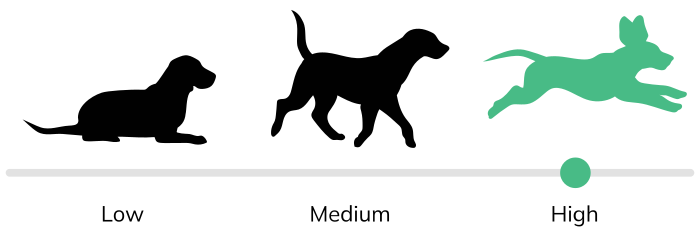
Wolfdogs don’t like to hang around and do nothing all day. You’ll find that wolfdogs have a lot of energy they need to expend. When wolfdogs don’t use their energy, they’ll become restless. For these reasons, we recommend spending at least an hour daily training, playing with, or exercising with them. Luckily, this should be enough time to tire them out.
Aside from physical stimulation, wolfdogs also need a great deal of mental stimulation. Without it, they’ll become unruly or bored, and you don’t want to be dealing with a bored wolfdog.
Are Wolfdogs Easy to Train?
We’re going to be blunt here. Training a wolfdog is an uphill battle. We know that smart dogs tend to be trainable dogs, but this isn’t always the case for a dog breed like the wolfdog. That said, wolfdogs are trainable. They’re smart enough to learn just about anything, and most wolfdogs have no problem with agility or advanced training skills.
While this may be the case, wolfdogs are independent, aloof, and pack animals. This means that you need to establish yourself as the leader of their pack if you want to accomplish anything. Positive reinforcement is still the best training method, but you may need to focus on being more firm to earn their respect.
Are Wolfdogs Good Watchdogs?
Wolfdogs are some of the best watchdogs that you can have. This is due to the fact that wolfdogs are brave, loyal, and protective. If they see a stranger approaching your property, don’t worry, because they’ll let you know. In fact, the Russian government used to use them as border guards during the 1990s, so they definitely make great watchdogs when they’re properly trained.
That said, you will have to focus on training them. If you don’t, they may be erratic and aggressive towards every stranger, and that’s not always what you want.
Are Wolfdogs Good Service Dogs?
Wolfdogs do not make good service dogs. In fact, we advise against using a wolfdog as a service dog. This is due to the fact that wolfdogs can be erratic, aggressive, and hard to train. While their large size and intelligence may make it seem like wolfdogs are a good fit for service dogs, their temperament is not always compatible.
Of course, any dog can be a service dog with the right training, so it’s not impossible – just improbable.
How to Care for a Wolfdog?
Wolfdogs can be a hassle to care for if you’re not prepared. It’s best to have a lot of property for them to roam around on, and you need to feed them a specialized diet. Wolfdogs also need mental and physical stimulation. That said, when it comes to grooming, wolfdogs can manage pretty well without any human care. After all, they’re closely related to wild wolves.
That said, you do need to keep an eye on shedding and any health problems that may arise.
Do You Need to Groom a Wolfdog?
When it comes to grooming, you don’t really have to do too much for a wolfdog. They’ll only need a bath if they’ve been rolling around in the mud and you don’t want them inside, and brushing them a few times a week is enough to keep their coat healthy.
Still, you should focus on brushing their teeth a few times weekly and check their coat for ticks, signs of infection, or hair loss. We also recommend checking their ears for signs of infection. You may also need to clip their nails if they’re not wearing down naturally, although this rarely happens.

Do Wolfdogs Shed?
Wolfdogs most definitely shed. However, they don’t shed too much throughout the year. Instead, you’ll find that wolfdogs shed a lot during the spring and fall seasons when their undercoat begins to shed. During these periods, we highly recommend brushing their coats daily to remove loose hair.

What Health Problems Do Wolfdogs Have?
There aren’t many universal health issues that impact wolfdogs. Instead, you’ll find that wolfdogs tend to inherit health problems from their ancestors. Thankfully, German shepherds, huskies, and many other breeds tend to have similar health issues, like hip and elbow dysplasia, degenerative eye diseases, and joint problems as they age. We’re not saying that all wolfdogs will have these issues, so make sure you focus on working with reputable breeders to avoid problems.
It’s also important to note that wolfdogs may have some problems due to the breeding process. Tumors, parasites from a raw diet, and other health problems may be common. The good news is that a lot of health problems that wolfdogs face can be treated if they’re caught early, and this can be done by bringing them to the veterinarian if you notice any issues.
If you find that your wolfdog is sluggish, behaving differently, or has unusual growths, it’s a good time to bring them in for an evaluation.
How Long Do Wolfdogs Live?
Wolfdogs don’t live forever, even if we wish they did. Thankfully, they live longer than most large dog breeds on average, and that boost in vitality may come from their wolf genes. On average, wolfdogs live for around 12 to 16 years. To ensure that your wolfdog remains happy and healthy, it’s important to ensure that they’re exercising and eating a healthy diet. As long as you care for them properly, a wolfdog lifespan can even exceed 16 years in some rare cases.
What Should a Wolfdog Eat?
Wolfdogs should eat a diet that’s similar to what wolves consume in the wild. Unfortunately, if you’re used to feeding your poodle a diet of kibble and some wet food, get ready to make some changes. You’ll want to feed your wolfdog a raw diet.
Choose brands that produce high-quality raw meat and focus on feeding them chicken, turkey, and beef. Wolfdogs also need some fiber, so don’t forget to feed them some raw fruits and vegetables.
Is a Wolfdog the Right Dog for Me?
Whether or not a wolfdog is right for you is actually simple to figure out. If you don’t have about a half acre of property, an eight-foot fence, and several hours daily to train and play with them, a wolfdog probably isn’t a good choice for you. Wolfdogs also aren’t a good choice if you have other animals or small children. You may also struggle to use them for service dog work, but they do make good watchdogs and working dogs.
Now, a wolfdog can be a good choice for you if you have a lot of land and you need a dog to watch over that land. Wolfdogs can also protect livestock and your family, and there are some smaller wolfdogs out there that are more manageable. At the end of the day, while a wolf and dog hybrid might sound awesome, the result is often a lot of work, maintenance, and patience.