White Swiss Shepherd Dog: Your Complete Guide
The white Swiss shepherd dog has a stunning, pure white coat, a strong build, and a kind, intelligent face. They look like a majestic wolf, but with a much softer personality. They are loyal, gentle, and highly trainable. This makes them excellent companions for an active home.
White Swiss shepherd dogs are directly descended from German shepherds. They come from the white-coated dogs that occasionally appeared in German shepherd litters for over a century. Over time, this white coloring came to be considered a flaw in the breed standard.
Continue reading to learn how these dogs went from being disqualified to becoming a beloved breed. This guide also covers the most common questions about the white Swiss shepherd’s personality, appearance, care, training, and health.
Table of Contents
Quick Look at the White Swiss Shepherd Dog
The table below shows details about the White Swiss Shepherd, including size, coat type, and ratings for traits like energy, intelligence, and friendliness.
| Weight/Height | 48-97 pounds / 22-26 inches |
| Coat Type | Straight, dense, close-lying double coat |
| Grooming Needs |  |
| Shedding | |
| Temperament | Intelligent, affectionate, attentive, lively, sociable |
| Good With Kids |  |
| Good With Other Animals |  |
| Intelligence | |
| Easy to Train | |
| Energy Level | |
| Barking Habits | |
| Lifespan | 10-14 years |
What Is the History of White Swiss Shepherd Dogs?
The history of the white Swiss shepherd is closely tied to the German shepherd. When shepherds were first developed in Germany in the late 1800s, white was a common and accepted color among the founding dogs. The white-colored puppies born from these pairings were also considered a standard part of the breed and shown alongside their tan and black siblings.
This inclusion ended abruptly in the 1930s. German kennel clubs revised the breed standard and declared the white coat a disqualifying fault. White dogs were banned from the show ring and systematically excluded from registered breeding programs. This move nearly erased the white shepherd from existence.
The breed’s survival is owed to dedicated breeders overseas. Enthusiasts in North America refused to let the line die out. They continued breeding these white dogs carefully to preserve the white bloodlines. Then, in 1966, an American-born white shepherd named Lobo was sent to Switzerland.
Swiss breeders saw great potential in Lobo and other dogs like him. They began a dedicated breeding program focused on the dogs’ gentle temperament and intelligence. Their efforts led the Swiss Kennel Club to officially recognize the white Swiss shepherd dog as its own distinct breed in 1991.
This recognition saved the once-rejected white shepherd and established it as the elegant and loyal companion we know today.
What Do White Swiss Shepherd Dogs Look Like?

You can recognize a white Swiss shepherd instantly by their striking all-white coat. They share the strong, athletic build of a German shepherd, with a proud head, dark eyes and nose, alert ears, and a bushy tail.
Their coat is their most noticeable feature. It is always a solid white, though you might see a slight cream or ivory tone in some dogs, especially as puppies. The fur is double-coated and straight, giving them an elegant appearance. They look ready for a winter day, even in summer.
What Size Is a White Swiss Shepherd Dog?
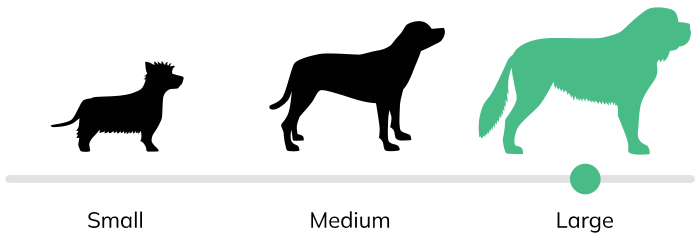
A white Swiss shepherd is a medium-to-large breed. They are the type of dog that would be hard to move if they decided to hog the couch.
Most of them stand about 22 to 26 inches tall at the shoulder and weigh somewhere between 48 and 97 pounds. Although they aren’t too huge, they are still big enough to turn heads outdoors yet fit comfortably in a family home.
What Is a White Swiss Shepherd Dog’s Coat Type and Length?



This breed’s striking white fur comes in two lengths: medium and long. Both have a double-layered coat, with a soft, dense undercoat for warmth and a smooth topcoat that lies close to the body. The fur is mostly straight, though you might notice a slight wave in the longer hair around the neck and tail.
Beneath their white fur, they have darkly pigmented skin, either black or gray. This dark skin is a natural form of sun protection.
What Is a White Swiss Shepherd Dog’s Temperament?
A white Swiss shepherd is a family dog. Their most notable trait is a deep, quiet loyalty. They usually choose one person as their favorite in the household.
They’re also pretty smart and pick up on training quickly if you’re consistent. Activities like obedience training, agility courses, or even advanced tricks are great for them.
Households that are active and engaged will find a perfect partner in this breed. They match the energy of a morning run, the focus of a training session, and the calm of a family evening.
Are White Swiss Shepherd Dogs Good With Kids?
White Swiss shepherd dogs are usually great with kids. They’re patient and gentle, and don’t mind the noise and activity of a busy family. They’ll even follow your kids around at home and outside, just to keep an eye on them.
However, their large size and energy are something to consider. A full-grown dog can be over two feet tall and weigh up to 90 pounds. They can accidentally knock a toddler over or bump into things when they are excited.
For these reasons, you have to supervise playtime between the dog and young children. Teaching kids to be calm and training your dog to be gentle can help prevent any accidents and keep everyone safe.
Are White Swiss Shepherd Dogs Good With Other Animals?
White Swiss shepherds have a mixed temperament with other animals. They usually get along well with dogs they’ve grown up with, but can be wary of new dogs.
The bigger challenge is with smaller animals. Their strong herding instinct can make them chase cats, rabbits, or guinea pigs, and when they do, it doesn’t usually come across as friendly.
Are White Swiss Shepherd Dogs Aggressive?
Most white Swiss shepherds are not aggressive dogs. They are known for being gentle, patient, and very loyal to their family.
However, any dog can develop problem behaviors without proper training. A white Swiss shepherd that isn’t socialized might become overly protective of their home or possessive of their food. If they aren’t trained to manage their reactivity, they might bark excessively at strangers or other dogs out of fear or uncertainty.
These behaviors are not a fixed part of their personality. Consistent training and positive socialization from a young age can effectively prevent or correct these issues. A well-raised white Swiss shepherd can be a wonderfully reliable and non-aggressive companion.
Do White Swiss Shepherd Dogs Bark?
Yes, these dogs are known to be yappy. Leave them alone at the house or without enough to do, and they’ll tell the neighbors all about it. A passing dog, squirrel in the yard, or even a visitor at the door can also set off a whole chorus.
They have a loud, clear bark that can sometimes sound sharp or high-pitched when they’re really excited or alarmed. This makes them a difficult choice for apartment living or any neighborhood with noise rules. If the barking becomes excessive, scolding them is not the answer. It usually makes them more anxious, and they may bark even more out of stress.
The real solution is to keep them busy and tired. Plenty of daily exercise and playtime helps a lot. You can also use patient, positive training to teach them a “quiet” command, so they stop barking on cue.
Are White Swiss Shepherd Dogs Affectionate?
White Swiss shepherd dogs are very affectionate with their families. They love to be petted and will often lean against you or rest their head on your lap. However, they are not usually lapdogs. They are a bit too big for that, and they know it.
These dogs don’t greet strangers with immediate excitement. You won’t see them jumping for attention or wagging their tail for someone they don’t know. Sudden movements or loud voices from strangers can make them even more reserved.
As an owner, you don’t need to force them into interactions. Let them approach on their own, and maybe reward calm behavior with a quiet word or a small treat.
Are White Swiss Shepherd Dogs Intelligent?

Yes, a white Swiss shepherd is highly intelligent, and you can see it in the way they read a room. They watch people closely, pick up on routines, and adjust their behavior without being told.
If you’re feeling stressed, they often settle nearby. If something unfamiliar happens, they pause, observe, and decide how to respond. This shows how sharp, thoughtful, and observant they are.
These dogs are also capable of learning obedience commands and excel at activities that challenge them. You can expect them to think situations through, retain what they’ve learned, and use that knowledge to navigate challenges with ease.
Are White Swiss Shepherd Dogs Energetic?
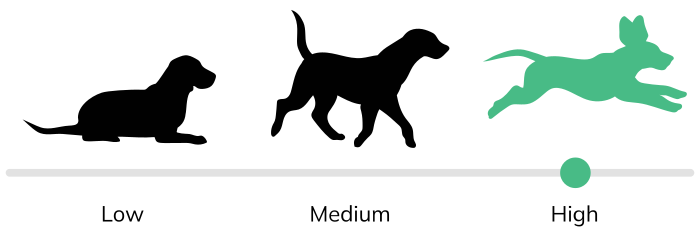
Yes, white Swiss shepherd dogs have loads of energy. They can finish an hour-long hike and still be ready to chase a tennis ball. If they only get a short walk each day, that energy will build up and come out as chewing, digging, barking, or pacing anxiously.
That’s why they do best with owners who have an active lifestyle. A home with a big, secure yard for running, or an owner who loves long runs or hikes, is ideal. If you can provide that kind of active lifestyle, you’ll have an incredibly loyal and energetic best friend. If not, you’ll both end up frustrated.
Are White Swiss Shepherd Dogs Easy to Train?
Training a white Swiss shepherd can go two ways. In the right hands, they can learn complex tricks, excel at agility, and pick up routines quickly. However, that same intelligence can make training feel like a bit of a negotiation.
They are herding dogs, built to think for themselves. Repetitive, boring drills is not the way they learn. Owners who know how to train a herding dog channel their potential by providing consistent mental enrichment. This approach transforms their natural independence into a powerful focus and deepens the bond between owner and dog.
Are White Swiss Shepherd Dogs Good Watchdogs?
As a herding breed, white Swiss shepherds are natural watchdogs. They are incredibly alert and always aware of activity around their home. You can count on them to announce visitors or unusual sounds with a confident bark.
It’s important to note that this breed is vigilant, and not aggressive. You can expect them to be a reliable alarm system, but not an attack dog. They are great watchdogs for families or individuals seeking alert companionship only.
Are White Swiss Shepherd Dogs Good Service Dogs?
This breed should not be used for psychiatric service work. They are emotionally sensitive and often reflect their handler’s state. If the handler feels anxious, the dog will likely become anxious too, which can be mistaken for an alert. This makes them a poor choice for such a demanding role.
However, they can be brilliant service dogs for other tasks, including guiding individuals with visual impairments, providing mobility support, and issuing medical alerts. Their intelligence, steady focus, and physical strength are significant assets in these roles.
How to Care for a White Swiss Shepherd Dog
From providing plenty of exercise and mental challenges to maintaining grooming and proper nutrition, caring for a white Swiss shepherd requires a dedicated routine.
Start by building a daily schedule that includes at least an hour of active play or exercise, such as running, hiking, or an agility game. This burns off their high energy and keeps them mentally satisfied.
Next, establish a grooming routine of brushing their coat several times a week to prevent mats and manage shedding.
Finally, provide a high-quality diet with proper nutrition to fuel their active lifestyle.
Do You Need to Groom a White Swiss Shepherd Dog?

Yes, get ready to brush a lot. This breed has a thick double coat that sheds heavily, especially during seasonal changes. You will need to brush them several times a week to prevent painful mats and keep their fur from taking over your house.
A groomer can do a deep clean, a thorough de-shedding treatment, and a neat trim that’s hard to do at home. Some dogs get nervous or scared at a grooming salon. You can help by teaching your dog to enjoy the grooming sessions and stay calm throughout.
Do White Swiss Shepherd Dogs Shed?

These dogs shed significantly year-round due to their dense double coat. The shedding intensifies twice a year during coat blow seasons, where they lose their undercoat in large, noticeable clumps. You should regularly vacuum your home and brush your dog at least a few times a week to keep shedding under control.
What Health Problems Do White Swiss Shepherd Dogs Have?
This breed’s health issues are generally related to their joints, nerves, heart, skin, or digestion.
The most common concerns are joint problems, such as hip and elbow dysplasia. They are also at risk for degenerative myelopathy, a neurological disease of the spinal cord that affects mobility. Some can inherit specific heart conditions or develop skin and food allergies that may appear at different stages of life.
You can help prevent and manage these problems with good daily care. Make sure your dog receives all their core vaccines and stays on a regular schedule for veterinary check-ups and parasite prevention.
Feed them a high-quality diet to support healthy skin and joints, and keep them at a lean weight. Regular exercise is also important for maintaining muscle strength and supporting long-term health.
How Long Do White Swiss Shepherd Dogs Live?
Compared to other dogs of similar size, white Swiss shepherds live between 12 and 14 years. That time takes you from teaching an energetic puppy its first commands to enjoying the calm companionship of a wise senior by the fireplace. You’ll get more than a decade of long walks, shared routines, and loyal companionship that grows deeper with each year.
What Should a White Swiss Shepherd Dog Eat?
A white Swiss shepherd’s nutritional needs change over a lifetime. As a puppy, they need a large-breed formula to support steady, healthy growth and protect their developing joints. An active adult requires a high-protein diet to fuel their energy and maintain strong muscles.
As they enter their golden years, their diet should shift to a senior-specific formula. It should be easier to digest, support aging joints, and have adjusted calories to help them stay at a healthy, lean weight.
Establish a proper feeding routine to aid digestion and prevent bloat. White Swiss shepherds can be prone to food allergies and sensitive digestion. If you notice itchy skin, ear infections, or stomach upset, work with your vet to identify potential triggers and provide a specialized diet.
Is a White Swiss Shepherd Dog the Right Dog for Me?
The white Swiss shepherd is a breathtakingly beautiful dog with an athletic build and an elegant white coat.
However, their looks come with a serious to-do list. They require vigorous daily exercise, consistent mental challenges, and regular grooming to manage their heavy shedding. Their sensitive, loyal nature also demands a calm, positive home with dedicated training and socialization.
This breed is the perfect match for an active, patient owner who enjoys outdoor adventures and has the time for structured training and daily brushing. They can be a perfect companion for daily runs, occasional hikes, and quiet evenings. If you can provide this committed, active lifestyle, a white Swiss shepherd is the right dog for you.