Toy Poodle: Your Complete Guide
Standing no more than ten inches tall, the toy poodle is one of the smallest dog breeds of the canine realm. However, don’t let their snug physique mislead you: This adorable bundle of fluff has a larger-than-life heart and a mighty personality to match! They’re confident, playful, and affectionate. They love being around their favorite humans, though they’ll even see a friend in a stranger, particularly if play is involved.
The toy poodle can be a great fit for first-time owners. However, their small size does bring with it some challenges to be mindful of. They are fragile and prone to physical injuries, so they’ll need a family who can closely monitor them and ensure roughhousing is kept to a minimum.
If the toy poodle sounds like your dream companion, we’ll help you determine whether that dream should turn into reality. Below, we’ll take a close look at the toy poodle and cover all you need to know about the breed, from their (irresistibly adorable) physical traits to their temperament and care needs.
Table of Contents
Quick Look at the Toy Poodle
Below is a quick glance at this special breed in terms of their physical characteristics, lifespan, temperament, and grooming needs.
| Weight/Height | Up to 10 inches tall, 4 and 6 pounds |
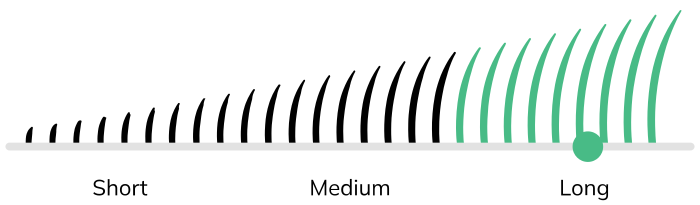
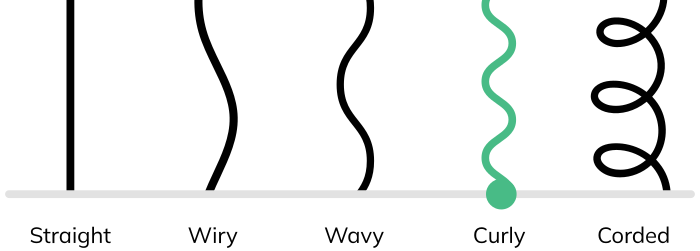
| Coat Type | Curly and long |
| Grooming Needs |  |
| Shedding |  |
| Temperament | Intelligent, confident, affectionate, and spritely |
| Good With Kids | |
| Good With Other Animals |  |
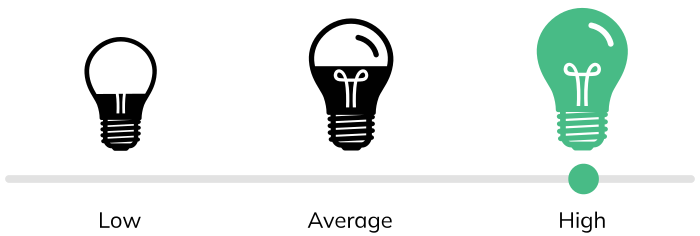
| Intelligence | |
| Easy to Train | |
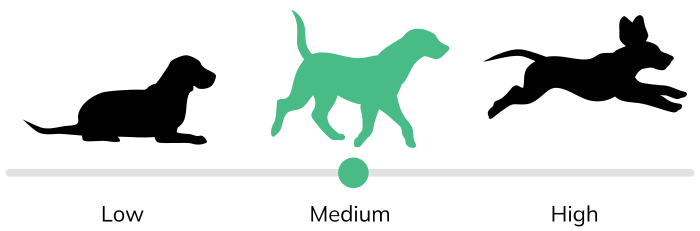
| Energy Level |  |
| Barking Habits | |
| Lifespan | 10 to 18 years |
What Is the History of Toy Poodles?
The toy poodle is the smallest size variant of all the poodle dogs. While they may have a reputation for being a stellar show dog — no doubt owing this to their luscious locks — their origins tell quite a different story.
Poodles were initially developed in 15th-century Germany to be waterfowl retrievers. They were selectively bred to find downed birds from the water and bring them safely back to their masters. Many of the traits that are hallmarks of the breed today, including their intelligence, water-resistant coats, and agile physiques, are what allowed them to thrive in this role.
However, it was in 18th-century France where they truly found their footing as versatile companions, and the toy poodle size variant took shape (or we should say “lost” shape!). The French quickly fell in love with the poodle’s endearing qualities and made use of them for all different purposes. They served as truffle hunters, the companions of French aristocracy, and even as performing circus dogs.
Over the years in France, and to better serve their newfound status as versatile companion dogs, they were bred down to miniature, and eventually, their toy size variant came along. Toy poodles were particularly popular in circuses, as their small size made it easier to travel with them.
Toy poodles, along with the standard and miniature poodle varieties, were recognized as an official size variant by the American Kennel Club (AKC) in 1887. Today, they aren’t just one of the most popular breeds in France; they’ve also captured the hearts of pet lovers all across the world.
What Do Toy Poodles Look Like?
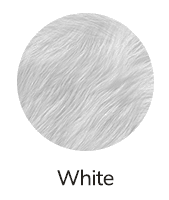
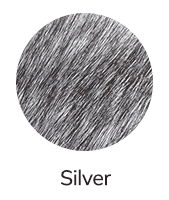
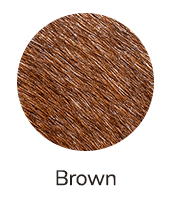
The toy poodle resembles a standard poodle, with the only distinguishing difference being their smaller, more compact frame. They have an alert yet friendly expression, agile build, and a distinctive thick, curly coat. Their fur comes in various colors, including apricot, cream, black, brown, silver, and blue.

What Size Is a Toy Poodle?
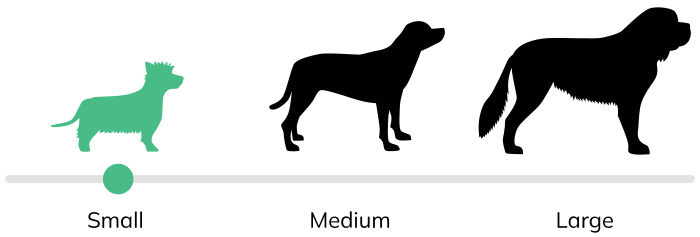
As their moniker rather aptly suggests, the toy poodle is one of the smallest pups around. They stand no more than ten inches tall at the withers and weigh between four and six pounds. The toy poodle’s exact size can vary depending on their genetics, lifestyle, and health, and males are often larger than females by an inch or two.
The toy poodle’s size makes them ideal for apartment living and easy to manage. However, it does mean they’re prone to physical injuries. You should block off staircases and invest in ramps for furniture to ensure they can navigate the home safely without falling and hurting themselves. You should also avoid walking trails with steep, uneven areas.
What Is a Toy Poodle’s Coat Type and Length?
The toy poodle’s coat is by far their most distinctive (and adorable) physical feature. Their coat is extremely dense and profuse, which gives them a “fluffball-like” look, and consists of long, thick curls. Their fur can be readily styled and trimmed into all different shapes and patterns.
The toy poodle’s coat isn’t just ideal for the eye; it’s also practical and helps to protect them from the elements. Their coat is also considered to be hypoallergenic, meaning it sheds very minimally and can be a suitable option for those with fur sensitivities (more on this shortly).
What Is a Toy Poodle’s Temperament?
While every toy poodle’s personality will be unique in their own way, there are some common traits and quirks among them, in line with the breed standard. You can expect the toy poodle to be an incredibly affectionate, even-tempered, and lively dog who truly makes you question the “toy” element of their moniker. They’re also gentle and adaptable, and quickly see a friend in everyone.
While the toy poodle is resilient, they are a people dog and often experience separation anxiety when left alone for long periods. They’re happiest when they can be by their owner’s side. It’s important to only consider this breed if you don’t work long hours and can give them lots of attention throughout the day.
Are Toy Poodles Good With Kids?
Toy poodles are incredibly nurturing, even-tempered, and patient — all traits that allow them to get along wonderfully with kids. They also love to play and will happily join in on any games, especially activities like frisbee that tap into their retrieval roots.
Although they can get along well with kids of all ages, they should only ever be housed with children who can handle them with care and caution. As we’ve addressed above, their fragile physiques mean roughhousing can result in accidents.
Are Toy Poodles Good With Other Animals?
The toy poodle is a gentle dog at heart and can get along well with other animals. However, as they were initially developed to retrieve waterfowl, they can have a prey drive and may chase after small animals like birds and hamsters.
Fortunately, they aren’t ever likely to cause any significant harm, and their high trainability means they can quickly learn to behave around other pets.
Toy poodles are great with dogs, too, particularly those that are similar in size and temperament. If you’re looking to house a toy poodle with a large breed, make sure to supervise their interactions carefully to ensure they play together gently.
Are Toy Poodles Aggressive?
Toy poodles aren’t naturally aggressive, nor are they particularly prone to resource guarding or territorial behaviors. They have a happy-go-lucky attitude and are generally very friendly with everyone they meet.
That said, any dog has the potential for aggression if their needs aren’t properly met or they lack socialization. Socialization should especially be prioritized during puppyhood, when the toy poodle is still highly impressionable and making sense of the world around them.
Do Toy Poodles Bark?
While some breeds are infamous for being vocal — shout out to the Siberian husky — the toy poodle isn’t among them. They’re relatively quiet and typically only bark when they’re excited or to alert their owner to something that’s piqued their attention. This can make them a great fit for apartments, as long as they’re taken out frequently for exercise and potty breaks.
Even if your toy poodle does love the sound of their own voice a bit too much, their barks aren’t particularly loud and likely won’t lead to noise complaints. Plus, teacup poodles are generally easy to train, so excessive barking habits can usually be nipped in the bud quickly.
Are Toy Poodles Affectionate?
It’s impossible not to set eyes on a toy poodle without wanting to scoop them up and give them a big cuddle… And fortunately for us, they’ll be more than welcoming of this! They’re incredibly affectionate dogs who will never get bored of snuggles, belly rubs, and scratches behind the ears. They’ll soak up all the attention and reciprocate with plenty of licks and tail wags.
Toy poodles approach strangers with a similar attitude. Even though they may be a little reserved at first, they warm up extremely quickly and will be begging for pats in no time.
Are Toy Poodles Intelligent?
Toy poodles may be small, but they’re packed full of brainpower. They rank as some of the most intelligent dogs in the world. They learn remarkably quickly and often amaze their owners at their intuitiveness (sometimes, they even outsmart them!).
However, the toy poodle’s sharp mind is a double-edged sword. While it means they learn quickly, they do require a lot of mental stimulation to prevent them from getting bored. Regular training sessions, interactive play, and puzzle toys are a must to keep this pup engaged and content.
Are Toy Poodles Energetic?
The toy poodle may look like a lap dog, and while they do enjoy a good cuddle, they are a bundle of energy at heart. They need at least 45 minutes of exercise each day to stay fit and happy, ideally split across two separate walks. They’ll also enjoy activities that allow them to engage in their retrieval instincts, like fetch and frisbee, as well as interactive water games and swims.
Are Toy Poodles Easy to Train?
Toy poodles are loyal, intelligent, and love to please their families. These traits allow them to excel at training. They can pick up advanced commands effortlessly and will enjoy every second of the training process too. They even excel at obedience and competitive dog sports like agility and flyball, provided the equipment is size-appropriate.
Are Toy Poodles Good Watchdogs?
Toy poodles aren’t the best watchdogs. They are alert and will often bark if they detect something amiss. However, they are generally friendly dogs and are more likely to approach intruders with tail wags rather than growls. Their small, fluffball-like appearance also isn’t exactly likely to scare off threats.
Are Toy Poodles Good Service Dogs?
Service dog work requires an even, eager-to-please temperament, impeccable obedience, and a resilient attitude. Toy poodles meet all this and more, so it’s no surprise that they can make excellent service dogs. In fact, poodles are one of the most commonly used breeds for service work today.
However, the toy poodle’s small size does need to be accounted for. They aren’t equipped to handle physical tasks like wheelchair pushing or balance assistance. For those with mobility issues, a larger, more robust breed may be better suited to their needs.
How to Care for a Toy Poodle?
If you welcome a toy poodle into your home, you’ll need to take every measure possible to ensure they can have their needs met and lead a happy life. Toy poodles require a protein-rich, balanced diet that accommodates their energy and size. They also need daily walks, regular grooming, and plenty of playtime and training to keep their brains mentally fit.
On top of this, you also need to ensure your toy poodle is up to date on all their vaccinations and is taken to regular vet checkups.
Do You Need to Groom a Toy Poodle?
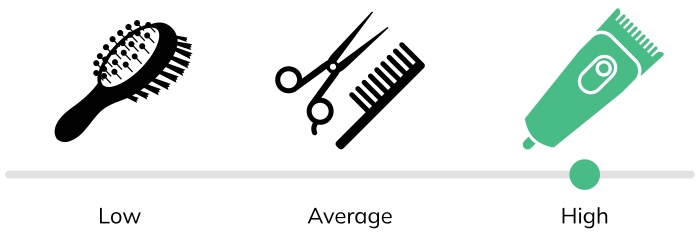
The toy poodle’s coat may be their best (and most adorable) feature, but it does require a lot of upkeep to maintain. The natural, curled shape of the fur means it can easily become matted and tangled.
As a responsible owner, you need to make sure you groom your toy poodle with the appropriate tools at least three times a week. You should use a slicker brush to ease out tough mats and brush in the direction their fur naturally grows to prevent irritation.
Toy poodles should also be taken to a professional groomer every six to eight weeks for a cut. The groomer will also check for signs of skin concerns and assist with ear cleaning, coat washing, and nail trimming.
Do Toy Poodles Shed?
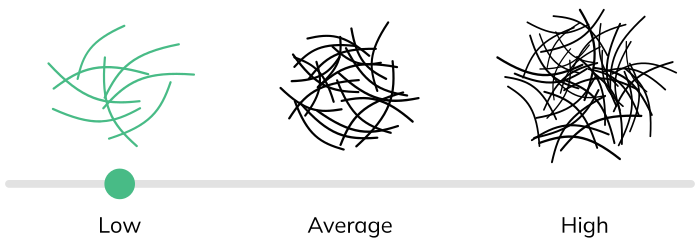
Fortunately for our clothes and carpets, the toy poodle’s coat isn’t prone to shedding. They shed very minimally throughout the year, and even when they do shed, their coat tends to naturally trap the fur and dander.
This means the toy poodle may be a good choice for people with fur allergies. However, no breed is truly hypoallergenic, so we advise spending time with this pup in person to see if you react before you look to officially adopt one.
What Health Problems Do Toy Poodles Have?
Toy poodles are relatively healthy overall, though they are prone to certain health issues. This includes hip dysplasia, luxating patellas, progressive retinal atrophy (PRA), and Legg-Calve-Perthes disease.
The toy poodle’s small size also puts them at a greater risk of physical injuries, heat stroke, and hypoglycemia (low blood sugar) — all of which will need to be managed with lifestyle changes accordingly. For instance, they should be fed small but frequent meals throughout the day to regulate their blood sugar levels, and not exercised during the hottest times in the summer.
How Long Do Toy Poodles Live?
The toy poodle’s lifespan is around 10 to 18 years, meaning they have the potential to lead a very long and happy life by your side! To help give your toy poodle the best chance of this, it’s crucial to take them to their routine vet appointments, feed them a high-quality diet, and exercise them every day.
What Should a Toy Poodle Eat?
The toy poodle should be fed a dog food that is specifically formulated for their size, age, and energy level. The food should meet AAFCO standards and offer a high-quality protein source, as well as all the essential vitamins and nutrients. You should also follow the recommended feeding guidelines on the dog food’s packaging to ensure you don’t accidentally overfeed your pup.
Toy poodles can struggle to bite large, dried kibble pieces due to their small mouths. It’s important to check that the consistency, texture, and size of the dog food allow for ease of chewing and digestion before you commit to buying in bulk.
Is a Toy Poodle the Right Dog for Me?
The toy poodle’s personality can suit an array of people and families, provided their needs are met. They’re a particularly ideal fit for those after a pup who will be happy to cuddle and play throughout the day. The toy poodle’s hypoallergenic coat means they may be suitable for those who have fur sensitivities as well.
When considering whether to adopt a toy poodle, take the time to assess whether their traits align closely with your home and lifestyle. You must be able to exercise them for at least 45 minutes each day. You also need to be prepared to maintain a regular grooming routine and invest in their health and diet.
If you can give the toy poodle the perfect home, you’ll be rewarded with a truly pawfect friend who will transform even the dullest days into fun adventures!