Tibetan Terrier: Your Complete Guide
If there’s a dog breed that melts hearts on sight, it’s the Tibetan terrier. Their expressive eyes, shaggy long coat, and goofy, happy energy just make them almost impossible not to adore. You’ll laugh at their silly, helpful nature, and treasure the adorable chaos they bring to everyday life.
Tibetan terriers are small to medium-sized, squarely proportioned dogs that have been part of life in the Tibetan mountains for centuries. Despite their name, Tibetan terriers aren’t true terriers. They were originally bred to be loyal companions, herders, and alert watchdogs for monasteries and villages. Over time, their gentle, intelligent nature and calm demeanor earned them a place as “holy dogs of Tibet.”
Continue reading to learn about the Tibetan terrier personality, appearance, and everyday needs. We’ll cover their temperament, activity level, and lifespan so you know exactly what to expect from this lovable breed.
Table of Contents
Quick Look at the Tibetan Terrier
The table below summarizes the Tibetan terrier’s size, temperament, energy level, and lifespan.
| Weight/Height | 18-30 pounds 14-16 inches |
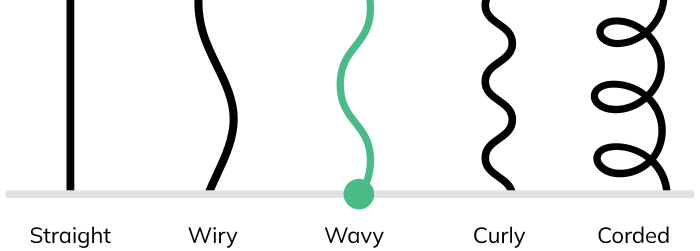
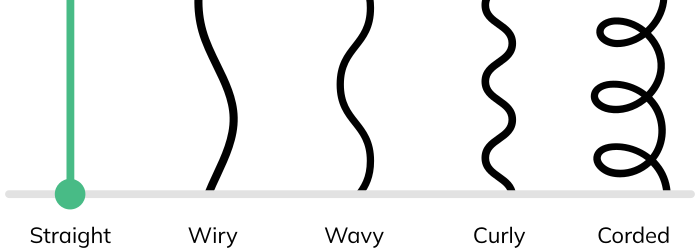
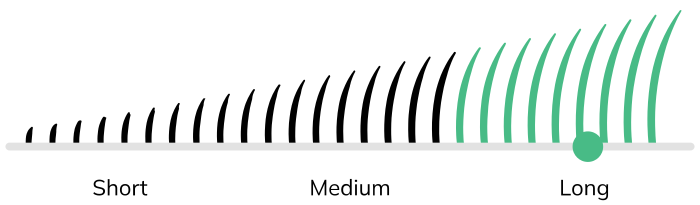
| Coat Type | Long, dense, and shaggy coat |
| Grooming Needs |  |
| Shedding |  |
| Temperament | Amiable, affectionate, sensitive, gentle, adaptable |
| Good With Kids |  |
| Good With Other Animals | |
| Intelligence |  |
| Easy to Train | |
| Energy Level | |
| Barking Habits | |
| Lifespan | 12-15 years |
What Is the History of Tibetan Terriers?
Tibetan terriers may look like playful little companions today, but their history stretches back over 2,000 years in the high mountains of Tibet. These dogs were treasured by monks and villagers alike for their intelligence, gentle nature, and affectionate personalities. They were also considered lucky charms and were often gifted to bring happiness, protection, and good fortune.
The breed remained largely unknown outside Tibet until the 20th century, when a monk gifted Dr. Agnes R.H. Greig, an English surgeon, the first Tibetan terrier. Shortly after, Dr. Greig acquired a second Tibetan terrier and returned to England. She then began a breeding program that introduced these clever, shaggy pups to the Western world.
The first Tibetan terrier was imported to the United States in 1956 by Dr. Henry and Mrs. Alice Murphy from Dr. Greig’s kennel. The breed was officially recognized by the American Kennel Club (AKC) in 1973. Today, Tibetan terriers are celebrated worldwide for their playful and loyal nature. They are also admired for their long history as little helpers and beloved companions in one of the world’s most rugged regions.
What Do Tibetan Terriers Look Like?
Tibetan terriers are small to medium-sized dogs with a sturdy, well-balanced build. One of their most distinctive features is a thick double coat that can be long, soft, and either wavy or straight. A fringe of hair often falls over their eyes and adds to their charming, mischievous expression.
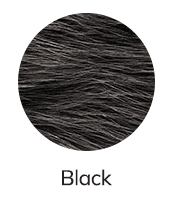
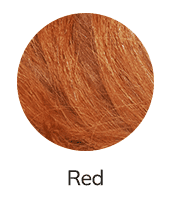
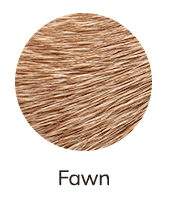
Tibetan terriers have wonderfully varied coats. They can be solid shades like black, white, gold, or fawn, or appear as parti-color, tri-color, or mixed patterns such as black-and-white, gold-and-white, or brindle. Despite these differences, Tibetan terriers are instantly recognizable for their fluffy appearance, lively expression, and charming, playful demeanor.

What Size Is a Tibetan Terrier?
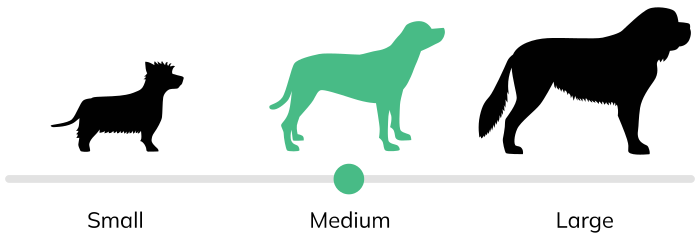
On average, Tibetan terriers stand 14 to 16 inches tall at the shoulder and weigh 18 to 30 pounds. Most puppies reach their full height and weight between 12 and 18 months. Their fluffy coats can make them look a bit larger during those growing months.
Tibetan terriers have a square, well-proportioned build, which gives them a sturdy yet agile feel. Their size supports their naturally healthy, energetic personality. They’re quick on their feet, playful, and love going for walks and adventures.
Males are usually slightly larger than females, but all Tibetan terriers share the same balanced frame that lets them move with surprising grace. Their compact, sturdy build also helps them settle into both apartment living and homes with yards.
What Is a Tibetan Terrier’s Coat Type and Length?
Tibetan terriers have a long, flowing double coat that grows throughout their lives and is considered non-shedding. The outer layer can be straight or wavy, while the undercoat is soft, dense, and fine. However, the texture and wave of the outer coat can vary from dog to dog.
As they reach adulthood, their hair often grows several inches long, particularly along the sides, chest, and tail. This layered combination of an outercoat and an undercoat gives Tibetan terriers their signature shaggy, textured look.
What Is a Tibetan Terrier’s Temperament?
Tibetan terriers are cheerful, affectionate, and full of personality. They enjoy being part of the family and want to join in on everything you do. These dogs have a playful curiosity that makes them endlessly engaging. They’ll sniff, explore, and investigate everything around them. This lively yet gentle nature reflects their long history in the high mountains of Tibet alongside monks and villagers.
Tibetan terriers are intelligent and eager to learn. They need consistent training from a young age to channel their energy and curiosity in positive ways. They also have a sensitive side, so harsh corrections can upset them.
Early socialization is another way to nurture their best qualities. Positive interactions with different people, pets, and situations help them feel secure and behave calmly in new environments. Despite their distinct temperament, they settle comfortably into family life and enjoy being included in daily activities.
Are Tibetan Terriers Good With Kids?
Tibetan terriers are usually wonderful with children of all ages. They have lots of energy to match a child’s playful spirit and love joining in games, running around, and exploring. However, they do have a rambunctious side. These notoriously playful dogs can throw their weight around and may accidentally knock over smaller children or objects during play.
They also have a sensitive side and can become shy or anxious if treated too harshly. For this reason, Tibetan terriers do best in homes with older children who understand gentle play and can respect the dog’s space. Parents also need to supervise interactions to make sure both the children and the dog stay safe and enjoy playtime.
Are Tibetan Terriers Good With Other Animals?
Tibetan terriers are generally friendly and sociable with other animals when properly socialized from a young age. They get along well with dogs and can coexist peacefully with cats in the household. However, their curious and alert nature sometimes tempt them to chase smaller pets, such as guinea pigs, hamsters, or other small prey animals. They also have a natural instinct to investigate wildlife.
Early socialization and consistent guidance can help them learn how to behave around other animals. With patience and positive reinforcement, Tibetan terriers can become well-mannered companions who enjoy a harmonious household with both furry friends and family members.
Are Tibetan Terriers Aggressive?
No, Tibetan terriers are generally gentle, friendly, and affectionate dogs. They are rarely aggressive toward people or animals they know. With strangers, they may be reserved and cautious at first, but usually warm up quickly.
Although they aren’t inherently territorial, their natural watchdog instincts sometimes kick in. They will alert you to unusual sounds or visitors with a friendly bark. Food and resource guarding is also uncommon in the breed. That said, like all dogs, they can become wary or defensive if they feel threatened or uncomfortable.
Do Tibetan Terriers Bark?
Tibetan terriers are known to be a vocal breed and have a high tendency to bark. Their bark is loud and clear, which served them well historically as monastery watchdogs in Tibet. They often use their voices to alert their families to visitors, strange noises, or anything that catches their curiosity.
Their barking can also be a way to express excitement, curiosity, or boredom if they’re not mentally or physically stimulated. In apartments or homes with strict noise rules, early training can help manage this behavior
Are Tibetan Terriers Affectionate?
Yes, Tibetan terriers are big-hearted dogs who love spending time with their humans. They enjoy snuggling, leaning against you, or hopping into your lap whenever they can. Their affectionate nature isn’t limited to quiet moments. They’re also eager to join in family activities, whether it’s a game in the yard, a walk around the neighborhood, or just hanging out at home.
While they may be a bit shy around new people at first, their friendly, warm personality usually wins over anyone they meet. Once they trust someone, they’re playful, loving, and ready to share attention and cuddles. They also have a sensitive side. They need gentle handling and positive interactions to help them feel secure and deepen their bond with the whole family.
Are Tibetan Terriers Intelligent?
Tibetan terriers are smart and curious dogs. They love exploring and figuring out new things, whether it’s a puzzle toy, a new trick, or the household routine. These quick-thinking and observant dogs are also highly adaptable. They can easily adjust to new environments, pick up commands quickly, and respond well to consistent training.
Many Tibetan terriers also enjoy dog sports like agility, rally obedience, scent games, and trick training. This gives them a fun outlet for their sharp minds and steady energy.

Are Tibetan Terriers Energetic?
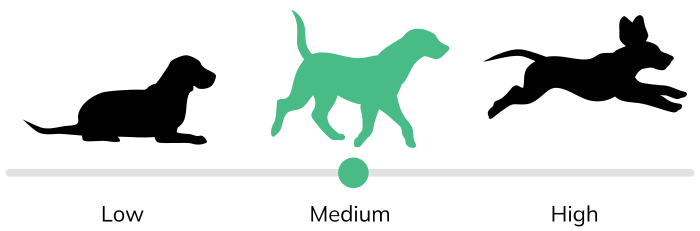
Tibetan terriers have a moderate energy level that suits many families. They enjoy daily activity and do best with two solid walks a day, along with some playtime or a fun game to keep them moving.
Once they’ve had their outings and a bit of mental stimulation, such as short training sessions, they’re happy to lie around and snooze. This balance makes them great companions for people who want an active dog without the intensity of a high-energy breed.
Are Tibetan Terriers Easy to Train?
Tibetan terriers are bright little problem-solvers who genuinely enjoy learning. They can master basic cues, fun tricks, and even agility skills with consistent training. Their sharp memory keeps training sessions lively and enjoyable.
They also have a bit of an independent streak. If something doesn’t seem interesting or clear to them, they may hesitate or do it their way. The only way to get the best results is through short, positive training sessions. When motivated, Tibetan terriers learn quickly and enjoy showing off their skills.
If you need guidance, our online courses teach a range of skills, from basic commands to fun tricks, for a well-trained and confident dog.
Are Tibetan Terriers Good Watchdogs?
Yes, Tibetan terriers can make good watchdogs. They are naturally alert, curious, and quick to notice changes in their surroundings. If a visitor approaches or something unusual happens, they will often bark to alert their family.
This trait stems from their history in Tibet, where they lived alongside monks and villagers and helped guard homes and monasteries. In a modern home, this means they can alert you to visitors or unusual noises while still being friendly and affectionate with people they know.
Are Tibetan Terriers Good Service Dogs?
Tibetan terriers are intelligent, gentle, and highly attuned to their owners, which makes them affectionate companions. However, when it comes to meeting ADA requirements for service dogs, they may not meet the consistency, stamina, and public reliability needed for many service tasks.
Their size and independent nature can limit their ability to perform physically demanding duties, such as mobility assistance. They are also cautious around strangers and may bark to alert, which can interfere with certain service duties that require calm, consistent behavior in public settings.
A Tibetan terrier’s caring, loyal nature makes them well-suited for emotional support or therapy roles. They can comfort their humans, help reduce stress or anxiety, and lift spirits with their cheerful, attentive personality.
How to Care for a Tibetan Terrier?
Caring for a Tibetan terrier involves meeting their physical, mental, and emotional needs. They require daily exercise, such as walks, playtime, or dog sports, to keep their energy in check and minds engaged. Their long, thick coat needs regular brushing to prevent tangles and occasional professional trims to keep it looking neat.
Tibetan terriers are social and affectionate, so they love being around their people and soaking up attention. Consistent training and early socialization help them grow into confident, well-mannered dogs. Lastly, regular veterinary check-ups, a balanced diet, and mental stimulation help them stay healthy, happy, and full of energy for years.
Do You Need to Groom a Tibetan Terrier?
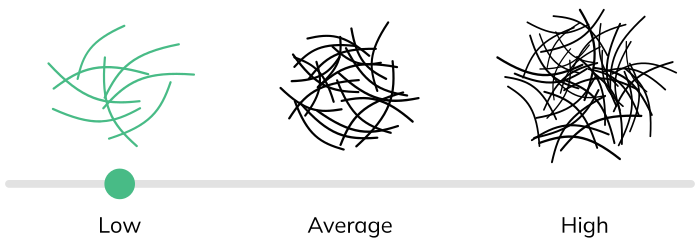
Tibetan terriers are fluffy, lovable pups with a long, thick double coat that requires high maintenance. Their fur can easily become tangled or matted if not brushed regularly. We recommend brushing them daily or at least several times a week to keep their coat soft and tangle-free.
Professional grooming is also a must for these fluffballs. Most families take their Tibetan terrier to a groomer every 6-8 weeks for a bath, trim, and coat care. Regular grooming helps prevent mats, keeps their coat clean, and maintains healthy skin. They also require regular nail trims, ear cleaning, and teeth brushing.

Do Tibetan Terriers Shed?
No, Tibetan terriers don’t shed much. Thanks to their long topcoats, most loose hair gets trapped in the fur instead of falling around your home. However, this increases the need for regular brushing and grooming. Without proper care, their coat can become matted, uncomfortable, and even lead to skin problems.
If you plan to take your Tibetan terrier to a professional groomer, it’s best to start when they are young. Early exposure helps them get used to being handled and keeps them calm during trim.
What Health Problems Do Tibetan Terriers Have?
Tibetan terriers are generally healthy dogs, but like all breeds, they can be prone to a few specific health issues. Common concerns include hip dysplasia, progressive retinal atrophy (PRA), allergies, and hypothyroidism. Hip dysplasia can affect mobility and cause discomfort as they age, while PRA can lead to gradual vision loss. Their thick coat can also hide skin irritations or infections if not properly maintained.
The good news is that many of these issues can be managed or prevented with proper care. This includes regular vet check-ups, a balanced diet, regular exercise, and routine grooming. Choosing a responsible breeder who screens for genetic conditions can also give you a healthier start and reduce the chance of inherited problems.
How Long Do Tibetan Terriers Live?
The Tibetan terrier lifespan usually falls between 12 and 15 years. Although that’s a solid, healthy range for a small to medium-sized dog, it is just an average. Factors like genetics, diet, regular exercise, mental stimulation, and routine veterinary care can all influence the lifespan of a Tibetan terrier. Many of these cheerful, affectionate dogs can live well into their mid-teens with good care and plenty of love.
What Should a Tibetan Terrier Eat?
Tibetan terriers need a healthy, balanced diet to keep them happy, active, and full of energy. It can include high-quality commercial kibble, fresh meats, vegetables, or food formulated for small to medium-sized active dogs.
Like other breeds, Tibetan terriers can gain weight if overfed. That’s why it’s important to watch portion sizes and avoid giving too many treats. If you have questions about the best diet for your Tibetan terrier, a veterinarian or canine nutritionist can help you create a plan tailored to their age, activity level, and health needs.
Is a Tibetan Terrier the Right Dog for Me?
A Tibetan terrier can be a wonderful addition to the right home. They’re happiest with families or individuals who enjoy an affectionate, attentive dog and have the time to include them in daily life. These pups love playtime, walks, and being part of whatever their humans are doing. They live well in homes that can offer steady attention, gentle training, and plenty of companionship.
They also need regular brushing and grooming due to their long and dense coat to prevent tangles and matted fur. So, if you’re ready to commit to their grooming needs and give them plenty of love and attention, then yes, a Tibetan terrier could be the perfect companion for you.