Tibetan Spaniel: Your Complete Guide
Aptly nicknamed the “little lion,” the Tibetan spaniel is a confident and bright dog whose spirit is tenfold their tiny, 10-inch frame. While their origins may stem from the roof of the world — aka Tibet — they have quickly found their footing in practically every corner, from the shores of Hawaii to the heart of Japan.
They are particularly valued as a family companion due to their loyal nature and endearing look.
That said, there’s a lot to learn about this lovable breed before you rush into adopting one. That’s where our team at Dog Academy comes in to help. Below, we’ll guide you through everything you need to know about the Tibetan spaniel to determine if they’re truly a perfect match for your family. We’ll go over their care needs, physical traits, personality, health, and even their trainability.
Table of Contents
Quick Look at the Tibetan Spaniel
Below is a quick glance at this special breed in terms of their physical characteristics, lifespan, temperament, and grooming needs.
| Weight/Height | 10 inches tall, weighing between 9 and 15 pounds |
| Coat Type | Medium-length double coat, silky in texture |
| Grooming Needs |  |
| Shedding | |
| Temperament | Bright, self-assured, playful, and affectionate |
| Good With Kids |  |
| Good With Other Animals | |
| Intelligence | |
| Easy to Train | |
| Energy Level | |
| Barking Habits | |
| Lifespan | 12 to 15 years |
What Is the History of Tibetan Spaniels?
The Tibetan spaniel’s history can be traced back thousands of years to Tibetan monasteries. There, they were selectively bred by the Buddhist monks for use as watchdogs and beloved lapdogs. They were treasured dearly and were also bred to resemble little lions — an honor, as lions are a sacred symbol in Buddhism.
Over the years, Tibetan spaniels won the hearts of many, including those outside of the monasteries. They were often gifted as pets to royalty and rulers throughout China and Tibet, similar to the likes of shih tzus and pekingese dogs.
Today, Tibetan spaniels make popular family companions throughout the world. They are particularly valued for their adorable looks and courageous, larger-than-life attitudes. They were recognized by the American Kennel Club (AKC) in 1983.
Despite what their name may lead you to think, the Tibetan spaniel or “Tibbie” isn’t actually a spaniel breed. While today the spaniel term is associated with gun dogs, in the past, it referred to the small, bred-down companion versions of bird dogs.
These dogs had wavy, well-feathered coats, and the Tibetan spaniel was likely named after them due to sharing a physical resemblance.
What Do Tibetan Spaniels Look Like?
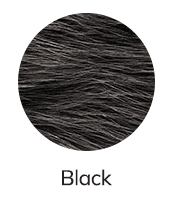
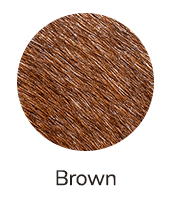
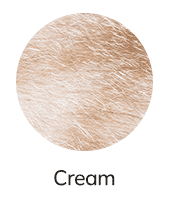

The Tibetan spaniel is a small dog with a well-balanced physique. They have bright oval-shaped eyes, distinct pendant ears, and a medium-length muzzle. They also have a silky double coat that comes in various colors and color mixes, including black, cream, gold, red, white, and sable.
However, their most defining (and eye-catching) physical trait is a lion’s mane-like ruff of fur around their neck.
What Size Is a Tibetan Spaniel?
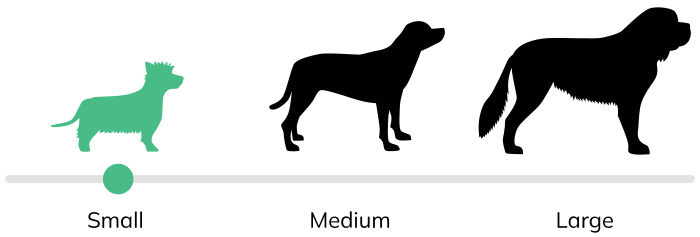
The Tibetan spaniel stands 10 inches at the withers and weighs between 9 and 15 pounds. They are slightly longer than they are tall, though they’re generally well-proportioned with no legginess. Their head is also fairly small, which helps to accentuate the size of their gorgeous mane-like ruff.
Males are often slightly larger than females by a few pounds. However, remember that this is a rough guideline. Your Tibetan spaniel’s fully-grown size will ultimately depend on their genetics, lifestyle, and health.
What Is a Tibetan Spaniel’s Coat Type and Length?
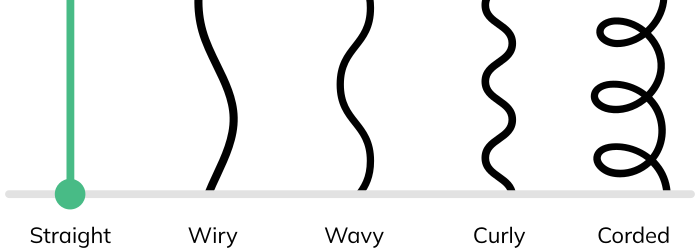
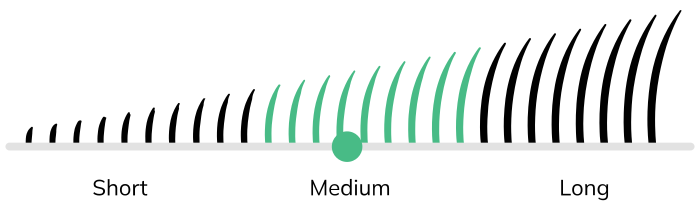
The Tibetan spaniel has a medium-length double coat that is silky in texture. While their fur generally lies flat against their body, they do have prominent feathering on their neck — aka their mane-like ruff — as well as on the back of their forelegs, ears, toes, and tail. Their fur is also noticeably smoother on their face.
What Is a Tibetan Spaniel’s Temperament?
The Tibetan spaniel makes a happy, affectionate, and playful companion. They are a proud velcro dog — a trait that has been developed over thousands of years — and love to be the center of their favorite owner’s attention. They are also brave and confident, despite their small physique.
The Tibetan spaniel forms close bonds and is highly people-oriented. While this means they can make an excellent lap dog, they do often experience separation anxiety. They’ll be happiest with a family that can keep them company and won’t leave them alone for several hours throughout the day.
Are Tibetan Spaniels Good With Kids?
The Tibetan spaniel can be an excellent dog for families with children. They’re gentle and affectionate with their loved ones, and their natural nurturing side means they bond particularly strongly with kids. They’re also energetic and will always be up for a game of fetch.
Still, supervision is essential to ensure your children and the Tibetan spaniel get along well together. This is especially the case for toddlers, who may accidentally play too boisterously. While the Tibetan spaniel is confident and fiery, they are still a small, fragile breed, and they can get easily injured from rough handling.
Are Tibetan Spaniels Good With Other Animals?
The Tibetan spaniel often gets along well with other dogs and cats, particularly if they’re similar in size and have been raised together. Due to their bold, courageous side, you’ll often find that they’re the ones to greet other pets first and initiate playtime.
While the Tibetan spaniel will likely make quick friends with pets who share their size, be mindful that they can have a prey drive. This means they may chase after smaller, fast-moving animals such as hamsters and birds.
Are Tibetan Spaniels Aggressive?
Tibetan spaniels are rarely ever aggressive — not much of a surprise, considering they were selectively bred to be people-oriented companions. They’re generally known to be gentle, sociable, and friendly with everyone they meet.
If a Tibetan spaniel displays aggressive behaviors like growling or snapping, this is virtually always an indicator of an unmet need, lack of socialization, or health issue, rather than the dog’s actual personality.
Do Tibetan Spaniels Bark?
Tibetan spaniels aren’t incessant barkers, though they aren’t particularly quiet either. They are alert and tend to bark to inform their owners of visitors, unfamiliar noises, or any strange sights. They also often bark to communicate their excitement during play.
While their barks can vary in volume, they tend to be quick and deep rather than noise-gratingly yappy. Their barks aren’t likely to lead to noise complaints. This means Tibetan spaniels may be great for apartment living, particularly when you also factor in their compact builds.
Excessive barking can be discouraged by teaching Tibetan spaniels the “quiet” command and ensuring they’re getting enough exercise and mental enrichment throughout the day.
Are Tibetan Spaniels Affectionate?
The Tibetan spaniel may resemble a lion, but their heart is more akin to a teddy bear. They bond strongly with every member of their household and show this through cuddles, soft nudges, and endless tail wags. They also love to be the center of attention.
Tibetan spaniels can be a little wary around those they’re unfamiliar with, though this won’t last long, especially if they’re given plenty of pats and treats.
Are Tibetan Spaniels Intelligent?
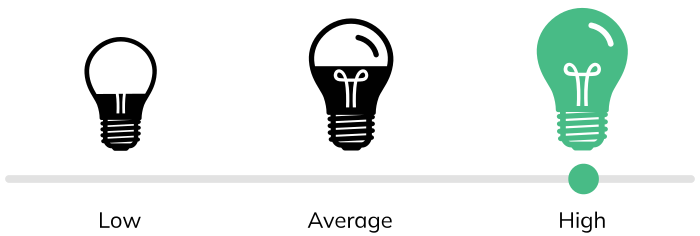
The Tibetan spaniel is an exceptionally intelligent breed. They always keep an alert eye on their home, are adept at reading the body language of their loved ones, and have a curious, intuitive side.
However, their high intelligence does mean they require lots of mental stimulation to prevent boredom. You can keep them mentally engaged with puzzle toys, training, and interactive play. They’ll particularly enjoy games like snuffle mats that engage their senses as much as their brain.
Are Tibetan Spaniels Energetic?
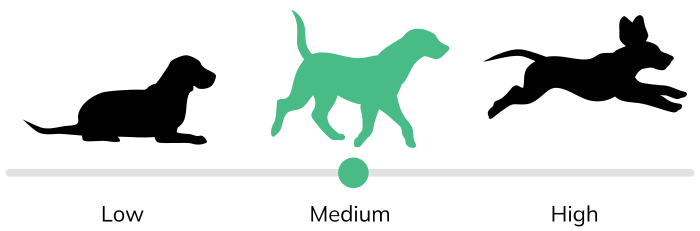
Tibetan spaniels are moderately energetic dogs despite their small frames. They need at least 45 minutes of exercise each day, with plenty of playtime in between to burn off any excess energy and keep their brains occupied. They’ll particularly enjoy activities that allow them to interact closely with their family members, such as fetch and hide and seek.
Are Tibetan Spaniels Easy to Train?
Tibetan spaniels are exceptionally smart dogs who will also go to great lengths to please their owners. These qualities mean they’re often able to pick up new things quickly, whether that’s basic commands like “sit” and “stay” or dog tricks like “beg.”
That said, some Tibetan spaniels do have a stubborn streak. It’s important to ensure your training consists of positive reinforcement methods to keep this in check. Their training sessions should also be engaging, brief, and consistent to maintain their attention and set them up for success.
Tibetan spaniels are sensitive and won’t take kindly to a frustrated, snappy tone or criticisms. If you’re feeling overwhelmed with your Tibbie’s training, never resort to punishments or other harsh training methods. Help is out there in various forms.
You can enroll in an online dog training program to improve your techniques, sign up for group training classes, or hire an in-person trainer for supervised one-on-one guidance.
Are Tibetan Spaniels Good Watchdogs?
The Tibetan spaniel can become an excellent watchdog with the right training. They are brave, alert, and confident, and will not hesitate to let you know about any strangers or perceived dangers.
That said, their small size isn’t exactly likely to deter any real threat. If you are primarily looking for a dog who’ll stand guard outside your home and ward off intruders, your best bet is a large, imposing breed like the German shepherd rather than the lap-sized Tibetan spaniel.
Are Tibetan Spaniels Good Service Dogs?
The Tibetan spaniel isn’t commonly used for service dog work. While they are intelligent and alert, their tendency to get led astray by their curious side means they often struggle to perform service dog tasks reliably. Their small physique also means they can’t help with physically demanding service work like mobility assistance.
Tibetan spaniels are better equipped to be therapy dogs and emotional support animals. These roles make full leverage of their affectionate, loving natures and knack for forming close bonds with people.
How to Care for a Tibetan Spaniel?
Tibetan spaniels are playful, affectionate, and courageous dogs who thrive on lots of mental stimulation and attention. To keep them happy throughout their lives, be prepared to provide them with plenty of playtime and daily exercise. You also need to keep up a consistent training and socialization routine.
In addition to the considerations above, caring for a Tibetan spaniel involves grooming their coat and keeping an eye out for potential health concerns. You also need to ensure they’re fed a nutritious diet.
Do You Need to Groom a Tibetan Spaniel?
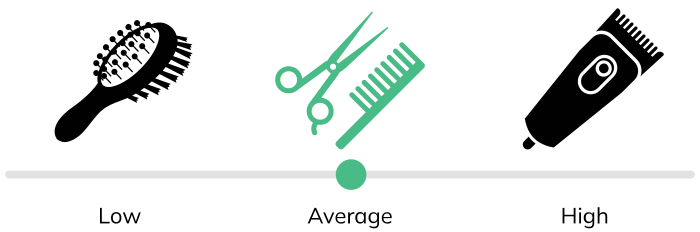
The Tibetan spaniel doesn’t require a great deal of grooming to keep their coat in top shape. However, they still need to be brushed at least two to three times a week to remove trapped hair and keep their top coat free from tangles. Their feathered areas tend to mat the most, so you’ll want to pay extra attention to these areas while brushing.
You should bathe your Tibetan spaniel as needed, ideally only once every four to eight weeks, so that you don’t dry out their skin. You should also clean their ears, check their skin for signs of irritation, and brush their teeth daily to prevent dental concerns.
Do Tibetan Spaniels Shed?
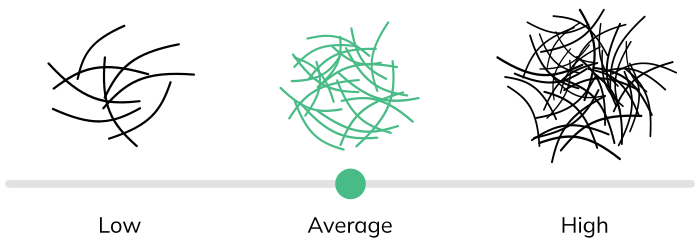
Tibetan spaniels do shed, though they aren’t particularly heavy shedders. You’ll usually only really notice their fur during seasonal changes when they blow their coats. That said, they still aren’t considered hypoallergenic dogs and won’t be suitable for those with fur allergies.
What Health Problems Do Tibetan Spaniels Have?
Like every breed, Tibetan spaniels are at risk of certain health problems. However, learning about them puts you in the best possible position to manage (and even potentially prevent) them. The most common health issues seen in the Tibetan spaniel include:
Patellar Luxation
When the Tibetan spaniel’s kneecap slips out of its proper place, the symptoms will vary depending on the grade of severity. Common signs include a bunny hopping gait, hind leg weakness, exercise resistance, swelling, and difficulty rising off the ground.
In Tibetan spaniels with patellar luxation, surgery is often advised to mitigate pain and reduce cartilage wear and stress. Surgery can also help to prevent the development of arthritis. Other ways patellar luxation and its symptoms can be managed include lifestyle changes, physical rehabilitation, and anti-inflammatories.
Hip Dysplasia
Hip dysplasia is an inherited condition that causes an abnormal development of the hip joint. Tibetan spaniels predisposed to hip dysplasia are at greater risk if they’ve overfed or overexercised as puppies, making it vital to ensure you’re giving them the right support and nutrition as they grow.
Hip dysplasia may go unnoticed early on, though it often leads to symptoms such as:
- Limping and stiffness
- Reluctancy to jump or difficulty in rising
- Poor muscle mass, particularly in the hind legs
- Hip swaying
- A bunny hopping gait
Treatment for hip dysplasia in Tibetan spaniels depends on the severity of the condition and their age. However, it usually involves body weight maintenance, anti-inflammatories, exercise changes, physical therapy, and cartilage-supporting supplements. Severe hip dysplasia usually requires surgical intervention.
Progressive Retinal Atrophy (PRA)
Progressive retinal atrophy is an inherited eye condition that eventually leads to blindness. The condition progresses slowly and is often first noticed as a reduced ability to see in the night.
There is no cure for PRA. However, the condition isn’t painful, and most Tibetan spaniels adapt well to the vision loss and can lead long, happy lives, provided they’re given the right support.
Although PRA can’t be prevented, it can be screened for with genetic testing. It’s crucial to work with a responsible breeder who tests their breeding stock for PRA, among other common inherited conditions seen in the Tibetan spaniel.
Entropion
Entropion is a painful condition that causes the Tibetan spaniel’s eyelid to roll inward and rub against the eye. It often presents as inflammation, redness, squinting, excessive watering, and goopy discharge. Left untreated, it can lead to infections and even vision loss.
Entropion is typically (and effectively) treated with surgery, and secondary health problems like infections can be managed with antibiotics and tear lubricants.
How Long Do Tibetan Spaniels Live?
The Tibetan spaniel’s lifespan is around 12 to 15 years on average. This is in line with what you would expect of a breed of this size. To help give your Tibetan spaniel the best chance of living for 15 years (or potentially even longer!), It’s vital to take them to their routine vet checkups, feed them high-quality dog food, and exercise them daily.
What Should a Tibetan Spaniel Eat?
The Tibetan spaniel needs a diet that is well-balanced, nutrient-dense, and carefully formulated for their size and life stage.
There are various commercial dog foods available that can provide the Tibetan spaniel with what they need to thrive. However, the best options are those that meet AAFCO standards, use lean whole protein sources, and are free of unnecessary fillers and artificial flavorings.
You should also make sure you choose dog food that provides a mix of healthy fats, minerals, vitamins, and complex carbohydrates.
Be mindful that Tibetan spaniels often struggle to chew and digest large, dry kibble pieces due to their small mouths. They may fare best on wet food, so make sure to consider the consistency and palatability when narrowing down your pup’s dog food options.
You should also make sure to closely monitor their portion sizes to prevent overfeeding. Most Tibetan spaniels need around ¾ to 1.5 cups of dog food per day, split across two to three feedings. However, it’s best to speak to a veterinarian for further feeding guidance.
Is a Tibetan Spaniel the Right Dog for Me?
The Tibetan spaniel is an enthusiastic, friendly, and loving dog with a captivating lion-like appearance. Their larger-than-life hearts mean they’ll form close bonds quickly and can suit many different families.
They’ll fare especially well with those who lead active lifestyles, appreciate a fun-loving, playful companion, and can be at home throughout the day to keep them company.
Still, be mindful that the Tibetan spaniel isn’t the right fit for everyone. Review our guide above carefully and consider whether there are any traits you may find difficult to accommodate within your day-to-day life.
For instance, while the Tibetan spaniel is gentle and affectionate, they aren’t the best fit for households with toddlers. They are fragile and can easily get injured from rough handling. You should also only consider this breed if you can maintain a consistent training routine due to their potential for stubbornness.
Confident the lovable Tibbie is the right dog for you? Then the next step involves carrying out thorough research to find a responsible Tibetan spaniel breeder near you. You won’t have to navigate this next stage blindly either.
Our puppy purchasing guide will walk you through the process step-by-step and give you some pointers on how to distinguish a responsible breeder from a puppy mill.
Alternatively, you can also look to adopt a Tibetan spaniel and give a dog in need a second chance at life. Adopting does mean you won’t be witness to their very first steps and barks, though it does come with fewer upfront fees and is a truly wonderful way to support your local animal community.