Texas Heeler: Your Complete Guide
Anyone who’s drawn to smart, hardworking dogs will love a Texas heeler. These crossbred dogs are full of energy and incredibly eager to be a part of whatever you’re doing. They’ve inherited the confidence, grit, and natural working drive of the Australian cattle dog, and the impressive memory and problem-solving skills of the Australian shepherd.
If you’re looking for an active four-legged companion that can accompany you on everyday errands, weekend hikes, and spontaneous adventures, this breed will rise to the challenge and give you their best every single day.
First, however, let’s discuss their background, physical traits, behavior, energy levels, grooming needs, and overall lifestyle requirements, so you know exactly what to expect before bringing one home.
Table of Contents
Quick Look at the Texas Heeler
The table below highlights the Texas heeler’s characteristics, including appearance, coat, temperament, sociability, trainability, grooming habits, and how long they generally live.
| Weight/Height | 25-50 lbs., 17-22 inches tall |
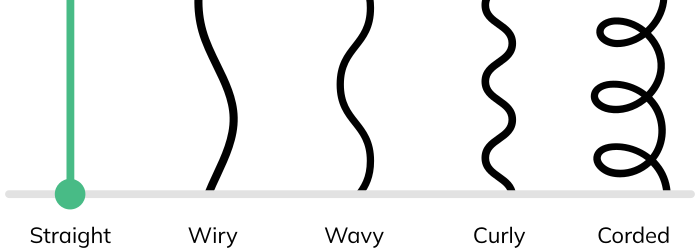
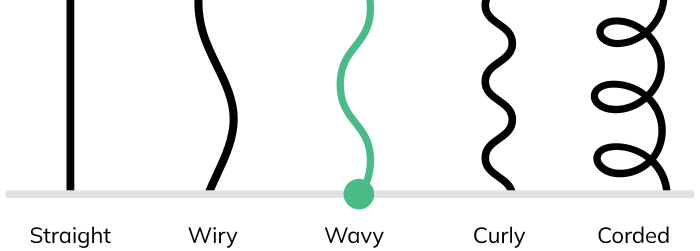
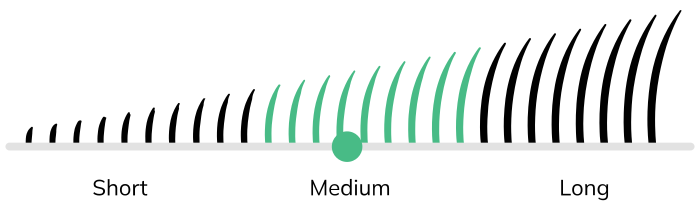
| Coat Type | Short to medium, smooth, double coat |
| Grooming Needs |  |
| Shedding |  |
| Temperament | Intelligent, alert, energetic, loyal, affectionate |
| Good With Kids | |
| Good With Other Animals | |
| Intelligence |  |
| Easy to Train |  |
| Energy Level | |
| Barking Habits | |
| Lifespan | 12-15 years |
What Is the History of Texas Heelers?
The Texas heeler is a modern mixed breed from the United States, especially common in Southern and Western states, where cattle ranching is a way of life.
The goal was to combine the endurance and toughness of the Australian cattle dog with the agility and cooperativeness of the Australian shepherd. Ranchers and farmers wanted a dog that could spend long days working in harsh conditions and unpredictable weather, think independently when moving livestock, and still listen closely to their handler’s cues.
Major kennel clubs do not recognize Texas heelers as a pure breed. Despite the lack of an official breed standard, their working heritage is strong. These dogs are commonly used to herd cattle, sheep, and other livestock, and they do well in various dog sports.
Their reputation as tough, smart ranch dogs is what has made them increasingly popular as active family companions as well.
Since they combine two similar but distinct herding breeds, some Texas heelers lean more toward the Australian cattle dog side, with a stockier frame and stronger guardian instincts. Others resemble Australian shepherds more closely, with a leaner build and strong eye contact for herding.
What Do Texas Heelers Look Like?

Texas heelers have a sturdy build thanks to their working-dog roots. They’re medium-sized, with well-defined muscles, a deep chest, and a confident stance. Their ears may stand upright, fold slightly, or remain semi-pricked depending on which parent breed they take after most.
Their eyes are usually almond-shaped and brown or amber in color. Blue or heterochromia (two different colored eyes) can appear occasionally if there’s a strong Australian shepherd influence.
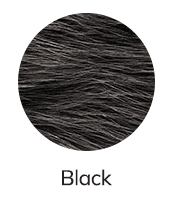
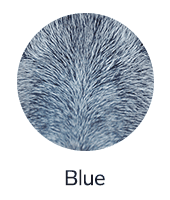
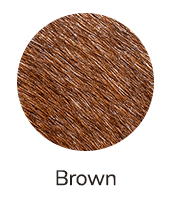
The coat of a Texas heeler can range from short and sleek to slightly longer and textured, depending on the blend of Australian cattle dog and Australian shepherd traits. Standard colors include blue merle, red merle, blue or red mottled, black, tan, tricolor (black, white, and tan), and variations with speckles or patches.
White markings on the chest, paws, tail tip, or face are common, which make a Texas heeler look more expressive and alert.
What Size Is a Texas Heeler?
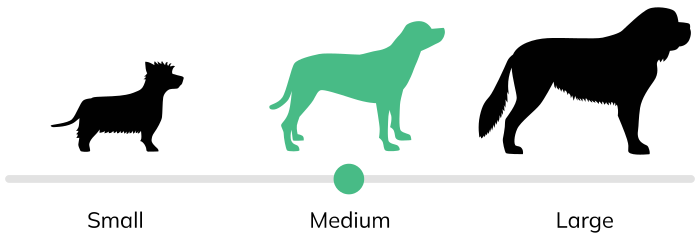
Texas heelers fall into the medium-size category. Most adults weigh 25-50 pounds, though there can be some variation based on the size of the parents. In terms of height, you can expect them to stand around 17-22 inches tall.
Texas heelers that lean more toward the Australian cattle dog side may appear slightly more compact and muscular, while those with stronger Australian shepherd influence may be a bit taller and lighter on their feet.
Mixed breeds don’t have the same strict size standards as purebred dogs, so occasionally you’ll see a smaller or larger Texas heeler. If you’re adopting a puppy, looking at the parents and asking the breeder or rescue about their sizes can help you estimate how big your dog might grow.
What Is a Texas Heeler’s Coat Type and Length?
Most Texas heelers have a double coat, meaning there’s a softer undercoat under a slightly harsher outer coat. This combination helps keep them warm in cooler weather and offers some protection from the sun and rough brush when they’re working outdoors.
The coat’s length can range from very short and close to the body (more like an Australian cattle dog) to a bit longer and slightly feathered on the legs, chest, or tail (more like an Australian shepherd). The texture is usually straight, though light waves are not uncommon, especially around the neck and hindquarters.
What Is a Texas Heeler’s Temperament?
Most describe the Texas heeler’s personality as bright, energetic, and hardworking. These dogs love having something to do, whether that’s herding, obedience training, agility, solving puzzles, or playing interactive games. They can be quite focused when they’re in working mode.
At the same time, these dogs can be super affectionate and loving toward their family. They might be reserved with strangers at first, but are usually not shy or fearful if socialized well.
Are Texas Heelers Good With Kids?
Texas heelers get along well with older children who know how to behave around dogs. Since they love being part of family activities, these dogs often form strong bonds with the children in the household. They enjoy playing with young ones in the yard, hanging out near them while they do their homework, or lying close during family movie nights.
That said, you need to remember that this breed has deep seated herding instincts. When a kid moves quickly, squeals, or runs around unpredictably, a Texas heeler might attempt to control where they go by circling them or nipping at their heels.
That’s why you should never leave your dog unsupervised with small children. It’s also important to teach your kids how to greet the dog and respect their boundaries during play and daily interactions.
Are Texas Heelers Good With Other Animals?
If socialized early, Texas heelers are likely to respect other dogs with stable temperaments. In multi-dog households, these dogs like to think everyone’s part of the team. However, some may be selective about their canine friends or prefer dogs with similar energy levels.
When it comes to cats and smaller animals, things can be a bit more complicated. A Texas heeler’s herding and prey drive may make them inclined to chase, especially if the other animal runs. With early introductions and training, many dogs can live peacefully with household cats, but success depends on the individual personalities involved.
Small prey animals like hamsters, guinea pigs, or rabbits are more at risk of being chased or fixated on, so you need to be more careful.
In outdoor settings, Texas heelers are prone to chasing squirrels, birds, or other wildlife simply because movement triggers their instincts. Secure fences, leashes, and a solid recall command can help manage these natural drives safely.
Are Texas Heelers Aggressive?
Texas heelers aren’t inherently aggressive, but they’re protective and can be strong-willed. Their Australian cattle dog and Australian shepherd roots give them a natural drive to guard their home and family, which can sometimes be mistaken for aggression if not guided properly.
A poorly socialized or frightened dog of any breed may exhibit problematic behaviors, such as growling, snapping, or resource guarding, and Texas heelers are no exception. The only way to prevent this is early socialization and reward-based training.
When puppies are exposed to various people, places, sounds, and situations in a positive way, they’re more likely to grow into confident adults. Teaching them clear rules about food, toys, and personal space will help prevent issues like resource guarding or possessiveness.
Most Texas heelers can be taught to be polite and well-mannered with strangers, delivery drivers, and guests while still maintaining their natural alertness. If you notice concerning behaviors, working with a qualified trainer can make a huge difference.
Do Texas Heelers Bark?
Texas heelers will bark if someone approaches the house, if they hear an unusual noise, or if they get too excited. Their barking may become a nuisance if it isn’t managed or if you allow them to practice it constantly out of boredom.
In an apartment or densely populated neighborhood, it’s especially important to teach a quiet command and reward calm behavior. If their physical and mental needs are met, many Texas heelers can learn to settle and only bark when there’s something to genuinely alert you about.
If they’re under-exercised or left alone with nothing to do, you might find that barking becomes their way of releasing pent-up energy.
Are Texas Heelers Affectionate?
Despite their tough, working-dog exterior, many Texas heelers are quite affectionate with their families. They’re not the type of dog who loves every single person they meet, but they tend to form lasting bonds with the people they consider part of their inner circle.
They’ll enjoy being close to you, whether that means lying at your feet, resting their head on your leg, or curling up beside you on the couch. They won’t smother you with attention or constant cuddles or be overly clingy, yet they always seem to know when you need comfort or companionship.
That said, if you want to introduce your Texas heeler to someone new, let them adjust to the new scent, voice, and energy instead of forcing the interaction. When they’re ready to say hello, they may come forward and ask for petting or play.
Are Texas Heelers Intelligent?

Yes, they are extremely intelligent dogs. They pick up new commands quickly and learn routines and patterns without much effort. Owners sometimes say these dogs are almost too smart as they notice every change and can pick up on both good and bad habits very quickly.
Their intelligence also means they need regular mental stimulation. A bored Texas heeler may invent their own activities, such as opening doors, counter surfing, or testing the fence for weak spots.
Are Texas Heelers Energetic?
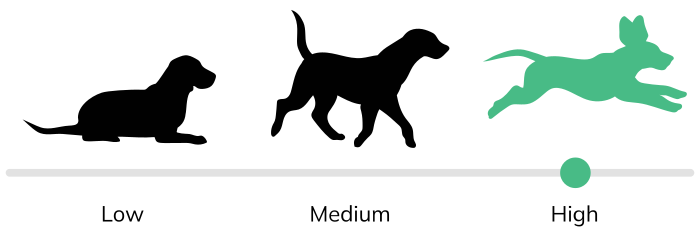
Yes, Texas heelers are high-energy dogs that demand daily physical exercise. You can’t expect them to get tired after playing in the yard for a few minutes. What they need is long walks, runs, hikes, or vigorous play sessions of fetch or frisbee.
These dogs are also great candidates for dog sports, such as agility, flyball, rally, or herding trials, because they love using their bodies and their brains.
Most adults need at least an hour or two of solid activity spread throughout the day, plus short training or puzzle sessions to keep them mentally satisfied.
Are Texas Heelers Easy to Train?
Texas heelers are generally very trainable. They respond well to positive reinforcement, including treats, toys, and praise. On the other hand, harsh or punitive training can damage your relationship with them, make them stressed, or lead to shutdown behavior.
These dogs can learn complex tricks and advanced obedience routines and make great performers in agility competitions. Their quick reflexes, ability to focus, and eagerness to move make them natural athletes.
They may, however, push boundaries or test rules if they’re bored or under-stimulated. Regular training sessions that challenge them help keep them on their best behavior.
Are Texas Heelers Good Watchdogs?
While not super aggressive or defensive, Texas heelers are still protective of their home and family. This, along with their natural alertness and attunement to the environment, makes them excellent watchdogs.
While these dogs are less likely to attack intruders, they’ll warn you of the intruder’s presence with their barking. With proper socialization and training, you can help them distinguish between regular activity (like the mail carrier or passing neighbors) and true cause for concern so they don’t feel the need to sound the alarm constantly.
Are Texas Heelers Good Service Dogs?
Texas heelers have the potential to be good service dogs, but it depends on the individual dog and the tasks required.
Many dogs can learn complex tasks to support people with mobility challenges, psychiatric conditions, or chronic illnesses. Their alertness and sensitivity to changes in their handler’s mood or behavior can also make them helpful for anxiety or PTSD-related service tasks.
However, their energetic nature and herding instincts mean they may require extensive training to remain calm in public environments and resist distractions. They’re often better suited for the role of an emotional support animal or a therapy dog.
How to Care for a Texas Heeler?
A Texas heeler needs regular exercise, mental stimulation, and proper training to stay happy and healthy. Daily walks or runs, interactive play sessions, and structured training time are non-negotiable parts of their routine.
A backyard is great, but it’s certainly not a replacement for wide open spaces that let them run at full speed, explore, and satisfy their herding urges.
Beyond exercise, these dogs need a balanced diet, fresh water, regular veterinary care, and routine grooming. You should also introduce them to new environments, people, and animals in a controlled, positive way to boost their confidence.
Lastly, never leave your Texas heeler alone for long stretches without any interaction. Make sure someone is there to keep them company so they don’t get stressed or restless.
Do You Need to Groom a Texas Heeler?
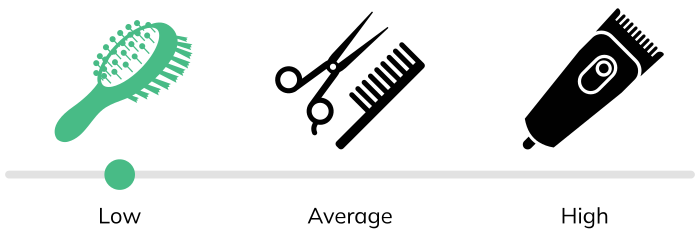
Yes, but grooming this dog is easy compared to many breeds. All you have to do is brush them once or twice a week to get rid of loose hair, prevent oil buildup, and keep their coat looking clean and healthy. During spring and fall, you may need to brush more frequently to manage excess hair and keep it off your floors and furniture.
Baths can be given every month or two or whenever the dog gets dirty or smelly. Over-bathing can strip the coat of oils, so it’s best not to bathe them too frequently.
In addition to coat care, you should regularly trim their nails, clean their ears, and brush their teeth. These basic grooming tasks help prevent discomfort and health problems in the long run.
Do Texas Heelers Shed?
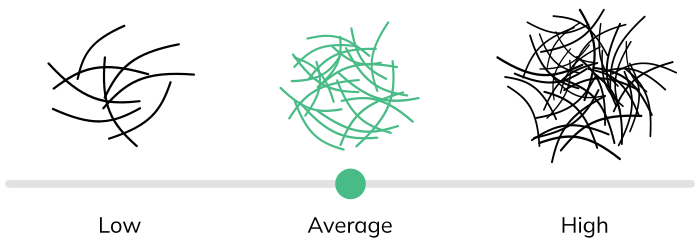
Texas heelers do shed, so they’re not hypoallergenic. Most shed moderately year-round, with heavier shedding periods once or twice a year when they blow their undercoat.
Regular brushing helps keep shedding under control and reduces the amount of loose fur in your home. A good de-shedding tool or slicker brush can come in handy during peak shedding seasons.
If someone in your household has dog-related allergies, a Texas heeler may not be the best choice, as their shedding and dander can trigger symptoms. However, with regular grooming and frequent cleaning, living with a shedding dog can be manageable for many families.
What Health Problems Do Texas Heelers Have?
It’s not uncommon for these dogs to inherit joint issues such as hip or elbow dysplasia from their parent breeds, and some may be prone to eye conditions later in life.
Their high energy also means they can push themselves too hard, leading to strains or other physical injuries if they don’t get proper rest.
How Long Do Texas Heelers Live?
Genetics, diet, exercise, and preventive healthcare play a role in determining the Texas heeler’s lifespan. On average, these dogs live for up to 15 years when they come with good health histories and receive a balanced diet, adequate mental and physical stimulation, and regular vet care throughout their lives.
You can support their long, healthy life by paying attention to early signs of illness or pain, maintaining a stable weight, and keeping your dog physically active without over-exertion. Senior Texas heelers may slow down somewhat, but many retain their bright eyes and alert minds well into their golden years if you continue to meet their needs.
What Should a Texas Heeler Eat?
Active adults do well on a formula designed for medium-to-high energy dogs with a good source of protein and healthy fats to support muscle and coat health. Puppies should be on a puppy-specific diet that supports growth, while seniors may need a formula tailored to older dogs, possibly with joint support supplements.
Portion sizes depend on the food’s calorie content and the dog’s individual metabolism and activity level. It’s better to use the feeding guidelines on the bag as a starting point and adjust based on your dog’s body condition, ideally with your veterinarian’s guidance.
Avoid overfeeding as extra weight can put stress on joints and increase the risk of other health issues. Treats should make up only a small portion of their daily intake, and table scraps should be given sparingly, if at all.
Is a Texas Heeler the Right Dog for Me?
If you’re ready to meet the physical, mental, and emotional needs of a highly engaged, hard-working canine partner, a Texas heeler might be a great addition to your family.
On the other hand, if your lifestyle is very sedentary, you’re away from home for long hours each day, or you prefer a dog that’s content with a quick walk and lots of couch time, you may want to consider a more relaxed, easygoing breed instead.