Swedish Lapphund: Your Complete Guide
Want to feel in the festive spirit year-round? Then the Swedish Lapphund should certainly be on your radar (or we should say reighdar). The Swedish Lapphund is a powerful, medium-sized spitz dog who was selectively bred to herd reindeer.
While today you’re more likely to find the Swedish Lapphund herding your socks, they still retain many of the qualities that made them excel in this line of work. They’re alert, intelligent, and work-driven. Like most spitz dogs, they also have an impressive vocal range and won’t hesitate to communicate their love (or frustration).
Whether you’re simply curious about this rare yet captivating breed or are considering them for your forever companion, keep reading. Below, we’ll “light up” your mind with everything you need to know about them, including typical Swedish Lapphund personality traits, their care needs, and history.
Table of Contents
Quick Look at the Swedish Lapphund
Below is a quick glance at this special breed in terms of their physical characteristics, lifespan, temperament, and grooming needs.
| Weight/Height | 16 to 20 inches tall, weighing between 30 and 45 pounds |
| Coat Type | Long, profuse double coat |
| Grooming Needs |  |
| Shedding | |
| Temperament | Alert, intelligent, work-driven, loving, and confident |
| Good With Kids |  |
| Good With Other Animals | |
| Intelligence |  |
| Easy to Train | |
| Energy Level | |
| Barking Habits | |
| Lifespan | 12 to 14 years |
What Is the History of Swedish Lapphunds?
The Swedish Lapphund is native to Sweden and is widely considered to be one of the oldest breeds in the world, dating back thousands of years ago. In fact, over seven thousand-year-old canine skeletal remains have been uncovered that closely resemble the Swedish Lapphund.
While their exact history isn’t clear, we know that they are closely associated with the Sami people of the Lappland region. They were initially used as an all-around family guardian and hunting companion. However, over the years, the Sami people moved away from hunting and began to keep reindeer. The Swedish Lapphund thus adapted and found a whole new purpose: A reindeer herder.
Alert, intelligent, and capable of enduring the harsh, cold conditions of the region, the Swedish Lapphund thrived in this role. Today, they still make remarkable reindeer herders, though they have also been used to herd other forms of livestock, including cattle and sheep.
Their unique, admirable traits have also made them popular family pets among Scandinavian families. They were the first breed to be accepted into the Swedish Kennel Club (SKC), and today, are considered the national dog of Sweden.
While extremely rare in other places of the world, their popularity is increasing thanks to the efforts of breed enthusiasts. Swedish Lapphunds have been a part of the American Kennel Club (AKC)’s foundation stock service group since 2007. They have also been allowed to participate in AKC Companion events as of 2010.
What Do Swedish Lapphunds Look Like?
The Swedish Lapphund is a medium-sized breed with all the qualities of a robust spitz-type dog. They have an athletic frame, muscular legs, and a high-set tail that they carry over their back in typical “Spitz” fashion. They also have a light and springy gait that emphasizes their agile nature.
The Swedish Lapphund has almost wolf-like facial features, with triangular pricked ears, round, expressive eyes, and an evenly tapering muzzle. Like most spitz breeds, they also boast a gorgeously thick, profuse double coat that protects them from the elements.
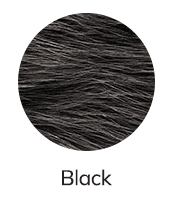
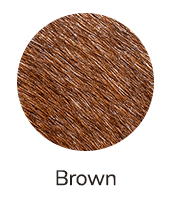
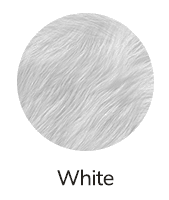
Accepted coat colors include solid black, bear-brown, or a mix of black and brown. Some Swedish Lapphunds also have white markings on their chests, paws, and tails.
What Size Is a Swedish Lapphund?
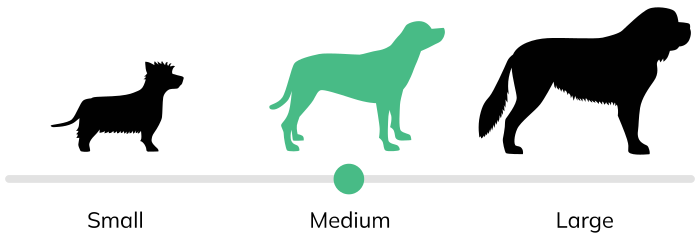
The Swedish Lapphund is a medium-sized breed who is slightly longer than they are tall, resulting in a distinctive rectangular physique. They stand 16 to 20 inches tall when fully grown and weigh between 30 and 45 pounds. However, the ideal height at the withers for a male is 19 inches, and for females, slightly smaller at 17 inches.
What Is a Swedish Lapphund’s Coat Type and Length?
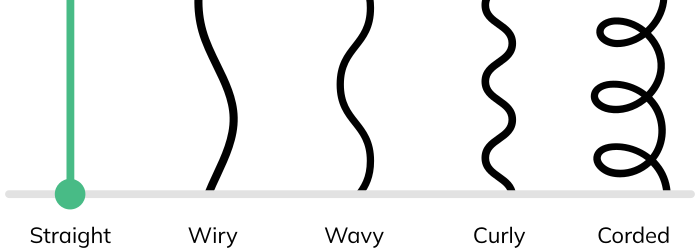
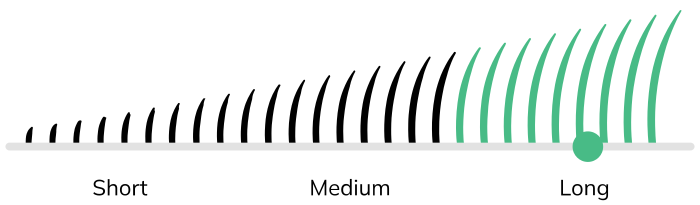
The Swedish Lapphund has a long, profuse double coat. Their fur is straight in texture, with the undercoat layer consisting of finer, denser fur. Their coat is noticeably bushier on their tail and the backside of their legs, and shorter on their head. They also have a distinctive ruff of fur around their neck, which adds to their wolf-like resemblance.
Like virtually all spitz dogs, the Swedish Lapphund’s coat is adapted to withstand cold climates. Their coat naturally repels water and keeps their body insulated from extreme weather conditions.
What Is a Swedish Lapphund’s Temperament?
The Swedish Lapphund is lively, loving, and alert, with a confidence tenfold their compact frame. While some spitz breeds are notoriously stubborn, the Swedish Lapphund is often more receptive to training. They are generally eager to please and very motivated to put their brain and muscles to work for their loved ones.
The Swedish Lapphund is hardy and can adapt to your lifestyle, as long as you account for their high-energy level and give them a strong purpose. They are also playful and sociable with both humans and other dogs.
The Swedish Lapphund thrives on companionship and loves to be included in day-to-day family activities. They don’t take kindly to being kept out of the action, and ideally should never be left home alone for more than a few hours at a time.
Without enough attention, they can quickly experience separation anxiety and exhibit destructive tendencies. They aren’t a good match for people who work long hours outside of the house.
Like most spitz dogs, the Swedish Lapphund loves to have their voice heard, and they certainly aren’t a breed for those who value “peace” and “quiet.” We’ll touch on their vocalness in more detail below.
Are Swedish Lapphunds Good With Kids?
The Swedish Lapphund has been bred for companionship for thousands of years, and this shows in their compatibility with both young and old children. They are exceptionally gentle and patient, and are hardy enough to tolerate rough play, even despite only standing up to 20 inches tall. They are also energetic and will never tire of games.
While the Swedish Lapphund has a natural fondness for children, they should still be supervised together. No matter the breed, accidents can occur, so it’s important to watch them closely to ensure their interactions are positive and safe. The Lapphund also has a tendency to try to “round up” young children due to their herding instincts.
Children should be taught how to approach them respectfully, handle them with care, and give them space.
Are Swedish Lapphunds Good With Other Animals?
While some breeds are known to be territorial and have little tolerance for other canines, the Swedish Lapphund is sociable and often gets along well with other dogs. This is particularly the case if they’re well-socialized and have been introduced together from an early age.
While the Swedish Lapphund is able to adapt to families with dogs, the same can’t be said for small pets like rabbits and hamsters. They often retain the prey drive from their hunting days. Similar to how they often try to herd young kids, they also have a habit of herding small pets and may accidentally injure them.
Are Swedish Lapphunds Aggressive?
The Swedish Lapphund can be protective of their family, though that rarely ever translates to aggression. They are affectionate, loving, and patient, and often more tolerant of things that perturb many other breeds (like rough play or loud noises). Aggression is also considered a serious disqualifying fault under their breed standard, which emphasizes just how gentle they are.
That said, any breed can develop aggressive tendencies if they aren’t getting the right support. Make sure you are meeting their needs, give them consistent training and socialization, and work with a responsible breeder. These measures will ensure the Swedish Lapphund’s natural, gentle, loving nature shines through as brightly as Rudolph’s nose.
Do Swedish Lapphunds Bark?
The Swedish Lapphund is an extremely vocal dog. Their vocalness has quite literally been bred into them, as they had to use their barks to herd and manage reindeer. Their barks are also loud and travel far.
The Swedish Lapphund will no doubt bark to communicate any thought or emotion, and you can expect them to bark the most when they’re on alert, playing, or excited.
Unfortunately, while training can help manage their barking, the Swedish Lapphund will likely still be vocal. This trait is a part of who they are — it wouldn’t be realistic nor fair to expect them to stop barking completely.
Are Swedish Lapphunds Affectionate?
The Swedish Lapphund is a total lovebug. While they are active and work-oriented when given a job, they also love to snuggle up with their close family. Their fun-loving side will quickly become evident in the home, as they’ll take any opportunity they can to make their humans laugh and smile.
The Swedish Lapphund can be more aloof around strangers and will likely be on alert around them at first. However, after a few “investigative” barks to work out if they’re trustworthy. They’ll warm up quickly and will be wagging their fluffy tail in no time.
Are Swedish Lapphunds Intelligent?

The Swedish Lapphund is an alert, curious, and bright dog who can effortlessly understand commands and their owner’s guidance. Their history is a testament to this, with the breed employed in various different roles over the years, from hunting and guarding to herding reindeer.
The Swedish Lapphund is also able to think independently, and they’ve been known to try to outsmart their fellow humans. Considering their curious, adventurous streak, this “cunning” trait will need to be kept a close eye on, as it can lead them into mischief.
Are Swedish Lapphunds Energetic?
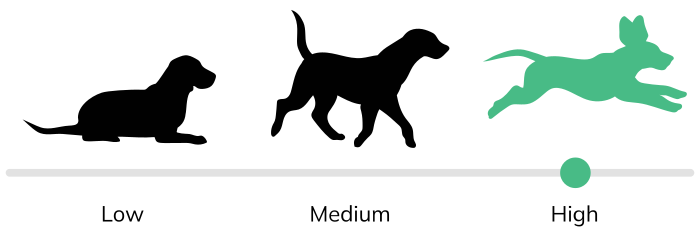
Like most spitz breeds, the Swedish Lapphund is an active dog. They have a moderate-to-high energy level and need at least an hour of vigorous exercise each day to feel content. This exercise shouldn’t just be in the form of leisurely walks around the block; it should also allow them to run, play, and tap into their herding instincts.
Great enriching exercise activities for the Swedish Lapphund include hikes, herding trials, agility, and active play like hide and seek and frisbee.
Since the Swedish Lapphund appreciates novelty and can quickly get bored if their day-to-day life becomes monotonous, make sure to change up their routine regularly. Take them on new routes, explore different games, and consider enrolling them in an agility class where they can constantly be challenged.
Are Swedish Lapphunds Easy to Train?
Spitz breeds are famously intelligent, though they also have a reputation for being stubborn and difficult to train. However, while the Swedish Lapphund can be independent-minded at times, they are generally more biddable than other spitz dogs.
When the Swedish Lapphund sets their mind to it, they will often catch on to commands (and perform) them quickly. They can even be a great candidate for competitive agility and other dog sports, particularly when factoring in their hardy, athletic stature and high energy.
This pup responds best to consistency, firm boundaries, and positive reinforcement training methods. The earlier you begin their training, the better chance they have of growing into a confident, well-adjusted adult.
Are Swedish Lapphunds Good Watchdogs?
Swedish Lapphunds have been used as watchdogs in the past, and they still retain the traits that made them shine at this line of work today. They are alert and confident, and can quickly pick up on anything amiss happening in their near surroundings. Their barks are also loud and will be easy to hear.
While the Swedish Lapphund won’t hesitate to be on guard around a potential threat, they shouldn’t be considered for protection work. They are often too affectionate, and their small, fluffy appearance doesn’t exactly convey “beware: dangerous dog!” energy.
Are Swedish Lapphunds Good Service Dogs?
The Swedish Lapphund is work-driven, intelligent, and closely attached to their family members. These qualities mean they may thrive in service dog roles, as long as they’re paired with individuals who can meet their needs. They are particularly effective at alert-oriented tasks, such as medical alerts, as well as crowd control due to their innate herding ability.
Still, the Swedish Lapphund’s independent streak and prey drive need to be considered. These qualities can cause them to lose focus and become distracted, particularly when outside the home and in unfamiliar public spaces. It’s best to assess the Swedish Lapphund’s temperament in person before considering them for service work.
Even if Swedish Lapphunds may not be the best service dog candidates, they are often great emotional support animals. Their protective, loving natures can help ease anxiety and other distressing feelings. They also naturally form close (and comforting) bonds with their loved ones.
How to Care for a Swedish Lapphund?
The Swedish Lapphund is best paired with an experienced owner. They need firm, consistent guidance, regular training, and plenty of exercise and mental enrichment to keep in good health, both physically and mentally.
While they can adapt to different family situations and lifestyles, they are generally happiest when they have human companionship throughout the day. They also appreciate homes with spacious, secure backyards where they run off-leash freely.
Since the Swedish Lapphund’s adventurous side can often cause them to become a fluffy escape artist, make sure the yard is secure. Check for gaps in the fence and ensure its foundations are deep enough that they can’t dig underneath.
Besides this, you also need to care for their coat, feed them a suitable diet, and take them to their routine vet appointments.
Do You Need to Groom a Swedish Lapphund?

The Swedish Lapphund’s thick, dense coat may look difficult to manage, though it’s relatively easy to care for. It typically only needs a thorough brush once a week and the occasional bath to keep it healthy and tangle-free.
You will need to brush them more regularly when they blow out their coat and experience intense shedding, but even then, this can often be managed at home with the appropriate grooming tools (e.g., a slicker brush). A professional groomer can also help you tackle this excessive shedding in a safe and gentle manner.
Besides their coat, you also need to brush the Swedish Lapphund’s teeth, keep their nails trimmed, and inspect their ears and clean them as needed.
You can trim the fur around their pawpads if it becomes long and hinders their natural gait. However, never shave the Swedish Lapphund’s double coat. Shaving can destroy its protective properties and can make it harder for them to properly regulate their body temperature. It can also make them vulnerable to skin irritation, among other skin concerns.
Do Swedish Lapphunds Shed?
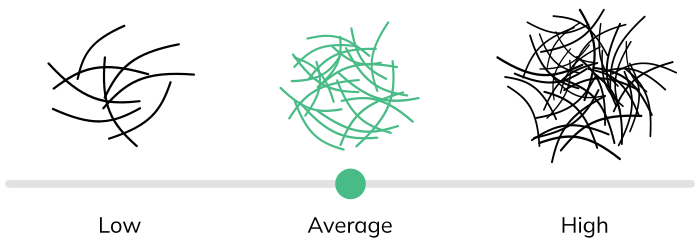
The Swedish Lapphund experiences moderate shedding year-round, with more intense shedding during seasonal changes when they blow out their coat.
Regular brushing can help prevent their fluff from spreading around the house, though they still aren’t a good fit for individuals sensitive to dog fur or dander. Their fur is also dense and tends to stick to clothes and furniture.
What Health Problems Do Swedish Lapphunds Have?
The Swedish Lapphund is a rare breed and has a very small population, numbering around a thousand worldwide. However, this isn’t a reflection of their health. They’re generally a robust and healthy dog overall. That said, they are prone to some health conditions, such as:
- Progressive retinal atrophy (PRA)
- Hip dysplasia
- Allergies
- Diabetes
These conditions can generally be screened for with appropriate genetic testing, so it’s important to work with a reputable breeder.
You should also take your Swedish Lapphund to their routine vet appointments to help you catch and address health concerns early. Since the breed is rare, try to work with a veterinarian who has experience with the breed, or at least other spitz-type dogs.
How Long Do Swedish Lapphunds Live?
The Swedish Lapphund lifespan is in line with that of other medium-sized working dogs. Most Swedish Lapphunds live for 12 to 14 years on average, with their exact life expectancy depending on their health, genetics, and the care they receive throughout their lives.
What Should a Swedish Lapphund Eat?
The Swedish Lapphund’s diet needs to be carefully formulated to satisfy their needs. The dog food should match their energy level, size, and life stage, and contain high-quality ingredients.
The Swedish Lapphund typically fares best on a high-protein diet, as this helps to maintain their muscles and keeps them energized throughout the day. Their food should also provide balanced nutrition, meaning a good mix of vitamins, minerals, healthy fats, fibers, and complex carbs.
The Swedish Lapphund can be prone to food sensitivities. It’s best to work with a veterinarian to carry out an elimination diet if you notice any gastrointestinal issues. A veterinarian can also advise you further on dietary concerns, as well as on an appropriate daily calorie intake for your pup.
As a rough guide, adult Swedish Lapphunds typically need around 2 cups of food per day, split between two meals. Pups usually require more frequent feedings to support their growth, while seniors require less due to their reduced activity and to prevent unnecessary weight gain.
Is a Swedish Lapphund the Right Dog for Me?
The Swedish Lapphund is a great fit for families that have experience with spitz breeds, has a large yard, and can commit to an hour of exercise a day. They will not be a good fit if you are looking for a less vocal dog, if you have small pets or small children, or if you are looking for your first dog and have never trained a dog before. However, if you live in a colder environment and have a history with dogs, you can find a loyal friend in the Swedish Laaphund.