Standard Schnauzer: Your Complete Guide
The standard schnauzer is a medium-sized breed originating from Germany. They are easily recognizable because of their distinctive bushy beard and prominent, rectangular-shaped muzzle. Their name, “schnauzer,” actually pays homage to their unique look; it comes from the German word “schnauze,” which translates to snout.
The standard schnauzer was initially developed to be an all-purpose farm dog. However, over the decades, they have proven themselves to be phenomenal family companions. They’re affectionate, protective, and incredibly devoted to their loved ones. They’re also great with children of all ages, as they’re even-tempered and generally tolerant.
In this guide, we’ll delve further into the standard schnauzer’s endearing qualities. We’ll explore their temperament, history, physical characteristics, and energy level, as well as their trainability and care needs.
Table of Contents
Quick Look at the Standard Schnauzer
Below is a quick glance at this special breed in terms of their physical characteristics, lifespan, temperament, and grooming needs.
| Weight/Height | 17.5 to 19.5 inches tall at the withers, weighing 30 to 50 pounds |
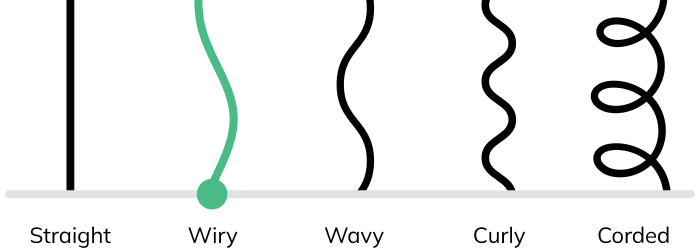
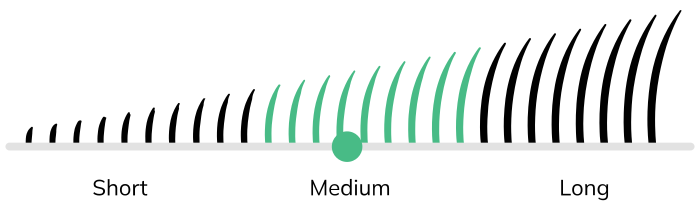
| Coat Type | Medium-length double coat, wiry texture |
| Grooming Needs |  |
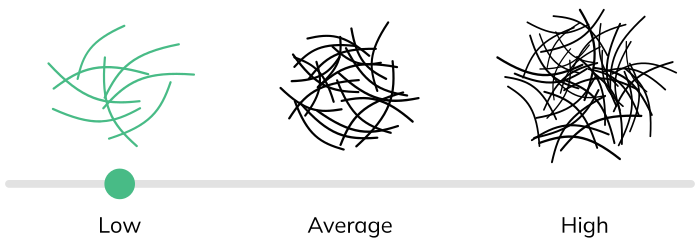
| Shedding |  |
| Temperament | Courageous, lively, intelligent, and protective |
| Good With Kids |  |
| Good With Other Animals |  |
| Intelligence | |
| Easy to Train | |
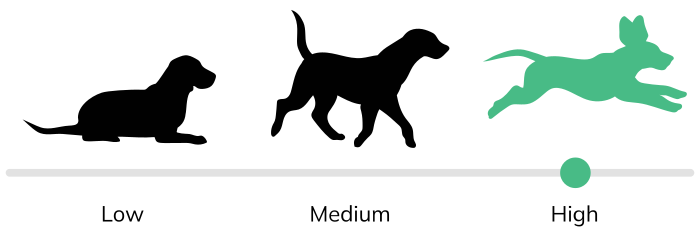
| Energy Level | |
| Barking Habits | |
| Lifespan | 13 to 16 years |
What Is the History of Standard Schnauzers?
The standard schnauzer is the original (and oldest) of the three recognized schnauzer breeds. While their exact roots aren’t known, they are thought to have originated from southern Germany, where they were selectively bred to be all-purpose farm dogs. They were used to guard livestock and rid the farm of vermin, as well as to alert their owners to potential threats.
Mentions and depictions of the breed can be found as far back as the 15th century. However, it wasn’t until the 20th century that official breed clubs were established, and the standard schnauzer’s qualities we know and love today really began to take shape.
The miniature and giant schnauzer breeds were also developed during this time. This was likely done by breeding the smallest schnauzers together to produce miniatures, and the largest together to produce giant schnauzers.
Standard schnauzers were originally known as “wire-haired pinschers,” and many breed enthusiasts still prefer to call them by this name. In Germany, they are also known as the “Mittelschnauzer,” which aptly translates to “Middle Schnauzer.”
An interesting fact about the standard schnauzer is that they actually had a pivotal role in World War 1. They served as protective guard dogs for the German army, as well as dispatch carrier dogs.
What Do Standard Schnauzers Look Like?
The standard schnauzer is a robust, sturdy dog with a rather unique (yet endearing) appearance. They have a distinctive rectangular-shaped head and strong muzzle, complete with bushy eyebrows, a lengthy beard, and dark brown oval eyes. Combined, these physical traits give them an almost human-like look — a quality that only adds to their appeal.
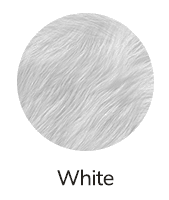
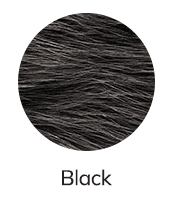
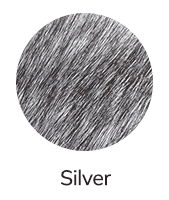
The standard schnauzer has a wiry double coat that can come in two recognized colors: Pure black or pepper and salt (shades of gray and silver). Markings are not permitted and are seen as a serious fault under breed clubs like the American Kennel Club (AKC).
What Size Is a Standard Schnauzer?
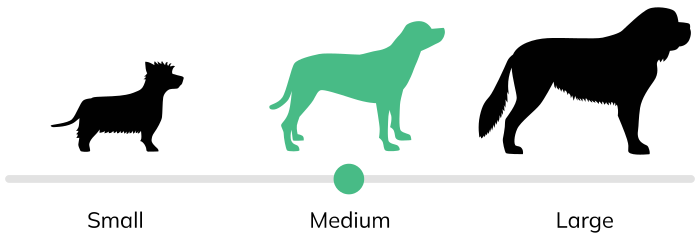
Standard schnauzers fall within the medium-sized breed category. Female standard schnauzers stand 17.5 to 18.5 inches tall at the shoulders and weigh between 30 and 45 pounds. Male schnauzers are usually larger than females, with most standing 18.5 to 19.5 inches tall in adulthood and weighing around 35 to 50 pounds.
What Is a Standard Schnauzer’s Coat Type and Length?
The standard schnauzer has a distinct medium-length double coat. Their top coat is hard and wiry in texture, while their undercoat is dense and short. They have prominent feathering around their muzzle — which gives them their famous bearded appearance — as well as around their eyebrows, ears, tails, and legs.
What Is a Standard Schnauzer’s Temperament?
The schnauzer has a personality that lives up to their remarkable looks: It’s lively, confident, and playful, with plenty of sass to spare. They’re also intelligent and alert to what’s happening around them.
While they can be stubborn from time to time, they’re generally eager to please and devoted. You can expect them to form attachments quickly and to want to be by their owner’s side throughout the day.
The standard schnauzer isn’t just a loving companion; it can also make an excellent watchdog and will go to great lengths to protect you from potential threats. Just be mindful that their vigilant side will need to be managed with early socialization and consistent training.
Are Standard Schnauzers Good With Kids?
The standard schnauzer can make a fantastic companion for children of all ages, especially if they’re introduced together early in life. They’re patient, tolerant, and have a natural, nurturing side. Their confidence, combined with their playful and energetic nature, also means they’ll happily partake in any of your kids’ games.
Are Standard Schnauzers Good With Other Animals?
Standard schnauzers can get along well with other dogs, provided they’re introduced carefully, and ideally, have grown up together. However, they aren’t the best fit for homes with small animals like cats or hamsters. They have very high prey drives and are likely to chase after small animals, especially if they haven’t undergone proper socialization or training.
Are Standard Schnauzers Aggressive?
Standard schnauzers aren’t inherently more aggressive than other breeds, and they’re generally very patient and tolerant dogs. However, they are vigilant and may exhibit behaviors like barking or growling if they sense a threat.
You can prevent aggressive behavior in your standard schnauzer with early socialization and training based on positive reinforcement (reward-based) methods. You should also ensure their needs are met, as restlessness and anxiety can sometimes manifest as aggression and destructive habits.
Do Standard Schnauzers Bark?
The standard schnauzer is fairly vocal and isn’t afraid to express their feelings to their fellow humans. Thanks to their watchdog roots, you should also expect them to bark when they spot a passerby or feel the need to alert you to potential dangers.
Barking is a normal form of communication for your pup, though if it becomes excessive, it’s important to manage this with consistent training to prevent noise complaints. You should also address any underlying problems, as excessive barking may be a sign of a health problem or unmet need.
Are Standard Schnauzers Affectionate?
Standard schnauzers may be reserved around other people, but with their families, they’re extremely affectionate and enjoy being included in all the day-to-day activities. They’ll love to snuggle up with you on the couch after a long walk or play session. They’ll also show their affection through their unwavering loyalty and protective nature.
Are Standard Schnauzers Intelligent?
The standard schnauzer is known for their high intelligence and alert nature. These qualities have allowed them to excel in an array of roles over the years, from an all-purpose farm dog and watchdog to a dispatch carrier dog in the war. They are also often used in search and rescue, as they’re extremely perceptive of their surroundings.

Are Standard Schnauzers Energetic?
Standard schnauzers are fairly active dogs, and they’ll benefit from plenty of opportunities to unleash their energy and work out their muscles. Most standard schnauzers will require at least an hour of exercise each day, split across two to three walks, as well as an hour of mentally-enriching play. They’ll also enjoy hikes and dog sports like agility.
Are Standard Schnauzers Easy to Train?
Standard schnauzers are generally easy to train because of their high intelligence and strong work drives. This can make them good candidates for advanced trick training and competitive obedience. That said, standard schnauzers are known to be stubborn at times and tend to do things on their own terms, particularly if the training isn’t engaging or they aren’t given enough motivation.
Being firm, gentle, and consistent during your standard schnauzer’s training sessions will help them thrive. You should also motivate them with positive reinforcement techniques.
Are Standard Schnauzers Good Watchdogs?
Standard schnauzers were selectively bred to be watchdogs, and they still retain these honed instincts today. They’re alert, perceptive, and protective, and they’ll be sure to warn you of any potential dangers or intruders. They’re also courageous and aren’t afraid to put themselves between you and a threat to keep you safe.
Are Standard Schnauzers Good Service Dogs?
Standard schnauzers can potentially make good service dogs, as they are work-driven and love to have their brains challenged. However, their potential for stubbornness can make them more difficult to train for service work than other breeds.
Their vigilant nature also means they may struggle to feel at ease in unfamiliar spaces, which can prevent them from performing their trained tasks effectively. This means you may want to consider another breed for service work.
That being said, standard schnauzers can thrive in other therapeutic roles, particularly as emotional support animals. Provided you can meet their needs, their presence is sure to offer comfort, affection, and a sense of security.
How to Care for a Standard Schnauzer?
The standard schnauzer is best suited to experienced owners, as they need consistent training, frequent grooming, and plenty of exercise to stay healthy and happy. Their vigilant nature and stubbornness also need to be carefully managed throughout their life.
In addition to this, you’ll want to make sure your standard schnauzer receives lots of mental stimulation throughout the day, as this will help give them an outlet for all their brainpower and energy. You should also take them to their routine vet checkups and invest in essential supplies, including comfortable bedding, toys, and dog food that satisfies their nutritional needs.
We’ll delve further into their care needs below.
Do You Need to Groom a Standard Schnauzer?
The standard schnauzer has a wiry double coat that needs regular brushing to maintain. Their feathered areas, particularly their beard, will also need extra attention as they’re particularly prone to matting and picking up debris.
As well as regular brushing, the standard schnauzer should be hand stripped to remove excess fur without damaging their coat. A professional groomer experienced with the breed can help with this, and they’ll also be able to wash them and carefully trim any problematic areas.

Do Standard Schnauzers Shed?
Standard schnauzers shed very minimally as their coats naturally trap the excess fur. Provided their coats are well-maintained, you aren’t likely to find fluff around the house (or on your clothes).
Standard schnauzers can be a good fit for those with mild fur sensitivities due to their low shedding frequency. However, as allergies are unique for every individual, always meet a schnauzer in person to see how you react before welcoming one home.
What Health Problems Do Standard Schnauzers Have?
Like every breed, the standard schnauzer is prone to developing certain health issues due to their genetic makeup. Your standard schnauzer isn’t likely to encounter all of these health problems — and they may not ever encounter them, particularly with proper care and good breeding.
However, you should still familiarize yourself with the most common health concerns and keep an eye out for them. This includes conditions such as:
- Cataracts: When the lens of the standard schnauzer’s eye becomes clouded over, leading to vision problems. Cataracts can be removed with surgery.
- Progressive retinal atrophy (PRA): An inherited, degenerative eye condition that affects the retina and eventually leads to blindness. While PRA isn’t treatable, it can be screened for with genetic testing.
- Pancreatitis: An adverse, inflammatory reaction that occurs within the pancreas, resulting in symptoms such as vomiting, a hunched posture, lethargy, appetite loss, and diarrhea. Pancreatitis requires urgent veterinary care, particularly as the condition puts them at a high risk of dehydration.
- Hip dysplasia: An abnormal development of the hip joint, resulting in pain, stiffness, lameness, muscle mass loss, and an unusual gait. Left untreated, hip dysplasia can lead to arthritis later in life. Treatment usually involves lifestyle modifications (such as exercise restriction), anti-inflammatory medication, and surgery.
- Hypothyroidism: A deficiency in the standard schnauzer’s thyroid hormones, leading to an increased appetite, weight gain, lethargy, and coat changes. Treatment involves daily administration of medication to replace the missing thyroid hormones.
If you suspect your standard schnauzer is experiencing one of these health concerns, it’s important to take them to a veterinarian as soon as you can. This will give your standard schnauzer the best chance of recovering.
How Long Do Standard Schnauzers Live?
The standard schnauzer’s lifespan is fairly long, with most dogs living for 13 to 16 years on average. You can help your standard schnauzer stay in good health throughout their life by scheduling routine vet appointments and watching out for unusual signs in their behavior or eating habits.
You should also exercise them regularly and feed them a nutritious diet — more on this below.
What Should a Standard Schnauzer Eat?
The standard schnauzer should be fed high-quality dog food that includes a mix of protein, healthy fats, vitamins, minerals, and fiber. Most standard schnauzers require around 1.5 to 2.5 cups per day, split across two to three separate meals.
Your dog’s exact dietary needs will depend on their health, age, and activity level, so it’s important to consult a canine nutritionist or a vet to help you formulate a diet that properly satisfies your schnauzer’s needs and prevents any deficiencies.
You should also avoid any overly-processed dog foods that don’t comply with the Association of American Feed Control Officials’ (AAFCO) standards. These will often contain poor-quality protein sources and unnecessary fillers and additives, like artificial flavorings.
Is a Standard Schnauzer the Right Dog for Me?
The standard schnauzer is a unique-looking dog with an even more unique personality. While it’s easy to be won over by their adorable qualities, it’s important to ensure you can fully meet their needs before committing to this breed.
The standard schnauzer may be the right dog for you if you’re happy to spend plenty of time with them throughout the day, and can commit to regular training sessions and daily coat maintenance. Due to their energetic nature, they also fare best with those who lead active lifestyles and will appreciate a furry hiking partner.
The standard schnauzer can also be an excellent fit for those after a watchdog, as they’re naturally vigilant and will alert you to any dangers. They can be vocal, though, so be mindful that they’re not a good choice if you live in an area with strict noise restrictions.
With those who can give the standard schnauzer what they need to stay happy and healthy, they’re sure to make a wonderful (and admirably courageous) best friend.