St. Bernard: Your Complete Guide
The St. Bernard is a very large working dog who, as the classic hit Beethoven movie revealed, is truly a gentle giant through and through. While there’s no denying that they are on the slobbery side, beneath all that drool (and fluff) is a protective, courageous, and affectionate companion who will go to great lengths to keep their loved ones safe.
If you’re considering adopting a St. Bernard, you likely have plenty of questions about the breed and what life would be like with this pup. In this complete guide, we’ll explore everything you need to know about St. Bernard’s personality traits, care needs, and history.
Table of Contents
Quick Look at the St. Bernard
Below is a quick glance at this special breed in terms of their physical characteristics, lifespan, temperament, and grooming needs.
| Weight/Height | Standing 26 to 30 inches tall, weighing between 120 and 180 pounds |
| Coat Type | Short, smooth double coat or a long, rough double coat |
| Grooming Needs |  |
| Shedding |  |
| Temperament | Charming, playful, loyal, and brave |
| Good With Kids |  |
| Good With Other Animals |  |
| Intelligence | |
| Easy to Train | |
| Energy Level | |
| Barking Habits |  |
| Lifespan | 8 to 10 years |
What Is the History of St. Bernard?
The St. Bernard’s courageous, loyal, and protective nature is a testament to their roots. Their origins go back thousands of years. However, the breed really took shape in the Swiss Alps, specifically on the Great St. Bernard pass that connects Switzerland to Italy. This mountain route was notoriously treacherous and dangerous year-round, and many travelers lost their lives in attempting to make the journey.
To help make the path safer, a compassionate monk named Archdeacon Bernard de Menthon established the Great St. Bernard Hospice at the highest point of the route. The hospice provided a place where travelers could worship and find shelter from the elements. Dogs (aka the ancestors of St. Bernards) were eventually introduced to the hospice. Over the years, these canines were selectively developed to protect and guard residents of the hospice, as well as to find and rescue lost trekkers.
They performed their duties remarkably well — so much so that tales of their skill travelled far and wide and popularized the breed throughout the world. Breed standards began to develop, which helped hone the breed further, and the St. Bernard was officially recognized by the American Kennel Club (AKC) in 1885. To this day, the St. Bernard is still utilized in search and rescue work. However, their gentle, loving nature has made them popular family pets too.
Here’s a fun fact: A St. Bernard of the time, known as Barry, is thought to have saved the lives of more than 40 people on this treacherous mountainous route. On his passing, his body was preserved through taxidermy and is displayed at the Natural History Museum in Berne today.
What Do St. Bernards Look Like?
The St. Bernard exudes power in every way, from their well-muscled, athletic build to their courageous yet imposing gait. They also have a distinctive deep chest, broad head, and an alert expression that conveys their intelligence.
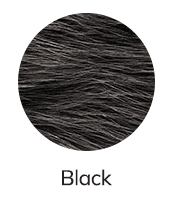
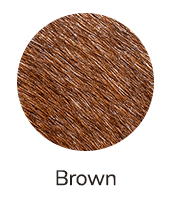
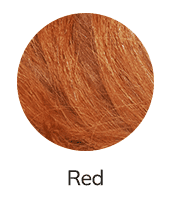
The St. Bernard can have either a smooth or long coat. Their fur comes in several different hues, though it is always mixed with white. The most common coat color combination is brown and white. However, colors like brindle, red, and rust are also accepted by the AKC’s breed standard. Some St. Bernards also have black markings.

What Size Is a St. Bernard?
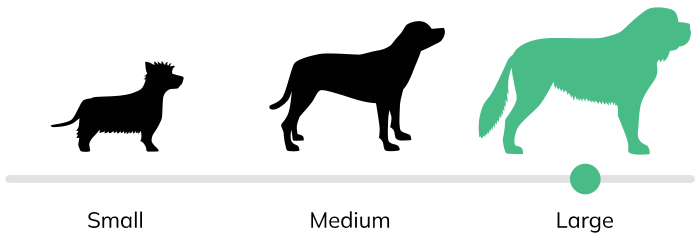
The St. Bernard may have a nurturing heart, but make no mistake: This gentle giant is a total powerhouse! They stand 26 to 30 inches tall at the withers and can weigh a remarkable 120 to 180 pounds.
Their exact size will depend on their genetics, health, and lifestyle factors like diet.
However, male St. Bernards are usually larger than females. Males have an average height of 28 to 30 inches and weigh 140 to 180 pounds, while females typically only reach up to 28 inches tall and weigh 120 to 140 pounds.
What Is a St. Bernard’s Coat Type and Length?
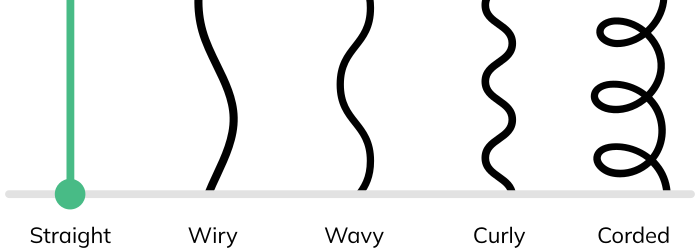
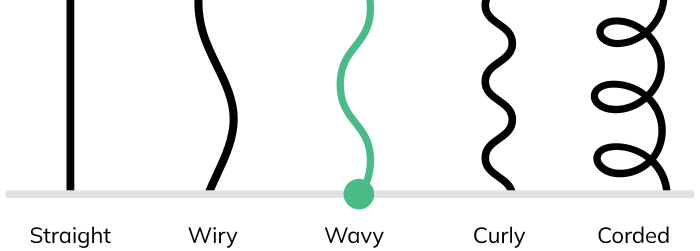
The St. Bernard has a distinctive bi-colored double coat that comes in two different varieties: smooth or rough. The smooth coat is dense, short, and tough, with slight feathering around the tail and thighs. In comparison, the rough coat is medium in length and slightly wavy, with more prominent feathering. Both coats help to protect St. Bernards from the elements.


What Is a St. Bernard’s Temperament?
If their history as a remarkable search and rescue dog wasn’t a giveaway, the St. Bernard is an extremely affectionate, courageous, and loyal dog. They are protective of their loved ones and form strong bonds. They like to think of themselves as “oversized lap dogs” — a trait you’ll need to watch out for if you value having space on the couch!
The St. Bernard’s personality allows them to get along well with everyone, though they do have some possibly challenging traits to be aware of if you’re looking to adopt one. They are people-oriented dogs and need a lot of companionship throughout the day to stay happy. Otherwise, they may experience anxiety and turn to unhealthy behaviors like excessive barking or chewing up furniture to cope. We’ll take a closer look at their personality traits and unique quirks below.
Are St. Bernards Good With Kids?
The St. Bernard is a sweet-natured dog who has often been nicknamed a “nanny dog” because of how nurturing and gentle they are with their loved ones. This loving, patient side extends to kids of all ages, too. Their sturdy physique means they can even handle rough play and join in on any vigorous game, making them wonderful (and adorably fluffy!) playmates.
St. Bernards are extremely fond of young kids and won’t easily get startled by sudden movements, loud noises, or excitable pats. However, considering their size, it’s crucial to always have an adult supervise their interactions together. Kids should also be taught how to behave around them appropriately.
Are St. Bernards Good With Other Animals?
St. Bernards can get along well with other dogs, cats, and small pets, provided they’re introduced together positively and gradually. They aren’t known to have high prey drives and also aren’t likely to chase after wild animals outside of the home.
Still, be mindful that the St. Bernard is a powerfully built dog. They can accidentally injure small, fragile animals if they get too excited during play, so they’ll need to be kept a close eye on. If you plan on taking your St. Bernard to public dog parks, you should also make sure to stick to large-breed designated areas.
Are St. Bernards Aggressive?
St. Bernards may look imposing, but they are extremely gentle dogs who are rarely ever aggressive. They’re generally friendly with everyone they meet, including strangers. They also aren’t likely to snap or growl or exhibit territorial behavior.
However, remember that aggression can occur in any breed. To ensure your St. Bernard lives up to their “gentle giant” reputation, make sure to provide it with consistent, positive guidance and socialization. Expose them to an array of people, animals, and settings.
Do St. Bernards Bark?
St. Bernards do have loud, powerful barks. However, luckily for our ears (and your neighbors), they rarely ever feel the urge to put their vocal cords to use. St. Bernards are fairly quiet dogs, and they’ll typically only bark to alert their loved ones if they feel something is amiss.
That said, this doesn’t mean you should consider this breed for apartment life. While they are quiet, St. Bernards need a lot of space to feel at home, as well as access to a backyard where they can stretch and play.
Are St. Bernards Affectionate?
The St. Bernard sees their favorite humans as their whole world, and they aren’t afraid to show this! They are incredibly affectionate and love to cuddle, play, and bond with their loved ones.
Most St. Bernards especially love belly rubs and a good scratch behind the ears, though every dog will have their own preferences. Your St. Bernard will likely tell you what feels best for them with plenty of tail wags!
Are St. Bernards Intelligent?
St. Bernards were used as search and rescue dogs for years (and still are!), so it shouldn’t come as a surprise that they’re some of the most intelligent dogs around. They’re adept at tracking, smart enough to learn advanced commands, and are capable of thinking on their “paws” in times of crisis. They’re also extremely alert and able to pick up on even the smallest change in their environment.

Are St. Bernards Energetic?
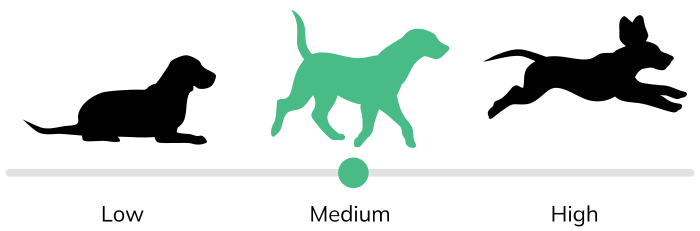
St. Bernards are athletically built, well-muscled dogs who can handle any vigorous activity or hiking route with ease. However, they don’t actually need endless hours of exercise to thrive like certain working breeds (looking at you, border collie).
Most St. Bernards are moderately active dogs who will be content with around 45 minutes of exercise each day. You can split this across two separate walks throughout the day or one long stroll, depending on what suits your schedule and your St. Bernard’s preferences.
Are St. Bernards Easy to Train?
St. Bernards are people dogs who love to soak up praise and attention. This attitude, combined with their high intelligence, makes them generally easy to train. They can pick up tricks with ease and will readily see training sessions with their loved ones as a fun bonding experience. Beyond trick training, they are also highly work-driven and excel at various working roles and dog sports.
Still, some St. Bernards can be strong-willed with an independent streak. It’s essential to begin their training and socialization as soon as you can to prevent pesky habits from arising, particularly as their large, powerful build can make unwanted behaviors all the more difficult to manage.
Are St. Bernards Good Watchdogs?
While the St. Bernard is a sharp, perceptive dog who will often bark to alert their family of strangers, their gentle nature means they’re more likely to greet intruders with tail wags and slobbery kisses rather than growls. However, they can still be some of the best watchdogs around. Their imposing appearance alone is often enough to deter intruders.
Are St. Bernards Good Service Dogs?
St. Bernards don’t just excel as search and rescue dogs; they can also make remarkable service animals. In fact, they’re one of the most utilized breeds in this line of work today. They owe this to their intelligence, strong work drive, patience, and calm, nurturing nature. Their large, powerful physique means they can also fulfil even physically demanding service tasks like wheelchair pulling and balance assistance.
How to Care for a St. Bernard?
Caring for a St. Bernard is a big responsibility — and yes, this is in part because of their extra-large size! However, the challenges involved can be incredibly rewarding, especially as you get to see your St. Bernard grow to become a loving, faithful friend like no other.
The St. Bernard should be exercised every day, groomed occasionally, and fed a protein-rich diet. They also need consistent training and socialization. Read on for a closer look at how to care for this oversized lapdog and give it the life it deserves.
Do You Need to Groom a St. Bernard?
While the St. Bernard has two different coat varieties, both types have similar grooming needs. You will need to give your St. Bernard a thorough brush at least once a week to prevent tangles and mats from forming. During periods of heavier shedding as the seasons change, you’ll need to brush their coat daily to help remove excess loose fur.
Besides brushing, you should wipe their skin folds to prevent infections, wash their coat every month, and check their ears regularly for wax buildup or other concerns. You should also clean their teeth daily with dog-friendly toothpaste and trim their nails if they grow too long.
Considering their drool tends to get everywhere and anywhere, you may also want to invest in some high-quality towels and cleaning supplies to keep your home as slobber-free as possible.

Do St. Bernards Shed?
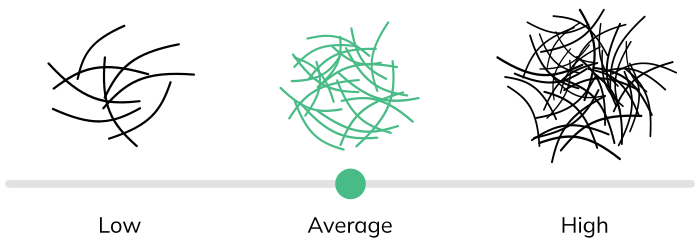
St. Bernards are generally moderate shedders year-round. However, they do blow their coats during seasonal changes to help them adapt to the elements and changing temperatures. During these periods, you can expect them to shed heavily, and your grooming routine will need to be adjusted accordingly.
What Health Problems Do St. Bernards Have?
St. Bernards are reasonably healthy, though they are at a greater risk of certain health conditions because of their physiques and genetics. Some of the most common health problems seen in the breed include hip and elbow dysplasia, cruciate ligament disease, skin irritation, dilated cardiomyopathy, and Osteochondrosis dissecans (OCD).
Many of these conditions can be screened for, so it’s crucial to work with a responsible breeder. You should also make sure to take your St. Bernard to their routine vet checkups and be alert for any sudden changes in their behavior, eating habits, or energy level.
The St. Bernard’s deep, broad chest also makes them particularly susceptible to a condition known as Gastric Dilatation Volvulus (GDV), or bloat. This occurs when their stomach bloats and twists in on itself, and often shows up as restlessness, a swollen abdomen, pacing, and dry retching. If you suspect your St. Bernard is experiencing bloat, it’s vital to take them to an emergency veterinarian immediately. Bloat can be fatal if left untreated and requires urgent care.
How Long Do St. Bernards Live?
Unfortunately, St. Bernards have a rather short lifespan when compared to other breeds, primarily because of their large size and risk of health complications like bloat. The St. Bernard’s lifespan is around 8 to 10 years on average. You can help your St. Bernard lead a long life by providing proper nutrition and ensuring you take them to their routine vet appointments.
What Should a St. Bernard Eat?
St. Bernards require a diet that’s high in protein, healthy fats, minerals, and vitamins, and is specially tailored to their size and age. Avoid cheap, heavily processed dog foods. They usually contain unnecessary fillers and additives, and won’t give your St. Bernard adequate nutrition.
A veterinarian or a canine nutritionist can help you formulate a healthy diet and pick out a suitable dog food. However, as a starting point, look for food that satisfies AAFCO standards and adheres to strict manufacturing and food safety regulations. Measure your St. Bernard’s portions carefully to prevent overfeeding.
As St. Bernards are at a high risk of bloat, it’s important to split their daily calorie consumption across several small meals throughout the day. You should also avoid exercising them immediately after or before their mealtimes.
Is a St. Bernard the Right Dog for Me?
The St. Bernard is a remarkable companion who is packed full of love and courage. They’re also often considered to be “nanny dogs” because of how gentle and nurturing they are. However, their large size and higher risk of health complications do mean they’re best suited to experienced dog owners. They also often experience separation anxiety and need to have someone around the house throughout the day to feel at ease.
The St. Bernard may be your perfect match if you have the time and space to fulfill their needs, don’t mind slobber and drool, and love the idea of a pup who will get along great with your kids.