Spinone Italiano: Your Complete Guide
Many people who want a large dog worry that size automatically means high energy, constant chaos, or a tricky temperament. While that’s true for some big breeds, the spinone Italiano is surprisingly calm and adaptable for its size.
These dogs have a shaggy look to match their sweet, easygoing personality. You can easily picture them looking cute and full of character in your family photos. However, life with a spinone Italiano involves more than admiring their appearance.
This guide answers the most common questions regarding this breed’s history, temperament, exercise needs, trainability, nutritional requirements, grooming needs, and more.
Quick Look at the Spinone Italiano
Below is a quick summary of the spinone Italiano’s defining traits and general care considerations.
| Weight/Height | 23-27 inches (male), 22-25 inches (female)
The weight is in direct proportion to a dog’s overall build. |
| Coat Type | Dense, wiry, single, medium-length coat |
| Grooming Needs |  |
| Shedding |  |
| Temperament | Sweet, gentle, affectionate, patient, docile |
| Good With Kids | |
| Good With Other Animals |  |
| Intelligence | |
| Easy to Train | |
| Energy Level | |
| Barking Habits | |
| Lifespan | 10-12 years |
What Is the History of Spinoni Italiani?
The spinone Italiano boasts a long and fascinating history dating back centuries in Italy. Bred in the Piedmont region, these dogs worked in hilly, alpine terrain filled with thorny vegetation, marshes, and uneven ground. The name “spinone” is linked to “pino,” referring to the rough undergrowth of the landscapes where they hunted.
To succeed in such environments, the breed needed strength, endurance, and a protective coat that could withstand all weather conditions. These dogs could track and point game, retrieve on land or from lakes, and continue working hour after hour without losing focus.
Unlike faster, more fiery pointing breeds, the Italian spinone was bred to move methodically and cover ground at a steady pace while maintaining close contact with its handler. This made them especially valuable to hunters who wanted a dog that wouldn’t range too far ahead or ignore commands in pursuit of game.
The breed nearly became extinct during World War II due to food shortages and the general devastation across Europe. Dedicated Italian breeders worked hard to preserve and rebuild the spinone population after the war. They carefully selected dogs that maintained the breed’s traditional structure and temperament.
Today, the spinone Italiano is recognized worldwide as a capable hunting companion and a calm, affectionate family dog.
What Do Spinoni Italiani Look Like?

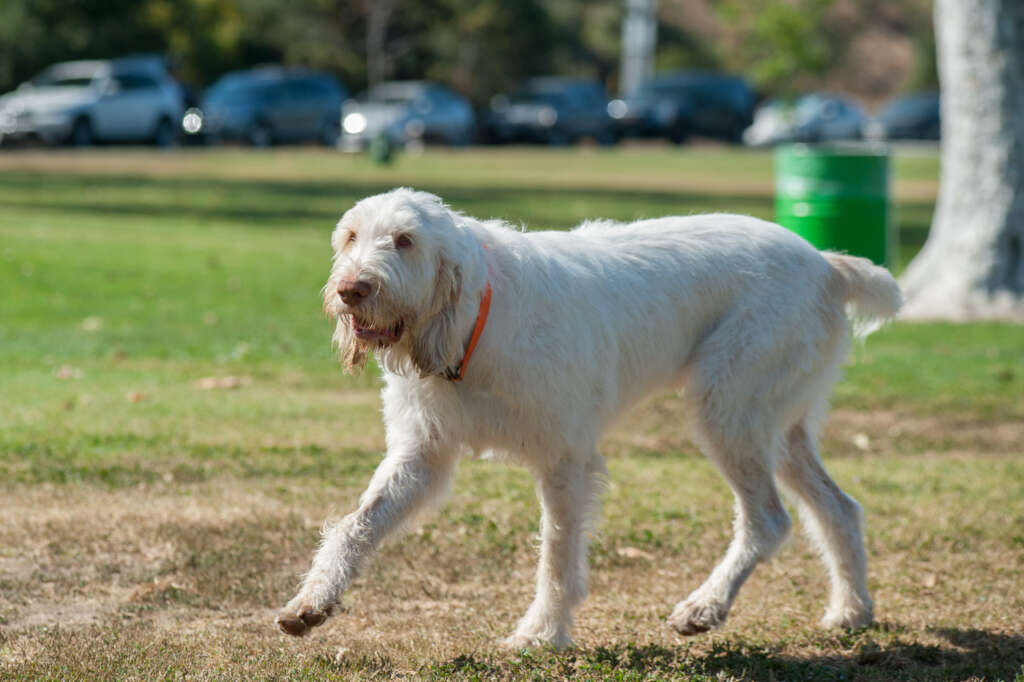
The spinone Italiano’s bushy eyebrows and shaggy facial hair give them a very distinctive appearance compared to other sporting breeds. These dogs have strong bones, a deep chest, and a slightly rectangular body shape. Large feet and a somewhat uneven, two-piece topline give these dogs excellent balance and stability on rough or uneven ground.
One of their most recognizable features is their long, oval-shaped head, with a pronounced brow, drooping lips, and soulful eyes that often give them a thoughtful or slightly sad, human-like expression. The tail is carried horizontally or slightly raised, especially when the dog is alert or working.
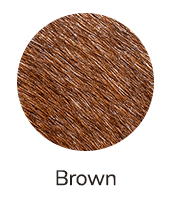
Coat colors include solid white, white with orange or brown markings, or roan patterns in orange or brown. The brown should ideally be chestnut, but other shades may be acceptable according to the breed standard. These natural, muted tones help the spinoni Italiano blend into hunting environments.
What Size Is a Spinone Italiano?
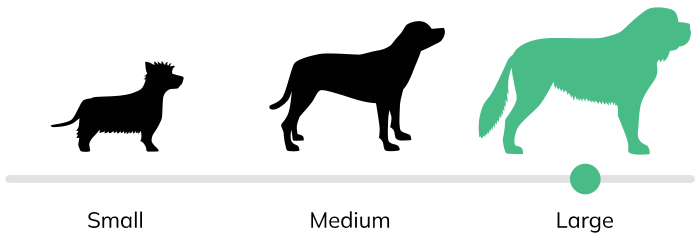
The spinone Italiano is a large breed. The height of a male dog is between 23 and 27 inches, while females are slightly shorter at 22 to 25 inches. These dogs need enough space to move comfortably, whether indoors or outdoors.
Weight isn’t defined by a strict number for this breed. It should match the dog’s height, bone structure, and muscle tone. A spinone Italiano in good condition appears strong and well-muscled, without looking heavy or overweight. Their body proportions are close to square, meaning the length from shoulder to rear is roughly the same as the dog’s height.
What Is a Spinone Italiano’s Coat Type and Length?
This breed has a single, wiry coat to help protect the dog while moving through brush, rough terrain, and cold conditions. There’s no undercoat. The hair is coarse and dense, lying relatively flat along the body.
In terms of length, the ideal coat measures about 1½ to 2½ inches on the body. The hair is noticeably shorter on the head, ears, along the top of the muzzle, and on the front sides of the legs and feet.
On the backs of the legs, the hair forms a rough, brush-like texture, but it never develops into flowing fringes. Long, stiff hair around the eyes and mouth creates the breed’s signature eyebrows, mustache, and beard.
The Italian spinone’s coat is meant to remain natural, in line with its role as a hardworking field dog, instead of being heavily styled.


What Is a Spinone Italiano’s Temperament?
Spinoni Italiani have a calm, sociable temperament. They love being around familiar faces and are usually polite around strangers. These dogs are also very patient. They can tolerate slower-paced environments and handle change without becoming anxious or reactive.
Their docile nature makes them easier to handle and live with than many high-strung sporting breeds, especially for first-time dog parents. This quality also contributes to their reputation as excellent family dogs.
Are Spinoni Italiani Good With Kids?
The spinone Italiano personality is all about being gentle and affectionate, which makes these dogs a good match for families with children. They don’t become overly stimulated by the noise, movement, and unpredictability of family life. Also, they’re not easily startled and tend to respond calmly to accidental bumps or clumsy handling from younger children.
That said, supervision is always important, particularly with very young kids, because of the breed’s size. The best-case scenario would be to adopt or buy a puppy and raise them with your kid. Teach boundaries to both to make sure they grow up safe and comfortable around one another.
Are Spinoni Italiani Good With Other Animals?
Many spinone dogs enjoy canine companionship and are less likely to show dominant or aggressive behavior. Their submissive nature allows them to adjust easily to shared spaces and routines.
This breed can also coexist peacefully with cats when properly introduced. Their hunting background does mean they may have some interest in small animals, but they’re generally less prey-driven than many other sporting breeds. Early socialization plays an important role in shaping how they interact with other pets.
Are Spinoni Italiani Aggressive?
Most spinoni Italiani are friendly, tolerant, and emotionally stable. Aggression is rarely a concern with this breed. Reactive behaviors, such as growling or defensive snapping, aren’t their thing.
However, it doesn’t mean it’s okay to test their patience. Ignoring their needs, stressful/fear-based experiences, or prolonged isolation can negatively impact a dog’s behavior.
Early exposure to different environments and consistent training are part of responsible ownership for this sporting breed. With this approach, there’s no reason that your furry baby won’t grow into a well-mannered dog that interacts peacefully with people and other animals.
Do Spinoni Italiani Bark?
Barking isn’t a habit of spinoni Italiani. These dogs like to observe and assess a situation before reacting, which results in fewer unnecessary vocal outbursts. When they do bark, it is to communicate something to their owners, rather than out of anxiety or excitement.
This makes them more suitable for shared living spaces than many vocal breeds, though you’ll still have to consider their size and need for space for apartment living.
That said, environmental factors matter. A spinone that lacks stimulation or feels isolated may bark more than usual. You need to maintain a consistent routine with enough activity and interaction, and reward calm behavior to prevent barking from becoming a habit.
Are Spinoni Italiani Affectionate?
Affection is one of the Italian spinone’s strongest qualities. These dogs enjoy being physically close to the family members, getting pets, and feeling like they’re part of the daily routine. While they’re not lapdogs due to their size, leaning against you and resting nearby while household activities go on around them is their way of showing love.
On the flip side, their need for companionship also means they don’t do well in homes where they’re frequently left alone. If you suspect your spinone struggles with separation anxiety, you can help build their confidence through crate training and gradual alone-time practice.
Are Spinoni Italiani Intelligent?
Yes, spinoni Italiani are considered highly intelligent. They’re quick learners with great observational skills and a natural ability to work alongside humans. You can teach them anything! From everyday household manners to multi-step tasks and advanced tricks, as long as you guide them clearly and use praise, food rewards, and playtime to keep them motivated.
These dogs do exceptionally well in activities that require focus, such as scent work and retrieval. However, sometimes, you might notice your furry friend taking a bit longer to respond to your commands. It’s not because they don’t understand what you’re saying, but because they prefer to think things through before reacting, or maybe because they got distracted.

Are Spinoni Italiani Energetic?
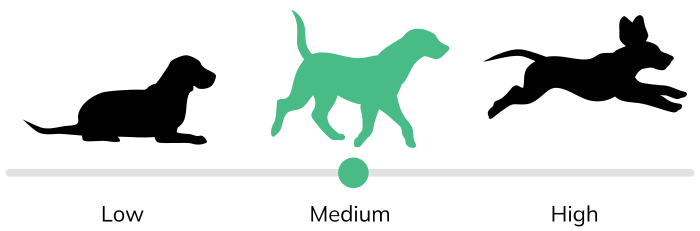
This breed has moderate energy levels. While spinone Italianos have the stamina for long hours in the field, they don’t need to be constantly active. With daily walks, supervised outdoor time, and simple enrichment activities, you’ll have a happy, content companion ready to relax at home afterward.
Spinoni Italiani also have a highly developed sense of smell, so games that involve sniffing and tracking are their favorite way to expend their energy.
Are Spinoni Italiani Easy to Train?
Although these dogs are eager to please, they weren’t bred to obey commands like a robot. They’re still very easy to train, though, given that you work with their intelligence instead of trying to overpower it.
In other words, you need to make sure they understand the purpose of what you ask them to do and what they’ll get for complying. Rewards can include their favorite treats, words of encouragement, toys, short play breaks, or extra outdoor time.
Keep in mind that this breed is sensitive to tone and body language. Harsh, overly demanding, or repetitive sessions can cause a spinone Italiano to disengage.
Are Spinoni Italiani Good Watchdogs?
While spinoni Italiani are attentive and tuned in to their environment, they’re not traditional watchdogs. They may alert you with a short bark when someone arrives or when they hear unfamiliar noises, but they don’t have the territorial drive or suspicion needed for actual watchdog duties.
In fact, their friendly and sociable nature means these dogs are more likely to greet visitors than scare them away after a few moments of observation.
Are Spinoni Italiani Good Service Dogs?
Spinoni Italiani can make good service dogs in the right circumstances that require calmness, emotional awareness, and a close human-dog connection. They’re patient, naturally cooperative, and super attentive to human cues. They’re also less likely to overreact to sudden noises or crowds, which is great for service tasks that involve crowds.
That said, these dogs aren’t ideal for every type of service work. Since they’re thoughtful and sometimes independent, they may not perform repetitive tasks with the same precision as more drive-focused breeds. However, when trained well, they can make great guide/hearing dogs for people with disabilities, emotional support pets, and therapy dogs in hospitals or nursing homes.
How to Care for a Spinone Italiano?
As a large working breed, the spinone Italiano needs enough space to move comfortably and a lifestyle that allows for some sort of daily exercise. Brief walks every other day and low-impact activities help maintain joint health while meeting the breed’s natural stamina.
Emotionally, spinoni are gentle and sensitive dogs who do best in calm, stable environments. They love being close to their family and feel secure when included in daily life. Whether accompanying the family on errands, keeping an eye on the kids during homework, or quietly sitting nearby during meal prep, they enjoy having a meaningful role in the household.
Apart from this, you should make time for activities that mentally challenge a spinone Italiano. Puzzle toys, interactive games, and nose work exercises are all great for preventing boredom.
Do You Need to Groom a Spinone Italiano?
Yes, a spinone Italiano needs regular grooming. While their coat is best kept in a natural state, consistent brushing and care are necessary to keep it healthy and functional.
Instead of being clipped or scissored, their coat should be hand-stripped to remove dead hair and maintain the correct texture and length. This is generally between 1.5 and 2.5 inches. The hair on the legs should remain brushy and column-shaped, and the tail should be free of feathering.
You should also clean the dog’s ears at least once a week to prevent buildup and infections, especially since this breed’s ear shape can trap moisture. Nail trimming should also be done weekly to keep your furry companion comfortable and prevent joint strain.

Do Spinoni Italiani Shed?
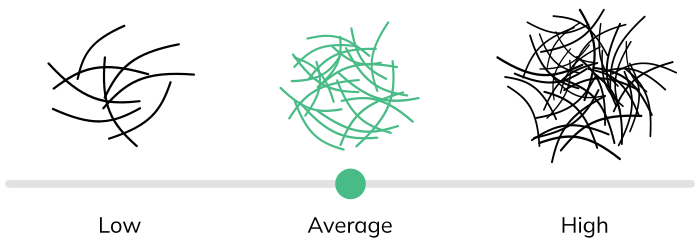
Spinoni Italiani shed at a low to moderate level. Their wiry, single coat holds onto dead hair until it’s removed through grooming, which can make shedding seem minimal if you maintain the coat well. Without regular grooming, however, loose hair can build up and shed more noticeably.
Hand-stripping and routine brushing help remove dead hair before it ends up around the house. Regardless, this breed isn’t considered hypoallergenic and may still trigger sensitivities in some people.
What Health Problems Do Spinoni Italiani Have?
Like many large breeds, spinoni Italiani can be prone to hip and elbow dysplasia. These conditions affect joint development and can lead to discomfort or mobility issues over time.
Responsible breeders address this risk by performing hip and elbow evaluations on their breeding stock.
Early warning signs of joint problems include stiffness after resting, difficulty getting up, reluctance to jump or climb stairs, limping, or a noticeable change in activity level. Some dogs may also show subtle signs, such as lagging on walks or avoiding play they once enjoyed.
Spinoni Italiani can also be affected by eye anomalies, ranging from mild conditions to more serious concerns that can affect vision. You should watch for symptoms, such as excessive tearing, redness, cloudiness, squinting, or sensitivity to light. Regular veterinary eye exams will help detect problems early.
In addition, you should have your dog’s ears checked regularly for redness, odor, or buildup. The teeth should also be brushed using dog-safe toothpaste.
How Long Do Spinoni Italiani Live?
On average, the spinone Italiano lifespan ranges from 10 to 12 years. While genetics play a role, overall longevity is strongly influenced by factors such as diet, exercise, weight management, and routine veterinary care.
What Should a Spinone Italiano Eat?
A spinone Italiano should eat a high-quality dog food that meets their nutritional needs. This can be a trusted commercial brand or a home-prepared diet, as long as the latter is approved by a veterinarian. Puppies, adults, and senior dogs all need different nutrients, so it’s important to choose food that matches your dog’s age.
Some spinoni can be picky eaters, so it helps to stick to a routine. Avoid changing foods too often, and be careful with feeding table scraps to your furry baby. Some human food items can be harmful to them.
You should also know that stress around feeding can affect digestion and increase the risk of bloat in this breed. Feed your dog in a quiet space and give them time to relax after meals to help prevent digestive issues. If you’re ever unsure about your dog’s weight or eating habits, your vet is the best person to ask.

Is a Spinone Italiano the Right Dog for Me?
Choosing a spinone Italiano comes down to personality compatibility more than anything else. These dogs are affectionate, thoughtful, and people-oriented, but they’re not suited to every home. They prefer calm environments, consistent routines, and owners who respect their intelligence and independence.
If you’re ready to commit to meeting an Italian spinone’s physical and emotional needs, you’ll gain an adorable and devoted family dog for life.