Shihpoo: Your Complete Guide
The shihpoo, a designer breed created by crossing a shih tzu and a poodle together, is an adorable (and cuddly!) pup with an even sweeter disposition. They have surged in popularity across the US and can suit a wide range of homes and individuals. They’re a particularly great fit for families, as they’re devoted and get along tremendously well with kids.
Shihpoos come in a few different sizes, with their exact size depending on which poodle size variety they have been mixed with. However, they’re usually small dogs and can adapt to apartments as long as they’re given enough mental stimulation and exercise. They also have low-shedding coats and respond to training well, making them rather easy to care for compared to many other breeds.
Still, if you’re thinking of making a shihpoo a part of your family, it’s important to learn all you can about their care needs and traits. That’s where our team at Dog Academy comes in!
Below, we’ll walk you through everything you need to know about the shihpoo to help prepare you (and turn you into a breed expert). We’ll cover their care needs, history, temperament, common health concerns, and more. Let’s start with a quick look at the shihpoo.
Table of Contents
Quick Look at the Shihpoo
Below is a quick glance at this special breed in terms of their physical characteristics, lifespan, temperament, and grooming needs.
| Weight/Height | Standing 8 to 18 inches tall, weighing 12 to 30 pounds |
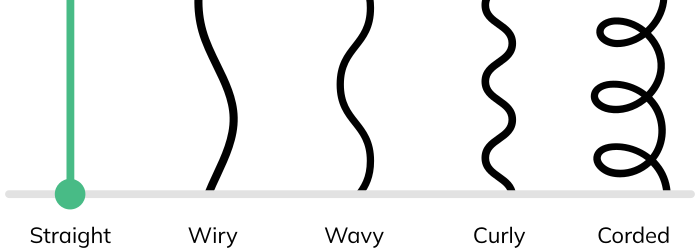
| Coat Type | A long coat that’s straight or curly in texture |
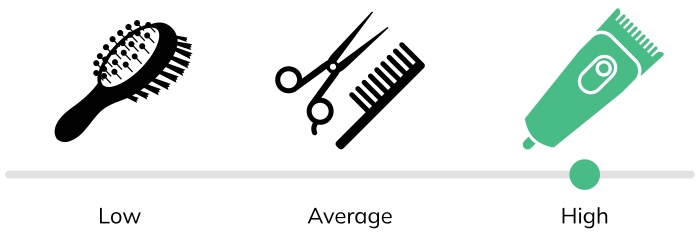
| Grooming Needs |  |
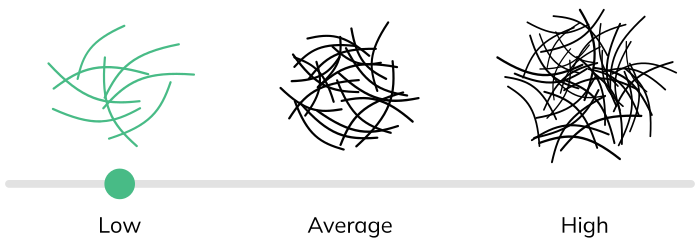
| Shedding |  |
| Temperament | Playful, affectionate, smart, and friendly |
| Good With Kids | |
| Good With Other Animals |  |
| Intelligence | |
| Easy to Train | |
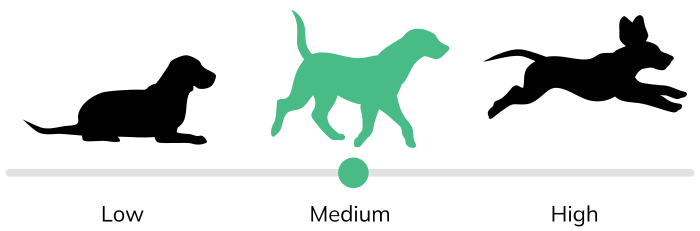
| Energy Level |  |
| Barking Habits | |
| Lifespan | 10 to 18 years |
What Is the History of Shihpoos?
The shihpoo is a mixed breed, and their origins are hard to identify. While shihpoo mixes have likely existed for decades, the purposeful breeding of this mix likely began in the late 1990s, when designer breeds first surged in popularity.
It’s possible that designer breed enthusiasts were attempting to create a dog who had the affectionate and loving nature of the shih tzu with the healthier, more robust physical build of the poodle.
To better understand the potential traits of the shihpoo, it’s important to take a close look at the history of their parent breeds. The poodle was first developed in Germany and was selectively bred to retrieve downed waterfowl for hunters. Many of the traits seen in the breed, including their water-resistant coat, quick wits, and agile physique, are what allowed them to excel in this line of work.
Poodles later found popularity in France, where people were quickly enamored with the breed’s high trainability and captivating looks. Poodles were used as companions and served various roles over the years, including even as circus dogs. Toy and miniature size varieties were developed, and the poodle as a breed was officially recognized by the American Kennel Club (AKC) in 1887.
In comparison, the shih tzu is an ancient breed that has been around for centuries. They are believed to have originated from Tibet, and they were particularly prized in China because they resembled a lion, an animal considered sacred under Buddhism. They were often gifted to Chinese royalty in the Ming Dynasty.
The “shih tzu” breed name actually pays homage to their lion-like looks, with “shih tzu” translating to “little lion.” Of course, their looks alone weren’t the only reason they were considered such a blessing. They had a dignified, friendly, and affectionate temperament that made them wonderful companions. These very same qualities have made them popular family pets worldwide today.
What Do Shihpoos Look Like?
Unlike a purebred dog, there isn’t an official breed standard for the shihpoo. Their exact appearance will depend on the combination of physical traits they inherit from their parents. Generally, you can expect a shihpoo to be a small-to-medium dog with a compact physique, long coat, and an alert yet warm expression.
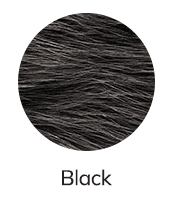
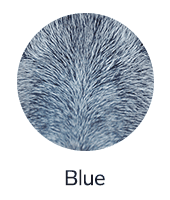
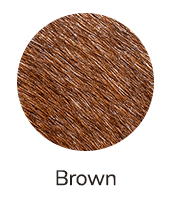
Shihpoos who take on more of the poodle’s qualities will have fur that’s curly and dense in texture, while pups who are more akin to their shih tzu parent will have long, straight fur. Their coats can come in various colors and color combinations, including black, brindle, liver, white, red, silver, brown, blue, cream, and gray.

What Size Is a Shihpoo?
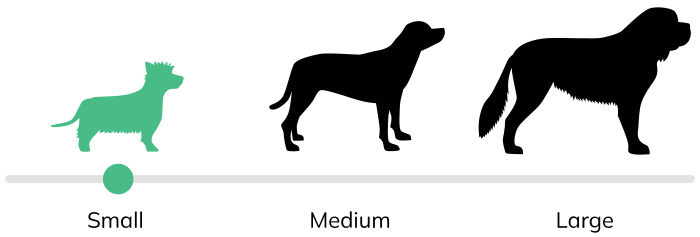
The shihpoo’s size can vary due to the mixed nature of the breed, though they usually stand 8 to 18 inches tall at the withers and weigh between 12 and 30 pounds. Shihpoos that are mixed with toy poodles may stand even smaller than this.
If you’re considering purchasing a shihpoo puppy, it’s important to meet their poodle parent to get an idea of their potential adult size.
What Is a Shihpoo’s Coat Type and Length?
The shihpoo can inherit either the shih tzu’s coat type or the poodle’s coat. The shih tzu has a double coat made up of a soft undercoat and a long, dense, and flowing top coat. Their coat gives them a majestic appearance — befitting of their history as the companions of Chinese royals.
The poodle also has a long, dense double coat, though in contrast, their topcoat is curly and harsh in texture. Like many water retriever dogs, their fur naturally repels water and protects their skin from rough terrain and foreign debris.


What Is a Shihpoo’s Temperament?
The shihpoo’s personality is more unpredictable than a purebred dog’s, so it’s best to meet the shihpoo you’re looking to adopt in person to get an accurate idea of their temperament.
That said, since both poodles and shih tzus have some similar personality traits, you can expect your shihpoo to have these qualities too. This means shihpoos are usually affectionate, quick-witted, and gentle with everyone they meet.
Both poodles and shih tzus are prone to separation anxiety, so it’s important to watch out for this in your shihpoo. They shouldn’t be left alone for more than a few hours at a time, as they may become stressed and exhibit destructive behaviors. When you do need to leave your shihpoo alone, make sure to provide them access to chew-proof toys, long-lasting treats, and comforting blankets to help distract them and ease their anxiety.
Are Shihpoos Good With Kids?
It’s impossible for children not to want to play and cuddle up with the adorable shihpoo — and luckily, this pup will be more than receptive to this! They love attention in any form and are incredibly patient and affectionate with kids. They also love to play and will enjoy being included in their games.
While shihpoos get along fantastically with kids, you should always keep a close watch on their interactions to ensure they both treat each other with respect and care. This is particularly the case for little ones, who may play roughly and startle the shihpoo.
Are Shihpoos Good With Other Animals?
Shihpoos often get along great with dogs, especially those they have been raised with from a young age. They typically don’t demonstrate any resource guarding or other problematic territorial behaviors, and will likely appreciate having another four-legged playmate around to keep them occupied.
That said, shihpoos can sometimes have a prey drive and may be tempted to chase after small animals like birds, particularly if they inherit more traits from their poodle parent. While this can pose some challenges, that doesn’t mean they can’t be housed with small pets. Training and socialization can help manage their prey drive, and they’ll often get along well if they’re introduced together carefully.
Are Shihpoos Aggressive?
Shihpoos aren’t known for being aggressive, as they’re generally very sweet-natured, patient, and tolerant dogs at heart. Still, any dog has the potential to display aggressive behaviors. This is especially the case if their needs aren’t met or they feel anxious or stressed.
You should dedicate time each day to your shihpoo’s training and socialization to help prevent aggressive tendencies, and you should also rule out any underlying cause behind their behavior (e.g, not enough exercise).
Do Shihpoos Bark?
Shihpoos can be vocal, though they usually only bark if they’re excited during play or trying to catch your attention. They may also bark to alert you of visitors and passersby. Training can help curb excessive barking, and shihpoos are smart and eager enough to pick things up quickly.
Even when the shihpoo barks, their voice is rather quiet and likely won’t lead to any noise complaints from neighbors. They can be a great fit for apartments, particularly when you also factor in their compact size and adaptable nature.
Are Shihpoos Affectionate?
Shihpoos are proud lap dogs. They enjoy being pampered with plenty of cuddles and will reciprocate with licks and tail wags. Don’t be too surprised if they follow you from room to room — and yes, that even includes those mid-movie bathroom breaks! Shihpoos are also generally sociable dogs with everyone and will warm up to strangers quickly.
Are Shihpoos Intelligent?
This mix is the combination of two extremely intelligent breeds, so you can expect the shihpoo to be no different. They’re quick-witted and curious, and they’ll pick up new routines and training commands almost effortlessly.
Just be mindful that the shihpoo’s high intelligence does mean you will need to give them plenty of mental stimulation throughout the day. Otherwise, they may become bored and find other, more destructive ways to keep themselves occupied.

Are Shihpoos Energetic?
Most shihpoos have moderate energy levels, and they usually need at least 45 minutes of exercise each day. The exact amount of exercise they need will depend on their activity level, size, and age. Shihpoos mixed with standard poodles will also often be more energetic than those mixed with toy or miniature poodles.
You should provide their exercise in the form of walks, interactive games like fetch, and outings to dog parks. Some shihpoos will also appreciate trips to dog-friendly swimming spots if they’re anything like their poodle parent. They’ll especially appreciate this in the summer as a way to cool down. However, make sure to stick to shallow water and supervise them closely.
Are Shihpoos Easy to Train?
Considering their high intelligence, it’s not too surprising that the shihpoo is exceptionally easy to train. They also love to learn new things and will enjoy regular training sessions with their favorite humans, particularly if plenty of praise and treats are involved. Their agile physique and spritely nature also mean they can be a good candidate for agility training too.
While shihpoos are receptive to training, it’s still important to stick to reward-based techniques to keep them engaged and motivated. You should also be patient with your shihpoo throughout the training process. They are sensitive and will easily become anxious or fearful if you snap at them or get frustrated.
Are Shihpoos Good Watchdogs?
The shihpoo is perceptive and will likely alert you to potential intruders. However, they aren’t the best watchdog overall. Their small, adorable appearance isn’t going to ward off threats. They’re also more likely to run over and approach a stranger with love and affection than barks and growls.
Are Shihpoos Good Service Dogs?
Both parents of the shihpoo are widely considered to be some of the best breeds for service work, so you can expect a shihpoo to excel as a service dog too. The shihpoo is smart enough to learn complex service dog tasks, and crucially, perform them reliably no matter where they are. They also appreciate being given a job to do and will love to support their handler and be by their side throughout the day.
Just be mindful that your shihpoo may not be able to assist with certain physical tasks, particularly if they’re mixed with a toy poodle. They won’t have the strength to perform tasks like balance assistance, obstacle guidance, or wheelchair pulling. If you’re primarily seeking a dog that can help with mobility support, a more robust breed like the Labrador retriever may be a better fit for your needs.
Since the shihpoo is affectionate and highly attuned to their owner’s emotional state, they can also make a great candidate for emotional support animal (ESA) work. You can learn more about the differences between service dogs and ESAs in our in-depth guide.
How to Care for a Shihpoo?
Shihpoos have a lot of love to give to us, and it’s important to give them the love and care they deserve too! While every shihpoo will have their own unique needs, you should always provide them with daily exercise, regular mental stimulation, and plenty of affection.
On top of the essentials, you also need to keep up a regular grooming routine, watch out for possible health concerns, and ensure they’re getting adequate nutrition. We’ll delve further into these care responsibilities below.
Do You Need to Groom a Shihpoo?
Although shihpoos can inherit two different coat types, both varieties have similar grooming needs. You will need to brush your shihpoo daily to tease out mats, dislodge trapped fur, and keep the coat looking its best.
You should also invest in the right grooming tools to prevent any discomfort. Our dedicated canine grooming course can help you learn more about the various grooming tools and how to use them to tackle different concerns and fur types.
Shihpoos also benefit from professional grooming trips every four to six weeks. A groomer will help clip your pup’s coat to keep it at a manageable level and in your preferred style. They can also help with nail trimming and checking for potential skin concerns like ticks or irritation.
Do Shihpoos Shed?
Shihpoos may have dense, showy coats, but you’ll be pleased to hear that their fur is the epitome of “don’t judge a book by its cover (or a dog by their fluff!).” They shed very rarely, and their coats naturally trap loose fur and dander.
Shihpoos are often considered hypoallergenic dogs as they’re less likely to trigger fur allergies than other breeds. However, everyone reacts differently, so it’s essential to see how your allergies respond before committing to a shihpoo.
What Health Problems Do Shihpoos Have?
Shihpoos are fairly healthy dogs, though they are prone to the same health issues that are present in their parent breeds. This includes conditions such as hip dysplasia, cataracts, patellar laxation, liver shunts, and Legg-Calve-Perthes disease.
Shihpoos who inherit more of the shih tzu’s physical attributes, particularly their short muzzle and flat face (i.e., their brachycaephalic traits), may also be more prone to respiratory issues and overheating.
Shihpoos with brachycaephalic traits will need to be monitored closely during the summer and always provided access to water and shade. You should also break their daily exercise down into small sessions throughout the day.
Some shihpoos inherit the poodle’s deep chest, particularly if they’re mixed with the standard poodle. This can cause them to be at greater risk of a condition known as bloat, or Gastric Dilatation Volvulus (GDV). Bloat is a life-threatening condition where a dog’s stomach fills up and subsequently twists in on itself. If you suspect your shihpoo is showing signs of bloat, take them to an emergency vet immediately for treatment.
How Long Do Shihpoos Live?
It can be hard to predict how long a shihpoo will live due to the mixed nature of the breed. As a rough guideline, you can generally expect a shihpoo’s lifespan to be between 10 and 18 years. You can help your shihpoo lead a long life by feeding them a nutritious diet, taking them to their routine vet checkups, and keeping a close eye out for health concerns.
If you’re purchasing a shihpoo puppy, make sure to work with a breeder who is committed to animal welfare and runs thorough health testing on their breeding stock.
What Should a Shihpoo Eat?
Shihpoos should be fed dog food that is formulated for their size, growth stage, and activity level. The food should be easy for them to digest and contain high-quality protein sources and essential vitamins, minerals, and healthy fats. While your shihpoo’s exact dietary needs will be unique, you should generally stick to food that has been developed to satisfy AAFCO standards.
You should split your shihpoo’s daily calorie intake across the course of three separate meals throughout the day to help them feel satiated and energized. Breaking their food down into smaller meals may also help to prevent bloat.
Is a Shihpoo the Right Dog for Me?
The shihpoo may be a mixed dog that can inherit various traits. However, one thing is for certain: They can make a fantastic companion for many different families and households. They’re an affectionate, spritely, and gentle dog, and those who put the time and energy into their care are sure to be rewarded with their loyalty and unconditional love.
While the shihpoo can suit many homes, they aren’t the right fit for everyone. The shihpoo is prone to separation anxiety and needs people around to feel at ease, so they may not be the best fit for those who work long hours. Their coat is also high maintenance and requires an owner who is prepared to dedicate time each day to grooming them.
The shihpoo may be the right companion for you if you want a lapdog who can get along great with kids and other dogs. They’re also ideal for those after a companion who is easy to train and won’t leave the home covered in fluff.