Scottish Deerhound: Your Complete Guide
The Scottish deerhound is a sighthound who is certainly no “wee” (small) companion. They stand a towering 28 to 32 inches tall at the withers, making them one of the tallest breeds in the world. They have the looks to match this mighty size too, with the breed famous for their alert, piercing gaze and muscular, athletic frame.
While the Scottish deerhound’s looks are certainly imposing, their personality is quite the opposite. They’re a gentle giant and are polite with everyone they meet. They also have a dignified calmness that can make you forget their sighthound heritage (until they’re out on the field, that is).
Our guide below covers everything you need to know before welcoming a Scottish deerhound into your life. We’ll take a close look at Scottish deerhound personality traits and discuss their history, physical appearance, health, grooming needs, and plenty more.
Table of Contents
Quick Look at the Scottish Deerhound
Below is a quick glance at this special breed in terms of their physical characteristics, lifespan, temperament, and grooming needs.
| Weight/Height | 28 to 32 inches tall, weighing between 75 and 110 pounds |
| Coat Type | Medium-length, wiry, shaggy double coat |
| Grooming Needs |  |
| Shedding |  |
| Temperament | Gentle, dignified, calm, loyal, and polite |
| Good With Kids | |
| Good With Other Animals | |
| Intelligence |  |
| Easy to Train | |
| Energy Level |  |
| Barking Habits |  |
| Lifespan | 8 to 11 years |
What Is the History of Scottish Deerhounds?
The Scottish deerhound is a sighthound who originates from Scotland. They are thought to have been around for centuries, with references to deerhounds being found as early as the 16th century.
The Scottish deerhound’s exact roots aren’t clear. However, we do know that they were selectively bred to hunt giant red deer in the Highlands. They would course and stalk the deer over vast distances at remarkable speeds, using their sharp eyes to keep track of their movements. They would either hunt alone or in pairs.
The Scottish deerhound fell out of popularity in the early 19th century; the improvement of sporting rifles meant hunters had little need for a coursing hound. Sadly, their numbers began to dwindle to the extent that they almost faced extinction. This was made worse due to imposed breeding privileges. The Scottish deerhound was held in high esteem, and only those of the noble class were allowed to own them.
Despite facing near extinction, the breed was fortunately revived in the 1830s thanks to the efforts of McNeill and Duncan (Lord Colonsay). Formal breed standards soon emerged, and they were finally recognized by the American Kennel Club (AKC) in 1886.
The Scottish deerhound is still relatively rare today. However, breed enthusiasts are working actively to increase their numbers throughout the world. They are often lovingly nicknamed the “Royal Dog of Scotland” — a title we feel they more than deserve!
What Do Scottish Deerhounds Look Like?
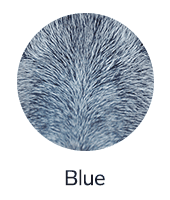
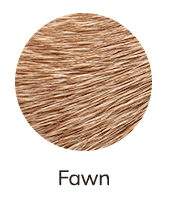
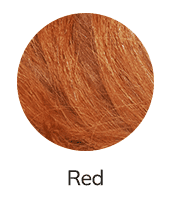

The Scottish deerhound shares a resemblance to a greyhound, but with a larger physique and a shaggier coat. They have a long neck, an aerodynamic chest, and a narrow waist. Their dark, full eyes convey an alert expression, and their gait is effortless and dignified.
The rugged, unforgiving terrain of the Highlands had a significant impact on the Scottish deerhound’s physical attributes. For instance, their thick, shaggy coat enabled them to withstand the poor weather conditions commonly encountered in the Highlands. They also have powerful hindquarters, a well-arched loin, and thick, padded paws; all qualities that better equipped them for running up steep hills.
The Scottish deerhound’s coat comes in various shades, including gray, blue, brindle, sandy-red, red fawn, and yellow. The most common (and preferred) coat color is a dark blue-gray shade. Some Scottish deerhounds also have white markings on their chest and toes, though an overly white coat is a serious fault under the breed standard.
What Size Is a Scottish Deerhound?
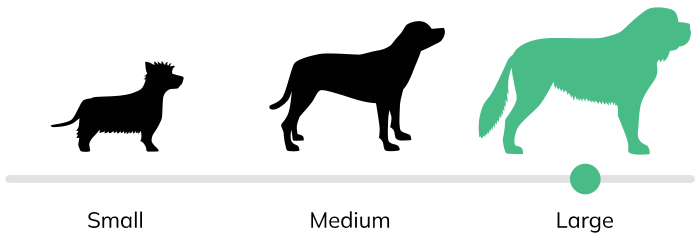
The Scottish deerhound is a large sighthound with a tall, slender frame. They stand up to 32 inches tall at the shoulders and weigh between 75 and 110 pounds. Their exact size depends on their lineage and health, though male Scottish deerhounds tend to be considerably larger than females.
As an idea, most male Scottish deerhounds grow up to 30 to 32 inches tall and weigh between 85 and 110 pounds. In comparison, female Scottish deerhounds typically stand 28 inches tall and weigh 75 to 95 pounds.
What Is a Scottish Deerhound’s Coat Type and Length?
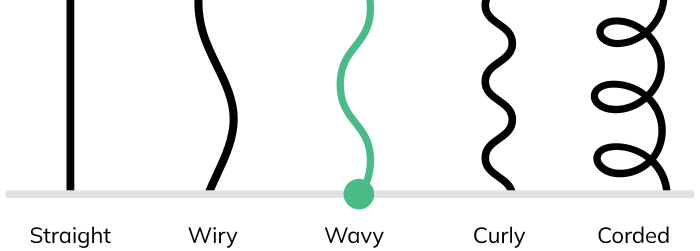
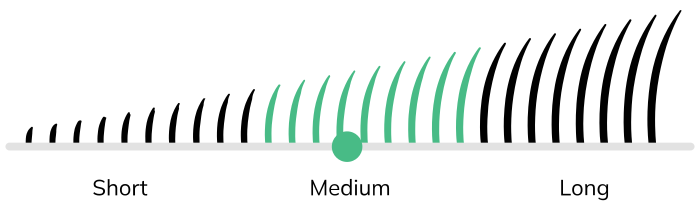
The Scottish deerhound has a medium-length double coat that consists of a protective wiry outer coat and a soft, insulating undercoat. The overall appearance of the coat is shaggy, thick, and dense. Their fur lies flat and accentuates their athletic build.
The hairs are noticeably harsher on their body, neck, and quarters, and measure around 3 to 4 inches long. The inner parts of their legs also have subtle fringing.
What Is a Scottish Deerhound’s Temperament?
Poet Sir Walter Scott once described the Scottish deerhound personality as “the most perfect creature of heaven.” Get to know their personality, and it’s easy to understand why he held them in such high regard. They are exceptionally gentle, dignified, and faithful. They will no doubt make your home feel like heaven with their warmth and loving nature.
Despite the Scottish deerhound’s hunting roots, they are generally calm and laidback. They often prefer quiet, peaceful homes where they can snooze to their heart’s content. They also have a sensitive side, meaning you’ll want to approach their training with patience and an understanding tone.
Are Scottish Deerhounds Good With Kids?
The Scottish deerhound can be a good companion for kids, provided they’re given appropriate socialization during their formative years. They’re tolerant, patient, and gentle, and are sturdy enough to handle rough play.
That said, the Scottish deerhound isn’t the best match for toddlers or loud, hyperactive kids. While they aren’t aggressive or snappy around children, they prefer quiet environments and appreciate having their own space respected. Harsh squeals or excitable giggles can frighten them.
The Scottish deerhound’s large, powerful build also needs to be considered. If they become overly excited during play, they may accidentally bump into toddlers and knock them over, which can lead to injuries.
As with all breeds, close supervision is essential, no matter how old your children are. You should also teach your kids proper handling etiquette.
Are Scottish Deerhounds Good With Other Animals?
In the past, it was common for Scottish deerhounds to hunt red deer in pairs. So, it shouldn’t be a surprise that they enjoy the companionship of other dogs. They will bond especially well with dogs who share their appreciation for a calm home after a hard day of work (or play).
That said, you’ll want to be more cautious if you have small pets living with you, like cats, rabbits, or birds. Scottish deerhounds have high prey drives and tend to chase after anything prey-like that moves.
Considering the Scottish deerhound’s body is built for sprinting, never let them off-leash in open parks or other wildlife-rich areas.
Are Scottish Deerhounds Aggressive?
The Scottish deerhound isn’t an aggressive dog by nature. While they are sensitive and can startle easily from unfamiliar sounds or hectic environments, they are more likely to retreat and whine than show any aggressive tendencies. They are generally polite and gentle.
That said, any breed can develop aggressive habits or other behavioral concerns if they’ve missed out on critical socialization. Regular training, positive exposure, and plenty of daily exercise will help the Scottish deerhound grow up to be a gentle giant.
Do Scottish Deerhounds Bark?
Some dogs love to fill the silence with the songs, howls, and yaps of their people (e.g., huskies). However, you’ll be relieved to hear that the Scottish deerhound thrives on peace. They prefer to keep their home as quiet and relaxed as possible and rarely ever bark. They’re so quiet, in fact, that you may even forget they’re in the room with you despite their towering size.
When a Scottish deerhound does bark, it’s something to pay attention to. They often bark to alert their family to a potential danger, perceived threat, or unmet need.
Are Scottish Deerhounds Affectionate?
Sighthounds like the Scottish deerhound have earned an unjust reputation as being reserved and not particularly lovey-dovey with their families. While it’s true that they appreciate their own space, that doesn’t mean they aren’t affectionate.
The Scottish deerhound craves the attention of their fellow humans and loves to feel included. They will enjoy cuddles, belly rubs, and head pats, as well as curling up on the couch.
The Scottish deerhound is sensitive and becomes greatly distressed if they’re left alone all day. They aren’t a good match for people who work long hours. If you do need to leave home without them, be sure to hire a dogsitter and provide them with toys, chews, and long-lasting treats to help distract them.
Are Scottish Deerhounds Intelligent?

The Scottish deerhound is a highly intelligent dog, which should be of no surprise. They were selectively bred to keep track of red deer while navigating perilous conditions and maintaining tremendous speeds. They were also required to intuitively make quick, on-the-fly decisions without their owner’s input.
Considering their brainpower, regular mental stimulation is essential for the Scottish deerhound’s well-being. Mental stimulation can also help to prevent boredom-related behavioral concerns from arising.
Are Scottish Deerhounds Energetic?
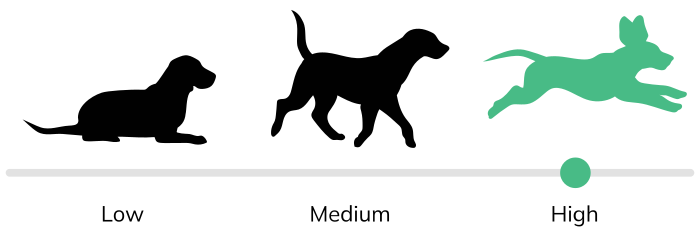
Don’t be misled by the Scottish deerhound’s laid-back, couch potato nature around the house. Give this pup a chance to stretch their legs? You’ll quickly find they turn into an energetic bundle of shaggy fluff.
The Scottish deerhound needs at least an hour of daily exercise, and you should give them opportunities to sprint and run around freely. That said, make sure to only let them off-leash in secure areas.
Be mindful of the weather when exercising your Scottish deerhound. They can struggle to regulate their body temperature in hot weather, which can put them at greater risk of heatstroke than other breeds. Exercise them during the cooler parts of the day and keep their water bowl topped up with fresh, clean water.
Are Scottish Deerhounds Easy to Train?
While their intelligence is undeniable, the Scottish deerhound can still be challenging to train. They lack the biddable, eager-to-please nature seen in many dogs, and often follow their own intuition. Their sighthound instincts are also ingrained into them, meaning they’re quick to be distracted by prey-like animals and movement in the distance.
Still, the Scottish deerhound can pick up advanced commands and perform them reliably with the right training approach. You need to be patient and consistent with them, and foster a positive, loving bond to build their trust in you.
Make sure to also leverage reward-based training measures, especially considering the deerhound’s sensitive side. This means training sessions should involve plenty of food, praise, and play.
Are Scottish Deerhounds Good Watchdogs?
The Scottish deerhound is alert and quick to pick up on subtle changes, but they aren’t exactly a stellar watchdog. They are generally quiet and rarely bark. Even if they do spot an unfamiliar face at the door, there’s still a good chance that they will simply glance up briefly from their snooze spot rather than announce their presence to you.
Are Scottish Deerhounds Good Service Dogs?
The Scottish deerhound typically isn’t the best fit for a service dog role, such as a medical alert dog or psychiatric service dog.
White intelligent and loyal, their independent side often makes it hard for them to maintain their focus on their owner at all times — something that can potentially be life-threatening during a crisis. They are also more challenging to train than more biddable breeds like the Labrador retriever.
However, the Scottish deerhound can excel as an emotional support animal (ESA) due to their affectionate nature. They can be an especially good fit for people who find therapeutic relief from exercise, as they’ll be able to easily keep up on jogs, runs, and hikes.
How to Care for a Scottish Deerhound?
The Scottish deerhound can make a remarkable companion, though they aren’t for every owner. They have high maintenance care needs and need a lot of commitment to live happily at your side.
Most Scottish deerhounds need at least an hour of exercise each day, frequent outings to parks where they can safely run off-leash, and regular time for play and mental enrichment. You also should be mindful not to leave them alone for more than a few hours at a time. Otherwise, they can quickly become anxious and engage in destructive behaviors.
Besides this, you need to think about their grooming needs, health, and diet. Read on to learn more about these care responsibilities.
Do You Need to Groom a Scottish Deerhound?
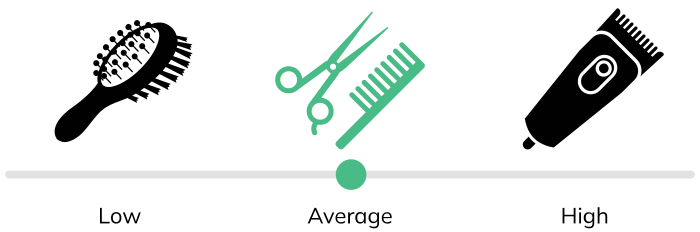
The Scottish deerhound’s harsh, wiry coat is relatively easy to manage at home. Generally, you only need to give their coat a thorough comb once or twice a week to help it retain its natural shape, remove dead hair, and prevent painful matting.
Like all breeds, the Scottish deerhound should also have their nails trimmed if they don’t wear down naturally. You should also brush their teeth daily, give them an occasional bath, and clean their ears as needed.
It’s important to start grooming your Scottish deerhound as early as possible, as this will help them become accustomed to the process. You should make every grooming session positive. Brush their fur in the direction it grows to prevent discomfort, give plenty of praise, and go at a slow, gradual pace that won’t overwhelm them.
Do Scottish Deerhounds Shed?
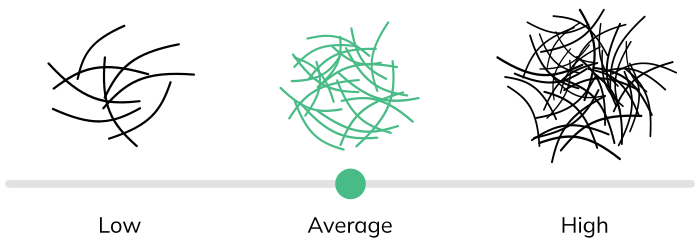
The Scottish deerhound doesn’t shed very much when compared to a breed like the Siberian husky, though you should still expect them to shed a fair amount. They also experience heavier shedding periods when they blow out their coat. Unfortunately, they aren’t recommended for those with dog fur sensitivities.
What Health Problems Do Scottish Deerhounds Have?
One of the main drawbacks of the Scottish deerhound is that they tend to have a short lifespan and are susceptible to more health issues than other breeds. Common health problems seen in the Scottish deerhound include:
- Dilated cardiomyopathy (DCM)
- Osteosarcoma (bone cancer)
- Gastric dilation-volvulus (GDV) or bloat
- Bleeding issues
- Portosystemic (liver) shunt
- Cystinuria
- Medication sensitivity (particularly to anesthesia)
If you’re considering this breed, it’s crucial to work with a responsible breeder who runs thorough genetic testing and takes every measure possible to produce healthy pups. In addition, you should be prepared to invest in pet insurance, take them to routine vet appointments, and educate yourself on the health issues above so you can take preventative measures.
We also suggest you take the time to learn about each condition’s common symptoms. This will help you catch concerns early on, giving your Scottish deerhound the best chance of recovery.
How Long Do Scottish Deerhounds Live?
The Scottish deerhound lifespan is much shorter compared to most breeds. They typically only live for 8 to 11 years, even with good care and healthy breeding.
Still, you can help improve the Scottish deerhound’s chances of leading a long life by investing in their health and meeting their exercise needs. You should also feed them a diet that supports their health at every stage of their life.
What Should a Scottish Deerhound Eat?
The Scottish deerhound’s diet should be carefully formulated to satisfy their nutritional needs as well as their taste buds. Feeding them high-quality, nutrient-dense kibble from an early age is especially important, considering their greater susceptibility to health problems.
The food should contain lean protein to support their muscles, healthy fats for sustained energy, and vitamins and minerals for overall health. Scottish deerhounds typically need around three to four cups of dog food per day, fed across two to three small meals to minimize the chances of bloat.
Scottish deerhounds are known to be picky eaters, particularly as puppies. Make sure to consider their preferences when selecting a dog food. Some dogs may prefer soft, easy-to-digest kibble, while others may enjoy the sensory feedback that crunchy kibble provides.
Is a Scottish Deerhound the Right Dog for Me?
If you’re won over by the Scottish deerhound’s traits as much as poet Sir Walter Scott, we don’t blame you. However, their large size, independent spirit, and demanding care needs must be considered, and they won’t suit every home.
The Scottish deerhound benefits from an experienced owner who can be patient and exercise them for at least an hour each day. They’re also happiest in a peaceful, quiet home where they can snooze away happily.
The Scottish deerhound may be a “heavenly” match for you if:
- You want a loyal and loving gentle giant
- You can keep a pet company throughout the day
- You have access to plenty of space and/or a secure backyard
- You have previous dog ownership experience
- You want a quiet dog who won’t bark incessantly