Schnoodle: Your Complete Guide
The schnoodle — a mix between the schnauzer and the poodle — is a designer breed that is just as adorable as its moniker. However, their cute appearance isn’t the only reason why they’ve captured the hearts of dog lovers across the globe.
They often inherit the poodle’s affectionate, loving nature and the schnauzer’s lively, fiery spirit, resulting in a larger-than-life companion like no other.
The schnoodle is adaptable and can come in a range of sizes, making it easy to find a lap-friendly schnoodle or a more robust schnoodle that can keep up with you on your hikes. They are also playful and can get along well with children who can handle them with respect.
The schnoodle has oodles of love and joy to give to the right owner. However, before you add this pup into your life, it’s important to learn all you can about their care needs. This will put you in the best possible place to assess whether they’re the right match for you. Keep reading to learn more about the schnoodle and what it takes to care for them.
Table of Contents
Quick Look at the Schnoodle
Below is a quick glance at this special breed in terms of their physical characteristics, lifespan, temperament, and grooming needs.
| Weight/Height | 10 to 25 inches tall, weighs 15 to 45 pounds |
| Coat Type | Medium-to-long double coat, wiry or curly in texture. |
| Grooming Needs |  |
| Shedding |  |
| Temperament | Affectionate, loyal, courageous, lively, and alert |
| Good With Kids |  |
| Good With Other Animals |  |
| Intelligence | |
| Easy to Train | |
| Energy Level | |
| Barking Habits | |
| Lifespan | 10 to 15 years |
What Is the History of Schnoodles?
Not much is known about the schnoodle’s history, though it’s likely that they first emerged sometime in the 1980s. Around this period, designer breeds were surging in popularity, with poodle mixes becoming particularly sought after.
It’s possible that breeders were looking to create a dog who retained the schnauzer’s unique fiery temperament, but inherited the poodle’s low-shedding, hypoallergenic coat.
Understanding the schnoodle’s parent breeds can help give us a better idea of their possible traits. The poodle’s origins can be traced back to late 15th-century Germany, where they were bred to retrieve downed waterfowl for hunters. As a result, they are energetic, work-driven, and agile. They are also extremely intelligent and eager to please their owners.
The schnauzer also has their origins in Germany, though unlike the poodle, they kept their four paws firmly on the ground. They were selectively bred to be farm dogs. They were used for various tasks, from catching vermin and guarding livestock to alerting their masters to threats.
Thanks to their roots, schnauzers today are alert, vigilant, and courageous dogs. They are also loyal and protective of their loved ones.
What Do Schnoodles Look Like?

The schnoodle inherits a combination of physical traits from both the poodle and the schnauzer. Due to this, their appearance can vary quite drastically. Some schnoodles may be more akin to their schnauzer parent, while others may have more poodle traits.
That said, the schnoodle is typically a medium-sized dog with an athletic, sturdy build. They have bright, alert eyes, a confident, dignified gait, and a deep chest. Most schnoodles also inherit the poodle’s distinctive curly coat, though some may have a wiry coat like their schnauzer parent.
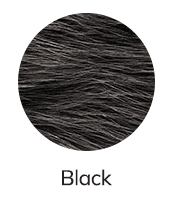
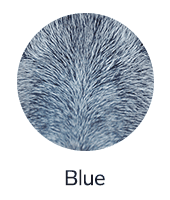
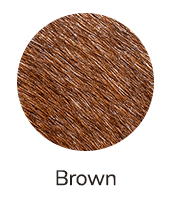
Their fur can come in various colors and color combinations, with the most common including white, black, tan, liver, silver, and cream.
If the schnoodle takes on more traits of the schnauzer, you can expect them to have a broad, rectangular-shaped muzzle, bushy eyebrows, and a distinctive beard of fur. In comparison, a schnoodle, which is like the poodle, will often have a long snout.
What Size Is a Schnoodle?
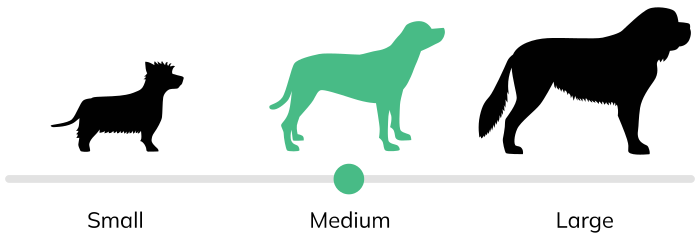
Schnoodles are generally medium-sized dogs that stand up to 25 inches tall and weigh between 15 and 45 pounds. However, there is no official size standard, and their height and weight can vary drastically depending on their parents.
A schnoodle mixed with a giant schnauzer and a standard poodle, for instance, can weigh up to 70 pounds and stand 27 inches tall in adulthood. In comparison, a schnoodle mixed with a toy poodle and miniature schnauzer can weigh as little as 10 pounds.
If you’re considering adopting a schnoodle puppy, it’s crucial to meet the parents and learn all you can about their lineage. This will give you a much better insight into what size you can expect the schnoodle to reach in adulthood.
What Is a Schnoodle’s Coat Type and Length?
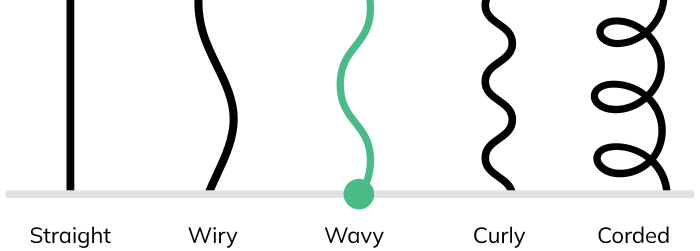
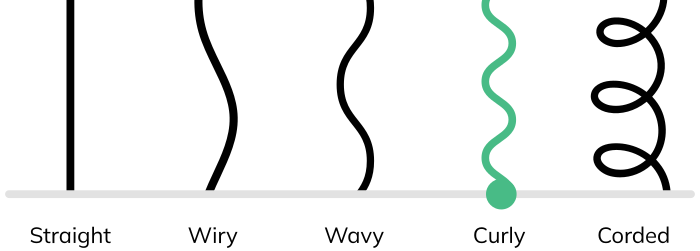
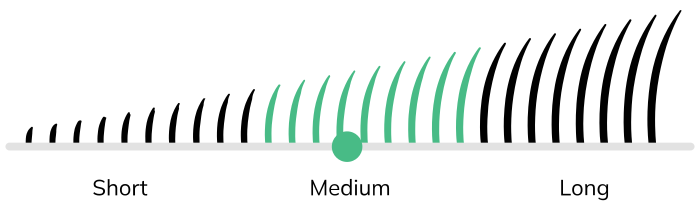
The schnoodle has a dense double coat that helps to protect it from the elements. However, their exact fur type and length can vary depending on whether they inherit the poodle’s coat or the schnauzer’s coat.
The schnauzer’s coat is moderately long and has a wiry, coarse texture. They also have noticeable feathering around their eyes and snout, which gives them their unique bushy eyebrows and mustachioed look. If your schnoodle has the poodle’s fur type, you can expect their coat to consist of long, tight curls.
These curls give them a fluffy, profuse appearance.
What Is a Schnoodle’s Temperament?
The schnoodle’s personality combines the best traits of the poodle and the schnauzer. While every schnoodle will be unique in its own special way, you can expect them to be loyal, affectionate, and lively, with an adorably confident demeanor.
The schnoodle forms very close bonds with its owners. However, this people-oriented side does mean they can get anxious if they’re left alone for more than a few hours. It’s important to give your schnoodle enough attention throughout the day, ideally in the form of affection and mentally-enriching play.
Some schnoodles can be independent-minded, especially if they’re anything like their schnauzer parent. This trait will need to be carefully managed with a firm (yet positive) training approach and plenty of socialization.
Are Schnoodles Good With Kids?
Schnoodles can be top companions for families with kids, particularly with older kids who can play with them respectfully. They’re affectionate, loyal, and lively enough to be great playmates. They’re also vigilant and will often keep a close eye on children and watch out for their safety.
However, be mindful that this won’t be the case for every schnoodle. Some schnoodles may be more cautious around kids and find their boisterous, excitable nature overwhelming. Due to this, it’s best to always supervise schnoodles around children, particularly toddlers and young kids.
Are Schnoodles Good With Other Animals?
The schnoodle is generally friendly and can get along well with dogs and cats they have been raised with. However, they usually fare best in households where they’re the only pet. This is because they have fairly demanding care requirements, which can take up a lot of your time.
They also enjoy being the center of attention and won’t take kindly to having to compete for your affection.
Schnoodles also tend to have high prey drives, which may cause them to chase after prey-like pets such as guinea pigs and hamsters. You can train and socialize them to help manage (or even prevent) this behavior, though it’s not always possible to stop this trait entirely, as it is a part of their instincts.
Are Schnoodles Aggressive?
Schnoodles aren’t aggressive dogs by nature and are generally even-tempered with everyone. Schnoodles, who are more like their schnauzer parent, can be vigilant and protective of their loved ones, though this isn’t likely to lead to any aggression if they’re properly trained and socialized.
If you notice any aggressive tendencies in your schnoodle, it’s crucial to address them quickly to prevent them from escalating. If you’re feeling overwhelmed, it’s best to hire a professional reward-based trainer who can work with both you and your dog closely.
They can use their expertise to help you pinpoint and tackle the underlying cause of your schnoodle’s aggression (e.g., reactivity, separation anxiety, or resource guarding).
Do Schnoodles Bark?
The schnoodle is an expressive dog who will often communicate their feelings loud and clear. You can expect them to bark when they’re excited, bored, or anxious, as well as when they want to alert you to visitors.
Their potential for vocalness does mean they aren’t the best choice if you live in an apartment with noise restrictions, though this will ultimately come down to the individual dog. Some schoodles may be quieter than others, particularly those more akin to their poodle parent. Training can also help you reduce the chances of excessive barking.
Are Schnoodles Affectionate?
The schnoodle is a people-oriented dog who is generally very affectionate with their loved ones. While they aren’t as clingy as certain lap dog breeds, they still love to be close to their favorite humans. You can expect them to want to be by your side throughout the day, whether you’re relaxing on the couch or working in your study.
The schnoodle can take some time to warm up to strangers, and they may be wary around new people in the first encounter. However, once they feel at ease and see that they can trust them, they’ll open up their heart and give them lots of affection.
Are Schnoodles Intelligent?
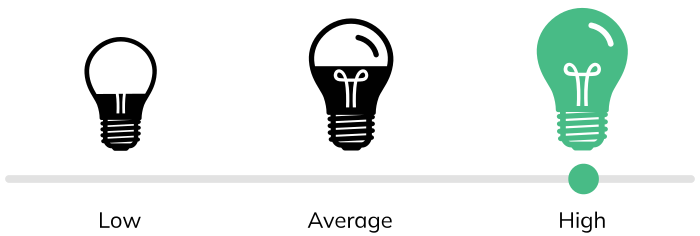
The schnoodle comes from two quick-witted dog breeds, so it shouldn’t be much of a surprise that they are extremely intelligent and can learn a wide range of tasks. They are also adept at problem-solving and can decipher even the most challenging puzzle toy.
Schnoodles are also alert and curious, with a natural observant side. They tend to keep a close eye on their surroundings to ensure their loved ones are safe.
While the schnoodle’s intelligence is no doubt an endearing trait, it does mean the breed requires a lot of mental stimulation. They can quickly become bored without enough novelty in their day-to-day life. They’ll appreciate puzzle toys and interactive games, as well as exploring new parks and walking routes.
Are Schnoodles Energetic?
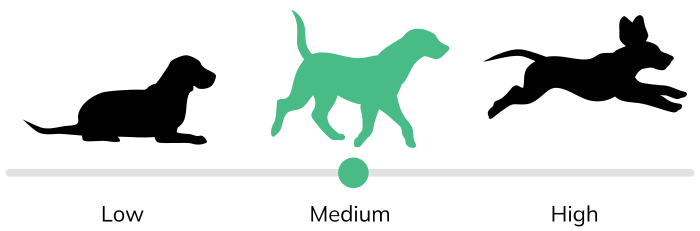
Both the poodle and schnauzer are moderately active dogs, so you can expect your schnoodle to have the same energy level. Most schnoodles require at least an hour of daily exercise, supplemented by plenty of dedicated playtime.
Great exercise activities for the schnoodle include walks, hikes, fetch, swims, and even dog sports like agility. It’s best to change up their exercise activities regularly to prevent them from becoming bored.
Are Schnoodles Easy to Train?
Schnoodles usually take to training well, particularly considering their poodle parent is famous for being one of the easiest dogs to train. Most schnoodles will pick up tricks quickly and be able to perform them reliably and consistently once mastered. This includes the basics, such as “sit” and “heel,” as well as advanced agility tricks like “leg weaving.”
However, some schnoodles do inherit the schnauzer’s stubborn streak. If this is the case for your schnauzer, it’s important to make an effort to be consistent, firm, and patient during your training sessions, as otherwise they may engage in mischief and test your boundaries.
Are Schnoodles Good Watchdogs?
Schnoodles can make fantastic watchdogs, particularly if they take on the schnauzer’s strong protective instincts and alert nature. They’re observant and keep a close watch on their home and loved ones, and won’t hesitate to let you know of any dangers or threats.
Are Schnoodles Good Service Dogs?
Schnoodles generally make good service dogs as they’re intelligent, alert, and thrive on human companionship. Their vigilant, watchful side can also help their loved ones to feel safe and reassured. This can make them particularly ideal service dogs for those with psychiatric conditions such as anxiety and post-traumatic stress disorder (PTSD).
That said, be mindful that schnoodles can vary significantly in temperament, size, and trainability. Some schnoodles may be more stubborn than others, and some may be wary and find it difficult to feel comfortable in busy public spaces. It’s best to assess the schnoodle’s individual personality and aptitude before choosing them for a service role.
How to Care for a Schnoodle?
Welcoming a schnoodle into your life means you’re in for a reward like no other. However, it’s also a big commitment. As a responsible pet owner, you need to do all you can to support their well-being and help them live every day to the fullest.
As we’ve touched on above, the schnoodle should be provided with mental enrichment, regular exercise, and consistent training. However, there’s a lot more involved in their care. You need to groom their coat regularly and feed them an appropriate, nutrient-dense diet. You also need to learn about their common health concerns and take them to their routine vet appointments.
We’ll delve further into these care responsibilities below.
Do You Need to Groom a Schnoodle?
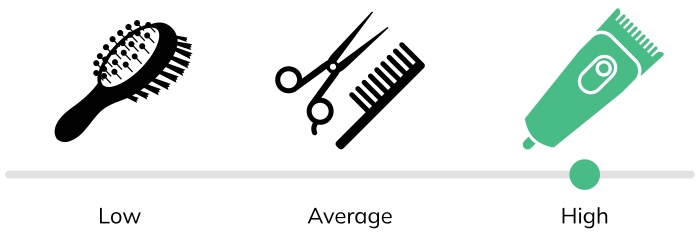
The schnoodle can inherit two different coat types: the wiry coat of the schnauzer or the curly coat of the poodle. However, both coat types are high-maintenance and require frequent brushing to maintain.
You should aim to brush your schnoodle at least three to four times a week, increasing to daily during the periods when they blow out their coat. If your schnoodle inherits the schnauzer’s wiry coat, you will also need to hand strip them to maintain the texture and allow for healthy growth.
The schnoodle will benefit from a professional groom every six to eight weeks, which should ideally include a clip, bath, and nail trim. You should also get into the routine of brushing your schnoodle’s teeth daily and checking their ears for signs of irritation or infection.
Do Schnoodles Shed?
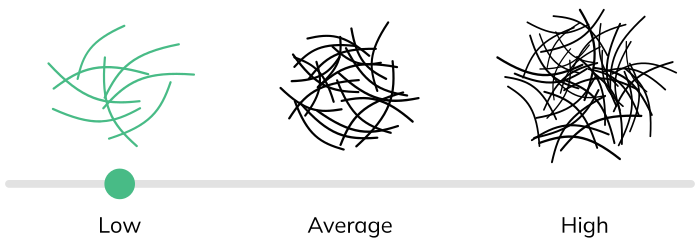
No matter which coat type your shnoodle inherits, you can expect them to shed very little throughout the year. Both fur types naturally trap loose fur and dander, and provided you keep up their grooming routine, you’re unlikely to ever notice their fur in your home.
Schnoodles are generally recognized as some of the most hypoallergenic (low-shedding) dogs around, so they can be a possible fit for those with fur allergies. However, allergies are unique for every individual, and their fur may still cause an adverse reaction in some. It’s best to meet the schnoodle first to see if you react to them before you finalize the purchase or adoption.
What Health Problems Do Schnoodles Have?
The schnoodle is a relatively new designer breed, and since there isn’t a breed standard, it’s difficult to know much about the specific health concerns they are prone to. However, what we do know is that they’re likely affected by the same health concerns that are seen in their parent breeds. This includes conditions such as:
- Cataracts
- Progressive retinal atrophy (PRA)
- Hip dysplasia
- Pancreatitis
- Hypothyroidism
- Addison’s disease
- Bloat or gastric dilatation and volvulus (GDV)
You can help your schnoodle stay in good health by taking them to their routine vet checkups and watching out for any atypical behaviors, eating habits, or coat changes. Since schnoodles are prone to physical conditions like hip dysplasia, you should also take them to a vet immediately if you notice any changes to their gait or energy level.
Bloat is relatively rare, but schnoodles who inherit the poodle’s deep chest are at greater risk of this condition. As bloat is life-threatening without urgent treatment, it’s important to take some preventative measures. You should avoid exercising them around their mealtimes and spread their daily caloric intake across two to three feedings throughout the day.
How Long Do Schnoodles Live?
With routine vet checkups and proper care, you can expect a schnoodle’s lifespan of between 10 and 15 years. Small schnoodles, such as those mixed with miniature schnauzers or toy poodles, tend to live slightly longer than those mixed with giant schnauzers. However, this is only a rough guideline, and there will always be outliers to this.
What Should a Schnoodle Eat?
Your schnoodle’s dog bowl should be filled with food that doesn’t just win over their taste buds; it should also be packed with nutrients and everything they need to lead a long, healthy life.
This means you’ll want to invest in high-quality dog food that includes lean protein sources, healthy fats, vitamins, minerals, and complex carbs. Avoid foods that are packed with unnecessary additives or fail to meet the Association of American Feed Control Officials’ (AAFCO) standards.
You should also ensure the dog food is made for their specific life stage, size, and age. For instance, schnoodle puppies usually require more calcium in their food than adults to support their growth and bone development.
It’s best to speak to a canine nutritionist or veterinarian for guidance on how much your schnoodle should be eating. Small schnoodles generally need around 1 to 2.5 cups of kibble per day, while large schnoodles often require at least 3 cups of dog food per day to keep them satiated and energized.
Is a Schnoodle the Right Dog for Me?
The schnoodle is a phenomenal mixed breed that is surging in popularity across the world. While it’s easy to understand why you want to welcome this pup home, it’s important to ensure you can fulfil their care needs before you commit to them.
As a prospective owner, you should consider whether you can properly satisfy their exercise, training, and grooming needs each day. You should also be prepared to spend a lot of time on their socialization to ensure they feel confident around others and don’t become overly vigilant.
Schnoodles often fare best with active families who will be happy to take them out for long walks. They also suit those who don’t work long hours, as they thrive on companionship and ideally need someone around the house throughout the day.
If you’re prepared to meet their care needs, then the schnoodle is sure to make a fantastic (and irresistibly adorable) addition to your home.