Saluki: Your Complete Guide
The saluki is one of the oldest known dogs in the canine kingdom, with many experts believing that they likely existed at least since 7,000 BC. They first emerged in the Middle East and Egypt, where their phenomenal speed allowed them to effortlessly track and hunt down gazelles.
Despite their original purpose as a sighthound dog, the saluki’s intelligent temperament and unique qualities have allowed them to excel in various roles over the years. And yes, they can make an absolutely remarkable family pet too! They’re gentle, calm, and affectionate with their loved ones. Although they do have an independent side, they form strong bonds and are exceptionally faithful.
It’s easy to be mesmerized by the saluki’s graceful, dignified appearance and ancient history. However, if you’re looking to adopt one, it’s important to learn all you can about their needs. We’ll cover everything you need to know about this special pup below, from their temperament and history to their care requirements.
Table of Contents
Quick Look at the Saluki
Below is a quick glance at this special breed in terms of their physical characteristics, lifespan, temperament, and grooming needs.
| Weight/Height | Between 40 and 65 pounds; 23 to 28 inches tall |
| Coat Type | Silky short coat, feathered or smooth |
| Grooming Needs |  |
| Shedding |  |
| Temperament | Loyal, calm, independent, and dignified |
| Good With Kids | |
| Good With Other Animals | |
| Intelligence |  |
| Easy to Train | |
| Energy Level | |
| Barking Habits |  |
| Lifespan | 10 to 17 years |
What Is the History of Salukis?
The saluki is a sighthound with a history that predates the ancient pyramids, with many historians estimating that the breed dates as far back as 7,000 BC. They are thought to have originated in the Fertile Crescent — a region in the Middle East that was home to some of the first human civilizations — and were initially bred to hunt prey in the desert.
Specifically, they were used to detect and chase down fast-moving prey like gazelles and hares. They were able to cover vast distances in harsh, often perilous conditions, and they also had the stamina to maintain their speed and keep up with their prey.
The saluki’s traits today are a testament to their roots. They’re alert, have an athletic, agile build, and can reach phenomenal speed (up to 42.8 mph, per 1996 The Guinness Book of Records).
However, the saluki wasn’t just utilized as a sighthound. They were also popular companions among the nobility of Egypt, as they were considered sacred animals. Salukis were held in such high respect that they were often mummified along with Egyptian Pharaohs.
Over the years, the saluki’s graceful appearance and remarkable traits became noticed throughout the world. They were officially recognized by the American Kennel Club (AKC) in 1929.
What Do Salukis Look Like?




The saluki’s appearance reflects their lineage. They have an athletic, slender physique that conveys equal parts grace and endurance, and this is complemented by a long, silky coat. Their fur comes in various striking shades, including silver, white, black, tan, golden, cream, and red. Many Salukis also have parti-color markings, with their snout, legs, and underparts often lighter in hue.
Like most sighthounds, the saluki has a long, narrow head, hare feet (elongated middle toes), and a sharp, alert expression. They also have long ears that are set low on their head.
What Size Is a Saluki?
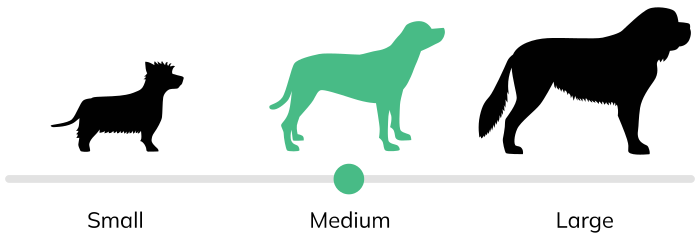
The saluki is a medium-sized sighthound who stands around 23 to 28 inches tall and weighs between 40 and 65 pounds. The saluki’s exact size will depend on their genetics, health, age, and upbringing (e.g., diet and activity level). Females are also often noticeably smaller than males.
What Is a Saluki’s Coat Type and Length?


The saluki has a short, silky coat that comes in two varieties: smooth or feathered. Salukis with the feathered coat variety will have profuse, longer, feathered fur on their ears, tails, legs, and thighs, while salukis with the smooth coat will not have any noticeable feathering.
What Is a Saluki’s Temperament?
Often nicknamed the “Royal Dog of Egypt,” it’s no surprise that the saluki is famous for their calm, dignified nature. They appreciate having their own space in the home where they can relax and rest after a long play session, and you’ll often find them endearingly watching you go about your day.
However, once the saluki is outdoors and able to stretch their legs? You’ll find that they quickly leave their “zen” mode behind and transform into a ball of zoomies. They’re extremely energetic and love to run and explore their surroundings. They can also make a perfect hiking buddy due to their phenomenal stamina… And you’ll find that they not only keep up with you, but can even outpace you!
While the saluki is more independent than other breeds, that doesn’t mean they aren’t loyal. They form close bonds and will see their humans as their whole world. Just be mindful that their independent spirit is rather deceiving. They’re people-oriented at heart and won’t tolerate being left alone in the house for lengthy periods.
If you’re looking to add a saluki to your life, be prepared to work your schedule around them so that you’re never out for more than a few hours at a time. Otherwise, they may experience separation anxiety and turn to destructive habits like chewing and barking.
Are Salukis Good With Kids?
The saluki can be a great companion for kids, as they are gentle and affectionate with plenty of energy to spare for playtime. However, they typically aren’t the best choice for young children. They prefer a quiet, calm environment and won’t tolerate loud noises — something toddlers are particularly notorious for.
Regardless of your kids’ ages, it’s important to teach them how to interact with dogs and be safe together. You should also ensure they’re never left unsupervised around the saluki.
Are Salukis Good With Other Animals?
The saluki can settle in well to homes with other dogs, as long as they’re well-socialized and introduced together properly. They’ll particularly appreciate the company of other sighthound breeds who can match their preference for a calm, laid-back home space.
However, be mindful that the saluki does have a high prey drive and may see smaller pets — think hamsters, birds, and rats — as prey. This prey drive has been bred into them over thousands of years, meaning it will likely still be a part of them even with consistent training and socialization.
If you have small pets in your home, you may want to consider another breed with a low (or more manageable) prey drive instead, such as the Maltese.
Are Salukis Aggressive?
The saluki is rarely aggressive and gets along well with most people they encounter. They do like to have a quiet, calm space, and this can cause them to become anxious and overwhelmed in loud, hectic environments. However, this anxiety is likely to manifest as withdrawal or whining rather than aggressive tendencies.
Still, any dog can develop aggressive behaviors throughout their life without proper care. It’s crucial to give the saluki plenty of socialization and maintain a consistent training routine.
Do Salukis Bark?
Salukis are generally reserved and quiet dogs — a trait they owe to their sighthound lineage. While it’s rare for salukis to ever turn to incessant barking as a form of expression, you should still expect them to put their vocal cords to use when they’re startled, excited, or feeling restless.
Ensuring their needs are met and providing them with a calm, peaceful home will help keep their barking under control.
Are Salukis Affectionate?
Salukis are independent dogs often likened to felines. They enjoy their own company and appreciate having their space respected.
While this means they aren’t the most “lap-friendly” dogs around, that doesn’t mean they aren’t affectionate. They will still appreciate a good head rub and will happily reciprocate any attention with licks, tail wags, and nudges. They will also express their affection through their loyalty and watchful, protective eye.
Are Salukis Intelligent?

As you would expect from a sighthound, the saluki is an exceptionally intelligent dog. They are capable of picking up both basic and advanced commands, and approach the world around them with an inquisitive, curious nature. They’re also sharp and will be able to think on their feet (well, we should say paws!).
However, the saluki’s intellectual capabilities do mean they need a lot of mental enrichment. They also aren’t afraid to challenge your boundaries, particularly if they feel they can’t trust your guidance. They suit experienced owners who know how to work around their independent streak and maintain a positive yet firm training approach.
Are Salukis Energetic?

If you’ve met a saluki within their home, it’s easy to think that they much prefer to lounge around than work out their muscles. However, the reality is the exact opposite! The moment they hear that “walkies,” you’ll find them showing you exactly what they were bred for: chasing down fast-moving gazelles across vast distances.
In short, the saluki is extremely energetic and won’t be satisfied with a quick walk around the block. They will need at least two hours of vigorous outdoor exercise, as well as regular playtime and access to a secure backyard where they can run off-leash.
Are Salukis Easy to Train?
While the saluki is extremely intelligent and certainly capable of learning any task, that doesn’t exactly translate to trainability. They value their independence and prefer to engage with training on their own terms. They can also get easily distracted by their environment and can quickly become bored with overly repetitive training sessions.
These qualities make salukis challenging to train, especially for first-time owners. However, consistency, patience, and a firm yet gentle hand will make them more receptive to your guidance. They will also respond extremely well to reward-based training measures, which use rewards like treats to keep them engaged and focused.
Are Salukis Good Watchdogs?
The saluki is naturally alert and possesses a sharp eye that can make them quick to notice visitors or anything unusual. That said, they’re generally too quiet and sensitive to make an effective watchdog. They’re more likely to withdraw than put themselves between you and a potential threat.
Are Salukis Good Service Dogs?
On paper, salukis sound like they’d make excellent service dog candidates. They’re intelligent, alert, and work-driven.
However, in practice? They’re not the best fit for this role. Their independent side means they typically don’t perform their trained commands reliably or consistently. They are also sensitive and may struggle to adapt to the fast-paced, often unpredictable nature of service work.
How to Care for a Saluki?
Caring for a saluki starts with learning about their unique needs and doing all you can to fulfill them. Since you’ve clicked on this guide, you’re already on the right track. As we touched on above, salukis should be exercised for at least two hours daily and given lots of mental stimulation and exercise. They also need consistent reward-based training to help them become well-acclimated adult dogs.
However, caring for a saluki doesn’t end there. You also need to schedule regular vet check-ups, look after their coat, and provide them with a balanced diet suited to their life stage. We’ll discuss these in greater detail below.
Do You Need to Groom a Saluki?

The saluki’s short coat tends to stay clean and doesn’t need much maintenance. A weekly brush over will usually suffice to distribute the coat’s natural oils and keep their fur looking silky and healthy.
If your saluki has the feathered coat variety, you will need to brush their feathered areas more frequently to prevent mats. However, this won’t be too time-consuming and can be easily managed with a tool like a slicker brush.
You will also need to bathe their coat every four to eight weeks, brush their teeth daily, and trim their nails if you hear them clacking against solid surfaces. Salukis are also at greater risk of ear infections due to their ear shape. It’s crucial to check their ears regularly for concerns like wax buildup, foul odor, or redness.
Do Salukis Shed?

Salukis shed a relatively low amount throughout the year, especially compared to heavy-shedding breeds like the Siberian husky. While they aren’t considered hypoallergenic, their shedding is very manageable, and you’re unlikely to notice it around your home, particularly if you brush them regularly and keep their coat in healthy condition.
What Health Problems Do Salukis Have?
Generally, salukis are healthy dogs who aren’t particularly prone to any serious genetic diseases. They tend to stay in good health throughout their lives, especially with responsible breeding and proper care. That said, you do need to watch out for certain health problems. This includes conditions such as:
- Dental Disease: Salukis are at greater risk of developing dental disease from an early age due to their genetic makeup. Symptoms include foul-smelling breath, red gums, excessive drooling, and appetite loss. You can help prevent dental disease by brushing their teeth daily and investing in toys with textures that help to naturally break down tartar and plaque buildup.
- Dilated Cardiomyopathy (DCM): A degenerative condition that affects the saluki’s heart muscle, causing it to become thin and weak and lose the ability to pump blood properly. Symptoms include rapid breathing, exercise intolerance, coughing, gagging, and fainting. DCM is diagnosed through several tests and will need to be managed quickly with a combination of drugs and lifestyle changes.
- Saluki Neuronal Ceroid Lipofuscinosis: A rare neurodegenerative disease associated with the saluki breed. Both parents must have the genetic mutation for the saluki to inherit the condition. It usually develops in the first few years of the saluki’s life and can lead to symptoms such as disorientation, seizures, and blindness. The condition is fatal, but it can be screened for with genetic testing.
- Hip Dysplasia: When the saluki’s hip joint develops abnormally. This can lead to symptoms such as pain, lameness, an unusual bunny-hopping gait, and difficulty rising and jumping. Over time (and untreated), hip dysplasia can lead to arthritis. Treatment depends on the severity, though it usually entails physical therapy, dietary changes, anti-inflammatories, and surgery.
- Certain Cancers: Salukis are prone to some cancers, such as lymphoma (white blood cells), osteosarcoma (bones), and hemangiosarcoma (blood vessels). Treatment depends on the form of cancer and its severity. It’s important to take your saluki to a veterinarian if you notice any unusual behaviors or physical changes.
The saluki is also prone to gastric dilatation-volvulus (GDV) or “bloat” due to their deep chest. GDV is a condition that occurs when the saluki takes in too much water, food, or gas, and their stomach subsequently twists on itself.
The condition is life-threatening and can be fatal in a matter of hours, making timely veterinary treatment crucial. Symptoms of GDV include a swollen abdomen, dry retching, excessive drooling, pale gums, and pacing.
How Long Do Salukis Live?
The saluki lifespan is relatively impressive considering their size, with most salukis living for around 10 to 17 years on average. They generally stay in good health from puppyhood to their senior years, provided they’re cared for and come from a healthy, well-bred bloodline.
What Should a Saluki Eat?
It’s crucial to feed your saluki a diet that supports their nutritional needs. Their exact dietary requirements will depend on their age, size, and activity level, and you’ll need to adjust this throughout their life.
For instance, during puppyhood, your saluki will benefit from dog food enriched with ingredients like calcium to support their developing body. In comparison, when they’re a senior, they’ll likely need fewer calories and often benefit from joint-maintenance supplements like glucosamine.
A veterinarian can help you select a suitable dog food. However, as a starting idea, consider dog foods formulated for active medium-sized breeds, and that satisfy the AAFCO’s pet food standards. The food should also contain a mix of high-quality proteins, healthy fats, minerals, and vitamins to support the saluki’s overall health.
Is a Saluki the Right Dog for Me?
The saluki personality is of a gentle and dignified sighthound with a uniqueness that sets them apart from other canines. Even though they are more independent than breeds like the golden retriever, they still form extremely close bonds and can make an excellent family companion.
However, caring for a saluki is a huge responsibility, and they’re not the right dog for everyone. They’re high maintenance and can quickly become bored and restless without enough mental stimulation. They’ll fare best with an owner who can invest a lot of time into their care.
If you’re after a quiet yet personality-packed companion who can match up to your active lifestyle, then the saluki may be an ideal addition to your family. Once you’re ready to begin your search for your new forever friend, check out our vetted Puppy Marketplace or Adopt a Dog platform.