Russian Toy: Your Complete Guide
The Russian toy is one of the few small companion breeds with Russian origins, though this breed’s foundation begins with English stock, when the English toy terrier first arrived on Russian soil. These tiny dogs have many traits you would expect to find in a small terrier bred for companionship purposes, such as an affectionate and sassy personality with some intense terrier instincts.
For the right individuals and families who understand this breed, the Russian toy is one of the best dogs to have. They are lively, playful, and fairly easy to train dogs that live for the approval and attention of their owners. Although Russian toys can be high-maintenance at times due to their overly affectionate nature, it is rewarding to have these dogs as part of your life.
In this Russian toy breed guide, Dog Academy will go over everything you need to know about their history, physical traits, family life, grooming, health, intelligence, and much more. Read on to learn all about the Russian toy to find out if this unique breed is a good match for you and your family.
Table of Contents
Quick Look at the Russian Toy
Below is a quick table that summarizes what you will learn about the Russian toy in this guide.
| Weight/Height | 7 pounds or less / 8-11 inches |
| Coat Type | Short double coat |
| Grooming Needs |  |
| Shedding |  |
| Temperament | Perky, pleasant, and attentive |
| Good With Kids | |
| Good With Other Animals | |
| Intelligence | |
| Easy to Train |  |
| Energy Level | |
| Barking Habits | |
| Lifespan | 12-14 years |
What Is the History of Russian Toys?
The Russian toy comes out of Russia, as its name suggests, but this breed actually descends from English toy terriers that made their way to St. Petersburg in the early 1700s. Therefore, the Russian toy has English origins, which is reflected in its close resemblance to the Manchester terrier, which was known as the English toy terrier.
Similar to many smaller dogs, Russian toys were primarily seen as a status symbol in Russia when it was stylish to have a small, well-behaved dog in public. By the turn of the 20th century, Russian toys were plentiful and weren’t exclusive to the rich. However, the Russian toy faced the same fate as other companion animals associated with royalty during the Russian Revolution in 1917, and their numbers faced extinction.
After Stalin’s death, efforts were made to revive the population of Russian breeds. A healthy population was established by breed enthusiasts in the 1960s, and in the same decade, the Russian toy breed standards were written. However, at this time, the Russian toy and the Moscow long-haired toy terrier were considered to be two distinct breeds.
In the 1980s, a new breed standard was written to include both as two different varieties of the same breed.
In 2006, the Fédération Cynologique Internationale (FCI) recognized the Russian toy, and the American Kennel Club later entered the breed in its Foundation Stock Service. The Russian toy later moved to the Miscellaneous Class in 2020 and achieved full AKC recognition in 2022 as part of the Toy Group.
What Do Russian Toys Look Like?


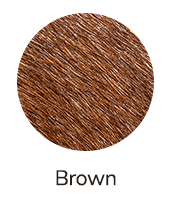

Russian toys have a wide range of coat color potentials, unlike their ancestors, which mainly had a black and tan coat. These dogs can also have the same coat in addition to red and brown, blue and tan, brown and tan, and red, fawn, cream, or lilac-colored coats.
While their color appears similar to a variety of breeds, most notably the Manchester terrier and miniature pinscher, the easiest way to tell them apart is their small build and large, high-set ears. Some varieties, which we get into below, also have feathering on the ears that gives them a unique appearance.
What Size Is a Russian Toy?

The Russian toy belongs to the toy group, so they are very small dogs that have a fragile build. There isn’t much variety in terms of size between male and female Russian toys. They weigh less than seven pounds and stand 8 to 11 inches tall at the withers.
What Is a Russian Toy’s Coat Type and Length?


The smooth-coated Russian toy has a short, smooth coat overall that lies flat against the body and has a tight, glossy appearance. It is quite soft to the touch and isn’t as resilient as other terriers that were utilized for a functional purpose, like ratters.
The long-coated Russian toy, on the other hand, has a moderately long, silky body coat, with adorable feathering on the ears, tail, and back parts of the legs. The ears are a defining feature of this breed that gives them an appearance unlike any other.
What Is a Russian Toy’s Temperament?
The Russian toy is a dog with a lively and people-oriented temperament. These dogs bond strongly with their family members and aren’t afraid to show their love and devotion. They enjoy being a part of their owner’s daily life and thrive in both small and large families.
While they may appear fragile due to their small size and light frame, Russian toys have resilient personalities. They are alert and very engaged with their surroundings. If something catches their interest, you can be sure that a Russian toy will investigate further or alert you by barking, which makes them good watchdogs for their size.
In addition to all these personality traits, there’s much more to cover about the Russian toy. Here’s an overview of what to expect from these dogs in terms of everyday behavior.
Are Russian Toys Good With Kids?
The Russian toy is similar to the Chihuahua when it comes to their relationship with kids, although they aren’t as jealous as children getting attention from their favorite humans. Russian toys don’t enjoy rough handling or energetic play. They are also sensitive and can become stressed in loud, chaotic environments.
These, however, aren’t to say that Russian toys aren’t suitable for families with kids. They are more for homes with calm, respectful, school-age children, rather than households with young children. If kids are aware of a Russian toy’s small size and play with it gently, these dogs can form a sweet, playful bond.
Are Russian Toys Good With Other Animals?
Russian toys are generally good with other animals, especially the ones in their family. They also don’t have much prey drive, at least compared to other terrier-type dogs. They can coexist peacefully with cats and small pets like rodents and birds, but supervision is still essential. However, the small size of the Russian toy makes them at risk of accidental injuries; playtime with larger dogs should be supervised.
When it comes to their socialization requirements, they are minimal. As long as they get some opportunities to meet other dogs, interact with strangers, and get exposed to new sounds and smells, you will have a well-socialized Russian toy. This aspect of raising a Russian toy – socialization – shouldn’t be neglected. Otherwise, they can develop small dog syndrome that can lead to a wide array of behavioral issues.
Are Russian Toys Aggressive?
Russian toys don’t have any inherent aggression. They are lively dogs with a sometimes sassy personality that may trigger them to engage in cute, protective behaviors. These, however, don’t usually go beyond the usual barking; Russian toys turn to their owners for protection rather than providing it.
However, any dog can engage in aggressive behaviors. Owners of this breed shouldn’t ignore bad behaviors because they are such small dogs. They require an adequate amount of socialization and guidance with training to become friendly, confident companions.
Do Russian Toys Bark?
Russian toys are fairly local dogs, but they usually bark for a reason. They are very alert and quick to notice sudden movements, sounds, and the presence of strangers, so they often bark to announce that something is happening in their surroundings. These dogs may also bark to get attention, which should be ignored when they engage in this behavior to prevent them from barking excessively.
Overall, Russian toys are moderate to high barkers that bark the most. Excessive barking isn’t a fixed trait associated with the breed, but they are at risk of it more than others. With proper socialization, training, and confidence-building, you can ensure that your Russian toy doesn’t bark without a reason.
Are Russian Toys Affectionate?
Like every companion dog, Russian toys are highly affectionate and people-oriented. Again, similar to many companion breeds, they tend to attach to one primary person to have them as their favorite human. Still, Russian toys are affectionate with everyone in their family; they enjoy sitting on laps, cuddling under blankets, being carried around, and following from room to room.
With their affectionate temperament, Russian toys are happiest when they are also included in daily life. If a Russian toy feels that their emotional needs aren’t met, they can be quick to develop separation anxiety or engage in destructive acts when left alone. If this concerns you, take a look at our Minimizing Separation Anxiety course materials to find tailored ways to prevent and treat it.
Are Russian Toys Intelligent?

The Russian toy wasn’t developed for complex working tasks like herding, guarding, or hunting. As such, we can consider their intelligence to be average. They learn new commands and skills reasonably quickly and can pick up routines and adapt to household expectations without much repetition. These dogs have a more social and adaptive intelligence rather than a task-driven one that solves problems.
In terms of mental stimulation needs, Russian toys need it like every other dog, but certainly not as much as breeds like the Belgian Malinois. Exploring new places occasionally, scent work at home, playing and socializing with friendly dogs, and training are usually enough mental enrichment for Russian toys.
Are Russian Toys Energetic?

Russian toys are fairly energetic and active dogs that enjoy playing with their loved ones, whether it is something like fetch and tug or engaging activities like hide and seek or scent work. However, it is safe to say that Russian toys are energetic for their size. They enjoy short bursts of activity rather than anything that requires endurance or intense activity.
On average, walking Russian toys for about 30 minutes is enough to meet their exercise needs. They may benefit from more, but their delicate side should be kept in mind when picking out physical activities for these dogs. Russian toys are also not very susceptible to developing behavioral issues due to a lack of exercise, unless it happens for prolonged periods.
Are Russian Toys Easy to Train?
Russian toys are surprisingly very easy to train. They don’t have a big stubborn streak like many of the breeds with a terrier lineage; they absorb training well, mainly thanks to their people-oriented nature and intelligence. Despite their small size, they are certainly capable of learning a variety of commands, skills, and tricks.
However, this good level of trainability only comes out when you utilize appropriate training techniques. Russian toys are quite sensitive dogs that can shut down completely if corrected harshly. The same applies to training sessions when they get repetitive or longer than they should. The best way to train these dogs is to utilize short but multiple training sessions throughout the day that are direct and to the point.
To get the most out of your Russian toy’s trainability, check out our online dog training courses. Dog Academy offers a wide range of online dog training courses, including puppy training, housetraining, obedience training, crate training, psychiatric service dog training, and behavior modification for excessive barking, reactivity, and more. The step-by-step format of our online courses makes it easy, even for first-time owners, to train their dogs on their own.
Are Russian Toys Good Watchdogs?
With their tendency to bark quite often, Russian toys can actually be quite useful watchdogs. They are alert and keep an eye on their surroundings for any sudden movement, sound, or presence of anything out of the ordinary. If they spot anything, you can be sure that they will bark to alert you. However, they aren’t capable of even the slightest bit of actual guard work. Russian toys simply bark to alert, and their job ends there.
Are Russian Toys Good Service Dogs?
Like many other toy breeds, Russian toys aren’t considered for service dog work. They are simply too small to assist individuals with disabilities. Although small dogs can be ideal for psychiatric service dog work, at least some people with disabilities are looking for a more physically capable dog. Plus, they are companion dogs that don’t have an inherent desire to stay focused on a trained task for prolonged periods.
The best job for a Russian toy is to be their owner’s loving companion, which makes them excellent emotional support animals by default.
How to Care for a Russian Toy?
In addition to everything covered above, Russian toys have some basic care needs in terms of grooming, feeding, and health. By also knowing these, you will be able to make an informed decision on whether the Russian toy is the right dog breed for you. Here’s everything to note about caring for a Russian toy.
Do You Need to Groom a Russian Toy?

Both the smooth-coated and long-coated Russian toy have minimal grooming needs in terms of coat care. They should be brushed every week or so to maintain their coat, but it isn’t their only grooming need. Russian toys are susceptible to ear infections and periodontal disease. Owners of this breed must brush their teeth daily, clean their ears every week, and check for any signs of infection.
With all their other basic grooming needs like nail trimming, bathing, paw care, and tick prevention, the Russian toy overall has moderate grooming needs.
Do Russian Toys Shed?

Russian toys shed an average amount, but with their tiny size, managing shedding shouldn’t be a big problem. Even brushing their coat weekly will help remove dead hair from their coat and keep your home clean, though you might need to brush them more frequently during seasonal changes to compensate for the extra shedding.
What Health Problems Do Russian Toys Have?
The Russian toy, much like breeds similar to it, is generally healthy. They can live the majority of their lives without any health problems affecting their quality of life. Still, they are at risk of developing certain canine health conditions. In addition to chronic ear infections and periodontal disease, these include luxating patella, heart issues, progressive retinal atrophy, and eye injuries like ulcers.
While lifestyle adjustments and proper care can get in the way of these health issues becoming a much bigger issue, they can also be hereditary. When buying a Russian toy puppy, work with a responsible breeder who screens their breeding stock against common Russian toy health issues. Routine vet visits every six months to a year also play a critical role in identifying any health issues early and ensuring your Russian toy’s health.
How Long Do Russian Toys Live?
The lifespan for Russian toys is estimated to be between 12 and 14 years. It is around the average for most toy breeds with a terrier lineage.
What Should a Russian Toy Eat?
Russian toys should eat dog food formulated for toy breeds, whether in the form of kibble or fresh. They can also do well on a homemade diet that’s cooked gently or raw, but before feeding any of these diets to your Russian toy, consult an animal nutritionist. Any homemade or raw diet must be formulated by a qualified practitioner in order to ensure your Russian toy gets all the nutrients they need for a healthy, happy life.
Is a Russian Toy the Right Dog for Me?
The Russian toy is a small companion breed with an affectionate and lively temperament. You can think of these dogs as a toned-down terrier in terms of their sassiness. They aren’t as bold as most other terriers, but certainly not as calm and shy as many other toy companion breeds. These dogs are an ideal pick for anyone looking for a well-balanced small dog that responds well to training.
However, one side note is that Russian toys can be quite sensitive. They don’t do well in chaotic households. If you have young children running around loudly, it is no doubt that it will be a major stressor for a Russian toy, which can lead them to engage in all sorts of unwanted behaviors. The Russian toy is a breed more suited to calm households. Keep this in mind, especially if you have children not yet school age.