Puggle: Your Complete Guide
The puggle is what we call a unique dog breed. While they’re not as prominent as some purebred dogs, the puggle is rising in popularity, and for good reason. These canines are created by mixing pugs and beagles, which are both great dog breeds in their own rights. That said, when you combine a pug and a beagle you end up with a unique dog breed that shares traits from both ancestors.
For this reason, there’s plenty of variation with puggles, but they tend to be small or medium in size, have a short coat, a face that has plenty of those pug wrinkles that people have come to love. When it comes to a puggle’s personality, well, this is where things get a little interesting. These dogs thrive on social interaction, and their loyal, playful, and even-keeled temperament makes this no surprise. That said, some puggles can be a little aloof and independent, so don’t be surprised if they don’t cuddle up every night.
If you like what you’re reading, make sure you stick around. In this guide, we’re going to cover everything you need to know about the puggle dog breed. Whether you want to uncover their history, explore their temperament, or better understand how to care for them, you’ve come to the right place. Read on to learn about everything puggle.
Table of Contents
Quick Look at the Puggle
Below is a quick glance at this special breed in terms of their physical characteristics, lifespan, temperament and grooming needs.
| Weight/Height | 15-30 pounds, 10-15 inches at the shoulder. |
| Coat Type | Short, smooth, and straight. |
| Grooming Needs |  |
| Shedding |  |
| Temperament | Loyal, playful, energetic. |
| Good With Kids | |
| Good With Other Animals | |
| Intelligence | |
| Easy to Train | |
| Energy Level | |
| Barking Habits | |
| Lifespan | 10-15 years |
What Is the History of Puggles?
When it comes to the history of puggles, this breed has a unique one. Puggles are a recent innovation, if you want to call it that, but they’re more of a happy accident. The first documented intentional breeding of puggles was headed by Wallace Havens.
The first puggles came around during the late 1980s, but by the early 2000s these dogs became a household staple and exploded in popularity. So, why are puggles so sought after? Well, it turns out that when you combine a Chinese pug and an English beagle, this created a trainable, loyal, and affectionate companion. After all, puggles have the family-friendly traits that make pugs a staple of households around the world, along with the scent hound trainability and intelligence that you get with beagles.
The result? A perfect harmony of these traits in small to medium-sized dogs. While the puggle wasn’t an established name for this unique breed during their early days, this all changed in the early 2000s when demand for the breed skyrocketed. Luckily, it was pretty easy for breeders across the United States to come up with this name.
That said, it’s important to note that as a designer mixed breed, puggles are not AKC-certified. While they’re recognized by some kennel clubs, this hybrid breed doesn’t have its own classification – yet. Of course, this can always change in the future, and we’ll be right here and ready to update you.
What Do Puggles Look Like?
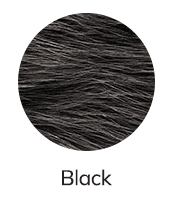
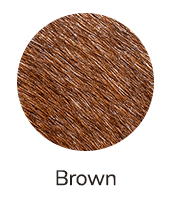
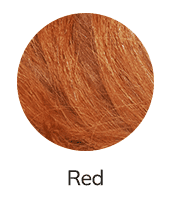

When it comes to their appearance, puggles have a distinct one. The pug and beagle are both equally known for their looks, so expect many of these distinctive breed features to creep through the surface. Puggles have wrinkly faces, short snouts, floppy ears, and oddly serious-looking eyes.
When it comes to their coats, puggles have some variation. However, most puggles have short coats that come in fawn or black. That said, there may be some mixes with white, and their faces may have black hair that almost looks like a cute little mask.
You’ll also find that puggles can have short, curled tails and muscular bodies that can be medium-sized or a little smaller. That said, it’s important to note that no two puggles will look the same. Because this breed shares traits from beagles and pugs, it’s important to note that puggles may take on more traits from one of the parent breeds. In other words, some puggles will look more like pugs, and others will look more like beagles.
What Size Is a Puggle?
The size of a puggle is a little more complicated than just a simple number. This is due to the fact that puggles vary in size based on the genes of their parents. That said, puggles do have a size range that you can expect, so it’s not like you have to go in blind or anything.
On average, you can expect a puggle to be between 15 and 30 pounds. When it comes to height, they’re around 10 to 15 inches at the shoulder. When it comes to male and female puggles, males tend to be larger, but this also comes down to their ancestors.
What Is a Puggle’s Coat Type and Length?
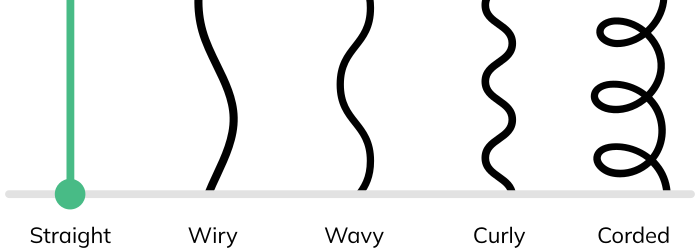
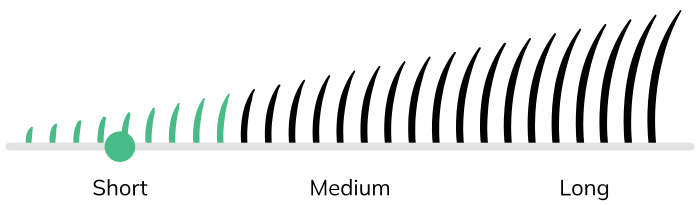
When it comes to the coat type and length, puggles vary depending on the genes of their parents. Luckily, like their size, there are some common traits that many of these dogs have. Puggles usually have a smooth coat, and sometimes it can be a double coat. When it comes to the length of their coat, puggles tend to have short coats with straight hair.
It’s important to note that some variations may apply, so keep this in mind, and don’t be surprised if you come across some interesting-looking unicorns out there.
What Is a Puggle’s Temperament?
When it comes to a puggle’s personality, or temperament, their vibes vary based on the individual dog. We know we’ve been saying that a lot lately, but it’s always important to meet with a dog before you welcome them into your home for the best results. That said, there are some common puggle personality traits that you can expect.
Puggles can be playful, affectionate, and even a little curious. Puggles are also loyal and love to bond with their handlers, so don’t be afraid to brush, train, and play with them frequently. This will only strengthen the bond that you and your puggle have.
You’ll also find that puggles have some interesting traits that come from their scent hound backgrounds. Due to their strong noses, they’ll track scents and become obsessed with some odors, especially if you have rabbits, squirrels, or other small animals in your yard. For this reason, you need to keep an eye on them when they’re playing outside.
Are Puggles Good With Kids?
When it comes to puggles, you won’t be running into any issues with them if you have children. These dogs love to play, they’re gentle, and they’re also affectionate. For these reasons, you shouldn’t have to worry about them harming your child. However, if your child is on the smaller side, you need to be careful because they may accidentally harm your puggle if they don’t know how to play with them.
It’s also important to note that every dog is different, so there may be situations where your puggle acts out. Ultimately, this comes down to the temperament of the individual dog.
Are Puggles Good With Other Animals?
Puggles tend to be great with other animals. If you have other dogs, you shouldn’t have any issues, especially if you socialize them early. However, it’s important to note that puggles may not be the best fit for smaller animals. This is due to the fact that puggles have a prey drive, which means they may chase them around or bark at them.
The good news is that you can usually work on these issues via early socialization and training.
Are Puggles Aggressive?
Puggles are not aggressive dogs. Sure, they have a prey drive for some smaller animals, but don’t expect your puggle to attack strangers or act vicious around your family. This is possible, of course, but it’s very rare and will only happen if they feel threatened. Ultimately, puggles just want their handlers to be happy, and they even open up to strangers faster than many other dog breeds.
Still, if you’re worried, you may want to monitor their behavior for anything off. If you notice any issues, you can then address them early through socialization and positive reinforcement training.
Do Puggles Bark?
If you’re not a fan of dogs who bark, you may want to look elsewhere. Puggles do bark often, and this is due to the alertness of the puggle breed and the prey drive of the beagle. Essentially, you’re looking at a recipe for barking. In fact, puggles may bark if they’re not getting enough attention, playtime, or exercise.
The good news is that you can always work on excessive barking. You can focus on socialization and other training methods to prevent them from barking all the time.
Are Puggles Affectionate?
Puggles are affectionate dogs who love to please their human companions. They’ll turn your lap into their personal bed. Puggles will also seek out your approval. They’re eager to please their handlers, and this makes them very trainable.
That said, puggles can also be aloof at times, and this depends on the specific puggle.
Are Puggles Intelligent?
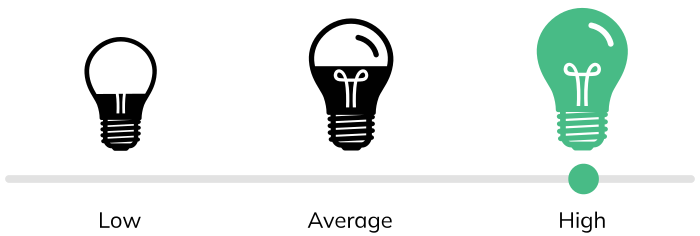
Puggles aren’t the smartest dogs in the world, but they’re not slouches. They have an above-average level of intelligence, and a lot of this comes from their beagle heritage. They’re smart enough to solve puzzles, learn a wide variety of commands, and much more. In fact, puggles tend to be pretty good at escaping your home or backyard, especially if they happen to see a squirrel minding their own business on the other side of a fence.
You’ll need to keep an eye on them if you let them explore off leash, especially if you notice them tracking a scent or being obsessive in a specific area of your backyard.
Are Puggles Energetic?
Puggles may not look like track stars at first glance, but that doesn’t mean they’re not energetic. The combination of the beagle’s prey drive and the pug’s playful nature results in a dog that has a lot of energy. You’ll also find that puggles need to play, train, or go on long walks to get rid of some of this energy, and if they don’t, they’ll definitely let you know.
Due to their high energy levels, we recommend playing with them, walking them, and training them for 30 to 60 minutes daily.
Are Puggles Easy to Train?
Puggles aren’t difficult to train, and you can thank their intelligence for this. While puggles aren’t hard to train, things can become complicated if they’re not getting enough exercise or if you’re not using positive reinforcement. For example, if you scold them often or don’t reward them for successful training sessions, puggles can become frustrated and uninterested in the training process.
It also helps to train a puggle with a consistent schedule and routine. The good news is that if you need help getting started, we have your back. We offer a wide variety of online training programs that can help you train your puggle.
Are Puggles Good Watchdogs?
Puggles can be good watchdogs, but there’s a big emphasis on can. This is because puggles love to bark at just about anything that they see, so you may need to reign that barking in if you want them to be an effective watchdog. Now, if you want a dog that alerts you to just about anything, well, you don’t have to do much.
On the other hand, if you want a puggle to alert you to specific signs of danger or other scenarios, it’s important to train them properly.
Are Puggles Good Service Dogs?
Puggles aren’t the best service dogs for physical tasks due to their small size and high prey drive. You won’t see them pulling many wheelchairs or fetching items from high places. In fact, puggles may even struggle to open doors and guide people through crowds, which are all tasks that a physical service dog should be able to handle.
That said, this doesn’t mean you should count them out just yet. This is due to the fact that puggles can be great psychiatric service dogs. These are service dogs that provide comfort to people who struggle with mental health disabilities. In fact, if someone has a seizure disorder or POTS, puggles can sense changes and act before problems happen.
You’ll also find that puggles are a good fit for emotional support animals. If you can prevent them from barking all the time in your apartment, other tenants and landlords won’t have an issue with a puggle if you have an ESA letter.
How to Care for a Puggle?
Caring for a puggle is all about making sure they’re happy, healthy, and clean. While that may sound simple, there’s a lot that you have to keep an eye on. You need to check their ears for signs of infection and feed them a healthy diet that’s formulated for small to medium-sized dogs.
While there’s a lot to learn about caring for a puggle, the good news is that we have your back, and we cover how to do so in more detail below.
Do You Need to Groom a Puggle?
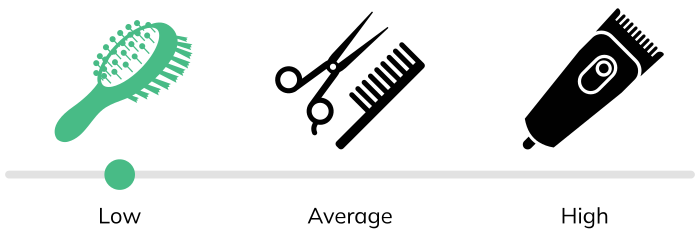
You don’t have to worry about heavy grooming needs with a puggle. You’ll only need to brush them weekly, bathe at regular intervals, and trim their nails every four to six weeks, but you don’t usually need to worry about cutting their hair.
That said, you do need to check their ears for signs of infection, and you should always check for missing hair and signs of skin infections when you brush them.
Do Puggles Shed?
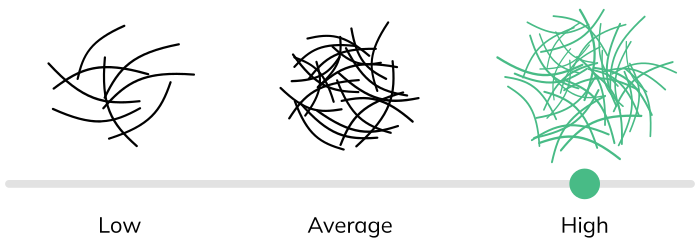
Despite puggles having short coats, puggles actually shed a lot. This is due to the fact that puggles tend to have double coats. Sure, this coat may be soft and fluffy, but it also sheds a lot during seasonal changes.
Therefore, you should focus on brushing them frequently during these periods. Also, keep a vacuum handy if you want to keep your home clean and hairless.
What Health Problems Do Puggles Have?
The health problems that puggles have tend to vary based on the dog. However, there are some conditions you have to keep an eye on due to their beagle and pug genes. For example, their short snout makes them more likely to deal with brachycephalic airway syndrome, which can cause breathing issues in hot and cold climates.
Some joint conditions, like hip and elbow dysplasia, are also common, along with degenerative eye problems. Puggles may struggle with thyroid issues, spinal issues, and ear infections. There’s a lot to watch for, so make sure you’re bringing them to the vet every single year to catch issues early.
If you notice skin infections, fatigue, or mood changes, it may be time to make an emergency visit.
How Long Do Puggles Live?
A puggle’s lifespan varies. This is due to the fact that they inherit traits from pugs and beagles. That said, the average puggle lifespan is 10 to 15 years. Your puggle will likely live longer if you ensure they’re eating a healthy diet, getting enough exercise, and making regular trips to the vet.
What Should a Puggle Eat?
When it comes to diet, puggles should eat a diet that’s high in protein, healthy fats, and fiber. Some carbohydrates are also good, especially if you’re helping your puggle get enough exercise. While puggles tend to be medium-sized dogs, you’ll find that they thrive on medium-to-small dog-breed formulas.
When it comes to the specific ingredients, you have a little wiggle room with this breed. However, you’ll want to focus on lean meats, rice, carrots, green beans, and even potatoes.
Is a Puggle the Right Dog for Me?
A puggle is a great dog, but this breed might not be for everyone. For these reasons, it’s important to determine whether or not a puggle is right for you before you go ahead and welcome one into your home. So, is a puggle the right dog for you?
If you’re someone who wants an affectionate and playful dog, a puggle is a great choice. They also get along well with children and other animals once they’re socialized. If you don’t want to worry about high grooming costs or too many health issues, puggles are also a good choice.
On the other hand, these dogs aren’t a great fit if you need a physical service dog, a working dog, or a big dog. Also, if you don’t have a ton of energy or time to spend with them, you may be better off with a different dog breed.