Pharaoh Hound: Your Complete Guide
The pharaoh hound isn’t just a pretty dog. They might look like they belong in a museum or on an ancient wall carving, but their shape and build come from real work in rough, unforgiving terrain.
Known as the ancient “Blushing Dog” of Malta, the pharaoh hound is fast, alert, and surprisingly tough under that sleek exterior. Anyone who assumes they’re delicate or high-maintenance just because of their refined looks will be surprised once they see them in action.
The upside is that these dogs know how to relax at home once the day’s activity is done. You won’t have to deal with the non-stop, chaotic energy that some athletic breeds bring into the house. Calm at home doesn’t mean they require little effort overall. This guide covers everything you need to know before committing to a pharaoh hound.
Table of Contents
Quick Look at the Pharaoh Hound
Here’s a brief overview of the pharaoh hound’s physical traits, personality, and care requirements.
| Weight/Height | 45-55 pounds, 23-25 inches (males), 21-24 inches (females) |
| Coat Type | Short, glossy coat with a fine or slightly harsh texture |
| Grooming Needs |  |
| Shedding | |
| Temperament | Playful, intelligent, sociable, noble, active |
| Good With Kids |  |
| Good With Other Animals |  |
| Intelligence |  |
| Easy to Train | |
| Energy Level | |
| Barking Habits | |
| Lifespan | 12-14 years |
What Is the History of Pharaoh Hounds?
The pharaoh hound is most closely associated with Malta today, but its story started much earlier and farther east.
Many experts believe the Phoenicians (ancient traders from what is now Lebanon) were responsible for spreading Egyptian-style hounds throughout the Mediterranean more than 2,500 years ago. As they traveled from port to port, trading luxury goods, these dogs likely accompanied them and eventually reached Malta.
On the island, the pharaoh hound became known as the “Kelb tal-Fenek,” meaning “rabbit dog,” and was bred to hunt rabbits across Malta’s harsh, rocky landscape. They relied on a combination of sight, scent, and hearing, which gave them an advantage over sighthounds that depend only on vision.
Beyond their hunting skills, pharaoh hounds are known for their “blushing,” where their ears and nose turn a rosy pink when they are excited or happy. They were officially recognized in Maltese history in 1979, when the pharaoh hound was named the national hound of Malta.
What Do Pharaoh Hounds Look Like?
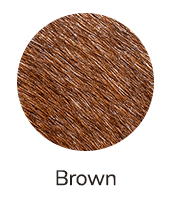
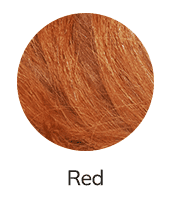

Pharaoh hounds are graceful dogs with an athletic build and upright, confident posture. Even when standing still, they look alert and ready to move. Their heads are long and chiseled, with amber eyes that match the warmth of their coats.
The ears are one of the breed’s most noticeable features, standing tall when the dog is alert and shifting easily with sound. The muzzle is slightly longer than the skull and ends in a flesh-colored nose.
These dogs have a long, slightly curved neck that holds the head high. The chest is deep, and the body has a light tuck at the waist. Both the front and rear legs are straight, giving the dog a light-footed, agile movement. The tail is medium length, tapering toward the tip. It forms a slight curve when the dog is in motion.
Standard coat colors include rich tan, chestnut, or golden red, often with white markings on the chest, toes, tail tip, or face. Some dogs may have a darker facial mask, though this varies.
What Size Is a Pharaoh Hound?
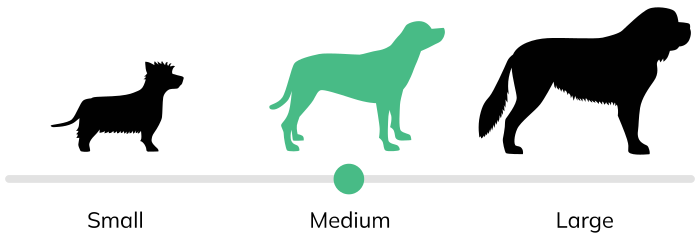
A pharaoh hound is a medium-sized dog that often looks taller because of its long legs and slim frame. The height of males ranges from 23 to 25 inches, while females are slightly shorter at 21 to 24 inches. Despite this difference, both genders share the same elegant outline.
The pharaoh hound’s body has a little extra length from chest to hips, and that’s on purpose. It helps them sprint, turn, and move with ease. These dogs are relatively light for their height, weighing 45-55 pounds, depending on sex, genetics, and overall condition.
According to the breed standard, these dogs should never appear bulky. They’re built to stay light on their feet.
What Is a Pharaoh Hound’s Coat Type and Length?
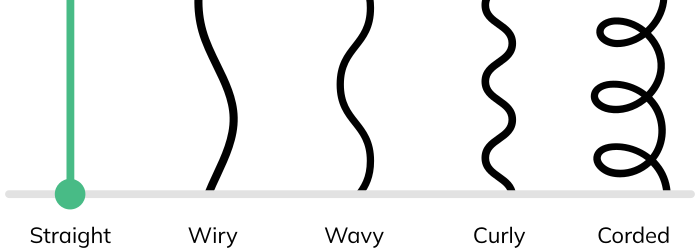
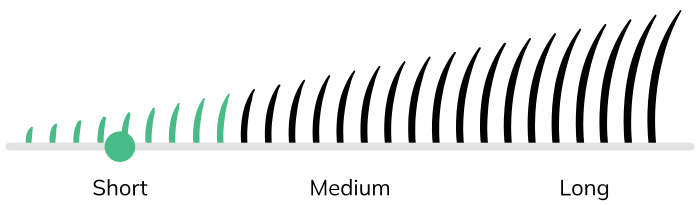
Their fur is short, glossy, and sits right against the body. Some coats feel extra smooth, while others are a little firmer, but none are long or fluffy. There’s no undercoat, and you won’t see feathering or curls anywhere. This is how the coat maintains a sleek appearance year-round.
Since the hair is so fine, pharaoh hounds can be sensitive to cold weather and may require a jacket in cooler climates.
What Is a Pharaoh Hound’s Temperament?
If you’re looking for a dog with personality, the pharaoh hound has plenty of it. These dogs are smart, friendly, and full of playful energy. They stay alert, love to move, and are always ready to chase something that catches their eye or nose.
These dogs are also more vocal than many people expect. Instead of silently observing everything, they bark to express excitement or annoyance. Add in their intelligence and independent thinking, and you get a dog that likes to do things their own way. Sometimes that leads to clever problem-solving. Other times, it leads to trouble, like counter-surfing.
Pharaoh hounds are affectionate with the people they trust and can be very loyal to one chosen family member. They’re usually friendly at home, but may act reserved around strangers. Owing to this selectiveness, early socialization plays a big role in shaping a well-rounded adult dog.
Are Pharaoh Hounds Good With Kids?
Pharaoh hounds are often described as the “cat of the dog world,” and that gives you a good idea of their vibe, especially indoors. They can be wonderful companions for families with children, as long as kids are taught to interact respectfully.
A pharaoh hound is generally patient and tolerant, but may become overwhelmed by rough handling or loud, unpredictable behavior. Older children who understand boundaries are a better match for this breed.
Families with smaller kids need to be careful. Pharaoh hounds can be playful and bouncy, and they can jump pretty high, so things might get a little chaotic during playtime. You’ll have to train your dog not to jump up on people to keep your kids safe.
Most breeders also strongly recommend a fenced yard, and many won’t place a pharaoh hound in a home without one. With all precautions and a training plan in place, you can expect your furry companion to enjoy playtime and shared activities with your children.
Are Pharaoh Hounds Good With Other Animals?
Generally, yes. Pharaoh hounds enjoy active play and can handle rough-and-tumble interactions with medium to large-sized dogs, though supervision is important due to their speed and high energy. In some cases, males may show tension toward other males, especially if both dogs are intact, but this is manageable with proper socialization and supervision.
Small animals are a different story. Pharaoh hounds have a strong prey drive, and cats, birds, and other small pets can easily trigger their instinct to chase. They should not be left alone with small animals.
These dogs are also prone to chasing wildlife, which means your yard will need secure fencing. All in all, you should focus on managing your dog’s hunting instincts instead of suppressing them. Chasing is deeply hardwired into the breed and can’t be trained away without creating stress or confusion.
Are Pharaoh Hounds Aggressive?
No, pharaoh hounds generally have a calm and loving temperament. Even though they were bred as hunters and have a strong instinct to chase smaller animals, they show very little aggression toward people. In most cases, they’re affectionate, gentle, and easy to live with. These dogs may act cautiously around new people, but it’s not out of fear or hostility.
Since they’re sensitive dogs, the environment in which you raise them matters. Loud noises, rough handling, or high-energy toddlers can make these dogs anxious. Poor socialization, neglect, and constant exposure to stress can also lead to behavioral issues.
These dogs also need plenty of daily exercise to stay relaxed and mentally balanced. A peaceful home that follows a proper routine brings out the best in their temperament.
Do Pharaoh Hounds Bark?
Barking is very much part of the pharaoh hound personality. As dogs bred to hunt and communicate in packs, they’re quick to use their voice when something catches their attention. Whether it’s a strange noise, a new person, or sudden movement, they’re likely to speak up.
Pharaoh hounds don’t just have one bark, either. They use different sounds to express excitement, displeasure, or alertness. While early training can help shape when and how often they bark, it’s best to accept that this breed is naturally more vocal than quieter sighthound breeds.
Are Pharaoh Hounds Affectionate?
Affection comes naturally to the pharaoh hound once they learn to trust you. These dogs truly enjoy being part of a family and daily household activities.
Instead of constant cuddling, pharaoh hounds like to greet their loved ones with full-body wiggles, enthusiastic tail wags, and what looks like a big, toothy smile. Many even blush, with their ears and nose turning pink, when they’re excited. They may also bring you toys, follow you from room to room, or fold their ears back to convey their joy.
Pharaoh hounds form strong bonds with their families and don’t enjoy being left alone for long periods. Extended isolation can cause anxiety, which may appear as restlessness or destructive behavior.
Are Pharaoh Hounds Intelligent?
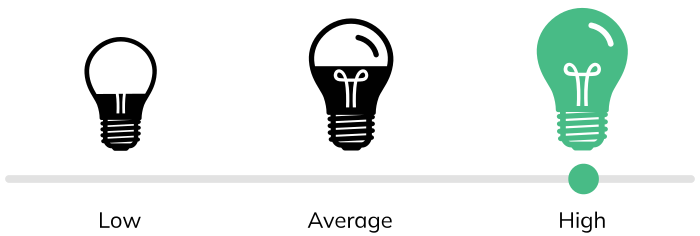
Yes, pharaoh hounds are intelligent dogs. You’ll see it in how quickly they learn, how easily they solve problems, and how aware they are of their surroundings. However, that same intelligence also means they like to think for themselves.
Pharaoh hounds were bred to hunt independently, so they don’t always wait for direction or approval. This can sometimes come across as stubbornness or misbehavior, but it’s really a sign of a dog that knows how to make their own decisions.
Thanks to their hunting background, pharaoh hounds excel at activities that challenge both mind and body. Agility, nose work, and coursing allow them to use their intelligence in a positive way.
Are Pharaoh Hounds Energetic?
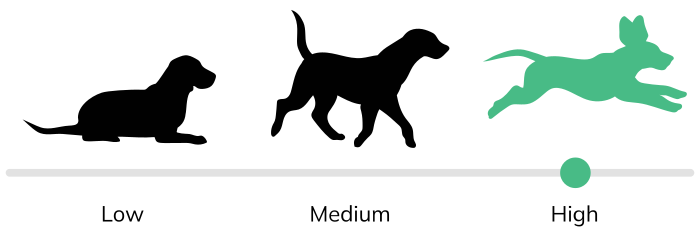
Yes, these dogs have moderate to high energy levels. They love to run, chase, and burn off speed whenever they get the chance. As a rule of thumb, this breed needs at least 20 to 30 minutes of focused, high-energy activity each day to stay happy.
They’re not the kind of dog you can let wander freely, though. They should be on a leash or in a securely enclosed space with a tall fence (ideally six feet or higher) because once a pharaoh hound sees something worth chasing, they’re gone.
This breed enjoys variety, too. Fetch, agility drills, lure coursing, and scent-based games all appeal to a pharaoh hound’s instincts.
Are Pharaoh Hounds Easy to Train?
Pharaoh hounds are very intelligent, but that doesn’t make them easy to train. They like to understand why they’re being asked to do something, and if the task feels pointless or boring, they may lose interest.
Positive reinforcement works best with this breed. Pharaoh hounds are highly food-motivated, so treats, toys, and praise go a long way in keeping their attention. On the other hand, if something feels unfair or stressful, they’ll happily walk away from the lesson.
Safety is a major part of training these dogs. Their instinct to chase can override even solid training when a pharaoh hound is off-leash in open spaces.
Obedience training should start as early as eight weeks old, along with early socialization. Training an older dog is also absolutely possible. Adult pharaoh hounds can learn new behaviors and improve existing ones when training is done at their pace and with the right motivation.
Are Pharaoh Hounds Good Watchdogs?
Pharaoh hounds are naturally curious, which means they’ll notice new sounds, movements, or unfamiliar activity around the home. More importantly, they won’t stay quiet if they think something needs attention, which works in their favor as watchdogs. Their tendency to be reserved around strangers adds to their ability to sound the alarm.
That said, a pharaoh hound’s friendliness limits their role as a protector. These dogs are affectionate and people-oriented. Combined with a strong prey drive that can pull their focus toward chasing small animals, they’re far less likely to physically defend you or your property.
Are Pharaoh Hounds Good Service Dogs?
No, pharaoh hounds aren’t suited for most service dog roles. Although they can learn tasks with positive reinforcement, their independent nature and strong prey drive make it hard for them to stay focused in distracting environments, even with proper training.
That said, pharaoh hounds are smart, alert, and deeply attached to their people. Which means they may do well in particular situations, such as limited alert tasks or emotional support within a controlled environment.
How to Care for a Pharaoh Hound?
Despite their regal look, pharaoh hounds are pretty low-maintenance. Their short, tight coat stays clean with minimal effort. More importantly, these dogs need regular walks and opportunities to move their bodies. Otherwise, they can get bored and exhibit stubborn or restless behavior. Routine will help your dog feel secure and prevent unwanted behaviors.
As family dogs, pharaoh hounds do best in active homes where they’re included in everyday life. They enjoy time spent playing, walking, and relaxing with their people. You should also set time aside for training, interactive games, and puzzle toys to help keep their minds busy and satisfied.
Do You Need to Groom a Pharaoh Hound?
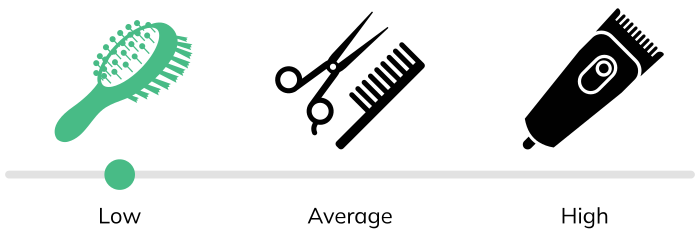
Pharaoh hounds have low grooming needs. Their short, smooth coat doesn’t need much brushing. They also don’t usually have a strong doggy odor, so most of the time, wiping them down with a damp cloth is enough to keep them clean.
Other than this, basic care includes brushing your dog’s teeth, trimming their nails, and keeping their ears clean. Nails should be short enough that you don’t hear tapping when they walk.
Do Pharaoh Hounds Shed?
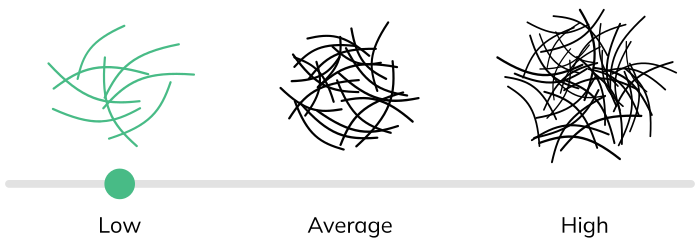
Yes, but shedding is usually manageable. A light brushing once a week with a rubber brush is all it takes to manage loose hair and spread natural oils across the skin.
Although pharaoh hounds are still not hypoallergenic, many people with mild sensitivities find them easier to live with.
What Health Problems Do Pharaoh Hounds Have?
Some pharaoh hounds are prone to malformed vertebrae and disc disease, which can cause discomfort or mobility issues if not caught early. Regular vet visits are important for monitoring these conditions.
Joint problems are another area to watch. Hip and elbow dysplasia, along with patellar luxation, can affect movement and may lead to arthritis over time. Eye conditions, such as progressive retinal atrophy and cataracts, can impact vision as the dog ages.
Pharaoh hounds may also develop hypothyroidism, a condition that affects metabolism and can cause weight gain, skin changes, and low energy. Epilepsy has been seen in some lines as well.
In addition, their short coat makes these dogs more prone to allergies, and because they have deep chests, bloat is a serious risk. Maintaining a healthy weight and regular veterinary checkups go a long way in reducing these risks.
How Long Do Pharaoh Hounds Live?
The average pharaoh hound lifespan is 12 to 14 years. Some dogs live longer when their health is well managed from an early age. Compared to other dogs of similar size, this breed tends to age gracefully.
What Should a Pharaoh Hound Eat?
A well-formulated commercial food is usually the most reliable option for this breed. Look for formulas that list high-quality protein sources like chicken, turkey, lamb, fish, or eggs as the first ingredients, since these support lean muscle. Healthy fats are also important for skin and coat health, especially Omega-3 fatty acids from fish oil or flaxseed.
Some active pharaoh hounds may also benefit from added joint-support ingredients, such as glucosamine and chondroitin. Home-cooked meals can work too, but only with a veterinarian’s guidance to avoid nutritional gaps.
Young pharaoh hounds tend to have big appetites while they’re growing, especially up until around 2 or 3 years of age. After that, their hunger usually settles down. It’s best to work with your veterinarian to determine how much food your dog needs to maintain a healthy weight. Too many treats can quickly undo a lean physique, so give them in moderation.
Is a Pharaoh Hound the Right Dog for Me?
Before bringing a pharaoh hound into your home, ask yourself a few important questions. Will you enjoy having an active dog that needs regular physical and mental exercise? Are you okay with a breed that thinks for itself and doesn’t always follow commands just to please you? If so, you’re already on the right track.
Pharaoh hounds do best with experienced dog parents who’re willing to manage their prey drive, barking, and sensitivity to noise or stress. You should be able to provide this dog with a calm home that follows a routine.