Peruvian Hairless Dog: Your Complete Guide
As their name befittingly suggests, the Peruvian hairless dog or “perro sin pelo del Perú,” is almost always entirely bald. They have a captivating appearance and an even more fascinating history, with their origins being traced back to the pre-Inca period (between 300 BC and 1,400 AD).
The Peruvian hairless dog is known to be alert and independent-spirited. However, they also have an affectionate side and unmatched loyalty for those they bond with; all qualities that can make them a remarkable family pet.
Today, we’ll discuss everything you need to know about this rare and interesting pup, including their care needs, history, and typical Peruvian hairless dog personality traits.
Table of Contents
Quick Look at the Peruvian Hairless Dog
Below is a quick glance at this special breed in terms of their physical characteristics, lifespan, temperament, and grooming needs.
| Weight/Height | 9.75 to 25.75 inches, 8.5 to 55 pounds, depending on the variety |
| Coat Type | Hairless (most common) or short-to-medium coat |
| Grooming Needs |  |
| Shedding | |
| Temperament | Independent, affectionate, alert, and loyal |
| Good With Kids |  |
| Good With Other Animals | |
| Intelligence |  |
| Easy to Train | |
| Energy Level | |
| Barking Habits | |
| Lifespan | 12 to 14 years |
What Is the History of Peruvian Hairless Dogs?
The Peruvian hairless dog has been primarily bred for companionship. They have a long, impressive history tied to Peru, with the breed thought to date back to at least 350 BC.
While the Peruvian hairless dog’s exact origins remain a mystery, it is clear that they have captured hearts for thousands of years. They can be found depicted in ancient Incan pottery and paintings, and have also appeared in Chimu, Moche, and Chancay pottery.
In Chimu culture, the Peruvian hairless dog was considered sacred and associated with good fortune. Their body warmth was also thought to provide therapeutic relief, and they were even used as a natural remedy for arthritis and respiratory ailments.
Despite their revered status, the Peruvian hairless dog nearly went extinct when the Spanish invaded Peru. The Spanish thought little of these native Peruvian dogs, viewing them as “grotesque” and “diseased,” and often exterminated them on sight. They were also interbred with several other dogs during this period, resulting in the various size varieties seen today.
Fortunately, the breed managed to survive thanks to Peruvian families who valued them for their sacred status and kept them safe within their homes.
Official breed standards soon formed in the 20th century, and they were recognized by the United Kennel Club (UKC) in 1996. In 2001, the Peruvian hairless dog was declared the national breed of Peru and given protected status.
Other common names for this pup include the “Peruvian Inca orchid,” “Inca hairless dog,” and “perros flora” (flower dogs).
What Do Peruvian Hairless Dogs Look Like?
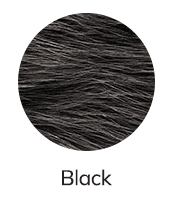
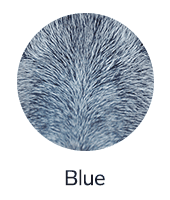
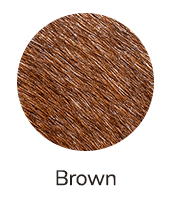

The Peruvian hairless dog’s overall look showcases both strength and agility. They have a slender, elegant physique, a deep chest, and powerful, long legs. They also have almond-shaped eyes that convey an alert, piercing expression.
Peruvian hairless dogs come in three recognized size varieties and can either be hairless — the more common — or coated. When it comes to the hairless variety, their skin is exposed in practically every area.
Some hairless Peruvian Inca orchids have short hairs on their face, lower tails, and feet, though these tufts never hide their frames. Coated Peruvian hairless dogs can come in various shades, with brown, black, gray, and light blonde being the most common.
It is common for Peruvian hairless dogs to have a scissor bite and/or missing teeth, and this is not penalized under breed standards.
What Size Is a Peruvian Hairless Dog?
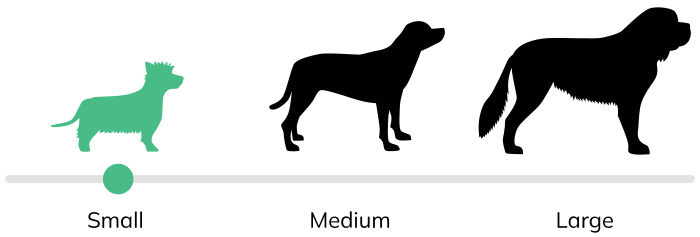
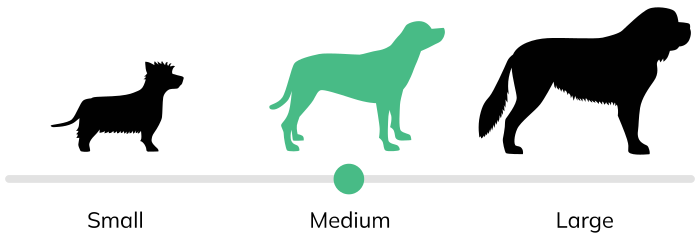
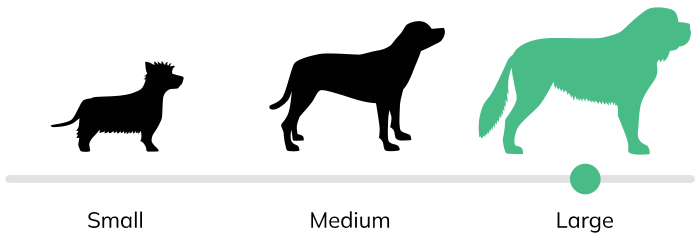
The three recognized size varieties of the Peruvian hairless dog are small, medium, or large. We’ll provide an overview of each size’s typical measurements below:
- Small: 9.75 to 15.75 inches tall, weighing between 8.5 and 17.5 pounds
- Medium: 15.75 to 19.75 inches tall, weighing between 17.5 and 26.5 pounds
- Large: 19.75 to 25.75 inches tall, weighing between 26.5 and 55 pounds
Male Peruvian hairless dogs are considerably larger than females, often by a few inches and pounds. Females also tend to have slightly longer bodies than males.
What Is a Peruvian Hairless Dog’s Coat Type and Length?
The Peruvian hairless dog is famous for having no coat, though not every pup is entirely bald. Some do have the odd tuft of fur on their face, paws, and lower tail, and others (coated varieties) are even born with full, short-to-medium-length coats.
The Peruvian hairless dog’s skin can either be solid or spotted with some unpigmented patches. It also appears elastic and smooth, and is warm to the touch.
What Is a Peruvian Hairless Dog’s Temperament?
The Peruvian hairless dog has long been revered as a sacred, blessed animal, and we’d like to think this is partly due to how remarkable their personality is! They’re noble and affectionate, and bond closely with their loved ones.
While they’re fairly laid-back within the home, they do have a lively side and enjoy outdoor activities like hiking. They also have an alert eye and tend to notice anything and everything in their surroundings.
Peruvian hairless dogs are proudly people-oriented dogs. However, this does make them prone to experiencing separation anxiety. They shouldn’t be left alone at home for too long, as otherwise they may become distressed and engage in destructive habits, like excessive barking or scratching.
Are Peruvian Hairless Dogs Good With Kids?
The Peruvian hairless dog can bond well with kids of all ages, provided they’re well-socialized. They’re generally patient, affectionate, and gentle, and often keep a protective eye on kids. Their lively side comes especially in handy, as they will join in on games and help tire kids out.
However, the Peruvian hairless dog can be sensitive, and they won’t tolerate harsh, rough play or overly loud noises. This means they typically aren’t the best fit for energetic toddlers. Even with older children, they should still be closely watched to ensure they interact together safely.
Children should also be taught how to handle Peruvian hairless dogs with care, respect their boundaries, and use basic obedience commands like “sit” and “stay.”
Are Peruvian Hairless Dogs Good With Other Animals?
Peruvian hairless dogs are known to be more people-oriented, but they’re still quick to befriend other dogs. They’ll enjoy romping around and playing with other canines, especially with dogs who can keep up with their quick, agile movements.
However, if you have small pets in your home, you’ll likely want to consider another breed. The Peruvian hairless dog has a strong prey drive and tends to instinctively pursue small pets like rabbits, hamsters, and birds.
Socialization can help minimize the Peruvian hairless dog’s prey drive, though be mindful that they are also quick to react and incredibly fast. They should be closely supervised and never left off-leash around small animals.
Are Peruvian Hairless Dogs Aggressive?
The Peruvian hairless dog isn’t inherently aggressive — they have been kept as a family pet for thousands of years because of how affectionate they are! While they can be on guard around unfamiliar faces, this rarely causes them to show aggressive tendencies. They aren’t overly territorial either.
To help ensure your Peruvian hairless dog becomes a well-adjusted dog, training and socialization should be on your agenda from the very first day you welcome them home. You should also make sure you’re meeting their needs throughout their life, as any dog can become aggressive or destructive if they aren’t getting enough exercise or attention.
Do Peruvian Hairless Dogs Bark?
The Peruvian hairless dog can best be summed up as a moderate barker. They do have a vigilant side and like to keep a close watch on their home, and you can expect them to bark to alert you of approaching visitors.
However, other than that, they’re relatively quiet. The only other times you’ll likely hear them bark are when they’re excited during play or feeling anxious or bored.
The Peruvian hairless dog can be a good fit for apartments, especially if you choose the more manageable, small variety. However, be mindful that their barks can still be loud, so they shouldn’t be housed in apartment blocks with strict noise restrictions.
Are Peruvian Hairless Dogs Affectionate?
The Peruvian hairless dog is often “lovey-dovey” with their family members. Don’t be surprised if you catch them gazing at you with an admiring, doting look, or wanting to cuddle up with you after a grueling battle with a toy. They are also a proud lap dog and will no doubt see your lap as their personal bed.
Just be mindful that the Peruvian hairless dog usually reserves this soft, loving side to those they bond with. Their natural vigilance does mean they tend to be aloof around strangers and take some time to warm up to them.
Are Peruvian Hairless Dogs Intelligent?

The Peruvian hairless dog may be lacking in the “fluffs” department, but we like to think all that fluff has been transformed into pure brainpower. They’re extremely intelligent, alert, and curious, and they can read situations often better than their fellow humans can.
While their intuitiveness is admirable, it does mean the Peruvian hairless dog won’t hesitate to test boundaries if they feel they can’t trust their owner’s direction. It’s important to establish a loving, respectful relationship and maintain a consistent training routine to keep this independent side in check.
Are Peruvian Hairless Dogs Energetic?
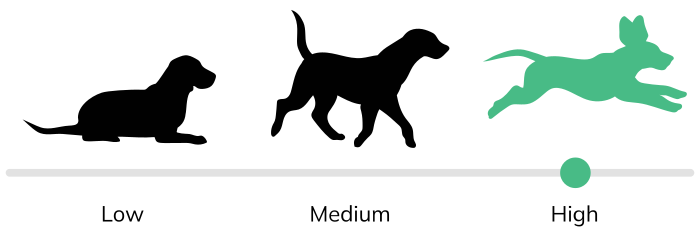
The Peruvian hairless dog is lively and, like most sighthound breeds, is capable of running at phenomenal speeds. However, they typically won’t need an extensive amount of exercise each day to thrive. Most are content with around 40 minutes of daily exercise.
Large Peruvian hairless dogs will generally need more exercise than their smaller-sized counterparts, though even then, an hour is usually sufficient. Peruvian hairless dogs enjoy long, engaging walks, hikes, and outdoor games like fetch. They also have a soft spot for activities that satisfy their prey drive, like lure coursing.
Are Peruvian Hairless Dogs Easy to Train?
The Peruvian hairless dog is devoted and intelligent, with an eagerness to work alongside their owner. However, their strong will can make them harder to train than a biddable dog, especially if you’re a first-time owner.
Still, as is the case for every breed, Peruvian hairless dogs respond extremely well to clear, gentle direction and positive reinforcement training principles. This approach will help them to put their trust in you and enjoy the training process.
Due to the Peruvian hairless dog’s high intelligence, they’ll appreciate variety and being taught new commands. Once they’ve mastered their basic obedience, spruce up their training routine with advanced commands, fun agility tricks, scent work, and dog sports like lure coursing.
Are Peruvian Hairless Dogs Good Watchdogs?
The Peruvian hairless dog can perform watchdog duties, as they’re sharp and naturally vigilant around unfamiliar faces. They also have a tendency to bark if someone approaches the front door.
However, they won’t be able to help with protection work. While their overall appearance is rather unusual, it isn’t particularly imposing and likely won’t deter intruders. They also tend to “stare” down threats with an aloof, reserved demeanor rather than snarl or growl at them.
Are Peruvian Hairless Dogs Good Service Dogs?
While the Peruvian hairless dog’s robust nature and high intelligence can make them apt for certain service dog tasks, they typically aren’t the best choice for this line of work. They tend to get easily distracted due to their independent spirit and high prey drive.
The Peruvian hairless dog’s distinct appearance is also known to attract the attention of onlookers. Not only can this make for uncomfortable, awkward interactions, but it also means there’s a whole other level of distraction for the Peruvian hairless dog to deal with.
While not particularly well-suited for a service role, the Peruvian hairless dog does often excel as an emotional support animal. They are loyal and extremely affectionate with their family members, and can offer immeasurable comfort to those in need. They also enjoy being a lap dog and won’t shy away from physical contact like cuddles or belly rubs.
How to Care for a Peruvian Hairless Dog?
Caring for a Peruvian hairless dog can be more challenging than other breeds, as they do need a fair amount of exercise and attention each day to thrive. However, if you’re prepared to give this pup the love and care they deserve? They’re sure to bless you with unmatched loyalty and a warm lap for years to come.
While we’ve covered the basics above, such as daily exercise, regular training, and socialization, you also need to consider their health and dietary concerns. Read on to learn more about what it takes to be a responsible Peruvian hairless dog owner.
Do You Need to Groom a Peruvian Hairless Dog?

The Peruvian hairless dog doesn’t usually have any “fluff” to groom and won’t need to be brushed regularly. Even in the case of a coated Peruvian hairless dog, a thorough brush once a week is usually enough to keep their fur looking its best.
While you won’t need to groom a hairless Peruvian Inca orchid in the traditional sense, you do need to care for their skin. You will need to wash and moisturize their skin regularly to keep it healthy and to replenish its natural oils. Frequent washing will also help to prevent irritation and skin infections.
Since the Peruvian hairless dog’s skin is exposed, they are prone to damage from the sun’s rays. You will need to limit their exposure to direct sunlight as much as possible. Apply dog-friendly sunscreen, stick to shaded walking routes, and consider investing in a protective dog coat. You should also avoid exercising them when the sun’s rays are strongest (between 10 am and 4 pm).
The Peruvian hairless dog is also at greater risk of dental problems due to a genetic mutation. You should check their teeth regularly for concerns like plaque buildup, brush their teeth daily, and invest in dog dental chews.
Do Peruvian Hairless Dogs Shed?

The Peruvian hairless dog has very little fluff to shed. Even when the small amounts of fur they have do shed, it often goes unnoticed.
The Peruvian hairless dog can be an exceptional match for those with fur and dander sensitivities. However, as no breed is fully hypoallergenic — yes, even hairless breeds — it’s best to meet this pup in person to see how your allergies react.
What Health Problems Do Peruvian Hairless Dogs Have?
While Peruvian hairless dogs are robust and fairly healthy overall, they are susceptible to certain health complications due to their genetic makeup.
As we’ve touched on above, Peruvian hairless dogs are at a greater risk of dental concerns. Their exposed skin also makes them more vulnerable to sun damage and heat stroke, so you’ll need to take precautions in hot weather.
Other health concerns to watch out for include:
- Ear infections
- Skin irritation and/or infections
- Patellar luxation
- Hypothermia
- Cardiovascular issues
Working with a breeder who screens for health conditions like patellar luxation can help ensure you have a puppy who grows to become a healthy, long-lived adult dog. You should also take them to their routine vet appointments and monitor them closely for changes in their behavior, eating habits, or skin.
How Long Do Peruvian Hairless Dogs Live?
The Peruvian hairless dog lifespan is around 12 to 14 years on average, which is in line with other breeds who share their energy level. Small Peruvian hairless dogs are known to live slightly longer than large varieties, though their exact lifespan will depend on factors like their lineage, health, and diet.
What Should a Peruvian Hairless Dog Eat?
The Peruvian hairless dog should be fed a food carefully formulated for their size, age, and energy level. You should also make sure the food is rich in nutrients, as dietary deficiencies will quickly lead to dry, flaky, and infection-prone skin.
As a rough idea, the food should provide plenty of protein to support their muscles, essential minerals and vitamins for overall health, and a mix of healthy fats and complex carbs. The addition of fiber can also help keep them satiated.
When selecting food for your Peruvian hairless dog, be mindful of the texture and consistency. Many Peruvian hairless dogs struggle with dental concerns, and they may find crunchy kibble hard to chew on. Consider soft, crumbly kibble or wet dog food options.
Is a Peruvian Hairless Dog the Right Dog for Me?
The Peruvian hairless dog’s personality is just as charming and unique as their appearance. While it’s easy to be mesmerized by them, it’s important not to overlook their care needs.
They should only be housed with families who can give them plenty of attention, regular exercise, and a balanced diet that prioritizes their health. They also need consistent training and socialization to thrive.
The Peruvian hairless dog may be a good fit for you if:
- You want a dog who isn’t likely to trigger fur allergies
- You want a dog who loves snoozing and playing outdoors in equal measure
- You lead an active lifestyle and don’t work long hours
- You want an alert, independent, and affectionate companion
You may want to consider another breed if:
- You live with boisterous toddlers or small pets
- You’re a first-time pet owner or inexperienced with dog training
- You aren’t prepared to invest in a pup’s health