Parson Russell Terrier: Your Complete Guide
Many people see a Parson Russell terrier and expect a quiet, low-energy companion because of their small size. What they soon realize is that these dogs have the drive and energy of much larger working breeds.
Their hunting background affects nearly every part of the Parson Russell terrier’s behavior. They have instincts that push them to explore, problem-solve, and stay alert throughout the day. These traits make them excellent partners for active individuals. Anyone who’s not prepared to adapt their routine around an active dog will find this breed too demanding.
This guide will help you determine if a Parson Russell terrier’s drive and temperament suit your household. You’ll learn about their personality, behavior with children and other animals, training challenges, grooming needs, health risks, and long-term care.
Table of Contents
Quick Look at the Parson Russell Terrier
Here’s a quick breakdown of the Parson Russell terrier’s appearance, temperament, and general care needs.
| Weight/Height | 13-17 pounds / 13-14 inches |
| Coat Type | Dense, harsh, double coat |
| Grooming Needs |  |
| Shedding | |
| Temperament | Bold, eager, obedient, intelligent, athletic |
| Good With Kids |  |
| Good With Other Animals |  |
| Intelligence | |
| Easy to Train |  |
| Energy Level | |
| Barking Habits | |
| Lifespan | 13-15 years |
What Is the History of Parson Russell Terriers?
Parson Russell terriers were developed in the south of England during the 1800s for a specific kind of fox hunting. Hunters needed a dog that could keep up with foxhounds above ground and then continue the pursuit underground once the fox took shelter in a den.
Larger dogs couldn’t follow the fox in narrow underground burrows, and smaller companion breeds lacked the courage and stamina for the task. This is why the Parson Russell terrier was bred to be compact, agile, and fearless.
The breed is named after Reverend John Russell, who balanced his religious duties with a serious commitment to fox hunting. He carefully selected terriers that could work alongside hounds without interfering with them. His dogs were expected to flush the fox out of hiding, not to fight it, which required restraint.
Since these terriers had to make decisions underground, Russell bred them to think independently. That’s why modern Parson Russell terriers have strong opinions and problem-solving skills.
What Do Parson Russell Terriers Look Like?



The look of a Parson Russell terrier is best described as practical and athletic. Their bodies were built for speed, flexibility, and stamina. A square, well-balanced outline allows these dogs to move quickly and make sharp turns when needed.
A Parson Russell terrier’s head is also well-proportioned. Dark, almond-shaped eyes sit neatly in the flat skull to give the breed its alert look. Small, V-shaped ears fold forward and stay close to the head to protect the ear opening during work. The muzzle is strong and slightly shorter than the skull, supporting powerful jaws and a firm scissors bite.
When you look at the body, you’ll notice a narrow, flexible chest that allows these dogs to squeeze into tight underground spaces. The legs are straight and long enough to keep pace with hounds.
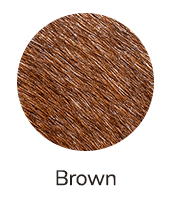
This breed’s coat is usually white with black, brown, cream, tan, or tri-color markings. White was historically favored because it helped hunters distinguish the dog from the fox during a chase. While markings can vary in size and placement, excessive coloration is generally discouraged in the breed standard.
What Size Is a Parson Russell Terrier?
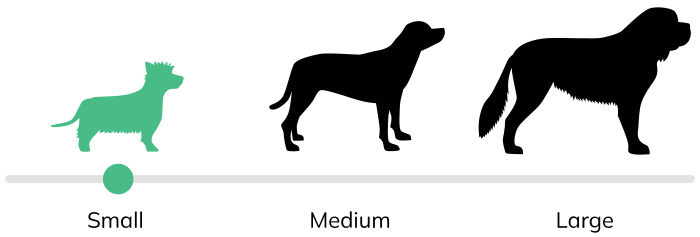
Parson Russell terriers are small, but they’re sturdier and more athletic than many small breeds. Most adults fall within the height range of 13 to 14 inches and weigh between 13 and 17 pounds. Males and females are generally similar in size, though individual build can vary.
Proportion plays a key role in how these dogs move and work. The height at the shoulders should be slightly greater than the body’s length. Any dog under 12 inches or over 15 inches tall falls outside the acceptable range because those extremes interfere with the breed’s working purpose.
What Is a Parson Russell Terrier’s Coat Type and Length?
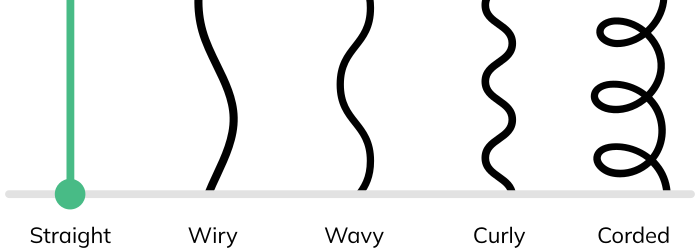
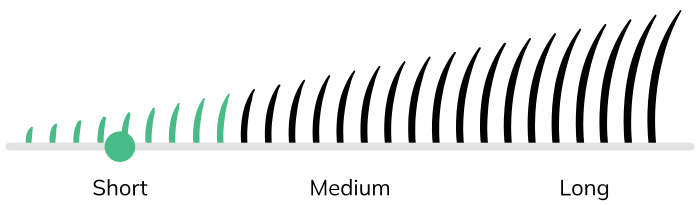
Parson Russell terriers have a short coat that comes in two textures: smooth or broken. Both are double coats to protect the dog from weather, dirt, and rough terrain while working outdoors.
The coat lies close to the body and stays straight, which prevents it from catching easily on brush or debris. Length is kept short to medium, even in broken-coated dogs.
You may see a slight hint of eyebrows or a beard in some dogs. However, heavy furnishings are avoided because long hair would interfere with movement underground and require unnecessary maintenance.
What Is a Parson Russell Terrier’s Temperament?
These dogs are confident, assertive, and eager to investigate everything in their environment. When focused on a task, they can be determined and single-minded. In a family setting, they’re affectionate and full of personality. They enjoy interaction and play, and bring a lively energy into every activity they join.
Since their minds are always active, Parson Russell terriers need routine, interaction, and challenges to remain satisfied. Understanding the Parson Russell terrier’s personality means accepting that this is a dog who wants to participate fully in daily life.
Are Parson Russell Terriers Good With Kids?
Parson Russell terriers can be great for families with children in active households. They’re social dogs that love spending time with kids through games and outdoor activities.
However, challenges can arise because of the breed’s high energy level. Some dogs may nip when overly stimulated, not out of aggression but as part of rough or fast-paced play. Resource guarding around toys or food can also appear if you don’t address those habits early.
Needless to say, you should never leave younger children alone with a Parson Russell terrier. Even with older kids, supervision is important. Also, you need to teach appropriate handling first. Children should know not to tease, chase, or take toys or food away from the dog. They should also learn to read signs of stress, such as turning away or stiffening, to make interactions safer.
At the same time, you should train your Parson Russell terrier to respond to basic commands, remain calm around children, and settle when play becomes too intense.
Are Parson Russell Terriers Good With Other Animals?
Parson Russell terriers can live successfully with other dogs if you socialize them early. Since they used to work in packs during fox hunts, they’re capable of sharing space with other canines. For that, they need clear boundaries and strong leadership from the owner. Otherwise, they may become pushy or dominant around unfamiliar dogs.
Parson Russell terriers that grow up alongside other dogs are usually more accepting. Supervision and consistent training also help prevent confrontational behavior, particularly in high-energy environments like dog parks or multi-dog households.
Smaller animals present a much bigger challenge. Parson Russell terriers have a strong prey drive, which makes them instinctively inclined to chase cats, rabbits, hamsters, and similar pets. Even dogs raised around small animals or those that undergo proper training may still react suddenly to fast movement.
Are Parson Russell Terriers Aggressive?
Parson Russell terriers are not naturally aggressive toward people, but their high energy and prey drive can sometimes lead to behavior issues when early socialization is missing.
A Parson Russell terrier that hasn’t been exposed to different people, dogs, and environments may react defensively to unfamiliar situations. Since they’re confident, they’re less likely to retreat when startled, which can result in snapping.
Dog-to-dog aggression is more common than aggression toward humans, especially in males. These dogs are fearless and won’t back down from challenges without proper guidance. Consistent training can help reduce conflicts and teach the dog appropriate responses.
Do Parson Russell Terriers Bark?
Yes, Parson Russell terriers bark. They used their sharp, persistent bark to alert hunters to foxes hiding underground, so vocalizing comes naturally to them. This doesn’t mean they bark constantly, but they won’t stay silent when something catches their attention.
Barking may become excessive when a Parson Russell terrier’s energy isn’t managed correctly. A bored or under-exercised dog may bark for stimulation or attention, and may even pair barking with destructive behavior. This tendency can be challenging in apartments or noise-restricted settings.
Training from an early age helps teach them when barking is appropriate and when to settle. For some dogs, crate training also helps reduce anxiety-driven barking by providing a calm, secure space to settle.
Are Parson Russell Terriers Affectionate?
Parson Russell terriers are very affectionate with their families. However, instead of staying curled up in one place, they prefer to be involved in whatever you’re doing. You can expect them to follow you around the house without always demanding physical contact.
Play is one of their main ways of showing love. These dogs bond through movement, games, and shared activities, whether that means fetching a toy, going on walks, or joining in outdoor adventures.
Cuddling does happen, but usually on their terms. A Parson Russell terrier may settle down after exercise or choose to nap nearby rather than sit on your lap. Some enjoy burrowing under blankets or leaning against their favorite person instead of being held for long periods.
Are Parson Russell Terriers Intelligent?

Intelligence is one of the Parson Russell terrier’s strongest traits, but it can be a double-edged sword. These dogs think quickly and adapt to changing situations without waiting for human direction. They may question your commands if they don’t see the point.
Problem-solving also comes naturally to this breed. A Parson Russell terrier can figure out how to open doors and escape enclosures. They’re observant, socially aware, and skilled at finding loopholes in rules. If a boundary is unclear, they’ll test it.
Without enough physical and mental challenges, boredom sets in quickly, and a Parson Russell terrier may resort to digging, barking, and destructive habits. To channel their intelligence into productive behavior, you need to train them with positive reinforcement.
Are Parson Russell Terriers Energetic?
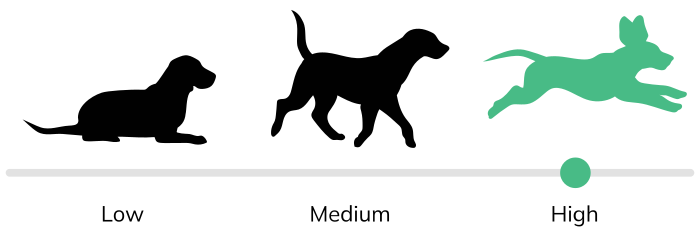
The high energy levels of this breed surprise many first-time owners. Since these dogs were bred to work for long hours, they require more exercise than many other small breeds. Several active walks and play sessions are usually needed each day to keep them content. Their long legs and athletic build also make them great jogging/running partners.
Without enough activity, a Parson Russell terrier may become high-strung or destructive, and may start chewing, digging, or pacing to relieve frustration. Mental challenges, such as training sessions and interactive games, help prevent these behaviors.
On the upside, this breed’s drive and enthusiasm help these dogs succeed in agility, dock diving, and hunting-based trials because these activities match their natural abilities.
That said, not everyone is ready for the activity level of a Parson Russell terrier, and some dogs are given up as a result. For those who know what to expect, adopting one from a rescue can be a very rewarding experience.
Are Parson Russell Terriers Easy to Train?
Parson Russell terriers are capable learners, but they’re not what most people would call easy to train. They pick up new skills quickly, but they lose interest just as fast if training feels repetitive or dull.
Positive reinforcement is the most effective method for this breed. Praise, rewards, and play-based training keep these dogs motivated and engaged. Exercise also plays a major role in training success. A Parson Russell terrier with pent-up energy is far harder to train than one who has had enough physical and mental activity.
This breed isn’t usually recommended for first-time dog owners. Their combination of energy and stubbornness can overwhelm people who aren’t prepared for ongoing training. That said, you can always enroll in training classes or work with a professional to learn how to manage a Parson Russell terrier’s energy in productive ways.
Are Parson Russell Terriers Good Watchdogs?
Parson Russell terriers make excellent watchdogs because they notice movement, sounds, and unfamiliar people almost immediately. They’re not easily intimidated and will confidently announce the presence of strangers through loud, persistent barking.
However, once you give attention to the situation and acknowledge the visitor, these dogs will be happy to greet them. This means the breed is not a good choice for guarding or protection work.
Are Parson Russell Terriers Good Service Dogs?
These dogs are commonly not chosen as service dogs. Their independent nature and constant need for activity make it hard for them to stay focused for long periods in public. Many of their natural behaviors, including digging and vocalizing, go against service dog standards.
Prey drive is another major limitation. In busy environments, distractions, such as animals, fast movement, or unfamiliar sounds, can interfere with task reliability.
In rare cases, a Parson Russell terrier could be trained for particular service tasks. Their intelligence and small size can be helpful in some alert-based roles. However, this level of success requires exceptional temperament, intensive training, and an experienced handler willing to invest significant time and effort.
How to Care for a Parson Russell Terrier?
To properly care for a Parson Russell terrier, you need to meet their physical and mental needs daily. This breed requires high levels of activity, often up to two hours a day, to remain calm and focused. Activities like agility, flyball, puzzle toys, and training sessions give them healthy outlets for their intensity.
Apart from this, make sure you expose your dog to different people, places, and sounds as early as possible to help build their confidence and reduce the likelihood of anxiety or aggression.
A secure living space is also non-negotiable. These dogs can jump surprisingly high and should always be kept on a leash outdoors due to their strong prey drive. They also struggle with long periods alone, which can trigger mischief or nervousness. Be ready to spend quality time with them every day.
Do You Need to Groom a Parson Russell Terrier?
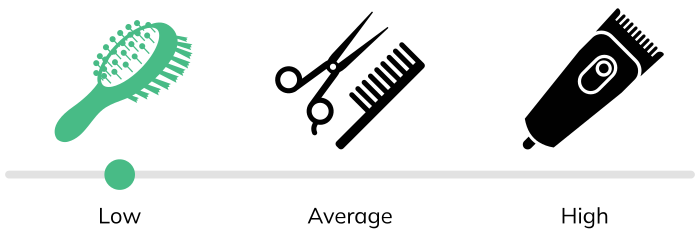
You don’t need an intensive grooming routine for a Parson Russell terrier. Their coat is short, dense, and naturally tidy, so it doesn’t require frequent trimming or styling. An occasional rub with a grooming mitt or a weekly brushing is enough to remove loose hair and keep the coat looking neat.
Baths are only needed when the dog gets dirty or starts to smell. Besides this, you should trim your furry baby’s nails to prevent overgrowth and check their ears for wax and dirt. Dental care is also important, as small breeds are prone to plaque buildup.
Do Parson Russell Terriers Shed?
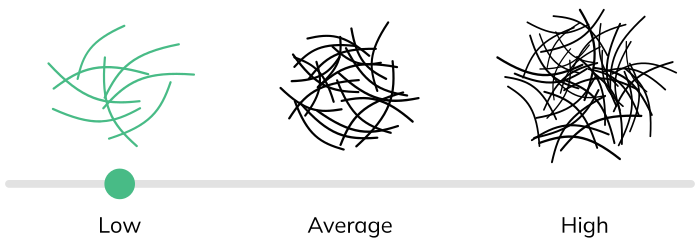
Shedding is part of life with a Parson Russell terrier. Most dogs shed moderately throughout the year, with heavier shedding during seasonal transitions. These dogs are not hypoallergenic, so they’re not great for people with pet allergies.
Coat texture affects how shedding appears. Smooth coats release hair more freely, leading to more visible shedding. Rough and broken coats tend to hold onto loose hair, which makes shedding seem lighter until the hair is brushed or stripped out.
What Health Problems Do Parson Russell Terriers Have?
Patellar luxation is a common health problem in these dogs, in which the kneecap slips out of its groove. It can lead to arthritis over time if left untreated. Other than that, some dogs may be born with a heart condition called pulmonic stenosis, which restricts blood flow to the lungs.
Eye health also requires special attention. Primary lens luxation is a hereditary condition that can cause sudden pain and secondary glaucoma if the lens slips out of place. Glaucoma itself is extremely painful and can result in permanent vision loss without fast treatment. Some older dogs may also develop cataracts, which may slowly reduce vision as the lens becomes cloudy.
As Parson Russell terriers get older, you also need to pay attention to daily dental care. Otherwise, plaque and tartar buildup may lead to gum inflammation, tooth decay, and infection.
How Long Do Parson Russell Terriers Live?
The average Parson Russell terrier lifespan ranges from 13 to 15 years, with many dogs living even longer with appropriate exercise, nutrition, and preventive veterinary care.
What Should a Parson Russell Terrier Eat?
Since this is an active breed, choose an AAFCO-approved dog food with a higher protein content to meet your dog’s energy demands. Puppies should always be fed puppy-specific or all-life-stage formulas to meet their growing needs.
As your dog matures, adjust calorie intake to help maintain a healthy weight. Feeding two to three measured meals per day reduces overeating. Limit treats and avoid leaving food unattended, as Parson Russell Terriers are skilled at jumping onto tables.
Is a Parson Russell Terrier the Right Dog for Me?
Whether a Parson Russell terrier is right for you depends on your routine and energy level. These dogs do best in homes where exercise, training, and mental stimulation are part of daily life. If you enjoy walks, runs, dog sports, or active outdoor time, this breed’s drive and intelligence will match your energy and keep you engaged.
On the other hand, these dogs aren’t great for people who prefer a quiet or relaxed household. Without enough activity, Parson Russell terriers can become bored and develop unwanted behaviors. First-time dog owners might also find the breed challenging unless they’re willing to seek training support.