Otterhound: Your Complete Guide
A shaggy and sociable breed, the otterhound is a firm and friendly hunter that has been around for quite some time. Unfortunately, unlike many other breeds that you may see during your daily routine, the otterhound is classified as an endangered breed and has been since 2012.
This is regrettable, as they make wonderful companions. While many can attest to some being fairly high-maintenance, they are beautiful animals with unique and charming personalities. With the decline in otter hunting, which is now illegal in some parts of the country given the species is also endangered, many skeptics of the breed feel they have lost their innate purpose.
We believe those people have a narrow perspective on otterhounds, and in this article, we will provide a complete guide on why the otterhound is an outstanding companion. Below, you will learn how to raise one into an outstanding family member, their ideal diet, common health problems, and much, much more!
Table of Contents
Quick Look at the Otterhound
Below is a quick glance at this special breed in terms of their physical characteristics, lifespan, temperament, and grooming needs.
| Weight/Height | 80 – 115 pounds/24 – 27 inches |
| Coat Type | Shaggy and wild double-coat |
| Grooming Needs |  |
| Shedding | |
| Temperament | Calm, charming, playful. |
| Good With Kids |  |
| Good With Other Animals | |
| Intelligence |  |
| Easy to Train | |
| Energy Level | |
| Barking Habits |  |
| Lifespan | 10-13 years |
What Is the History of Otterhounds?
Since the days of castles and kings, hunting across the rivers and creeks of Britain has been fairly common. While there have been several packs of otterhounds both in domestication and across the countryside for centuries, the otterhounds we see today probably originated in the 1700’s.
Otterhounds as a species have been referenced since the 13th century, when they were a prized hunting companion of King John of England (1166 – 1216). While they were not the talk of every literary publication, they have been consistently mentioned and referenced since then in several works.
These publications include but are not limited to The Art of Hunting (1327), Master of Game (between 1406 – 1413), The Noble Art of Venery (1575), and The Gentleman’s Recreation (1686).
The otterhound is a great example of a breed that has become a victim of their own success. The breed was made specifically to hunt aquatic creatures and developed their innate courage, aptitude in water, and patience necessary to excel at the task. Excel they did, to the point that otters became endangered in Britain.
Unfortunately for the otterhound and its now-extinct cousins, this was going to result in a large drop in their numbers. As of 2012, they have been considered endangered, and it is estimated that only around 600 remained worldwide. Despite this, there are several enthusiasts of the breed who are trying to increase and create a more stable population of otterhounds.
What Do Otterhounds Look Like?
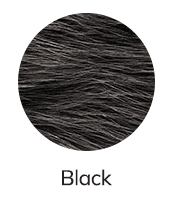
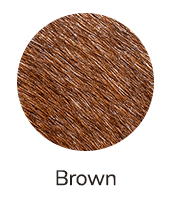
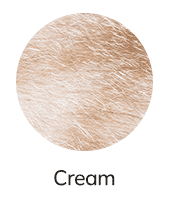
It is a genuine miracle that the otterhound has begun to slowly repopulate, as dog enthusiasts everywhere would lose a great breed with gorgeous features. Otterhounds can surprise people with their coats, which come in a wide variety of colors, including black, brown, cream, fawn, and silver.

What Size Is an Otterhound?
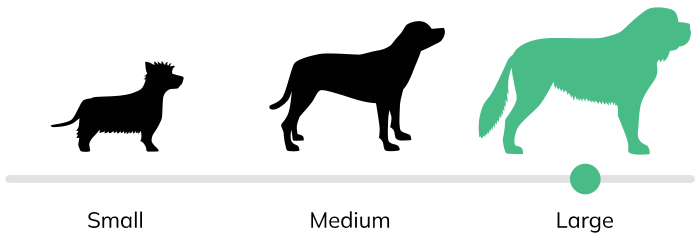
A lot of people expect them to weigh less as they assume most of their size is due to their large, shaggy coats. Yes, their fur is fairly thick, but so are they. These dogs are dense and muscular, getting as big as 80 – 115 pounds when fully grown. They are not short dogs either, and can grow between 24 and 27 inches once they reach physical maturity.
What Is an Otterhound’s Coat Type and Length?
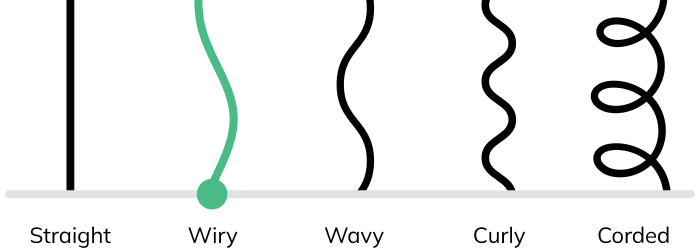
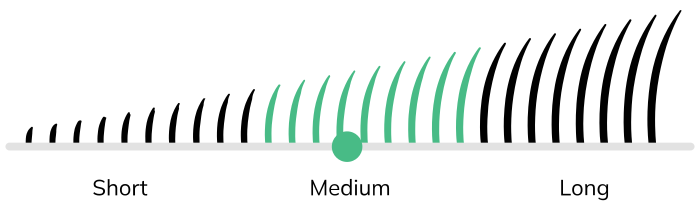
The otterhound coat is one of the most impressive things about the breed and is always the first thing people notice. Their shaggy, sweet appearance comes from their thick, wiry, double coat that is not terribly long, though it doesn’t stick to the skin like a bully or greyhound. Thankfully, the coat does a good job of repelling dirt, and they shed less than most would expect.
What Is an Otterhound’s Temperament?
The term gentle giant comes to mind when thinking about the personality of an otterhound. They are bouncy, playful, and goofy around family, and calm, collected, and confident when it’s time to focus on a task. While they may not show it, they have unbelievable endurance and make excellent swimmers who can tirelessly doggy paddle for hours.
They can develop separation anxiety, with them humming low barks that sound like a dog singing the blues when their owners are not around. While this noise is both beautiful and heart-melting, it will annoy neighbors. Even worse, separation anxiety can cause an animal to chew on furniture, destroy doors, and worse.
Because of this, we recommend finding ways to reduce their separation anxiety before it turns into considerable financial and property damage.
That being said, their days of hunting otters are well behind them, and most spend their time doting on family, playing in yards, and quietly and quickly forcing themselves onto your lap. They aren’t by any means a vicious breed, but some do not know their own size or strength, so training them to be gentle and respect other people’s space will do wonders in the long term.
Are Otterhounds Good With Kids?
As we spoke about above, they are deeply friendly dogs, but they can injure people without realizing it. Because of this, it is important to monitor them when they’re around young children and make absolutely sure that your kid understands to respect the dog’s boundaries, and vice versa. With a dog as big as the otterhound, they will always need to be monitored around younger children.
That being said, otterhounds are not known to be aggressive towards children; in fact, most tend to grow very close to the smaller members of their home. They are still a 100-pound animal, however, so it is entirely on the owner to keep their children and dogs safe.
Are Otterhounds Good With Other Animals?
It really depends on the animal and their size. Otterhounds are natural hunters, and their instinct is to chase after smaller critters, particularly those that enjoy a casual dip. Having a cat or small critter in the house with this breed may be difficult, though it is not impossible for them to cohabitate given proper socialization at an early enough age.
Other dogs tend to get along well with the otterhound, which has more charisma than your favorite statesmen. This will also depend on the personality of the other dog and how often both dogs are around other canines. That being said, this breed is no stranger in houses with multiple dogs, and tends to do well if their owner has properly socialized them.
Are Otterhounds Aggressive?
While there are likely aggressive dogs from every breed, it really is a genuine aberration to find a mean otterhound. These dogs are people pleasers, and they love being around their family, but they are typically not unkind or standoffish with new faces. If you want to bring out their natural amiability, we strongly recommend socialization from an early age.
Socialization from adolescence is important for all dogs, however, and getting an otterhound to make friends is hardly difficult.
They are not pushovers or passive dogs, however. If they feel threatened, cornered, or that someone they care about is in danger, they will stand up for themselves. If you have friends or family who are a little rough around dogs (wrestling, aggressive petting, etc), be empathetic with your otterhound and don’t allow them to feel trapped.
Do Otterhounds Bark?
They have an incredibly unique and sad howl that sounds like they are mourning a lost love. This – along with their propensity to bark when they see or hear anything out of the ordinary – can cause massive problems for people with close neighbors or roommates. If you wish to get an otterhound, you will need to be prepared to train them out of their bark and to initially deal with a pretty loud dog.
Because of this, and their general size, most people would not recommend them for townhouses, apartments, or smaller homes. Similarly, newer owners may feel overwhelmed by the size, separation anxiety, and noise of the dog.
Are Otterhounds Affectionate?
Have you ever had a triple-digit dog try to sit on your lap? Well, if you get an otterhound, it is going to happen sooner or later. They seem to think they are corgis, because they love plopping down on their favorite person’s lap and becoming a furnace for every body part beneath them. You will struggle to find a sweeter dog than the otterhound.
They are lovely and loving animals, and it is a genuine shame that more people do not know about them. That being said, if you are someone who prefers your alone time unbothered by prying paws and puppy eyes, the otterhound may not be for you.
They want attention and affection, and they are going to get it by asking politely, then begging, then just going for your lap anyway.
Are Otterhounds Intelligent?
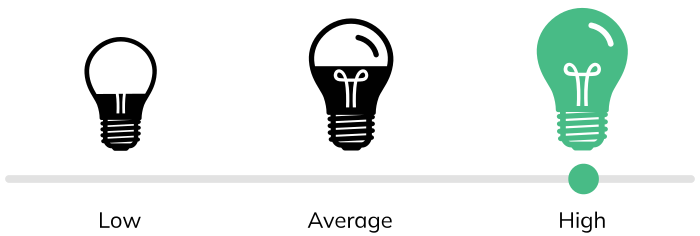
They are a deeply intelligent animal with a lot of potential both in task-oriented roles and learning advanced commands, tricks, and cues. That being said, intelligence has two sides; they can be incredibly quick to learn, but they may also have a devious and clever side that some owners may struggle with.
If you want to avoid a game of cat and mouse with your dog going through trash bins and chewing table legs, it can help to keep them mentally and physically stimulated. You don’t have to teach them arithmetic, but it does help to get toys that require a bit of thought, and games that let them use their bright minds.
Are Otterhounds Energetic?
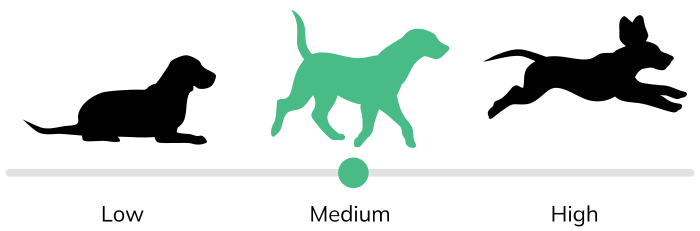
It really depends on the otterhound. For every active otterhound, you will have one or two that will loaf around in shaded areas waiting for someone to rub their belly. Despite this, they do require daily exercise.
If you do have a feisty friend, giving them lots of playtime or walks before training can help them “zero in” during sessions.
To give a concrete answer, they tend to be middle-of-the-road when it comes to their activity level. They are larger dogs, however, so what would satisfy a jumpy Jack Russell on a walk may not be enough for the longer limbs of an otterhound. Assessing a dog’s personality prior to adoption can help you get a better idea of what their general energy level will typically be like.
Are Otterhounds Easy to Train?
Yes, they are very intelligent dogs that can adapt to training quickly. Tasks and challenges excite the often impressive intellect of the otterhound, and they will rise to the occasion when learning new commands. All this being said, they may struggle at first, like any dog, as they try to understand basic commands, and keeping a friendly tone is essential.
This breed thrives on the approval of its owners. If you are harsh or dismissive, you may genuinely upset your dog and cause training to slow. Always focus on friendly, positive feedback and reward-based training that not only helps the dog learn commands but also deepens your bond. If you have never trained a dog before, we strongly recommend following a professionally-led course.
Are Otterhounds Good Watchdogs?
The otterhound is a loving companion and a goofy friend, but they are genetically built to hunt. Their senses are sharp, they are naturally alert, and they have courage and patience that make them naturally protective of their home. This means that you will not have to worry about any unidentified intruders or unwanted guests.
It also means that you will have a dog that has a notoriously unique bark, hitting the high notes at all hours of the night if you aren’t careful. This not only makes it hard for you to sleep, but it also makes it impossible to pass the buck when your neighbors complain about your dog’s breathy baritone. For those concerned, we recommend learning how to reduce their barking habit.
Are Otterhounds Good Service Dogs?
No breed is guaranteed to excel at service training, and it will come down to the individual dog’s personality and aptitude. That being said, there are certain breeds that tend to do better than others, with Labradors and poodles being among them. Otterhounds are a lesser-known breed, but share a similar mental acuity that makes certain other breeds great for service tasks.
They can also make excellent emotional support or psychiatric service dogs. An affectionate, doting breed like the otterhound will naturally grow deeply close to their family, and their emotional empathy is better than most people’s.
How to Care for an Otterhound?
Caring for an otterhound requires work, like any dog, though they are more forgiving than most breeds. For a large dog, they can get by on moderate daily exercise, such as a long walk. Bear in mind that even if you have a big fenced-in area, some otterhounds are lazy lugs that will need encouragement to get up and walk around.
Do You Need to Groom an Otterhound?
It takes a lot of work to look so beautifully disheveled, and otterhounds will need help keeping their shaggy, silly appearance. You will need to look after their beard, which can collect all sorts of interesting outdoor materials, and their nails require regular trims. A good rule of thumb is that once you can hear them approaching from nailtaps alone, it is time for a trim.
Their fur can be difficult to really access for certain brushes, so we recommend a slicker brush and a gentle touch to ensure you get deep into the fur without hurting your four-legged friend.
Similarly, check their ears, which can collect dirt and debris every time they go in for the evening.
Do Otterhounds Shed?
Anyone who sees the coat of the otterhound would expect a dog that changes the hue of a house in a week or less from fur loss alone. Thankfully, they are much more manageable than they look. That being said, brushing once or twice a week can help keep their fur clean, unmatted, and free from tangles, which do occur in such an impressive coat.
What Health Problems Do Otterhounds Have?
There is no dog breed that is entirely free from any possible inherited diseases or expected genetic conditions. While the otterhound is susceptible to some of the health conditions listed below, an active lifestyle, good diet, and loving home can help reduce the likelihood of disease in your pooch.
The following are common diseases and medical issues an otterhound may face:
- Hip Dysplasia – Hip dysplasia is a condition where the hips don’t set right into the joint. Common symptoms include odd walking patterns, limping, limited range of motion, and hesitancy before climbing or jumping.
- Bloat – Bloat is common in dogs with large, broad chests, like the otterhound, and symptoms typically include pacing, bloated abdomens, reduced appetite, increased drooling, and throwing up quickly after eating or drinking.
- Epilepsy – Epilepsy is a condition in which seizures can occur, and usually starts around the ages of 1 – 4. Symptoms include loss of consciousness, enlarged pupils, trembling of the body, and incontinence. Some dogs will also be more vocal during episodes.
- Glanzmann Thrombasthenia – A unique and rare disease that prevents clotting of the blood. Because of this, certain otterhounds with the genetic ailment may bleed more profusely. This condition needs to be identified prior to any surgery, which could prove fatal if the vet is not aware of it.
Learning the common symptoms of the above conditions can help you better recognize diseases before they progress. Remember, it is always important to give your dog routine vet check-ups and ensure that they are not showing the symptoms listed above.
How Long Do Otterhounds Live?
Because of their size and density, they live a year or two less than some of their lighter cousins. On average, you can expect a healthy otterhound to live 10-13 years.
What Should an Otterhound Eat?
There is no “ideal” dog food for otterhounds, and because of their limited number, few people are genuinely knowledgeable about the breed. Thankfully, this is not the case for this article. An otterhound should be fed high-quality, nutrient-dense food packed with sufficient vitamins and protein.
The amount of food they require throughout the day will largely depend on their size, age, and activity level. A young, active otterhound may require more than an older otterhound who prefers patio time over playtime. The breed does well with two meals a day, ideally at or near dawn and dusk.
Otterhounds will need between 4 and 5 cups of food spread across two meals. The amount will increase for bigger, more active dogs, and decrease for more passive pooches who may be putting on an extra pound or two.
Is an Otterhound the Right Dog for Me?
While you may have a genuinely difficult time finding this breed in your area, they can make wonderful companions for the right home. They are ideal for active people who can dedicate time to curbing their vocal habits and giving them the exercise and attention they love and crave.
They are a large animal, and they can prove to be too large for certain homes and apartments, whether they mean to or not. Any dog as big as the otterhound can be indirectly destructive through nothing more than a wagging tail. If you have the space, time, and patience for a dog as unique as the otterhound, they will absolutely impress you with their affection and aptitude.