Norwegian Lundehund: Your Complete Guide
The Norwegian lundehund is a perfect example of a breed that looks small and manageable on paper but comes with very specific needs rooted in its history. This isn’t a breed that adapts easily to every household, and assuming it will behave like a typical small companion dog often leads to frustration on both sides.
This guide will walk you through every aspect of living with a Norwegian lundehund. You’ll learn what the breed’s temperament is really like, how much exercise and mental stimulation it needs, what kind of care is required to support its health, and what the average Norwegian lundehund lifespan is.
Table of Contents
Quick Look at the Norwegian Lundehund
The table below summarizes the Norwegian lundehund’s appearance, temperament, grooming needs, and overall lifestyle.
| Weight/Height | 12-18 pounds / 12-15 inches |
| Coat Type | Short, dense double coat |
| Grooming Needs |  |
| Shedding |  |
| Temperament | Loyal, protective, alert, energetic |
| Good With Kids | |
| Good With Other Animals | |
| Intelligence |  |
| Easy to Train | |
| Energy Level | |
| Barking Habits | |
| Lifespan | 12-15 years |
What Is the History of Norwegian Lundehunds?
The Norwegian lundehund originated along the rugged coastal cliffs of Norway, where it was developed specifically to hunt puffins, known locally as “lunde.” The residents of the Værøy island relied on these birds for food during long winters when other resources were scarce.
Puffins nested deep inside narrow rock crevices along cliff faces. Humans couldn’t safely reach these nesting sites. Retrieving the birds required a dog that could climb, squeeze, twist, and maneuver in ways no ordinary dog could manage.
To perform this task, the lundehund developed some extraordinary physical traits. These include six fully functional toes on each foot for superior grip and an extremely flexible neck that can bend backward to touch the spine. Additionally, they have highly mobile shoulder joints that allow the front legs to spread to the side, and ears that can fold shut to protect against debris.
When puffin hunting declined in the 19th and early 20th centuries, the breed nearly disappeared. Disease outbreaks and changing hunting practices drastically reduced their numbers, leaving only a small population in remote Norwegian villages.
Dedicated preservation efforts saved the breed from extinction, but the Norwegian lundehund remains rare even today.
What Do Norwegian Lundehunds Look Like?

At first glance, the Norwegian lundehund resembles a small spitz-type dog, but closer inspection reveals features that are anything but ordinary. They have wedge-shaped heads with a slightly rounded skull, a slightly curved nasal bridge, and a medium-length muzzle. The ears are triangular, set wide at the base, carried upright, and can fold to protect against dirt and debris.
Lundehunds have almond-shaped eyes that are usually yellow-brown to brown, and their noses and lips are black. Their bodies are slightly longer than they are tall, with a level back and a medium-length tail that may curve gently over the back. Each foot has at least six fully formed toes and extra pads that give these dogs sure footing on rough terrain.
The joints are more flexible than those of most breeds, which may look unusual but is completely normal for a lundehund. These dogs move with a light, springy gait that reflects their cliff-climbing heritage.
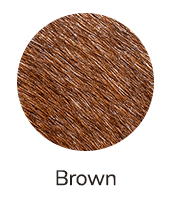
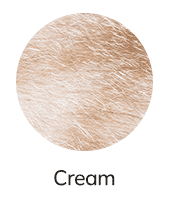
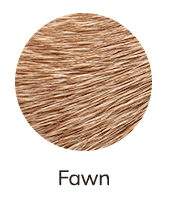
The breed’s double coat is short on the head and legs and thicker around the neck and thighs. Common colors include fallow, reddish brown, and tan, often combined with black-tipped hairs and white markings. Some dogs are mostly white with red or darker patches.
As the dog matures, the amount of black tipping in the coat usually increases. Lundehunds with a white head are expected to have dark eye rims and eyelashes for proper pigmentation.
What Size Is a Norwegian Lundehund?
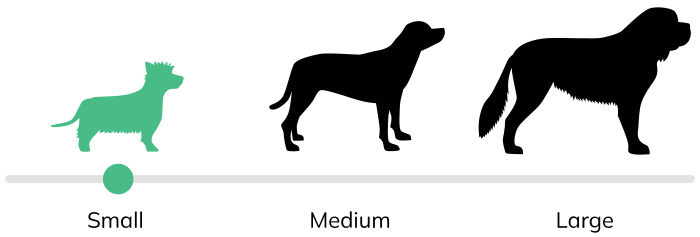
The Norwegian lundehund is a small dog. Adults usually stand between 12 and 15 inches tall, with females slightly smaller than males. Their weight usually ranges from 13 to 15 pounds, though individual dogs may fall just outside this range depending on build and muscle tone.
Despite their small size, Norwegian lundehunds are sturdy and athletic. Chest depth is moderate and reaches about half the dog’s height. The lightweight frame allows them to move efficiently and climb with ease, while flexible joints give them a range of motion uncommon in most breeds.
Female dogs usually have a distinct feminine structure, without appearing weak or delicate.
What Is a Norwegian Lundehund’s Coat Type and Length?
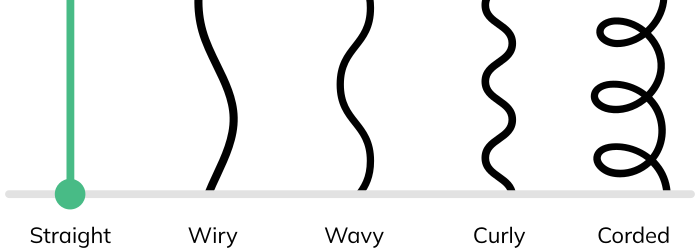
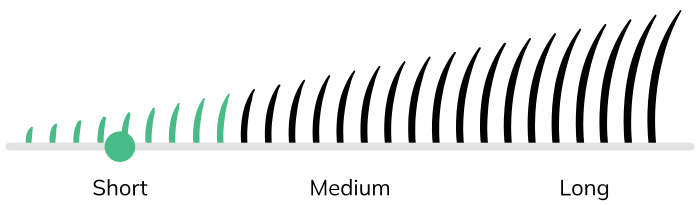
This breed has a short, dense double coat designed to withstand cold, wet coastal conditions. The outer coat is relatively coarse and lies close to the body, while the soft undercoat provides insulation.
The length remains short throughout the body, with slightly thicker fur around the neck, shoulders, and back of the thighs for added protection. Males generally show a thicker neck ruff than females. The tail is fully coated with dense hair but remains tidy with slight feathering.
According to the breed standard, a Norwegian lundehund’s coat should remain natural, with no clipping or shaping.
What Is a Norwegian Lundehund’s Temperament?
The temperament of a Norwegian lundehund is a testament to the breed’s working background. These dogs are energetic and alert, always observing their surroundings with intense focus and ready to respond to movement or sound. They’re known for thinking independently, instead of looking to humans for constant guidance.
This breed is loyal and protective of its home and family. These dogs can be reserved around unfamiliar people, but once they feel safe, they become calm, friendly, and attentive. While they have a playful, affectionate side, they also value having personal space and autonomy.
Are Norwegian Lundehunds Good With Kids?
Norwegian lundehunds can be good with children when interactions are calm, respectful, and well-supervised. They’re generally a good match for older children who understand how to behave around dogs. Since these dogs are sensitive, they may not tolerate rough play or unpredictable behavior well.
Early socialization and positive experiences with children help foster healthy relationships. In households where kids are taught to interact appropriately, lundehunds can become loyal and playful companions. In contrast, they’re not the best match for very noisy or high-energy households with toddlers.
Are Norwegian Lundehunds Good With Other Animals?
The Norwegian lundehund is generally tolerant of other animals, but compatibility depends on early exposure and individual temperament.
Many lundehunds do well with other dogs and may, in fact, enjoy having a canine companion to play with. However, they may become uncomfortable if the other dog is overly dominant or hyperactive. Proper introductions help reduce tension and build trust.
Owing to their strong prey instincts, Norwegian lundehunds may be tempted to chase smaller pets. This behavior is more likely if the dog wasn’t raised around other animals. Outdoor wildlife can also trigger chasing behavior, so secure fencing and leash use are a must.
With positive training, many lundehunds learn appropriate boundaries and coexist peacefully with other animals in the home. Introductions should be slow, and all interactions should be closely monitored.
Are Norwegian Lundehunds Aggressive?
No, Norwegian lundehunds are not aggressive dogs. They have a cautious nature and may take time to feel comfortable in new situations. When they feel unsure about something or someone, these dogs are more likely to move away or observe rather than react with force.
Lundehunds raised in calm environments and exposed to people, places, and other animals usually grow into stable, well-mannered dogs.
Problems can develop if your dog feels overwhelmed or frightened. Like any breed, the Norwegian lundehund may react defensively if pushed too far. Consistent training, positive reinforcement, and respectful interactions greatly reduce the risk of aggressive behavior.
Do Norwegian Lundehunds Bark?
The Norwegian lundehund is naturally vocal and aware of their surroundings. These dogs may bark at strangers, animals, or new noises, using it as a form of communication. This trait can be helpful for alerting owners, but it may be challenging in quiet neighborhoods or apartments.
Barking usually increases when the dog feels anxious, bored, or under-stimulated. Without guidance, this habit can turn into repeated or unnecessary barking. You’ll have to invest your time and energy into training your dog not to bark.
Are Norwegian Lundehunds Affectionate?
Norwegian Lundehunds are affectionate, but they usually bond most strongly with one or two people in the household. This bond is more emotional than physically expressive. For example, your dog might enjoy cuddling with you for a few minutes after exercise and then choose a quiet spot away from you to rest.
These dogs also enjoy interacting with their people through play, walks, and mental challenges. They often show excitement when invited to join activities or learn something new. Being included in daily routines is their biggest joy.
That said, this breed can be slow to trust strangers. When you meet a Norwegian lundehund for the first time, you may notice a cautious or distant response. Once the dog feels safe, it may become friendly and relaxed. Affection grows over time and deepens with repeated positive encounters and reassurance.
Are Norwegian Lundehunds Intelligent?
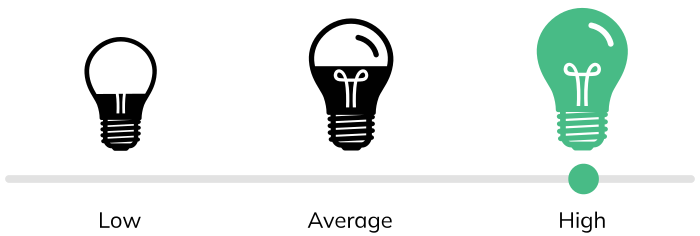
The Norwegian lundehund is a highly intelligent and curious breed. These dogs were developed to work independently, which shaped how they think and problem solve. Instead of waiting for direction, they often assess situations on their own. This can make them appear stubborn, but it’s actually a sign of mental independence.
In other words, Norwegian lundehunds need challenges that allow them to explore and think. This may include puzzle toys, scent games, and interactive training. If you don’t provide them with mental enrichment, these dogs can become bored easily.
Boredom may lead to restlessness, vocal behavior, escape attempts, and other unwanted behaviors. They’re smart enough to figure out how to open doors, escape enclosures, or reach items placed out of sight.
Are Norwegian Lundehunds Energetic?
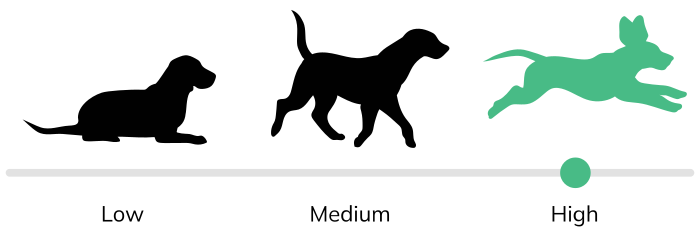
These dogs have a medium to high energy level. They’re happiest when they can take part in physical activity. A brisk 30-minute walk helps meet their daily exercise needs. Many lundehunds also enjoy short play sessions, such as chasing a ball across the hall or in the yard.
This breed’s energy is often shown in focused bursts rather than nonstop activity. After exercise, these dogs usually settle down and relax indoors.
Are Norwegian Lundehunds Easy to Train?
Norwegian lundehunds are intelligent dogs, but they’re not always easy to train. This breed is emotionally sensitive and may develop trust issues when subjected to shouting, intimidation, forceful handling, or physical punishment. Positive reinforcement and rewards work much better with these dogs.
It’s best to start training early to shape confident behavior. Socialization and puppy training classes help lundehunds feel comfortable around people, other furry babies, and new environments.
Potty training can be challenging for some people, as these dogs have small bladders and need frequent potty breaks. Treats and rewards will be your best friends for making progress stick.
Are Norwegian Lundehunds Good Watchdogs?
The Norwegian lundehund has strong watchdog instincts. These dogs are attentive and observant by nature. They’ll bark when someone unfamiliar approaches or when they hear unusual noises. This behavior helps alert owners to potential activity nearby.
However, they’re not guard dogs. While they’re protective of their spaces, these dogs weren’t bred for physical intimidation. They don’t have the size or temperament for confrontation.
Are Norwegian Lundehunds Good Service Dogs?
This breed doesn’t meet the requirements for service dog roles. Service dogs have to remain calm, focused, and reliable in public settings. Lundehunds are alert and intelligent, but they’re also cautious and very independent, which can make it difficult for them to perform repetitive tasks on command.
Their sensitivity is another factor to consider. Loud environments, crowds, and constant demands can easily stress them. In addition to unpredictable situations, these dogs also don’t tolerate frequent handling well.
That said, some lundehunds may do well in less demanding support roles. They can provide comfort and companionship to some people on a personal level in quiet environments. Depending on your dog’s individual temperament, you may be able to use them as an emotional support animal if you qualify for one.
How to Care for a Norwegian Lundehund?
Norwegian lundehunds need a lifestyle that supports both physical movement and emotional stability. Daily exercise, playtime, and training will help keep them calm, balanced, and mentally engaged.
Stress can affect these dogs’ behavior if they don’t feel secure. Make sure your home environment is stable and unchaotic, and your furry friend has a safe place to decompress when needed.
Do You Need to Groom a Norwegian Lundehund?
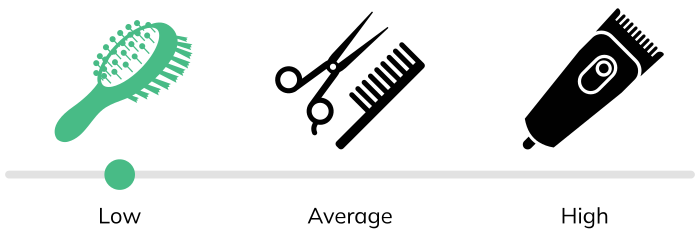
Yes, but this breed’s grooming needs are relatively low. These dogs have a low-maintenance double coat that doesn’t require frequent bathing or trimming. Weekly brushing is usually enough to remove dirt and loose hair. You may have to brush more frequently during shedding seasons, though.
Ear care should be part of routine grooming. You should regularly check and clean your dog’s ears to remove debris. Nail trimming is also necessary if the dog’s nails don’t naturally wear down. Keeping nails short helps prevent pain and movement issues.
Do Norwegian Lundehunds Shed?
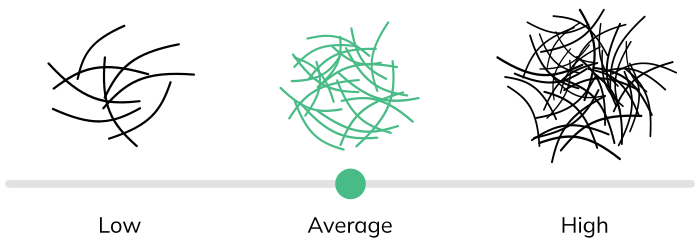
Yes, Norwegian lundehunds shed on a regular basis. Most shedding happens gradually, but heavier shedding occurs when the coat changes with the seasons. This is normal for dogs with a dense undercoat. Seasonal shedding can last several weeks.
Although shedding is manageable with regular brushing, Norwegian lundehunds are not a good choice for people looking for a low-shedding or allergy-friendly dog.
What Health Problems Do Norwegian Lundehunds Have?
The most common health problem in Norwegian lundehunds is Lundehund Syndrome. This genetic condition affects the gastrointestinal system and prevents proper absorption of nutrients. Symptoms include chronic diarrhea, vomiting, weight loss, low energy, and fluid buildup in the abdomen. Hair loss may also occur in some dogs.
There’s no cure for Lundehund Syndrome, but it can often be managed. Dogs usually need a strict low-fat, high-protein diet and may require medication to control symptoms.
Norwegian lundehunds are also at risk of patellar luxation, in which the kneecap slips out of place and causes limping. Some dogs are also prone to eye conditions such as cataracts. Dental problems can also develop if you don’t brush your dog’s teeth regularly.
How Long Do Norwegian Lundehunds Live?
The average Norwegian lundehund lifespan is around 12 to 14 years. Some dogs may live beyond this range when they eat a well-balanced diet, stay active, and receive regular veterinary care.
What Should a Norwegian Lundehund Eat?
Norwegian lundehunds benefit from a diet of fresh, lightly processed foods that are gentle on the stomach. Since this breed is prone to gastrointestinal issues, highly processed kibble and artificial fillers are best avoided.
Many owners choose fresh, whole foods or carefully selected dog foods that meet AAFCO standards. We recommend feeding your Norwegian lundehund lean proteins, such as chicken, turkey, or lamb, to help maintain their muscle and overall health. Healthy fats like fish oil provide omega-3 fatty acids, which support joint health and reduce inflammation.
You can also add vegetables like squash, broccoli, or kale to your furry baby’s diet for better digestion and nutritional variety.
Adult dogs usually eat two meals per day, while puppies may need more frequent feedings. Make sure fresh water is always available. If you notice any signs of digestive upset, avoid abrupt changes in diet and speak with your vet.
Is a Norwegian Lundehund the Right Dog for Me?
A Norwegian lundehund is best suited for individuals and families who have experience handling independent or strong-minded dog breeds. If you like the challenge of earning a dog’s trust over time and building a relationship based on patience, you’ll love training and living with a lundehund.
Be prepared to build your day around routine, shared activities, and interactive time together. Also, your home environment should be designed to minimize stress and overstimulation. Your Norwegian lundehund will be happy and healthy as long as you include them in daily activities and take care of their emotions.