Neapolitan Mastiff: Your Complete Guide
The Neapolitan mastiff is an ancient dog breed that originates from southern Italy. They are well-known for their saggy faces and intense wrinkles, as well as their massive size. While the Neapolitan mastiff appears the same as any other mastiff-type dog, just with a little bit of exaggerated features and a face that always drools, they have many distinct qualities.
This Dog Academy breed guide will cover everything you need to know about the Neapolitan mastiff. We will cover everything from their exact physical characteristics and temperament to grooming needs and more. Read on to get a complete understanding of the Neapolitan mastiff to decide whether this massive guardian is the right dog breed for you to have in your home.
Quick Look at the Neapolitan Mastiff
Below is a quick glance at this special breed in terms of their size, lifespan, temperament, grooming needs, and more.
| Weight/Height | 110-150 pounds – 26-31 inches |
| Coat Type | Short, smooth coat |
| Grooming Needs |  |
| Shedding |  |
| Temperament | Watchful, loyal, low-energy, surprisingly clingy |
| Good With Kids | |
| Good With Other Animals | |
| Intelligence |  |
| Easy to Train | |
| Energy Level | |
| Barking Habits | |
| Lifespan | 7-9 years |
What Is the History of Neapolitan Mastiffs?
The history of the Neapolitan mastiff, much like many other similar dog breeds in Europe, goes back to the Molossian dogs of ancient Greece and Rome. These dogs were utilized as guardians for protecting estates, intimidating enemies, and protecting livestock.
The Neapolitan mastiff we know today originates from southern Italy, most notably around Naples and Campania, where they were kept by farmers and landowners as property guardians. Once a renowned dog in this regard, thanks to their intimidating appearance and courage, the Neapolitan mastiff was nearly extinct by the turn of the 20th century.
The efforts to revive the breed’s population were made in the 1940s in Naples, Italy, with six Neapolitan mastiffs being exhibited. With the breed enthusiast’s efforts, the Federation Cynologique Internationale (FCI) recognized the breed in 1949. Over the decades, the Neapolitan mastiff grew in numbers, with dogs having a presence in pretty much all European countries.
The first Neapolitan mastiffs arrived in the United States in the 1970s, and around this time, the Neapolitan mastiff breed standards were refined for greater accuracy. However, it took the American Kennel Club (AKC) until 2004 to formally recognize the breed as part of the working group.
What Do Neapolitan Mastiffs Look Like?
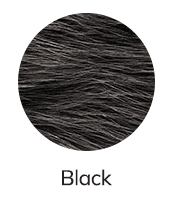
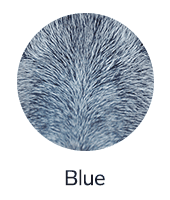
The majority of Neapolitan mastiffs have a blue or black coat color, with blue being more prominent. This can come off as a surprise to many, as blue is one of the rarest coat colors in most dog breeds (the blue French bulldog is a great example), but this is the case for most Neapolitan mastiffs. However, these colors aren’t the only ones; Neapolitan mastiffs also come in coat colors described as mahogany and tawny.
What Size Is a Neapolitan Mastiff?
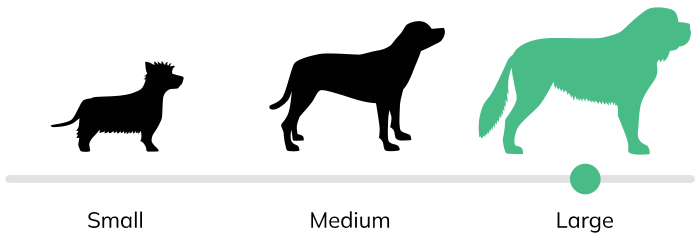
The Neapolitan mastiff isn’t just a large dog; this breed is one of the largest in the world. On average, male Neapolitan mastiffs weigh 150 pounds, whereas females are around 110 pounds. As for their height, they can reach a towering 31 inches tall at the withers, with most Neapolitan mastiffs falling somewhere between 26 and 28 inches.
What Is a Neapolitan Mastiff’s Coat Type and Length?
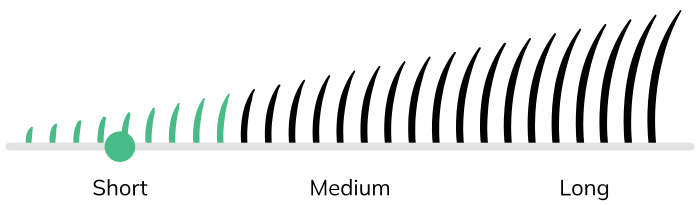
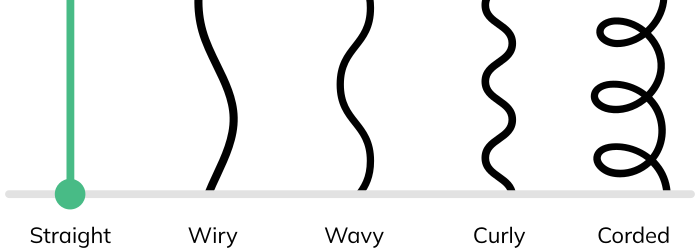
The Neapolitan mastiff’s coat is the same as most other mastiff-type dogs – it is short and smooth. What makes the Neapolitan mastiff’s coat stand out from other mastiff-type dogs, however, is how thin their undercoats are in comparison. Thanks to the sunshine of southern Italy, Neapolitan mastiffs never really found themselves in need to develop a thick coat, unlike the Tibetan mastiff, for example.
What Is a Neapolitan Mastiff’s Temperament?
The Neapolitan mastiff carries many of the personality traits you would expect from a mastiff-type dog. These include a high level of protectiveness, watchful eyes, and undying loyalty. In addition to these, some of their unique temperament traits are having a stubborn streak and a tendency to test boundaries. For example, a Neapolitan mastiff can repeatedly engage in unwanted behaviors like going through trash if they are left unchecked.
Due to their stubborn streak, training Neapolitan mastiffs early is a critical requirement. Considering how protective they can get, this also applies to socialization. In the temperament section below, we will expand on all these traits of the Neapolitan mastiff, along with their other temperament traits. Continue reading to find out if this breed’s personality aligns with your ideal dog.
Are Neapolitan Mastiffs Good With Kids?
Neapolitan mastiffs are generally good with children. They tend to be calm around children, and their tolerant nature means that they are more forgiving of rowdy behavior than your average dog. However, this doesn’t mean that the Neapolitan mastiff is a dog for every family.
For instance, the size of the breed should be a concern for families with young children. A Neapolitan mastiff accidentally knocking over a child could be equivalent to a car hitting an adult. Even though supervision can help prevent such unwanted scenarios, it is safe to say that Neapolitan mastiffs are a better pick for households with older kids. That’s, of course, assuming the parents have the experience required to care for a Neapolitan mastiff.
Are Neapolitan Mastiffs Good With Other Animals?
Whether or not Neapolitan mastiffs are good with other animals, particularly dogs, depends entirely on their level of socialization. A well-socialized Neapolitan mastiff will have their protective and territorial instincts balanced, so they will be happy to socialize with friendly dogs. If a Neapolitan mastiff doesn’t get enough socialization, they can be prone to aggression, which is something that we dive deeper into below.
With animals other than dogs, like cats and small prey animals, Neapolitan mastiffs can be challenging due to their high prey drives. The amount of prey drive these dogs have might be the highest among all mastiff-type dogs, so it is a big consideration for families with cats and other small pets like guinea pigs and hamsters.
Are Neapolitan Mastiffs Aggressive?
Neapolitan mastiffs are highly driven and protective dogs; they are naturally more prone to aggression than other breeds. This is the main reason why Neapolitan mastiffs are only for experienced owners who can manage and guide a dog like this one. In the hands of an inexperienced owner, a Neapolitan mastiff can quickly turn into a liability rather than an asset; take note of this if you’re considering this breed as your first dog.
Therefore, with the tendency to act aggressively due to their protective and territorial side, the Neapolitan mastiff is a dog breed only for experienced owners.
Do Neapolitan Mastiffs Bark?
Neapolitan mastiffs are generally quiet dogs that don’t make much noise, other than snoring while they sleep and all sorts of grunting noises when they’re content with life and happy. They bark like any other dog, but only when it is absolutely necessary. These dogs tend to observe and use their powerful voice when they are sure that something needs their owner’s attention or they need to make their presence heard.
However, this doesn’t mean that Neapolitan mastiffs are great for apartment-living. While they can be a great fit for apartments with noise restrictions, they require a spacious living area for themselves. If your apartment is small, it won’t be long before a Neapolitan mastiff starts feeling cramped, which can lead to behavioral issues. They are better suited for homes with a backyard; plus, having an open space satisfies their territorial nature and gives them a place to protect.
Are Neapolitan Mastiffs Affectionate?
Neapolitan mastiffs are affectionate but not overly so; these dogs show their affection by making sure everyone in their family is protected rather than demanding constant cuddles or pets. However, this doesn’t mean that Neapolitan mastiffs don’t want any physical affection from their owners. They enjoy it, but not in the way that a small companion dog would, for example.
Despite this, Neapolitan mastiffs can act surprisingly clingy at the same time. They have a tendency to follow their owners wherever they go, which is something that you wouldn’t expect from a guardian dog breed, especially a mastiff. This trait proves the deep bonds they form with their owners.
Are Neapolitan Mastiffs Intelligent?

The Neapolitan mastiff is an incredibly intelligent dog. They are as smart as their large sizes, which is the reason why they were utilized for various tasks, from guarding farmhouses to military work. These dogs can easily differentiate a real threat from something silly, making them excellent guardians that require minimal training to excel at their duties.
While a high level of intelligence in dogs typically means a dog that requires plenty of mental stimulation, this isn’t the case for most Neapolitan mastiffs due to their energy levels, which is what we discuss below.
Are Neapolitan Mastiffs Energetic?
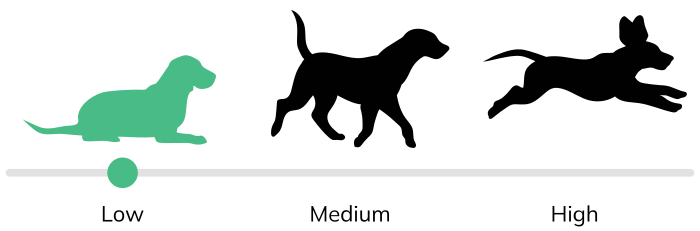
Neapolitan mastiffs aren’t energetic at all. They are such couch potatoes that they rarely find themselves in need of engaging in rigorous physical activity. This is the reason why Neapolitan mastiffs don’t require much mental stimulation despite their intelligent minds – they are content with sleeping all day long.
As for how long to provide exercise for Neapolitan mastiffs, the exact amount depends on individual temperament. Most Neapolitan mastiffs should be exercised for about half an hour a day, with some dogs requiring a little more, while others find it to be more than enough. This can be a casual walk in addition to any potty breaks and a mix of playtime, as well as training drills and socializing with friendly dogs.
Are Neapolitan Mastiffs Easy to Train?
Neapolitan mastiffs are eager to please and intelligent, which are the two most important factors for training a dog. They learn new commands quickly and are adaptable learners who can pick up a wide range of commands. However, as mentioned above, Neapolitan mastiffs can also have a stubborn streak. Coupled with their surprisingly sensitive side, utilizing positive reinforcement training is critical with Neapolitan mastiffs.
When training Neapolitan mastiffs, keep a gentle tone and reward them for good behaviors without punishing them for unwanted ones. Given that Neapolitan mastiffs tend to test boundaries often, it is essential to keep these behaviors in check to prevent an unruly dog that doesn’t listen.
Are Neapolitan Mastiffs Good Watchdogs?
Neapolitan mastiffs are born to be watchdogs. They are naturally protective and bark only when there’s something suspicious happening around them, so the answer to whether or not they make good watchdogs is a resounding yes.
Neapolitan mastiffs are also excellent guard dogs. If an intruder enters their territory or someone dares to mess with any of their family members, a Neapolitan mastiff will do what’s necessary to protect their loved ones. However, this protective instinct must be balanced with proper socialization, especially from a young age. Otherwise, a Neapolitan mastiff can quickly turn into a liability with their powerful frame.
Are Neapolitan Mastiffs Good Service Dogs?
We can’t make the same positive remarks about Neapolitan mastiffs as service dogs. While they have the intelligence and loyalty required, their inherently protective nature gets in the way of them becoming reliable service dogs.
Alternatively, Neapolitan mastiffs can serve as emotional support animals (ESAs). They don’t need any training for this, unlike service dogs. If this comes as a surprise to you, check out our article comparing ESAs and service dogs.
How to Care for a Neapolitan Mastiff?
Two of the most important care needs of the Neapolitan mastiff are training and socialization. Owners of this breed must attend to these from the moment they welcome a Neapolitan mastiff home. In addition to these, however, Neapolitan mastiffs have some basic care needs like any other dog breed. Here’s what you need to know about these in terms of grooming, health, and feeding needs.
Do You Need to Groom a Neapolitan Mastiff?
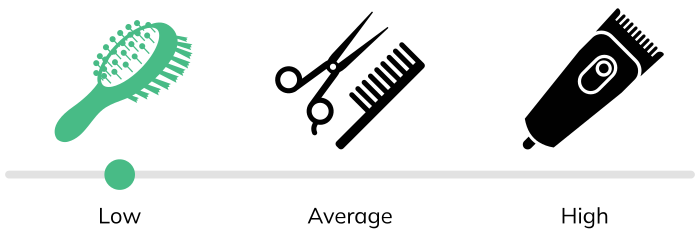
The Neapolitan mastiff doesn’t require much grooming when it comes to their coats. They only need to be brushed once every week to every other week using a rubber grooming mitt. Besides this, their ears should be cleaned regularly, nails trimmed as needed, and teeth brushed ideally every day. With all these, we can say that the Neapolitan mastiff is overall a low-maintenance dog as far as grooming is concerned.
One note about grooming a Neapolitan mastiff is that if you plan on getting help from a professional groomer, it is essential to take them to a groomer during puppyhood. Early sessions play an important role in helping them get used to being handled and the experience of being groomed. If your Neapolitan mastiff has never experienced grooming by the time they become an adult, you likely will have difficulties finding a groomer to do the job.
Do Neapolitan Mastiffs Shed?
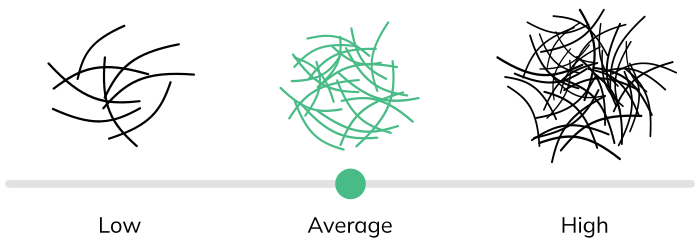
The Neapolitan mastiff is a dog that sheds an average amount. They don’t shed as much as huskies, but they aren’t hypoallergenic dogs like poodles. As long as you meet their grooming needs and brush them regularly, you shouldn’t have anything to worry about keeping your house clean, though their large size means you will need to spare a good amount of time to upkeep their coats.
What Health Problems Do Neapolitan Mastiffs Have?
Even though their lifespan might make you think otherwise, which we cover below, Neapolitan mastiffs are generally healthy dogs that don’t experience health issues for the majority of their lives.
Still, there are certain health conditions that owners should educate themselves about, many of which are common in large dog breeds. These include hip dysplasia, elbow dysplasia, joint issues, bloat, and back problems. Neapolitan mastiffs can also be prone to developing eye conditions like cherry eye, hypothyroidism, allergies, and ear infections. Keep these health issues in mind before buying or adopting a Neapolitan mastiff.
How Long Do Neapolitan Mastiffs Live?
Unfortunately, much like many other mastiff-type dogs, Neapolitan mastiffs don’t have a very long lifespan. The average life expectancy for these dogs is seven to nine years.
What Should a Neapolitan Mastiff Eat?
A Neapolitan mastiff needs to be on a diet that’s formulated for large dog breeds. However, they shouldn’t be fed dog food for large and energetic breeds; feeding them such commercial dog food can lead to excess weight gain. They do best on dog food for mastiffs and similar dog breeds that are massive but fairly low-energy overall.
Is a Neapolitan Mastiff the Right Dog for Me?
If you’re an experienced owner who’s had similarly large dogs with a protective streak in the past and have plenty of space to offer a dog, you likely have what it takes to have a Neapolitan mastiff. From there on, determining if the Neapolitan mastiff is the right dog for you all comes down to whether or not the characteristics of the Neapolitan mastiff align with what you’re looking for in your next dog.
While these dogs carry many of the mastiff traits, they also have unique things about them, like acting clingy at times and drooling nonstop. If these aren’t an issue and you find the Neapolitan mastiff to be a matching dog after reading everything we’ve covered about this breed in this article, start looking for puppies for sale in your area.
Alternatively, you can also check the dogs for adoption to see if there are any Neapolitan mastiffs in your area waiting to be adopted.