Münsterländer: Your Complete Guide
If there is a true all-rounder among versatile hunting dogs, it’s the Münsterländer. These medium- to large-sized dogs have a graceful, athletic build, keen intelligence, and a gentle temperament.
They originated in Germany’s Münster region, where they were bred to be a hunter’s complete partner. They excel at all the necessary skills, from tracking game through dense brush to pointing silently and retrieving gently from land or water.
This heritage makes them energetic and purpose-driven. They’re not apartment dogs or casual companions. Both large and small Münsterländers require significant daily exercise and mental challenges to stay happy and well-behaved. Once their substantial drive is satisfied, they relax well at home and are usually loyal and attached to their families.
This guide will walk you through the reality of owning a Münsterländer. We’ll cover their needs, their suitability for families, their health considerations, and the commitment required to keep this intelligent and devoted breed content.
Table of Contents
Quick Look at the Münsterländer
The table below summarizes the Münsterländer’s size, grooming needs, temperament, and energy levels.
| Weight/Height | 40-76 pounds / 20-26.5 inches |
| Coat Type | Glossy, dense, medium-long coat |
| Grooming Needs |  |
| Shedding | |
| Temperament | Loyal, eager to please, alert, affectionate |
| Good With Kids |  |
| Good With Other Animals | |
| Intelligence |  |
| Easy to Train | |
| Energy Level | |
| Barking Habits |  |
| Lifespan | 12-14 years |
What Is the History of Münsterländers?
The Münsterländer’s history is deeply rooted in the practical needs of 19th-century German hunters. When the hunting laws changed, there was an increase in demand for a versatile, all-purpose gun dog. Hunters needed a single companion that could locate game in dense cover, point prey without flushing them, and then make a gentle retrieve from both land and water.
This led to the development of two distinct breeds to meet this demand, the large Münsterländer and the small Münsterländer. The large Münsterländer was bred for stamina over open fields and in water. The small Münsterländer was developed for agility in the thickest forest underbrush.
Both were created from different breeds of dogs, but for the same ultimate purpose: serving as a hunter’s complete, versatile companion in the field.
This focused history is why Münsterländers are not a casual pet. They are purpose-bred working dogs, and their intelligence, energy, and desire to please are the direct result of this selective breeding. If you want to understand the breed, you must understand their drive.
What Do Münsterländers Look Like?
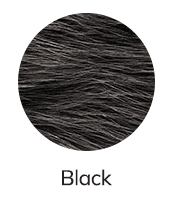
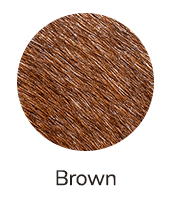
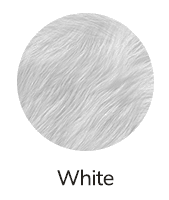
Münsterländers are elegant, athletic dogs with a balanced and purposeful build. They possess a distinctive coat that is medium- to long-length, dense, and lies mostly flat against the body. Their legs and tails are covered in feathered hair, which gives them a flowing appearance.
Their appearance is defined by a classic piebald (spotted) pattern. The base color is always solid white, overlaid with clearly defined patches or ticks in either black or liver (brown). No other colors are accepted in the breed standard.
What Size Is a Münsterländer?
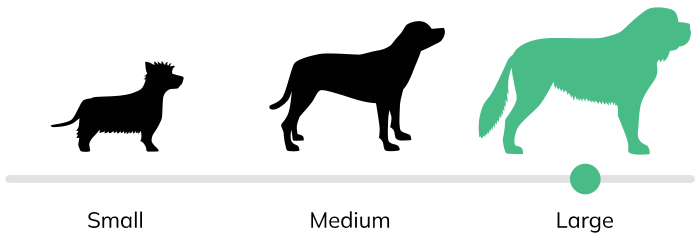
The Münsterländer is officially separated into two distinct breeds, and both have clear size specifications. A large Münsterländer is a tall, sturdy dog, with a height range of 23 to 26.5 inches and a weight of 50 to 70 pounds. Its smaller counterpart is far more modest in stature. The small Münsterländer stands just 20.5 to 21 inches tall and weighs 40 to 60 pounds on average.
This significant size difference is not an accident but a result of targeted breeding for different hunting roles. Your choice between the two should align with your space and capacity for providing the appropriate level of exercise.
What Is a Münsterländer’s Coat Type and Length?
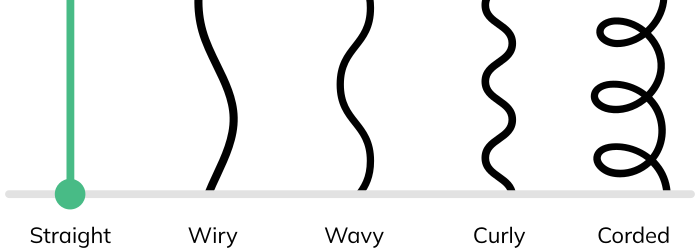
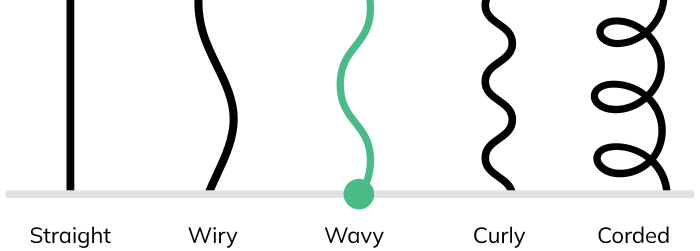
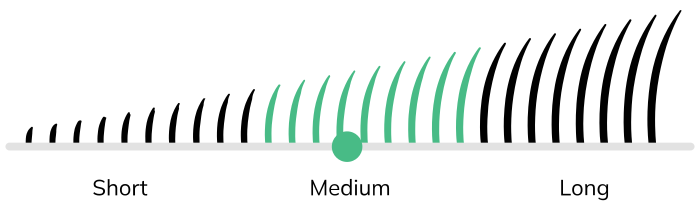
The Münsterländer has a medium- to long-length, dense double coat. The topcoat is straight to slightly wavy, firm to the touch, and water-resistant. The undercoat is short, soft, and thick, which helps the dog stay warm and dry in cold water and harsh weather.
This functional coat also has light feathering on the legs, chest, underside of the tail, and sometimes the ears. It’s not a high-maintenance coat, but it does require regular brushing to prevent tangles and manage shedding.
What Is a Münsterländer’s Temperament?
Münsterländers were bred to work alongside hunters, so intelligence, cooperation, and alertness are ingrained in their temperament. This makes them eager to learn, deeply bonded to their handler, and naturally energetic.
As some might think, their role as a hunting dog doesn’t make them harsh or difficult at home. When their exercise and mental needs are met, they are calm, attentive, and easy to live with. They even have a gentle, affectionate side that sets them apart from many other sporting breeds.
Their temperament makes them perfect partners for active owners, but a poor choice for those seeking a more independent or low-maintenance pet.
Are Münsterländers Good With Kids?
Yes, Münsterländers can be very good with children. They have a gentle, people-focused temperament that makes them an affectionate and protective companion for kids. However, be mindful that they are energetic dogs with strong instincts. They can become overstimulated by abrupt movements or noisy play.
This heightened excitement can result in rambunctious, springy behavior that might inadvertently knock down or harm a small child. For this reason, they do better in households with older, calmer children who enjoy gentle play and understand canine boundaries.
Are Münsterländers Good With Other Animals?
Münsterländers have a variable temperament with other animals. They generally get along well with other dogs, but their compatibility with smaller pets is poor. Their natural prey drive can make them see smaller animals as game to chase, and might hurt those pets if not carefully supervised.
That said, Münsterländers can be trained to coexist safely with other animals. Teach them appropriate behavior from an early age, use positive reinforcement, and supervise interactions to maintain a peaceful and safe household for all pets.
Are Münsterländers Aggressive?
Neither the large nor the small Münsterländer is considered an aggressive breed. Their foundational temperament is gentle, loyal, and highly attentive to their handlers.
However, as with any breed, individual dogs can develop problematic behaviors. Insufficient socialization, lack of training, or understimulation can lead to issues like reactivity, resource guarding, or anxiety-based responses.
These are not breed-specific traits but management challenges. A professional dog trainer can provide essential guidance to address such behaviors.
Do Münsterländers Bark?
Yes, Münsterländers are alert dogs and will bark to signal something unusual or to get attention. It’s a normal behavior for the breed. However, if they start barking excessively, it’s often a sign of an unmet need, such as insufficient exercise, mental boredom, or anxiety.
This makes them a poor choice for apartment living or close-quarters neighborhoods with noise restrictions. Their need for space to run and their instinct to vocalize are difficult to manage in confined environments.
Are Münsterländers Affectionate?
Münsterländers are deeply affectionate and form intense, loyal bonds with their immediate family. They show this love through constant, attentive companionship. While they enjoy calm petting and being near you, they are not the cuddly lapdog type.
Apart from family, Münsterländers are mostly reserved with strangers. They will maintain distance and observe before deciding to interact. This thoughtful, sometimes aloof demeanor reflects their history as a hunter’s dedicated companion.
Are Münsterländers Intelligent?
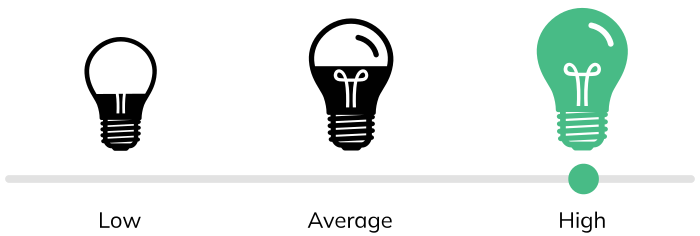
Münsterländers are highly intelligent dogs, and their legacy as versatile hunting companions explains why. They were expected to track, point, and retrieve in challenging conditions. This breed demonstrated true working-dog intelligence by making independent decisions, solving problems on the spot, and staying attentive to their handler’s guidance.
Today, Münsterländers continue to showcase that intelligence in both work and home life. They excel in training, problem-solving exercises, and mentally stimulating activities, such as scent work, agility, and advanced obedience tasks. Their ability to learn quickly, adapt to new situations, and think independently makes them one of the most mentally capable breeds.
Are Münsterländers Energetic?
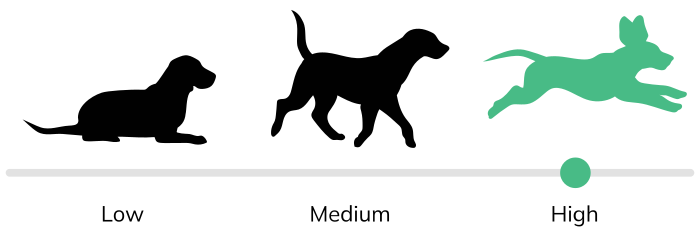
Münsterländers have high stamina and endurance. They are not dogs that are satisfied with a short walk. They are built for vigorous activity and need a minimum of 60 to 90 minutes of intense exercise every single day.
In addition to physical exertion, they require 20 to 30 minutes of dedicated mental stimulation. If not provided, they may develop restlessness, destructive behaviors, or anxiety. This is why they do well with active owners who integrate running, hiking, training, and puzzle games into their routine.
Are Münsterländers Easy to Train?
Münsterländers are highly trainable due to their intelligence and eagerness to please. They excel in activities that challenge both their mind and body, such as agility, advanced obedience, and field work. They can also learn complex sequences and tricks without any problem.
The only issue is their strong independent thinking. While this makes them excellent problem-solvers, it can sometimes lead them to act on their own judgment. In such situations, positive, reward-based training is most effective. It encourages them to focus, follow guidance, and channel their independent thinking in productive ways.
Are Münsterländers Good Watchdogs?
Yes, Münsterländers are excellent watchdogs. One of the defining traits of this breed is its high alertness. They keenly observe their surroundings and bark to alert their household. This trait is equally strong in both the large and small Münsterländer. The only subtle difference is in their style.
A large Münsterländer may have a deeper, more resonant bark, while a small Münsterländer might be slightly quicker to notice a subtle sound due to its breeding for dense underbrush. For any family, either variety provides a superb, reliable alarm.
Are Münsterländers Good Service Dogs?
Service animals need to be exceptionally stable, focused, and adaptable in any public environment. They must ignore all distractions, including other animals, loud noises, and crowds, to perform specific tasks that mitigate their handler’s disability.
Given this standard, the Münsterländer’s high energy, strong prey drive, and reserved nature with strangers make it a challenging and niche choice for most service work. However, they may be helpful for an active individual with a psychiatric disability.
For example, they could be trained to perform tasks like interrupting dissociative episodes, providing deep pressure therapy during anxiety attacks, or creating a physical buffer in crowded spaces. They would still need intensive, expert socialization and public-access training from puppyhood onward to perform these tasks.
How to Care for a Münsterländer
Since Münsterländers are a high-performance breed, their care has to match their drive. They need strenuous, heart-pumping exercise every single day to stay physically sound and mentally balanced. Without it, they risk obesity, joint problems, and destructive anxiety.
Essential upkeep includes brushing their dense coat every month, regular nail trims, and frequent ear checks. Feed them a high-quality diet for active dogs and strictly manage portions to maintain a lean, athletic weight. This care plan will support your pup’s health and keep them healthy.
Do You Need to Groom a Münsterländer?
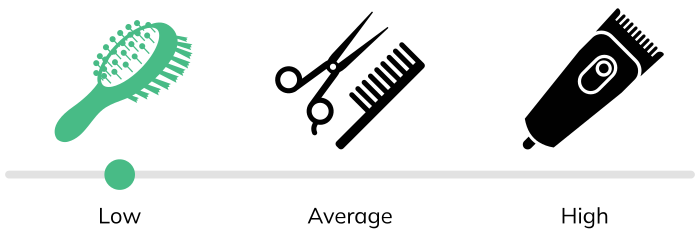
Münsterländers are a very low-maintenance breed in terms of coat care. Their functional, medium- to long-length double coat requires only monthly brushing to stay clean and free of loose hair. There is no need for professional haircuts or styling.
The rest of their grooming is simple, routine upkeep. This includes nail trimming, ear cleaning, and dental care, all of which can be done at home.
Do Münsterländers Shed?
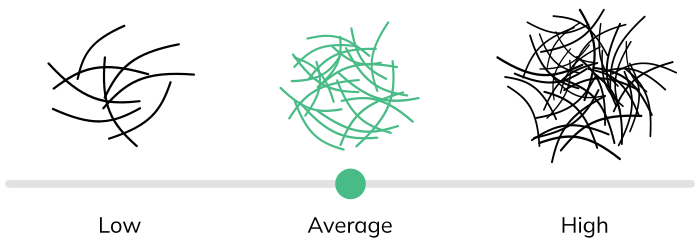
Yes, Münsterländers shed. They are moderate shedders year-round, but they experience two seasonal blowouts in late spring and late fall. During these periods, they shed heavily from their dense undercoat and will require brushing every other day or daily to manage the amount of loose fur.
This shedding is a natural, healthy process regulated by daylight and temperature changes to help them adapt their coat for warmer or cooler weather. The intensity of the blow can vary with the climate.
What Health Problems Do Münsterländers Have?
The joints are the primary wear points of a Münsterländer. They are prone to hereditary conditions like hip and elbow dysplasia, which cause malformed joints to glide. This leads to degenerative arthritis, chronic pain, and eventual lameness.
In addition to joint concerns, their vision can be affected by progressive retinal atrophy (PRA), a genetic condition that gradually destroys retinal cells and results in permanent blindness. Some Münsterländers are also at risk of developing heart diseases, including congestive heart failure.
Many of these health issues stem from inherited genetic traits passed down through breeding lines. To maintain your dog’s health, schedule annual veterinary wellness exams. These general checks should include routine bloodwork to monitor organ function, dental assessments, and updates on core vaccinations and parasite prevention.
How Long Do Münsterländers Live?
Münsterländers generally enjoy a long life for a medium-sized sporting dog. You can expect a healthy Münsterländer to live between 12 and 15 years. This range applies equally to both the large and small Münsterländer breeds.
A Münsterländer’s lifespan is filled with vigorous activity and loyal partnership. They remain energetic, alert, and deeply bonded companions throughout their long lives.
What Should a Münsterländer Eat?
A Münsterländer’s diet should be high in quality animal protein to maintain the muscle they use all day. Avoid foods that are filled with cheap grains and fillers. Look for a premium “active” or “performance” formula where a named meat (chicken or salmon) is the first ingredient.
If your dog has specific health concerns, such as joint issues or allergies, a veterinarian-recommended therapeutic diet may be necessary. Learn how to portion control by using a standard measuring cup. These dogs are always hungry and prone to weight gain, so it’s important to strictly manage their portions.
Is a Münsterländer the Right Dog for Me?
Münsterländer is a versatile dog, but only for the right home. This breed is suitable for an active owner who can match its high energy with daily rigorous exercise, mental challenges, and dedicated training. They long for a home with space and a family ready for a true canine partnership.
In the right environment, a Münsterländer develops a strong, loyal personality. They form close bonds, are attentive companions, and excel as both family guardians and athletic partners. For active individuals or families seeking a true partnership, the Münsterländer is an exceptional and rewarding choice.