Morkie: Your Complete Guide
The Morkie, a combo of the Maltese and the Yorkshire terrier, is one of the smallest designer breeds to emerge in recent years. While they may be tiny, their spirit is that of a giant pooch. They’re playful, feisty, and outgoing, and seem to always find ways to keep their loved ones entertained and on their feet.
The Morkie can suit many homes and will happily adapt to your routine as long as they’re given lots of attention (and pampered) during the day. They also benefit from a long lifespan, meaning you can look forward to years of treasurable memories.
If you’re interested in adopting this adorable mix, keep reading. Below, you’ll find a comprehensive overview of the Morkie’s personality traits, care needs, history, health, and everything else you need to know. We’ll also provide some insight into the Morkie’s parent breeds.
Table of Contents
Quick Look at the Morkie
Below is a quick glance at this special breed in terms of their physical characteristics, lifespan, temperament, and grooming needs.
| Weight/Height | 7 to 9 inches tall, weighing under 7 pounds |
| Coat Type | Long, silky, straight coat |
| Grooming Needs |  |
| Shedding |  |
| Temperament | Playful, feisty, outgoing, affectionate, and loyal |
| Good With Kids |  |
| Good With Other Animals |  |
| Intelligence | |
| Easy to Train | |
| Energy Level | |
| Barking Habits | |
| Lifespan | 10 to 18 years |
What Is the History of Morkies?
The Morkie is a new designer breed thought to have first emerged at the turn of the 21st century. While their exact roots aren’t clear, it is possible that breeders were looking to produce a dog who retained the Yorkshire terrier’s energetic, playful nature, but had the more mellow, biddable temperament of the Maltese.
The Morkie’s parent breeds, however, have been around for centuries. In fact, the Maltese is an ancient breed whose roots date back more than a thousand years ago. They have strong ties to Malta and were initially bred for companionship.
The Maltese quickly became a popular “lap dog” throughout Europe, and even found their way onto the laps of noblewomen like Queen Victoria and Queen Elizabeth I. They were recognized by the American Kennel Club (AKC) in 1888.
In comparison, the Yorkshire terrier was developed in Britain sometime in the 1800s, specifically in the counties of Yorkshire and Lancashire. They are thought to be the combination of several small dogs and terrier breeds, including the Skye terrier and Clydesdale terrier.
While the Yorkshire terrier was initially used for ratting purposes, they quickly found favor among aristocratic ladies (just like the Maltese). They soon earned a reputation as a fashionable, faithful companion throughout the world. The Yorkshire terrier was finally accepted by the AKC in 1885.
What Do Morkies Look Like?
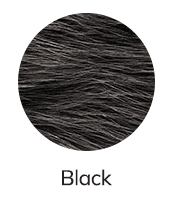
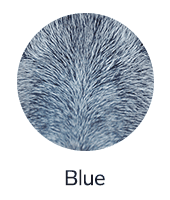
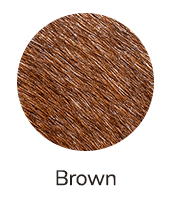

The Morkie’s appearance ultimately depends on the combination of traits they inherit from their parents. However, you can generally expect the Morkie to be a pint-sized pup with a compact build, alert expression, and short muzzle. They also have a black, button-like nose that gives them a distinctively teddybear-like look.
The Morkie has a long, silky coat. Their fur can come in a range of impressively vibrant colors and color combinations, including black and tan, blue, gold, white, and lemon.
What Size Is a Morkie?
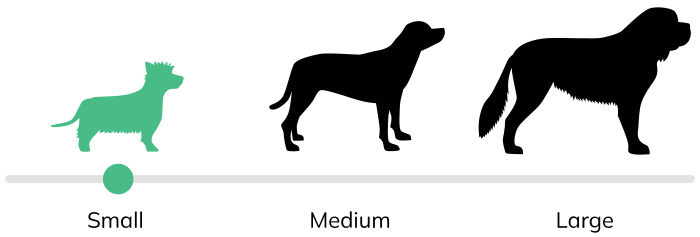
The Morkie is an exceptionally small pup who rarely exceeds more than 9 inches tall. On average, the Morkie usually stands between 7 and 9 inches tall at the withers and weighs under 7 pounds.
Morkies who are more alike to their Yorkshire terrier parent may be slightly smaller than those who take on more traits from the Maltese. However, plenty of other factors can affect their full-grown size, such as their diet and activity level.
What Is a Morkie’s Coat Type and Length?


The Morkie’s exact coat type can vary depending on which coat they inherit from their parents. For instance, the Maltese dog’s coat is generally softer (and more prone to matting) than the Yorkshire terrier’s coat.
However, both coats do share some similarities. Considering this, the Morkie will virtually always have a long, silky coat that lies flat and covers their body from head to paw. Their furs are also often fine, with an almost human hair-like feel.
What Is a Morkie’s Temperament?
The Morkie is a mix with a truly larger-than-life temperament, brimming with courage, playfulness, and confidence. Of course, they’re also full of affection for their loved ones and will eagerly soak up any attention shown their way.
That said, remember that every dog will have their own unique quirks and traits. This is especially true for the Morkie, considering their mixed nature adds another layer of unpredictability.
Understanding the Morkie’s parent breeds’ personalities can give you a much better idea of what traits this pup may exhibit. The AKC’s breed standard describes the Maltese as a dog who is gentle, trusting, and lively. The Yorkshire terrier is noted as affectionate, spritely, and alert, with a feisty attitude.
Be aware that Morkies often forget just how small they are. While this boldness is certainly part of their appeal, it’s crucial to keep a close eye on them to ensure they don’t accidentally put themselves in any danger. They are still very fragile and can easily get injured from a fall or rough interaction.
Are Morkies Good With Kids?
The Morkie is generally an affectionate and loving dog who gets along well with kids. They tend to be playful and will enjoy being included in your children’s games.
That said, this won’t be the case for every Morkie. Some may be more sensitive than others, and less tolerant of loud noises and excitable play. If you’re considering adopting a Morkie, make sure to meet them with your kids present before moving forward with the adoption. This will give you a much better sense of whether they’ll bond well together.
Be mindful that the Morkie should also only ever be housed with children who can treat them with respect and care. As we’ve touched on earlier, they’re a delicate pup despite their “big dog attitude,” and can easily end up with injuries from rough play.
Are Morkies Good With Other Animals?
The Morkie can get along well with other dogs if they’re well-socialized and introduced together from an early age. That said, they tend to prefer human company and may struggle if they feel they have to compete for your attention.
Since many Morkies also retain the Yorkie’s terrier instincts, they also shouldn’t be housed with pets they may view as prey. This includes small animals like hamsters, guinea pigs, and birds.
Are Morkies Aggressive?
The Morkie likes to think of themself as a feisty dog who would fight off any danger. However, beneath that “big dog” bravado, they’re a gentle softie and are one of the most affectionate pups around. They aren’t inherently more aggressive than any other breed.
That said, the Morkie’s terrier side may lead them to exhibit territorial tendencies. Consistent socialization will keep this reined in and ensure they grow up to be a loving, well-adjusted dog.
Do Morkies Bark?
Yes, the Morkie is certainly a dog who loves the sound of their own voice. They will bark to express their excitement, communicate their needs, and to alert you to strangers or any potential threats. Their high barking tendency means they’re probably not the right fit if you live in an apartment block with a strict no-noise policy.
While the Morkie isn’t a quiet mix by any means, you can minimize their vocalness by giving them fewer things to bark about. Meet their needs, provide them with plenty of outlets for their energy, and socialize them consistently. You can also teach them commands like “quiet.”
Are Morkies Affectionate?
Yes, the Morkie is an extremely affectionate pup! They love to be pampered and appreciate plenty of pats, ear scratches, and belly rubs. In fact, don’t be too surprised if they nudge you for more the moment you pull your hand away. They will also see your lap as their favorite snooze spot.
While the Morkie is closely attached to their family members, they can be wary around strangers. This is particularly the case if they retain the Yorkie’s alert, terrier instincts. Still, this wariness won’t last long once they’re properly introduced.
Are Morkies Intelligent?

The Morkie may be small, but they definitely aren’t lacking in brain cells. They’re intelligent and are more than capable of learning advanced commands if motivated properly. Plus, they’re naturally alert thanks to their terrier side.
The Morkie’s alert nature doesn’t just mean they notice small changes in their environment; they can even detect subtle shifts in their owner’s mood, allowing them to pick up on when to give them support and reassurance.
Are Morkies Energetic?
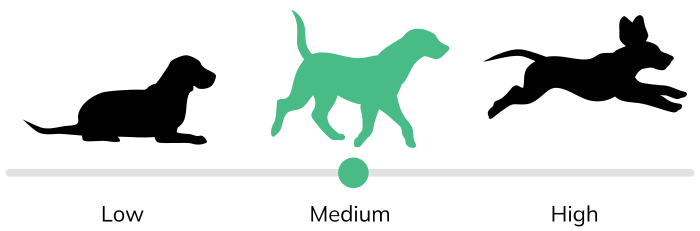
The Morkie is considered to have a moderate energy level, meaning they do need a fair amount of exercise each day to thrive.
Morkies who are more akin to the Maltese may be more laidback than those who inherit predominantly Yorkie traits, but generally, most Morkies will need at least 30 minutes of daily exercise. You can spread this across walks, short runs, and activities like fetch.
Are Morkies Easy to Train?
Morkies are sharp dogs, though their trainability can vary. They are known to be stubborn at times and will need plenty of motivation to engage in training.
This makes it crucial to use positive reinforcement (or reward-based techniques). A well-motivated Morkie will have no problem mastering the basics, and you’ll quickly find that they can even pick up advanced commands and agility tricks too.
If you’re struggling to engage your Morkie, never resort to punishments or other aversive tactics. The Morkie is sensitive to harsh corrections and this will only hinder their long-term growth rather than foster it. If you encounter any challenges during your Morkie’s training, don’t hesitate to seek help from a professional dog trainer.
Are Morkies Good Watchdogs?
While the Morkie isn’t typically used as a watchdog, they can still fit the role well. They’re brave, protective, and alert, and will quickly let their owner know of any potential intruders approaching the home.
Just be mindful that being a good watchdog does not translate to being a good guard dog. Their small size isn’t exactly the most intimidating, so they’re not likely to scare off threats.
Are Morkies Good Service Dogs?
The Morkie does have plenty of traits that suit service dog work. They’re intelligent and loyal, with a particular knack for reading their owner’s body language.
However, their small size means they can really only help with tasks that aren’t physically demanding. They can also be more challenging to train than other, more biddable breeds, like the Labrador retriever.
That said, the Morkie does naturally shine as an emotional support animal due to their affectionate nature. They can also excel as a therapy dog for the same reason, provided they’re well-socialized.
How to Care for a Morkie?
Caring for a Morkie is fairly straightforward. They are generally adaptable, usually content with 30 minutes of daily exercise, and don’t shed an excessive amount. However, they still need consistent training and lots of attention throughout the day.
You also need to consider their diet, grooming needs, and health. We’ll cover these responsibilities in more detail below to ensure you’re prepared.
Do You Need to Groom a Morkie?

Unfortunately, the Morkie’s coat is one of the few aspects about them that isn’t low-maintenance. You will need to brush your Morkie daily to keep their fur in top shape, regardless of which coat type they inherit.
Their fur will also need to be cut regularly to ensure it stays at a comfortable length and doesn’t cause any irritation. A professional groomer can help with this if you’re nervous about using grooming tools like clippers.
Besides this, you will need to wash the Morkie every four to six weeks, clean their ears regularly, and brush their teeth daily to maintain good oral hygiene.
Do Morkies Shed?
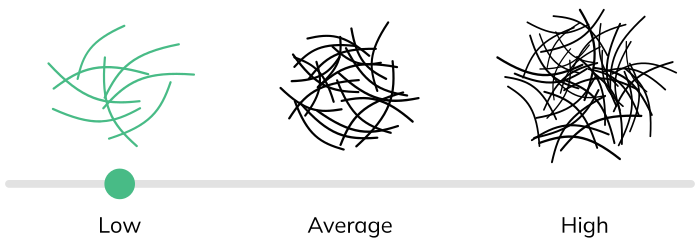
Although no breed is entirely hypoallergenic, you’ll be pleased to hear that the Morkie comes pretty close! They rarely shed and also don’t spread much dander into their environment.
While this means the Morkie may be a good fit if you have fur allergies, it’s best to meet this pup first as a precaution before you look to adopt one. This will give you a better sense of whether you can tolerate their fluff.
What Health Problems Do Morkies Have?
The Morkie is a healthy mix overall, and they often encounter very few health issues during their lifetime. This is especially the case if they’re fed a good quality diet, taken to routine vet checkups, and exercised daily.
However, the Morkie is at risk of the same conditions that their parent breeds are susceptible to. This includes health problems such as:
- Patellar luxation: When the kneecap slips (dislocates) out of its typical position, resulting in lameness and pain. A common sign of patellar luxation is a hopping gait. Treatment depends on the grade of severity, though it often involves weight management, physical therapy, anti-inflammatories, and potentially surgery.
- Bladder stones: Rock-like mineral formations that develop in the bladder. Bladder stones are painful and often lead to symptoms such as blood in the urine and difficulty urinating. Treatment depends on the severity of the bladder stones. Small bladder stones may be able to be flushed out with a catheter, while larger stones may require surgical removal.
- Legg-Perthes disease (Legg-Calvé-Perthes): An abnormal development of the hip joint, where the femoral head loses blood supply and can no longer work effectively. The main symptoms include pain, hind limb lameness, and a lack of hind muscle mass. Treatment typically involves surgical removal.
- Tracheal collapse: When the cartilage rings of the Morkie’s trachea weaken, leading to a narrow airway. Tracheal collapse results in breathing difficulties and often causes the dog to have a distinctive dry, “goose-honking” cough. Tracheal collapse can be managed with cough suppressants, lifestyle adjustments, and anti-inflammatories.
Other conditions that are often seen in Morkies include dental disease, liver shunts, cataracts, and hypoglycaemia (low blood sugar).
Many inherited conditions can be screened for with genetic testing (like Legg-Perthes disease). If you’re looking to purchase a Morkie puppy, always work with a reputable breeder who thoroughly tests their breeding stock and is committed to maintaining healthy bloodlines.
How Long Do Morkies Live?
The Morkie’s lifespan is between 10 and 18 years, making them one of the longest-lived breeds around. That said, factors such as genetics, diet, lifestyle, and health can all affect their lifespan.
While it’s difficult to predict how long the Morkie will live, you can help them lead a long life with proper care and investing in high-quality dog food (more on this below).
What Should a Morkie Eat?
The Morkie won’t need scoopfuls of kibble throughout the day. In fact, overfeeding them can actually lead to rapid weight gain and put them at risk of health problems.
Most adult Morkies will feel satisfied with around a ¼ to ½ cup of food per day. This should be split across two to three smaller meals to keep them energized and prevent hypoglycaemia.
In terms of the food’s formula, it should contain lean protein sources, complex carbs, minerals, vitamins, and healthy fats. The food should also have an easy-to-chew, digestible consistency and be specifically formulated for their size and life stage.
Is a Morkie the Right Dog for Me?
The Morkie is adaptable, easygoing, and loving, though there are plenty of factors to consider when deciding whether they’re the right match for your home.
They love to be a part of all the family action and are best suited to those who can give them plenty of attention throughout the day. They are also a good fit for people after a small, manageable pup who won’t require a great deal of exercise.
The Morkie may be your forever friend if:
- You want a playful, larger-than-life companion.
- You’re after a dog who sheds very minimally.
- You spend a good portion of your day at home (and don’t work long hours).
- You love the idea of an affectionate Velcro dog.
However, the Morkie might not be the right breed for you if:
- The idea of daily grooming fills you with a sense of dread.
- You lead an active lifestyle and want a fluffy hiking companion.
- You don’t want an overly vocal, yappy pup.