Manchester Terrier: Your Complete Guide
Manchester terriers are sleek, elegant-looking dogs that were originally bred to hunt vermin in industrial England. They may be small in size, but their jet-black coats, tan markings, and sharp almond-shaped eyes give them a striking appearance. Besides their dapper appearance, Manchester terriers pack a lot of brains, speed, and agility.
These athletic dogs come in two varieties of sizes: standard (between 12 and 22 pounds) and toy (under 12 pounds). However, despite the size and weight difference, all Manchester terriers are equally alert and courageous. Today, people keep them as watchdogs and guard dogs.
If you’re planning to add one to your family or just want to learn more about the breed, we can tell you everything, from their origin and temperament to their training needs and care guidelines.
Table of Contents
Quick Look at the Manchester Terrier
Below is a quick glance at the Manchester terrier’s lifespan, physical characteristics, temperament, and grooming needs.
| Weight/Height | Standard: 12-22 pounds/15-16 inches Toy: Under 12 pounds/10-12 inches |
| Coat Type | Short, close-lying, and glossy |
| Grooming Needs |  |
| Shedding | |
| Temperament | Active, intelligent, alert, devoted |
| Good With Kids |  |
| Good With Other Animals |  |
| Intelligence |  |
| Easy to Train | |
| Energy Level | |
| Barking Habits | |
| Lifespan | 15-17 years |
What Is the History of Manchester Terriers?
The Manchester terrier is one of the oldest terrier breeds, going back to 19th-century England. The city life was booming, and a lot of people, especially in the industrial area, faced issues with rats. To control these vermin, breeders developed a fast and alert dog breed.
John Hulme, a breeder from Manchester, crossed the old English black and tan terrier with the whippet to achieve the energetic and athletic breed we now know as the Manchester terrier. Some theories also suggest that the Italian greyhound and the dachshund played some part in creating these fast little hunters.
With the black and tan terrier’s impeccable rat-killing skills and the whippet’s speed, Manchester terriers soon became the stars of the now-banned sport of rat-killing. They came in two size varieties, standard and toy, and both were unbelievably fierce. One of the toy Manchester terriers, named Tiny, once killed 300 rats in a record time of 54 minutes and 50 seconds, proving just how powerful these small hunters were.
What Do Manchester Terriers Look Like?

Manchester terriers are graceful dogs with lean but muscular bodies. They have a short, tight-fitting, glossy coat. It’s mainly black, with distinct mahogany-tan markings over its chest, legs, eyes, muzzle, and cheeks. Their heads are wedge-shaped with bright, almond-like eyes, giving them an alert appearance.
As mentioned earlier, Manchester terriers come in two size varieties. Both varieties share the same polished look, except for their ears. Toy Manchester terriers have naturally erect ears, while standard Manchester terriers usually have button ears, which can be cropped for a more refined look.
What Size Is a Manchester Terrier?
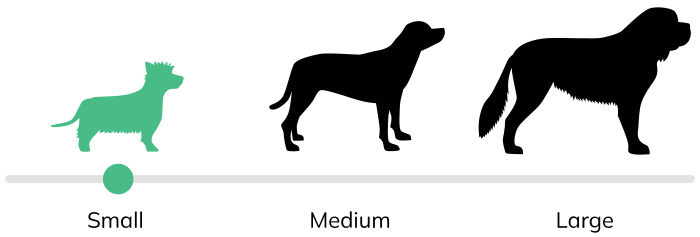
Manchester terriers are small dogs that come in two sizes. The standard variety stands 15 to 16 inches tall and weighs between 12 and 22 pounds, while the toy variety reaches 10 to 12 inches and stays under 12 pounds. Both types have narrow chests, tucked-up abdomens, and strong, muscular hindquarters, built for speed and agility.
What Is a Manchester Terrier’s Coat Type and Length?
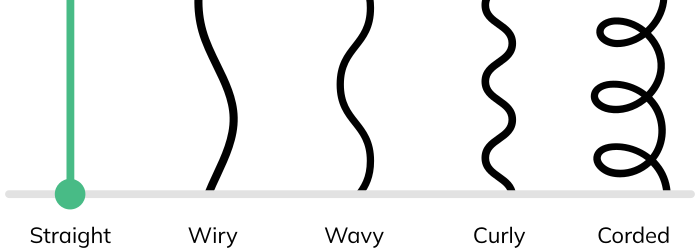
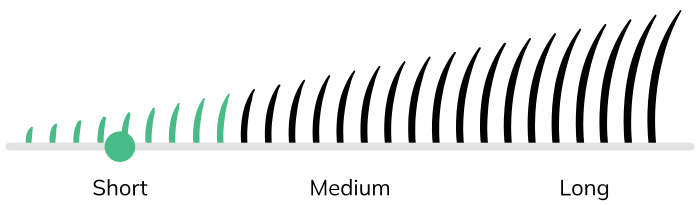
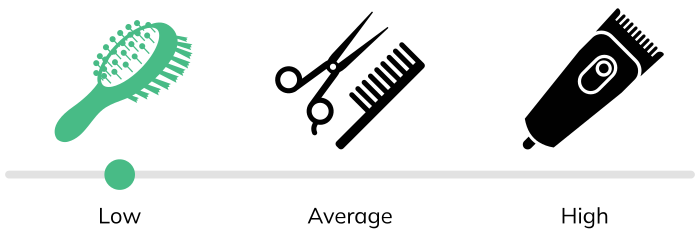
The Manchester terrier has a short, smooth, and tight-fitting coat with a beautiful gloss and minimal texture. It’s a low-maintenance coat type that requires occasional brushing to help distribute natural body oils. However, as it grows fast, you can expect moderate shedding most of the year, with seasonal coat-blowing in spring and fall.
What Is a Manchester Terrier’s Temperament?
Manchester terriers are energetic little dogs with high intelligence and a curious mind. They’re quick thinkers who love mental activities and excel at problem-solving. They might be small, but that never shows in their confidence and bravery. These mini dynamites are always up for a challenge.
As family dogs, Manchester terriers form deep connections with their humans. They’ll follow you around all day, curl up next to you for cuddles, and guard your house like their own. Since they have a naturally alert personality, they are not very comfortable around strangers. Early socialization can help build their confidence and make social interactions easier.
Are Manchester Terriers Good With Kids?
Manchester terriers are playful dogs that get along well with children. However, they are not big fans of rough play or handling, which can startle their little hearts. This is why they are more suitable for families with older, more patient kids who understand how to interact with a small, energetic dog.
That said, early introductions and supervision are important, regardless of children’s age. This is because Manchester terriers are feisty dogs. If they feel mishandled or threatened, they might snap.
Are Manchester Terriers Good With Other Animals?
Manchester terriers are usually good around other pets, especially ones that match their energy. Some, however, may develop territorial issues with dogs of the same sex, while others see cats as something to chase. A lot of this depends on how and when they were introduced to the other animal.
Small pets such as hamsters, gerbils, rabbits, and guinea pigs should be kept separate. As natural hunters, Manchester terriers are likely to chase them, and even birds or squirrels can trigger their prey drive, making it safer to keep these dogs leashed outdoors.
Are Manchester Terriers Aggressive?
Manchester terriers are bold and fearless, but they aren’t naturally aggressive. They might be wary around strangers, bark at unfamiliar objects, or become snappy if mishandled, but all of this can be managed with consistent training and guidance. A well-adjusted Manchester terrier is a sweetheart who loves to play and cuddle with their family.
Do Manchester Terriers Bark?
Manchester terriers are vocal dogs. They’ll bark to alert you when a mailman drops a courier or a cat passes by the window. Sometimes, they also bark to get your attention. Their barks are high-pitched and quick, which can easily become a nuisance in apartments with noise restrictions. However, with proper training, you can easily teach these smart canines to keep it low.
Are Manchester Terriers Affectionate?
These black-and-tan terriers enjoy spending time with their family. They are extremely affectionate and express it with their unwavering loyalty and devotion. Post-playtime belly rubs and late-night cuddles are their favorite. They’ll also follow you from room to room to make sure you’re safe.
It’s definitely a sweet feeling to have a dog love you so much, but it also requires input on your part. Velcro dogs, like Manchester terriers, can become anxious when left alone for long periods. They can develop separation anxiety, which can lead to destructive behaviors or excessive barking.
The best approach to deal with this situation is to introduce the dog to their crate early on and practice short goodbyes. Also, avoid big, warm greetings when you come back home. With regular training, your Manchester will learn to stay calm in your absence.
Are Manchester Terriers Intelligent?
Manchester terriers are brainy dogs with curious minds. They love figuring things out, whether it’s solving a puzzle toy, learning new tricks, or following instructions. While this makes them easy to train, it also means they lose interest quickly. Keeping them engaged is important to prevent boredom. Puzzle feeders, chew toys, and squeaky chasers can help keep their minds at work.

Are Manchester Terriers Energetic?
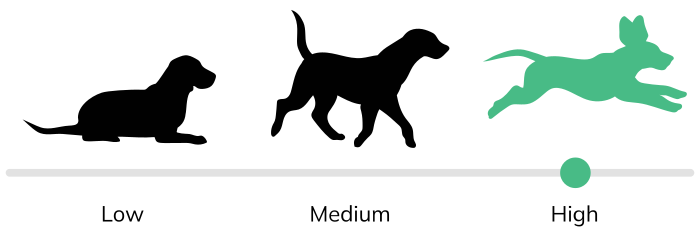
As a powerful duo of terriers and whippets, Manchester terriers are high-energy dogs with a playful streak. They need around 1-2 hours of exercise daily, which can include long walks, agility tasks, mental stimulation, and fun games in a fenced-in backyard.
When their brains and bodies aren’t challenged, they invent their own “games,” which usually involve digging up your lawn or chasing anything that moves. Structured playtime and interactive toys are the best way to keep them busy.
Are Manchester Terriers Easy to Train?
With their eager-to-please personalities and impressive intelligence, Manchester terriers are really fun to train. They pick up commands easily and follow them with complete devotion. Just make sure you have some creative ideas up your sleeve, since repetitive tasks can make a Manchester lose interest.
Agility courses, flyball, lure coursing, and barn hunt are some fun and exciting activities for Manchester terriers. They’ll excel at these, thanks to their quick reflexes and sharp attention. Plus, these sports will satisfy their need for mental stimulation. Keep in mind that short training sessions are usually more effective than longer ones.
Positive reinforcement and reward-based training with play, treats, and praise work best with these people-pleasing dogs. They are sensitive and can get scared of harsh corrections. Time-outs and punishments can damage your relationship with your dog and make them act out.
When a Manchester terrier isn’t playing in the backyard or going for a walk, puzzle toys and feeders will keep them busy. This way, you’ll not only keep your dog engaged, but also prevent your shoes from turning into a chewed-up mess.
Are Manchester Terriers Good Watchdogs?
Manchester terriers can make excellent watchdogs. They are alert, brave, and vocal, which are three qualities needed in a watchful four-legged companion. They’ll quickly pick up on unusual sounds or movement around the home, and not think twice before alerting you with their quick, high-pitched barks.
Confrontation with strangers isn’t their strongest suit. Since they aren’t aggressive or fighting dogs, don’t rely on them to handle human threats. That said, fear-based aggression can sometimes be an issue, so proper training is important.
Are Manchester Terriers Good Service Dogs?
As intelligent, alert, and highly trainable companions, Manchester terriers can easily learn specific tasks. However, due to their small size and high energy levels, they may not be the best choice for traditional service dog roles, like mobility assistance.
That said, the Manchester terrier’s affectionate and attentive nature makes it an excellent emotional support animal. They form close bonds with their humans and can help with emotional or mental challenges, such as depression, chronic stress, or autism.
How to Care for a Manchester Terrier?
Caring for a Manchester terrier includes providing a comfortable and safe home. As small dogs, Manchester terriers adjust well in single-family homes and apartments. Just make sure you keep them warm in the winter, and cool and hydrated in the summer. With a short coat and no undercoat, these dogs can’t regulate their body temperature well.
However, when it comes to training needs, Manchester terriers can be pretty demanding. They require plenty of daily exercise and a lot of mental stimulation to live a balanced life. You might even have to invest in professional training courses to address certain behaviors, such as excessive barking and housetraining.
Do You Need to Groom a Manchester Terrier?
Manchester terriers don’t have high grooming needs. Their short, tight coat only requires weekly brushing, which can easily be done at home. Use a soft-bristle brush or a grooming glove to remove excess hair and distribute natural body oils. They don’t need frequent baths, either. Just once every 2-4 months is enough to maintain their coat’s shine.
The breed’s other grooming needs include teeth brushing, nail trimming, and ear cleaning. We recommend brushing their teeth daily with an enzymatic dog toothpaste for healthy gums and teeth, trimming their nails every two weeks, and keeping their ears clean to prevent wax buildup.
Do Manchester Terriers Shed?
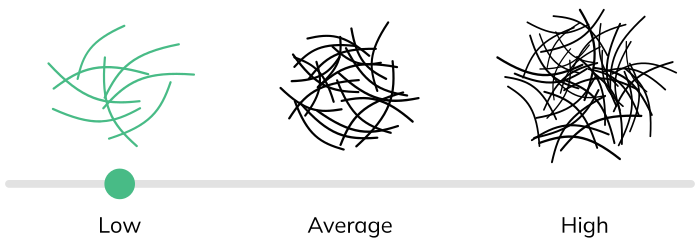
Manchester terriers aren’t heavy-shedders. They do shed, but it’s light to moderate, and happens as single hairs rather than clumps. This makes it easier to manage their coat and keep your home relatively hair-free with just regular brushing. However, do expect some hair during seasonal changes, like spring and fall.
What Health Problems Do Manchester Terriers Have?
Although generally tough, Manchester terriers, like all other dogs, are prone to certain genetic and age-related health issues. Regular health checkups are important to detect and treat these conditions early.
One common condition is von Willebrand disease (vWD). It’s a genetic blood disorder that causes excessive bleeding in case of injuries. Dogs struggling with this disease might bleed from their nose or mouth spontaneously. The condition can be detected by a blood test and managed by avoiding blood-thinning medication, rough play, and injuries.
Manchester terriers can also develop Legg-Calve-Perthes disease. It’s a painful condition in which the ball of the hip joint (femoral head) stops receiving blood and eventually dies. This causes limping, reduced range of motion, and pain in the hip. Smaller dog breeds are at a higher risk of developing this condition.
Hypothyroidism is another health condition that affects Manchester terriers. Symptoms include weight gain, poor coat condition, lethargy, and frequent ear and skin infections.
Besides these health issues, the breed is also prone to the following conditions:
- Primary lens luxation
- Alopecia
- Dilated cardiomyopathy
- Luxating patella
- Epilepsy
How Long Do Manchester Terriers Live?
A healthy, happy, and well-cared-for Manchester terrier can easily live for 15 to 16 years. Some might even live for as long as 17 years. However, keep in mind that your dog will need regular vet visits, a mentally and physically enriched lifestyle, and a healthy diet to stay by your side for years.
What Should a Manchester Terrier Eat?
A nutritious, protein-rich diet is important for good growth and muscle recovery, especially in active and energetic dogs, like the Manchester terrier. Feed them a combination of dry, wet, and raw dog food. Just choose dog foods with real meat as the main ingredient, and avoid fillers, such as corn.
How much a Manchester terrier must eat depends on their age and activity level. Since puppies are in their growing phase, they’ll benefit from small, frequent meals, ideally three to five times a day. Give them puppy dog food with small-sized kibble and additional nutrients for joint support.
Adult dogs need about one to two cups of high-quality dog food per day. You can split this into two meals, one in the morning and the other in the evening. Since Manchester terriers are prone to obesity, free-feeding them isn’t a good idea. You should also choose an age-appropriate food to prevent health issues. For example, senior dogs may benefit more from lower-calorie formulas.
Certain foods are off-limits. They can be toxic to your dog and can even result in death. These include garlic, raisins, avocado, onion, and alcohol. This isn’t an exhaustive list, so check with your vet before feeding your dog anything in particular. Also, make sure your Manchester terrier always has access to fresh water.
Is a Manchester Terrier the Right Dog for Me?
A Manchester terrier is a great choice for anyone looking for a small but confident dog. These little guys do best in homes where they get plenty of love and exercise opportunities. They prefer staying close to their families and enjoy being a part of hiking trips, long walks, and cozy Netflix nights.
Active families with older kids and flexible routines are their ideal matches. However, with early socialization and proper training, they’ll easily make a sweet addition to a family with young children.