Lancashire Heeler: Your Complete Guide
The Lancashire heeler was only recently recognized by the American Kennel Club (AKC) in 2024. This adorable pup is sure to stop you in your tracks with their gentle herding nips and heartwarming “heeler smile.”
While the Lancashire heeler was primarily bred for farm work, they can make an absolutely wonderful family companion for those who can properly channel their energy. They’re extremely devoted, adorable, and lively. Their small, manageable size also means they can adapt to many different homes.
Whether you’re simply curious about this unusual breed or are considering adding a Lancashire heeler to your life, you’re at the right place. Our complete guide below will cover everything you need to know about them, from common Lancashire heeler personality traits to their care needs and history.
Table of Contents
Quick Look at the Lancashire Heeler
Below is a quick glance at this special breed in terms of their physical characteristics, lifespan, temperament, and grooming needs.
| Weight/Height | 10 to 12 inches tall, weighing between 9 and 17 pounds |
| Coat Type | Short double coat, harsh and flat in texture |
| Grooming Needs |  |
| Shedding |  |
| Temperament | Intelligent, affectionate, alert, brave, and friendly |
| Good With Kids |  |
| Good With Other Animals | |
| Intelligence |  |
| Easy to Train | |
| Energy Level | |
| Barking Habits | |
| Lifespan | 12 to 15 years |
What Is the History of Lancashire Heelers?
While the Lancashire heeler was only recently accepted into the AKC, the breed has been around for at least a few hundred years. They are thought to have originated from dwarfed dogs introduced to Britain by Vikings, and other possible ancestors for this breed include the black and tan terrier, Welsh corgi, and the Manchester terrier.
As the breed’s name suggests, their traits really took shape in the county of Lancashire. They were selectively bred to work on farms, where they were primarily tasked with ratting, driving cattle to markets, and herding straggling livestock back to the herd.
The Lancashire heeler’s herding style is unique and captivating to watch. Their agile, small frame allows them to effortlessly weave into the midst of the cattle, nip at their heels to gently guide them, and then dodge any incoming kicks.
They can still be found working on farms today, but many have since transitioned to the new role of loving and loyal family pet.
The Lancashire heeler is unfortunately classed as a “Vulnerable Native Breed” by the Royal Kennel Club (RKC), with only 75 registrations in 2024 and around 5,000 worldwide. By choosing to adopt a Lancashire heeler, you’ll be making a meaningful difference and helping to preserve the breed and their rich history.
As an interesting fact, the Lancashire heeler is one of the smallest herding dogs recognized by the AKC. They are also called the Ormskirk terrier.
What Do Lancashire Heelers Look Like?

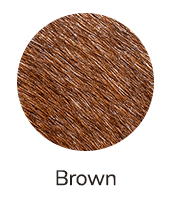
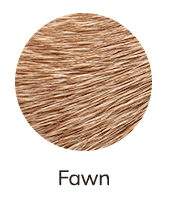
The Lancashire is a small yet robust and agile dog. They have distinctively short legs, a curved tail, and wide, almond-shaped eyes. They also have large triangular-shaped ears that stand partially erect or full when on alert.
The Lancashire heeler has a wide, flat skull that tapers in width toward their eyes. This is complemented by a black or brown nose, a full set of evenly-spaced teeth, and tight lips.
Their short, weather-repellant coat comes in a combination of black and tan or liver and tan. They also often have markings above their eyes and on their cheeks, muzzle, chest, legs, and tail.
What Size Is a Lancashire Heeler?
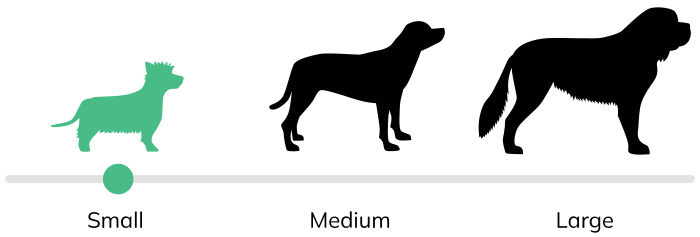
The Lancashire heeler is longer than they are tall, resulting in a rectangular body shape. Most Lancashire heelers stand anywhere from 10 to 12 inches tall at the shoulder and weigh between 9 and 17 pounds. The ideal height for males is 12 inches, and for females, slightly smaller, at 10 inches.
What Is a Lancashire Heeler’s Coat Type and Length?
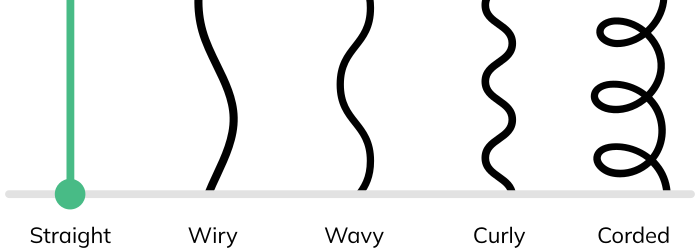
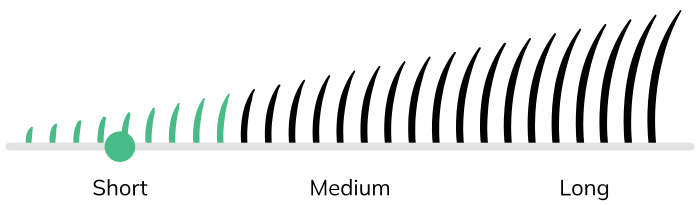
The Lancashire heeler is a double-coated breed, with a short, thick, and harsh top coat that lies flat, and a soft, dense undercoat. They have slightly longer fur on their neck, though the overall appearance is neat and smooth.
The Lancashire heeler’s double coat serves a practical purpose. Their top coat naturally repels water and keeps them protected from the elements, while their undercoat offers insulation and helps them better regulate their body temperature.
What Is a Lancashire Heeler’s Temperament?
The Lancashire heeler’s temperament is a testament to their roots as a driving and herding breed. They’re brave, courageous, and alert, and will work tirelessly to please their owner. While they aren’t a lap dog, they will still love to cuddle and form close bonds with their family members.
The Lancashire heeler is sociable and quickly sees a friend in everyone, whether canine or human. They also thrive on interaction and fare best in households where they’ll have constant company (and attention).2
While the Lancashire heeler is resilient and can readily adapt to different living situations, just be aware that they often don’t tolerate being left alone for hours at a time. They can quickly become anxious and destructive, especially if they aren’t being given appropriate outlets for their energy.
Are Lancashire Heelers Good With Kids?
With their endless energy and cheerful, playful disposition, the Lancashire heeler is essentially a “child” themself when they’re not working on the field. They will bond exceptionally well with active kids and will appreciate being included in their play.
That said, the Lancashire heeler typically isn’t the best fit for toddlers. Bred to be a herder, they may try to herd small young children and, in the process, nip at their heels. Although their nips aren’t ever likely to break through skin, it can scare some children.
Children should be taught from an early age how to coexist happily with dogs. This means you should teach your kids to respect their boundaries, give them space as needed, and handle them gently and with care. You should also closely supervise their time together to ensure their play does not become overly boisterous and spiral out of control.
Are Lancashire Heelers Good With Other Animals?
With proper early socialization and consistent training, the Lancashire heeler can often get along well with other dogs. They aren’t particularly territorial or standoffish and will enjoy romping around with them.
They aren’t always the best with small animals like cats and rabbits. Their herding instincts often take over, even with ample socialization. As they do with kids, they’ll often try to herd small animals and may nip at them, which can potentially lead to injuries.
Are Lancashire Heelers Aggressive?
It wouldn’t be a stretch to say that the Lancashire heeler doesn’t have an “aggressive” bone in their body. They’re gentle, warm, and patient. While they do tend to nip at heels, this is a result of their herding drive rather than any aggression. With proper bite inhibition training, their nips are also very gentle and aren’t ever likely to cause pain.
Any dog can become aggressive if their needs are being failed in some way or they lack critical socialization and training. That’s why it’s crucial to learn all you can about their care if you’re looking to adopt this breed.
Do Lancashire Heelers Bark?
The Lancashire heeler is a talkative breed who will quickly vocalize their thoughts and emotions. They’ll bark the most when they’re trying to alert you to a visitor or something unusual, though you can also expect them to bark when they’re excited, playing, or bored.
Although small, the Lancashire heeler’s high barking tendency and energy level mean they aren’t a good fit for cramped apartments. This is especially the case if strict noise restrictions are enforced.
Some Lancashire heelers may be quieter than others, so it’s best to meet the dog you’re considering adopting in person to assess their barking tendencies accurately. You can also manage problems like excessive barking through consistent training.
Are Lancashire Heelers Affectionate?
The Lancashire heeler is incredibly affectionate and enjoys receiving attention from their family. They also have a unique, and utterly lovable, way of smiling. Known as the “heeler smile,” when they’re feeling happy, they often pull back their lips in an attempt to imitate a human’s smile.
They can be fairly reserved around strangers at first. However, with a proper introduction and a good pet or two, they’ll warm up quickly and soon be showing off their pearly whites.
Are Lancashire Heelers Intelligent?

Bred to courageously herd large livestock like cattle, the Lancashire heeler has remarkably high intelligence. They can effortlessly learn challenging commands, can perform a wide range of jobs, and are sharp enough to solve problems without a single cue from their owner. Their curious nature also means they are often eager to try out new things.
The Lancashire heeler is also smart enough to test boundaries. You’ll need to keep a close eye on this trait and ensure they don’t put themselves in harm’s way.
Are Lancashire Heelers Energetic?
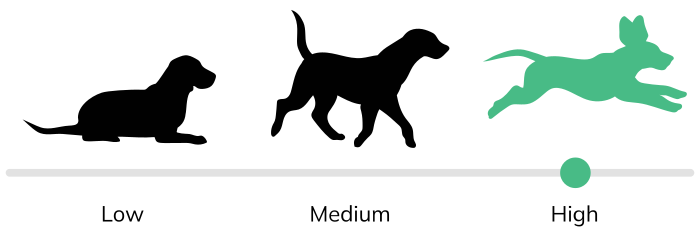
While their compact size may mislead you into thinking they’re a laid-back lap dog, the Lancashire heeler is bursting at the “fluff” with energy and stamina.
They’ll still need at least an hour of exercise each day, with plenty of chances to run and stretch their legs. They’ll enjoy activities that also give them a way to channel their herding instincts, such as herding trials.
Are Lancashire Heelers Easy to Train?
While Lancashire heelers are some of the smartest dogs around, they do have a mind of their own at times. This can make them more challenging to train than other dogs. Staying patient but firm during their training, while leveraging positive reinforcement principles, will help them learn commands quickly.
Start with the fundamentals and gradually move on to more advanced commands at their own pace. Adding variety to their training routine will help them stay engaged and offer a fantastic source of mental enrichment.
While Lancashire heelers can be stubborn, you should never snap at them. You also shouldn’t use punishment-based measures or aversives. These punitive training techniques rarely bring effective or long-term results, as they rely on fear rather than fostering mutual respect and trust.
In the long term, using aversives can cause the Lancashire heeler to become anxious and even aggressive. If you’re feeling overwhelmed with training, reach out to an expert reward-based trainer for help, or consider investing in an online training program.
Are Lancashire Heelers Good Watchdogs?
Lancashire heelers are certainly alert and vocal enough to perform watchdog duties. They have a keen awareness of their surroundings and can quickly pick up on an approaching stranger.
They should never be considered for protection work due to their tiny size and unthreatening physical features. They are also welcoming and tend to greet strangers with warm curiosity rather than apprehension.
Are Lancashire Heelers Good Service Dogs?
Lancashire heelers aren’t the best choice for service work, despite their intelligence and strong work drive. They have demanding care needs, which many people with disabilities may find difficult to fulfill. Their stubbornness can also get in the way and stop them from executing trained tasks reliably.
While the Lancashire heeler isn’t the best service dog, that doesn’t mean they can’t thrive in other therapeutic areas. They have much success as an emotional support animal, for instance, because of their loving disposition, skill for reading body cues, and heartwarming smiles and tail wags.
How to Care for a Lancashire Heeler?
The Lancashire heeler will likely put you to work as much as they enjoy working (spoiler: a lot)! If you’re prepared and can give them the care they need, you’ll be blessed with unconditional love and the sight of their adorable heeler smile every time you wake. In our opinion, there’s simply no better joy and reward than that!
While we’ve discussed their exercise, mental enrichment, and training needs above, there are a few more areas to think about. This includes care responsibilities like their grooming, health, and diet.
Do You Need to Groom a Lancashire Heeler?

The Lancashire heeler’s short coat is pretty easy to maintain at home. They usually only need a good brush twice a week to keep their fur looking its best, as well as the occasional bath and trim around their paw pads.
Professional grooming usually isn’t necessary. But you will need to brush them more frequently when they blow out their coat.
Besides this, the Lancashire heeler requires ear cleaning as needed, nail trimming if they grow too long, and a daily dental routine to promote healthy teeth and gums… And of course, to keep their “heeler smile” sparkly!
Do Lancashire Heelers Shed?
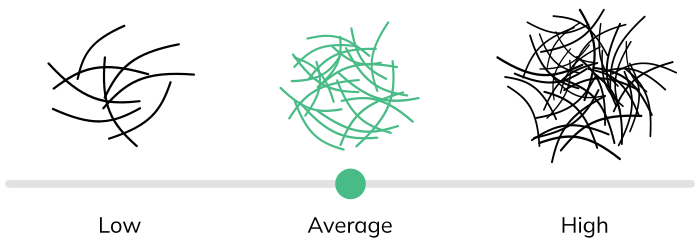
Lancashire heelers shed an average amount throughout the year, though they tend to lose more fluff during seasonal changes when they blow out their coat. Routine grooming will keep your space looking presentable and ensure your furniture doesn’t turn into fur-niture.
What Health Problems Do Lancashire Heelers Have?
The Lancashire heeler tends to be a very healthy creature. While they are robust overall, they are prone to certain health complications. Common health problems include:
- Primary Lens Luxation
- Collie Eye Anomaly (CEA)
- Patellar Luxation
- Cataracts
- Persistent Pupillary Membrane (PPM)
Lancashire heelers can also be susceptible to obesity, particularly if they’re overfed and aren’t being provided enough exercise during the day.
While some of these health concerns sound daunting, that doesn’t mean they can’t be treated or prevented. Cataracts, for instance, can be easily corrected with surgery, and conditions like CEA and primary lens luxation can be screened for with appropriate testing.
As the case remains for every breed, the best way to help your Lancashire heeler stay in good health is to take them to their routine vet checkups. A vet will be able to examine them closely and spot any health concerns early on.
How Long Do Lancashire Heelers Live?
With good care and a well-bred background, the Lancashire heeler lifespan can easily reach up to 12 to 15 years. While it can be difficult to give a precise prediction, you can help your Lancashire heeler live and smile happily into their golden years with regular vet checks, a balanced diet, and both physical and mental enrichment.
What Should a Lancashire Heeler Eat?
How much your Lancashire heeler should eat can vary depending on their age, activity level, and health. Puppies tend to require more frequent feedings to support their growth, while senior dogs often fare best on fewer calories, joint-supporting formulas, and soft, easy-to-chew kibble.
Most full-grown Lancashire heelers need around 1 to 2.5 cups of dog food per day. This should be split across two meals to keep them satiated, ideally once in the morning and again at night.
Is a Lancashire Heeler the Right Dog for Me?
The Lancashire heeler is sure to win you over with their adorable smile and spirited nature. Adopting this pup also means you won’t just be blessed with a forever friend; you’ll be helping to save an endangered breed and bring them (and their pearly whites) into the public eye.
The Lancashire heeler can be more challenging than other breeds, so it’s important to assess their needs carefully to check whether you can truly give them the home they deserve.