Kooikerhondje: Your Complete Guide
The kooikerhondje (also called the Nederlandse kooikerhondje) can be a wonderful match for the right owner, but it may feel overwhelming for the wrong one. Understanding where you fit into that equation is important before you fall in love with the breed’s appearance (which is bound to happen). Their elegant red-and-white coats and alert expressions are hard to overlook.
However, daily life with a kooikerhondje depends far more on temperament than looks. This is an intelligent, observant breed that gets attached to people and responds quickly to both good and bad experiences. Knowing how much time, attention, and structure they require can help prevent frustration on both sides.
This guide breaks down what living with a kooikerhondje actually involves. From temperament and energy levels to grooming needs, health considerations, and long-term care, you’ll find everything you need to decide whether this breed fits your lifestyle before committing.
Table of Contents
Quick Look at the Kooikerhondje
The following table offers a quick overview of the kooikerhondje’s size, temperament, grooming needs, and expected lifespan.
| Weight/Height | 20-30 pounds / 15-16 inches |
| Coat Type | Medium, straight (or slightly wavy), double coat |
| Grooming Needs |  |
| Shedding |  |
| Temperament | Alert, active, friendly, easy-going, intelligent |
| Good With Kids | |
| Good With Other Animals | |
| Intelligence |  |
| Easy to Train |  |
| Energy Level | |
| Barking Habits | |
| Lifespan | 12-15 years |
What Is the History of Kooikerhondjes?
The kooikerhondje has a rich history in the Netherlands, dating back to the late Middle Ages. The breed was developed as a specialized hunting dog used in duck decoy systems, where it helped lure birds into traps known as “eendenkooien.”
Kooikerhondjes would use playful movements and their distinctive white-tipped tails to entice ducks to follow them into narrow canals, where hunters could then capture the birds. The breed’s name comes directly from this role. “Kooiker” refers to the person who operated the duck decoy, while “hondje” means “little dog.”
One famous story also links the kooikerhondje to Prince William of Oranje, the founder of the Dutch monarchy. According to tradition, the Prince’s Kooiker, named Kuntz, alerted him to approaching assassins and helped save his life. This event solidified the breed’s cultural significance in the Netherlands.
After the First World War, the kooikerhondje’s numbers fell sharply. Improvements in firearms reduced the need for traditional duck decoy hunting, and as eendenkooien disappeared, demand for the dogs declined as well.
The breed came dangerously close to extinction until the late 1930s, when Baroness von Hardenbroek van Ammerstol began preserving it through careful searching and breeding. Starting with a dog named Tommy, she rebuilt the population. Her work led to the establishment of the Dutch parent club in 1967 and official recognition by Raad van Beheer in 1971.
What Do Kooikerhondjes Look Like?


Kooikerhondjes are instantly recognizable thanks to their distinctive coloring and athletic build. They’re harmoniously built small sporting dogs with almost square body proportions, which means their body length is only slightly longer than their height.
These dogs have a clean-cut head with flowing lines and medium-sized, almond-shaped, dark brown eyes that look friendly yet alert. The ears are set above eye level and carried close to the cheeks, with soft, feathered hair. Their well-feathered tail is an important visual element and is carried level with or slightly above the topline when the dog is in motion.
Kooikerhondjes are always predominantly white with clearly defined orange-red patches. The ears are often adorned with long black-tipped hairs known as “earrings,” which are highly prized within the breed standard. Some natural variation can exist in patch size and placement.
However, overall symmetry, clean markings, and a confident posture are hallmarks of a well-bred kooikerhondje.
What Size Is a Kooikerhondje?
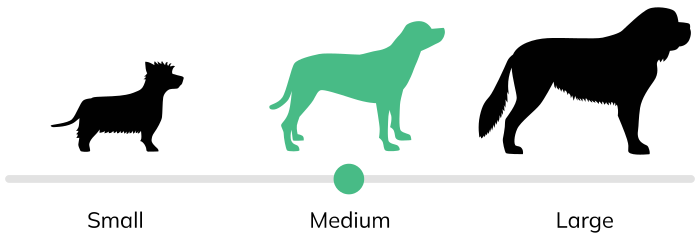
Kooikerhondjes fall into the small-to-medium category. The ideal height at the withers is about 16 inches for males and 15 inches for females. Dogs that measure more than 1½ inches above or below the ideal height after one year of age are considered outside the standard.
Proportion is a defining feature of the breed. The body is slightly longer than it is tall, which gives these dogs a rectangular outline. The skull and muzzle are approximately equal in length. The forelegs are also proportionate, with the distance from the ground to the elbow matching the depth of the body from elbow to withers.
The breed has solid bone structure, but never to the point of heaviness. That’s how these dogs remain agile and quick on their feet. Typical weight ranges from 20 to 30 pounds, depending on gender, genetics, and overall condition.
What Is a Kooikerhondje’s Coat Type and Length?
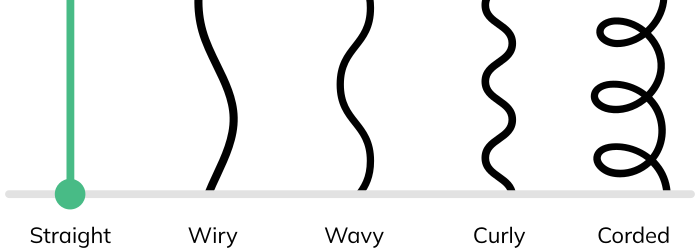
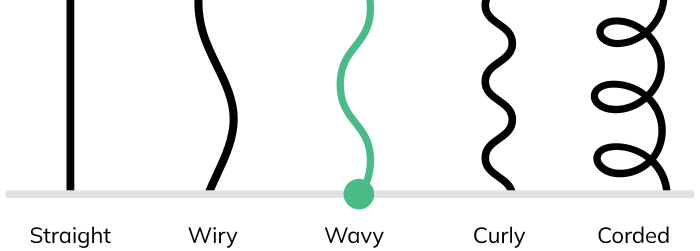
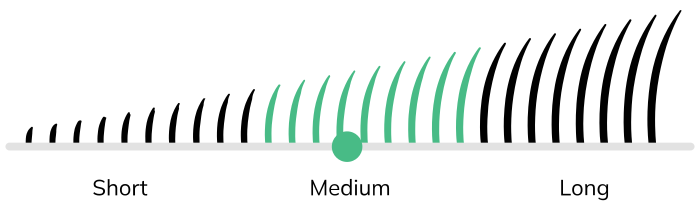
Kooikerhondjes have a medium-length coat designed to support their original working role. The hair lies close to the body and may be straight or gently wavy, but it should never form curls.
Although the coat feels soft, it has sufficient texture to repel moisture and protect the dog from changing weather conditions. It’s complemented by a functional undercoat. This makes the kooikerhondje adaptable to a range of climates, though they shouldn’t be left outdoors for extended periods in extreme heat or cold.
The distribution of coat length varies across the body. Short hair covers the head, feet, and the front portion of the legs, while longer hair appears on the throat and chest. The front legs show moderate feathering that reaches the pasterns, and the hind legs display fairly long, feathered breeches, stopping cleanly above the hock joints. The tail is also well feathered underneath.
Last but not least, the long, dark hair tips on the ears help distinguish the kooikerhondje from other small sporting breeds.
What Is a Kooikerhondje’s Temperament?
The kooikerhondje personality is a testament to their background as a versatile working dog. These dogs are lively, alert, and agile, with a strong sense of purpose and an eagerness to stay active. They’re also self-confident, resilient, and capable of maintaining focus and stamina without becoming overstimulated.
In the home, kooikerhondjes are friendly, loyal, and closely bonded with their families. They have a cheerful, balanced energy and can be slightly reserved around strangers.
Are Kooikerhondjes Good With Kids?
Kooikerhondjes aren’t dogs that tolerate everything without limits. They get along with children best when there’s mutual respect, and while gentle and patient, they’re sensitive and dislike rough handling or overly loud, chaotic play.
They tend to be more comfortable with older children who understand boundaries rather than very young kids who may grab, chase, or play roughly. However, you can train them to coexist happily with the younger kids with early socialization and proper supervision.
Are Kooikerhondjes Good With Other Animals?
These dogs generally get along well with other animals, but their natural instincts still need to be taken into account.
They’re usually friendly and respectful with other dogs, especially when introduced properly. While they aren’t overly dominant, they also don’t enjoy being overwhelmed by rough or pushy dogs. Early exposure to different dogs can help them develop confidence and good social habits, especially since they can be a bit reserved at first.
Smaller pets are a different story. Since this breed was historically used to hunt vermin, some kooikerhondjes may be tempted to chase animals like rodents or birds. It’s important to have secure enclosures if your household includes smaller pets. Cats are often manageable, particularly if the dog grows up with them, but supervision and training are still necessary.
Are Kooikerhondjes Aggressive?
No, they’re generally even-tempered dogs that prefer to assess situations rather than react impulsively. Most kooikerhondjes would rather avoid conflict than escalate it, which is why aggression is uncommon when they’re properly bred, socialized, and trained.
That said, these dogs are still alert and protective of their home environment, which can sometimes be mistaken for aggression. A kooikerhondje may bark or show caution around unfamiliar people or situations. Aggressive behavior is more likely to develop when these early signals are misunderstood or ignored.
Poor socialization, inconsistent handling, or stressful environments can also lead to defensive behaviors, such as growling or snapping. Again, these responses are usually rooted in fear or confusion rather than hostility.
Like all breeds, individual temperament varies, but most aggression-related issues are preventable with responsible ownership and proper training.
Do Kooikerhondjes Bark?
Kooikerhondjes are moderately vocal, meaning they only bark when needed (for example, when they want to notify you of unfamiliar sounds or visitors).
In everyday life, many owners describe kooikerhondjes as relatively quiet indoors. However, boredom, lack of mental stimulation, or anxiety can lead to increased vocalization. Regular exercise, structured routines, and engagement through training or play help keep barking at a manageable level.
You can also teach your dog when barking is appropriate and when it’s unnecessary. All in all, kooikerhondjes can do well in quieter neighborhoods or shared living spaces, as long as you take their mental and physical needs seriously.
Are Kooikerhondjes Affectionate?
Kooikerhondjes are super affectionate, but not in a clingy or needy way. Instead of demanding nonstop attention, they form deep emotional bonds with one or two people and like to stay close to them.
Many kooikerhondjes prefer calm, predictable contact over loud or overwhelming displays of affection, which makes them especially well-suited to individuals who respect boundaries.
These dogs can be reserved around visitors or unfamiliar faces. This tendency usually improves with time, especially when the dog is socialized early, trained with positive methods, and allowed to warm up on their own terms.
Are Kooikerhondjes Intelligent?

Yes, kooikerhondjes were bred to perform complex tasks that required patience, precision, and independent decision-making. As a result, they’re capable problem solvers who can think for themselves when needed.
These dogs are not only intelligent in a technical sense, but also emotionally aware. They’re highly attuned to their surroundings and to the moods and behaviors of the people around them. Many owners notice that kooikerhondjes quickly recognize changes in routine or tone and adjust their behavior accordingly.
This emotional intelligence makes them excellent companions in attentive households. They often anticipate what’s expected of them and respond well to subtle cues rather than repeated verbal commands. At the same time, their sensitivity means stress or inconsistent care may impact their behavior.
Are Kooikerhondjes Energetic?
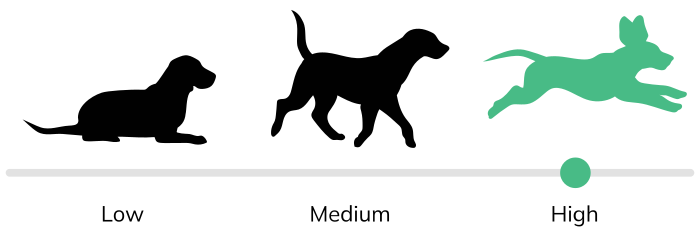
Kooikerhondjes are energetic enough to keep up with active households, but they aren’t extreme endurance athletes that need constant activity. They enjoy daily exercise and benefit from regular routines that include both movement and interaction.
They are well-suited for owners who enjoy walks, outdoor activities, and light training rather than leading a completely sedentary lifestyle.
Their medium-to-high energy level is often more noticeable in younger pups, while adults tend to develop better self-control with age. When their needs are met, kooikerhondjes usually relax well at home and are content to rest near their family.
Are Kooikerhondjes Easy to Train?
Kooikerhondjes are known for being very trainable. You’ll be impressed by how quickly they learn. They’re attentive dogs that naturally look to their owners for guidance, which makes teaching boundaries, house rules, and commands super easy. Many people report that kooikerhondjes seem to anticipate what’s being asked once they understand a routine.
Their intelligence and athleticism make them strong candidates for structured activities, such as agility, rally, obedience competitions, and scent-based work. Training is most effective when it remains positive and engaging. The frequency of the sessions also matters. Since the breed is sensitive, you’d want to avoid harsh corrections or force.
Are Kooikerhondjes Good Watchdogs?
Yes, these dogs are naturally aware of their surroundings and tend to react when something feels out of place. This includes barking when someone approaches the home or when an unusual activity occurs nearby.
Their reserved nature with strangers reinforces this instinct, as they’re more likely to observe and assess rather than immediately greet unfamiliar people. However, they’re not territorial or aggressive dogs and shouldn’t be expected to protect property through physical means. Their role is primarily to alert, not to confront.
With proper training, kooikerhondjes can learn to distinguish between normal household activity and situations that warrant attention.
Are Kooikerhondjes Good Service Dogs?
Kooikerhondjes aren’t commonly used as traditional service dogs, but they can excel in certain supportive roles, depending on the individual dog and the tasks required.
Their intelligence, trainability, and strong bond with their people make them capable of learning complex behaviors. However, their moderate size and sensitive nature can limit their suitability for physically demanding service work, such as mobility assistance.
Kooikerhondjes can excel as psychiatric service dogs or emotional support animals. They are emotionally aware, attentive, and responsive to changes in their handler’s behavior. However, success in these roles depends heavily on early training, stable temperament, and professional guidance.
How to Care for a Kooikerhondje?
This breed does best in homes where owners are willing to stay engaged, provide routine exercise, and offer mental stimulation on a regular basis. Neglect or a hands-off approach only results in frustration, restlessness, and emotional withdrawal in this sensitive breed.
Long-term care includes maintaining a healthy diet, an appropriate exercise routine, and a regular grooming schedule to keep their coat and skin in good condition.
Kooikerhondjes also benefit from ongoing training throughout their lives, not just during puppyhood. Continued learning will help reinforce good behavior and strengthen the bond between you and your furry baby.
Equally important is emotional care. Kooikerhondjes form strong attachments and prefer to feel included in daily routines. You shouldn’t leave them alone for long periods, as it can lead to stress or anxiety.
Do You Need to Groom a Kooikerhondje?
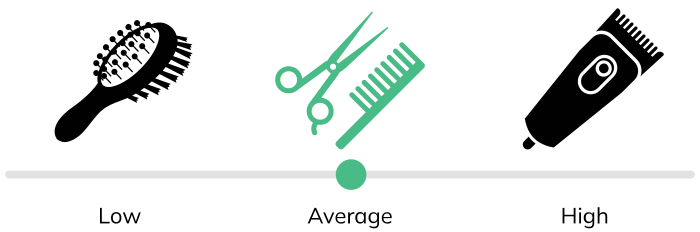
Yes, kooikerhondjes do require regular grooming, but their needs are moderate and manageable for most owners. Weekly or bi-weekly brushing is usually enough to keep their medium-length, close-lying coat in good condition. Pay extra attention to feathered areas on the ears, legs, and tail to help prevent buildup and keep your dog comfortable.
Professional grooming is generally not necessary for this breed. The kooikerhondje’s coat is meant to remain natural and shouldn’t be clipped or shaped. Routine care should focus on brushing, occasional bathing when dirty, nail trimming, ear cleaning, and dental care.
Do Kooikerhondjes Shed?
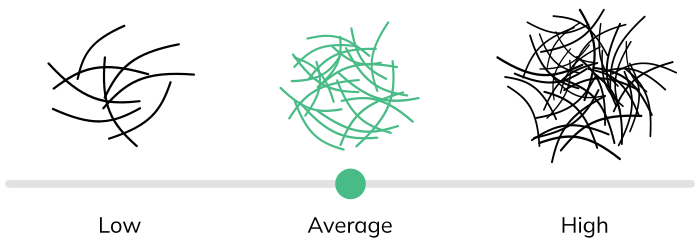
Kooikerhondjes are moderate shedders with a functional double coat that naturally releases small amounts of hair throughout the year. This can easily be managed with regular brushing.
However, shedding increases during seasonal coat changes, especially in spring and fall, when these dogs shed more heavily as their undercoat adjusts to temperature changes. You’ll have to brush more often during this time to reduce the amount of loose hair around the home.
While kooikerhondjes are not a good choice for those seeking a low-shedding or hypoallergenic dog, many owners find their shedding easier to manage than that of thicker or longer-coated breeds.
What Health Problems Do Kooikerhondjes Have?
Kooikerhondjes are generally a healthy and long-lived breed, especially when responsibly bred, but they’re prone to a few inherited health conditions that potential owners should be aware of.
One of the more notable concerns is patellar luxation, a condition in which the kneecap slips out of place and can range from mild to severe. In some cases, this may require surgical correction, while mild cases are often managed with monitoring.
The breed is also known to be affected by von Willebrand’s disease, a genetic blood-clotting disorder. Responsible breeders screen for this condition, which is why choosing a breeder who performs health testing is especially important. Some kooikerhondjes may develop epilepsy, which can vary in severity and may require long-term management.
Eye conditions, including hereditary eye disorders, have also been reported in the breed. Regular veterinary checkups, early screening, and maintaining a healthy lifestyle can help manage risks.
How Long Do Kooikerhondjes Live?
The kooikerhondje lifespan is between 12 and 15 years. Some dogs may go beyond this range when given proper care, a premium-quality diet, and regular exercise.
What Should a Kooikerhondje Eat?
You should give your kooikerhondje a high-quality, well-balanced diet to support their moderate energy level and lean, athletic build. Most adult kooikerhondjes love commercial dog food formulated for small to medium-sized active breeds. The food should list a quality animal protein as the primary ingredient and provide balanced fats and carbohydrates for sustained energy.
Portion control is especially important, as these dogs can gain weight if overfed or under-exercised. Apart from this, avoid giving sugary food, grains, and toxic items like chocolates and grapes.
Is a Kooikerhondje the Right Dog for Me?
A kooikerhondje is a good match for people who want an intelligent, trainable dog and are willing to remain actively involved throughout the dog’s life. This breed excels with owners who enjoy teaching, learning, and building a relationship based on trust and communication.
If you think you can take care of this sensitive and emotionally aware breed by being present and engaged rather than away for extended hours every day, a kooikerhondjes will prove to be a devoted companion that fills your home with love, laughter, and occasional zoomies.