Japanese Spitz: Your Complete Guide
The Japanese spitz is a small, relatively modern breed that originates from Japan. While they may not be as famous as other Japanese native breeds — like the Shiba Inu — they are definitely worth your consideration! They can be a truly wonderful family companion as they’re laidback, affectionate, and playful.
They are also intelligent and eager to please, making them one of the easiest spitz breeds to train.
The Japanese spitz has a striking white coat and mane-like ruff around their neck, which gives them an elegant appearance. This coat helps to protect them from the elements, meaning they can readily adapt to different climates despite their small physique. Of course, it also makes them irresistibly adorable!
If the Japanese spitz sounds like your dream forever friend on paper, then you’re in the right place. Our guide will cover everything you need to know about the Japanese spitz, including their temperament, physical traits, history, coat care, and more.
This will give you a much better sense of whether this breed is a good fit for your home, and crucially, whether you should turn that “dream” into reality and adopt a Japanese spitz dog.
Table of Contents
Quick Look at the Japanese Spitz
Below is a quick glance at this special breed in terms of their physical characteristics, lifespan, temperament, and grooming needs.
| Weight/Height | 12 to 15 inches tall, weighing between 10 and 25 pounds |
| Coat Type | Medium-length double coat |
| Grooming Needs |  |
| Shedding | |
| Temperament | Loyal, affectionate, playful, and cheerful |
| Good With Kids |  |
| Good With Other Animals |  |
| Intelligence | |
| Easy to Train | |
| Energy Level | |
| Barking Habits | |
| Lifespan | 10 to 14 years |
What Is the History of the Japanese Spitz?
The Japanese spitz is a relatively new breed, especially when compared to other Japanese breeds like the Shiba Inu. While their exact roots aren’t entirely known, what’s clear is that they originated from Japan and likely emerged sometime in the early twentieth century.
They are thought to have been developed from crossing various small white spitz dogs together, including the white German spitz dogs that were introduced to Japan through Siberia and China.
By the mid-twentieth century, Japanese spitz dogs had gained popularity not just in Japan but throughout the world. The Japanese spitz was accepted by the Japanese Kennel Club in 1948, and it was later officially recognized by the Royal Kennel Club (RKC) in 1977.
They are yet to receive official recognition from the American Kennel Club (AKC), but have been noted in the foundation stock service group.
It’s possible that breeders were looking to create a breed that had all the hallmark traits of a spitz dog, but in a more manageable, travel-friendly package. Sadly, we can only make a guess, as virtually all records of their breeding were lost during World War 2.
What Do Japanese Spitz Look Like?

The Japanese spitz is a rather unique-looking breed, covered in a striking white, profuse double coat from head to toe. They also have a fox-like pointed muzzle, almond-shaped eyes, and triangular pricked ears that are set high on their head.
As you would expect from a spitz breed, the Japanese spitz’s overall frame is well-balanced and agile. They also have an adorable, well-feathered tail that they carry high over their back.
What Size Is a Japanese Spitz?

The Japanese spitz is one of the smallest dogs around. They only stand 12 to 15 inches tall at the withers and weigh a slight 10 to 25 pounds. Males are often larger than females by a few pounds, though not noticeably so.
The Japanese spitz’s small size means they can be suitable for a wide range of living arrangements, including even studio apartments, as long as their needs are met.
What Is a Japanese Spitz’s Coat Type and Length?
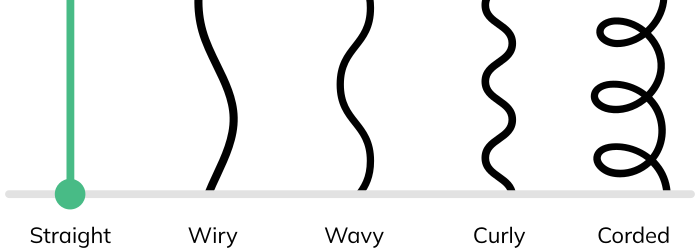

The Japanese spitz has a medium-length double coat that comes in a pure white color. The coat is noticeably profuse and dense, which is a result of a short, soft undercoat and an abundant straight top coat layer.
The Japanese spitz’s coat is noticeably longer on their neck, shoulders, and chest, and shorter on their foreface and ears. Their tail is also heavily frilled with a fox-like bushiness.
What Is a Japanese Spitz’s Temperament?
The Japanese spitz always seems to have a wide, enthusiastic smile on their face, and this quality reflects exactly who it is inside! They’re famously affectionate, friendly, and outgoing, with a particularly strong devotion to their loved ones. They’re also playful and love to cheer up their owners with fun stunts and escapades.
The Japanese spitz is happiest when they feel a part of the family and will often “shadow” their favorite humans. However, their people-oriented nature does mean the breed is known to experience separation anxiety. They’re best kept by those who don’t work long hours and can play with them throughout the day.
While this provides a glimpse into the Japanese spitz’s personality, we’ll delve further into their unique traits below, from their compatibility with kids to their barking frequency.
Are Japanese Spitz Good With Kids?
Japanese spitz dogs are some of the best companions to have for kids. They are known to be incredibly patient and form strong bonds with children of all ages. They are also proud little comedians and will happily keep kids entertained for hours on end with their fun antics.
Japanese spitz dogs are tolerant, and it does take a lot to push them to their limits. However, this still doesn’t mean you should let your children run wild around them; they are fragile dogs who can easily get injured from roughhousing. Always teach kids how to respect dogs and supervise their interactions together to ensure they’re getting along well.
Are Japanese Spitz Good With Other Animals?
While some breeds can be standoffish around other dogs, this isn’t the case for the Japanese spitz — in fact, it’s the opposite! They often thrive when they have another canine to keep them company throughout the day. They’ll especially love dogs who can match their playful, goofy side and will join them as they carry out “mischief” around the home.
While the Japanese spitz can get along well with practically any dog, it’s important to be mindful of their small size. They shouldn’t, for instance, be housed with large, rough breeds that can easily injure them or trample them.
Japanese spitz dogs can also get along well with other pets like cats, as long as they’re well-socialized and introduced carefully. However, like most spitz breeds, they do have high prey drives and may chase after small animals like hamsters and birds. You’ll need to manage their prey drive with training and supervise them around wildlife.
Are Japanese Spitz Aggressive?
Japanese spitz aren’t inherently aggressive. They have been selectively bred to be affectionate, people-oriented dogs who would rather spend their time snuggling up on their loved ones’ laps than lashing out at the world around them.
Still, keep in mind that any dog can develop behavioral issues and exhibit aggressive tendencies if they aren’t given the right support. You should always prioritize your Japanese spitz’s training and socialization from the very first day you bring them home, and maintain this throughout their life.
This will help to keep aggressive tendencies under control and allow the breed’s natural personality traits to shine through.
Do Japanese Spitz Bark?
Japanese spitz aren’t particularly heavy barkers, though it wouldn’t be fair to describe them as “quiet” dogs either. They tend to bark when they want to grab their owner’s attention or when they’re feeling excited during play.
They also aren’t afraid to bark to express their boredom or frustration. This makes it all the more crucial to ensure their needs are met if you’re looking to keep their barking at a manageable level.
The Japanese spitz can be a good fit for apartments, especially when factoring in their small size and adaptable temperament. As long as you keep up their training to ensure their barking doesn’t become excessive, they’ll likely get along well with your neighbors, too.
They may even become the local celebrity of your apartment block — after all, it’s hard not to resist their adorable smile and fluff!
Are Japanese Spitz Affectionate?
The Japanese spitz is an affectionate dog who enjoys bonding with their loved ones as much as they enjoy playing and getting up to mischief. They’ll love to be a part of all the family action and will reciprocate any attention you give them with plenty of licks, tail wags, and cuddles.
The Japanese spitz’s loving, affectionate nature often extends to strangers, too. While they may take a little time to feel comfortable around them, they’re generally sociable and will warm up quickly. This is especially the case if they’ve been socialized around different people from a young age.
Are Japanese Spitz Intelligent?

The Japanese spitz is an extremely intelligent dog that can catch on to new things quickly. They’re also alert and curious, with an impressive ability to detect even slight changes in their environment. They can even sense the emotions of their loved ones; a trait that can make them well-equipped for emotional support animal work (more on this shortly).
However, as you would expect from this brainy pup, they do crave a lot of mental stimulation. You can help keep their brain busy with interactive play, training, and toys that engage their senses, like snuffle mats and stuffed treats.
Are Japanese Spitz Energetic?

Japanese spitz have moderately high energy levels. While they are small, they are playful and enjoy putting their legs to good use. Most will require at least an hour of exercise each day in the form of daily walks, with opportunities to also run around freely to burn through their excess energy.
Japanese spitz dogs love to have fun and benefit from plenty of playtime throughout the day, too. They’ll particularly enjoy active games that allow them to spend quality time with their family members, like fetch and tug-of-war.
Are Japanese Spitz Easy to Train?
The Japanese spitz is an extremely intelligent dog that loves to be taught new things. They also see it as their life’s work to please their owner — a trait that means they’re more receptive to training than other spitz breeds. They can learn complex commands, and that extends to agility-oriented tricks like leg weaving, too.
Still, expect some stubbornness to show up on occasion, especially if you aren’t using the right training techniques.
The best way to engage the Japanese spitz is with positive reinforcement methods. These measures keep them motivated with enticing rewards like treats and toys, and help to nurture both their trust in you and the connection you share with them.
Are Japanese Spitz Good Watchdogs?
Japanese spitz are alert dogs who will be quick to let you know of visitors or anything that seems suspicious. While this quality can make them excellent watchdogs, be mindful that they’re not exactly the best deterrents. They’re small and more likely to greet intruders with warm smiles and affection than raised hackles.
Are Japanese Spitz Good Service Dogs?
The Japanese spitz isn’t the best choice for service dog work, despite their high intelligence and affectionate nature. This is primarily because their small, fragile size means a lot of service dog tasks are ruled out, particularly those that involve mobility assistance. They also tend to get easily distracted by their surroundings.
However, that doesn’t mean the Japanese spitz can’t provide support to those with disabilities; they can make an excellent emotional support animal. They form close bonds, offer a loving, accepting presence, and have a particular talent for brightening up their loved one’s mood, whether through playful mischief or their warm, happy smiles.
How to Care for a Japanese Spitz?
The Japanese spitz isn’t a particularly demanding breed, especially when compared with larger spitz breeds like the Samoyed and Siberian husky. However, they’ll still need an hour of exercise each day, consistent training, and plenty of opportunities for playtime.
Other aspects of caring for a Japanese spitz include ensuring they’re fed a balanced diet, brushed regularly, and taken to regular vet check-ups. We’ll walk you through these in greater detail below to ensure you have a full understanding of whether the Japanese spitz is the right dog for your family.
Do You Need to Groom a Japanese Spitz?

A common misconception is that the Japanese spitz’s coat is high-maintenance and requires expert grooming to maintain. However, despite what their profuse fluff may lead you to believe, the Japanese spitz’s coat doesn’t require much attention to keep it in good condition.
Their fur is straight and isn’t particularly prone to matting, and they don’t readily trap dirt, debris, or foul odors either.
A good brush once or twice a week in most instances will suffice, with more frequent brushing when your Japanese spitz sheds out their undercoat during seasonal changes. During your grooming routine, be sure to pay close attention to their feathered spots, as these areas are the most likely to mat.
You’ll also want to bathe them every six to eight weeks and keep the feathering around their pawpads trimmed.
You should also brush the Japanese spitz’s teeth daily, clean their ears, and check their skin frequently for signs of irritation or infections.
Do Japanese Spitz Shed?
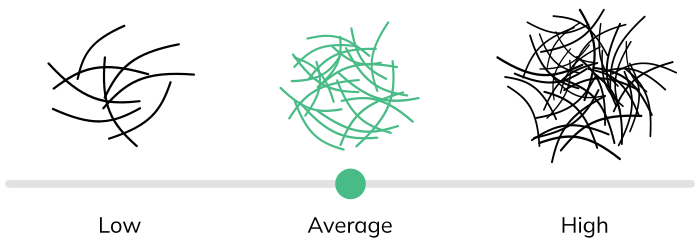
Japanese spitz aren’t hypoallergenic (aka low-shedding) dogs. They shed moderately year-round and also experience periods of intense shedding when they blow out their double coats to adapt to the changing conditions. Still, their shedding is usually manageable, and their hair is small and won’t be too noticeable around your house.
What Health Problems Do Japanese Spitz Have?
The Japanese spitz is a healthy, robust breed overall, though like all dogs, they can be prone to a few health complications. The common health problems seen in Japanese spitz include:
- Patellar Luxation: When the dog’s kneecap shifts and slips out of place. Common symptoms of patellar luxation include lameness, a skipping gait, and a reluctance to jump or climb stairs. Treatment depends on the grade of severity. Severe cases usually require surgical intervention, while mild cases can often be managed with physical rehabilitation, weight management, joint supplements, and anti-inflammatories.
- Muscular Dystrophy: An inherited fatal condition that affects the dog’s muscles. The first signs often include an unusual bunny-hopping gait, exercise intolerance, and noticeable loss of muscle mass. While there is no treatment for muscular dystrophy, it can be screened for, making it all the more vital to work with an ethical, responsible breeder.
- Dental disease: Referring to the inflammation of the gums resulting from a buildup of plaque and tartar. Dental disease is a common condition seen in all dog breeds, not just the Japanese spitz. Symptoms include bad breath, red gums, loose teeth, appetite loss, and excessive drooling. Keeping on top of your Japanese spitz’s oral hygiene can help prevent dental disease.
While we’ve mentioned it earlier, we can’t stress this enough: The best way to support your Japanese spitz’s health is to take them to all their routine vet appointments. You should also ensure they’re up-to-date on their vaccinations and monitor their behavior and eating habits closely for any unusual changes.
How Long Do Japanese Spitz Live?
The Japanese spitz’s lifespan reflects the breed’s general robustness. They are healthy, active dogs who often live up to 10 to 14 years old. They can potentially live longer than this, especially if you work with a reputable breeder and don’t miss any of their routine vet appointments.
What Should a Japanese Spitz Eat?
Feeding your Japanese spitz doesn’t just mean filling their bowl up with the first dog food you spot in the shopping aisles. You need to ensure it’s packed with the right nutrients to fuel their body and support their growth stage and health.
The food should be rich in high-quality lean protein sources to sustain their energy, a mix of vitamins and minerals for overall health, and fatty acids like omega-6 to keep their skin and striking white coat in top shape.
The Japanese spitz’s exact caloric needs will vary based on their age range, activity level, and size. It’s important to find the right balance, as too little can lead to malnourishment, while too much can lead to obesity and put them at greater risk of issues like patellar luxation.
It’s best to speak to a veterinarian for guidance, and also to use the dog food’s packaging for a rough estimate.
Is a Japanese Spitz the Right Dog for Me?
The Japanese spitz is a resilient, loyal, and affectionate small dog who can make an ideal family companion. They can get along particularly well with children who can respect their size, as they’re generally patient and enjoy lots of playtime. They are also adaptable and can easily fit into various homes, whether apartments in the heart of bustling cities or quiet family homes.
The Japanese spitz is likely the right breed for you if you can exercise a dog for at least an hour each day and commit plenty of time to their training and mental stimulation. They’re also a great fit if you don’t work long hours, have access to open space where they can play, and are seeking a dog with a goofy, fun-loving side.
With the right family, the Japanese spitz loves unconditionally and will truly make every day feel like a pawfect blessing.