Japanese Chin: Your Complete Guide
The Japanese chin is a small companion breed with a silky, medium-length, luxurious coat. Despite its name, the breed was originally developed in China, but it was Japan that put the breed in the world’s spotlight. While it is easy to consider them just another toy breed, Japanese chins have certain characteristics that you will rarely or never come across in others.
In this Dog Academy breed guide, we will walk you through the Japanese chin’s breed characteristics. Our article will cover everything from their temperament and physical features to trainability and health. Read to the end to learn all about the Japanese chin.
Table of Contents
Quick Look at the Japanese Chin
Below is a quick glance at this special breed in terms of their physical characteristics, lifespan, temperament, and grooming needs. We will cover each point in detail in the coming parts.
| Weight/Height | 7-11 pounds / 8-11 inches |
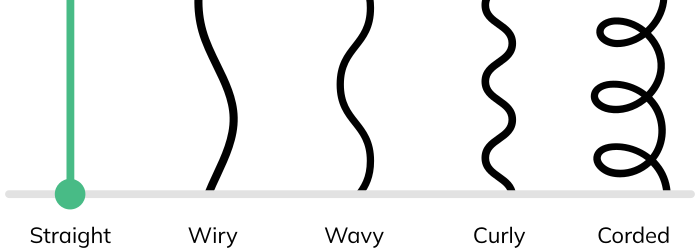
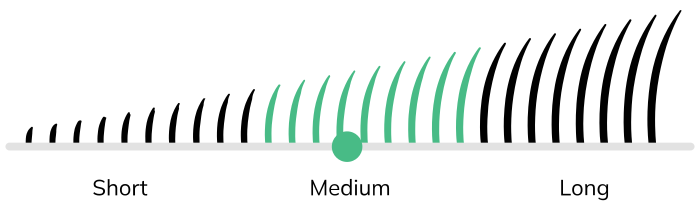
| Coat Type | Silky medium-length coat |
| Grooming Needs |  |
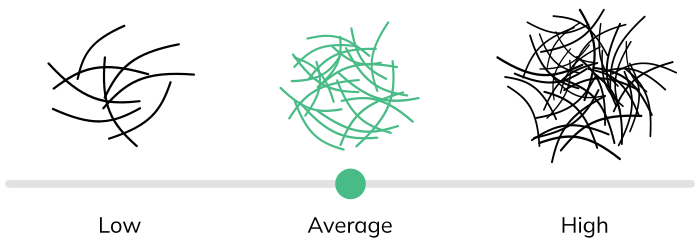
| Shedding |  |
| Temperament | Affectionate, quiet, sociable, playful |
| Good With Kids |  |
| Good With Other Animals | |
| Intelligence | |
| Easy to Train | |
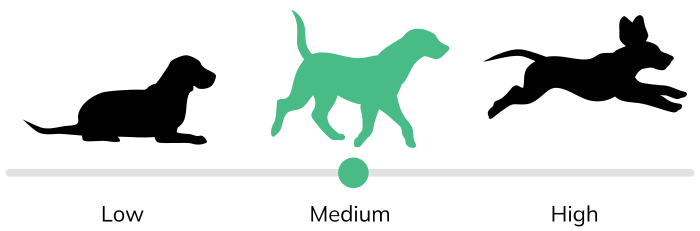
| Energy Level | |
| Barking Habits | |
| Lifespan | 10-14 years |
What Is the History of Japanese Chins?
The name Japanese Chin is a misnomer. Despite the Japanese in the breed name, these dogs originate from China, likely descending from ancient toy and companion dogs kept by Chinese nobility and Buddhist monks. Even from their appearance alone, it is easy to come to the conclusion that they may have a shared ancestry with the Pekingese and other Chinese toy breeds.
Although their exact origins in Japan are unknown, it is believed that they set foot in the islands as early as the 6th century. In Japan, just like in China, these dogs were solely for the nobility. In fact, the name “chin” means a separate category of companion that gives them a status above other dogs. Some historians also suggest that they were kept solely to keep the laps of women in the Imperial Court.
Since the Japanese chin is an ancient dog, the breed has undergone significant changes over the centuries. The breed progressively got smaller over the years, and the coat became even more luxurious. When trade opened with Japan in the 19th century, Japanese chins became well-known in other parts of the world. The Japanese giving them as gifts to Western diplomats further contributed to their popularity in the West.
The first Japanese chins came to the United States around this time, and the American Kennel Club recognized the breed in 1888. Today, Japanese chins are living similar to how they’ve always lived – as companion animals. Even though they aren’t very popular, ranking 103rd in the AKC’s most popular dogs list, many know them by their unique appearance, their chin-spin, and cat-like personalities, which we will cover in detail below.
What Do Japanese Chins Look Like?
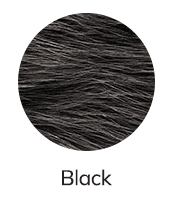
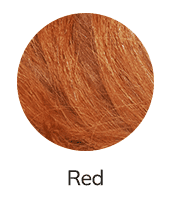
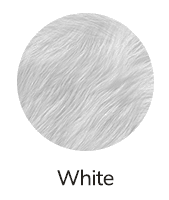
Japanese chins are small dogs that come in a variety of colors, with white always accompanying another color. According to the Japanese chin breed standards, the accepted coat colors include:
- Black and white
- Lemon and white
- Red and white
- Sable and white
- Black, tan and white
Other than the coat color, Japanese chins have several distinctive physical features, such as being brachycephalic, having large, expressive eyes, a plumed tail, a compact body, and unique alert expressions commonly described as oriental.
What Size Is a Japanese Chin?
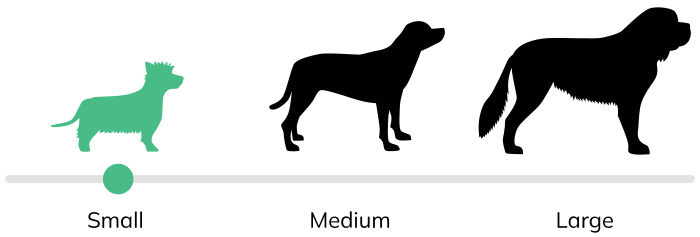
The Japanese chin is among the smallest breeds, standing 8 to 11 inches tall at the shoulder and weighing between 7 and 11 pounds. They aren’t extremely petite like Chihuahuas or Yorkies, but are certainly among the smallest dog breeds. This small size makes them suitable for a variety of living arrangements; even a small studio can be spacious for a Japanese chin, as long as they are content with their lives.
What Is a Japanese Chin’s Coat Type and Length?
Japanese chins have a single, medium-length silky coat that’s one of the unique characteristics of the breed. The coat can take two to five years to come in fully, and the silky texture means it is very soft to the touch. This luxurious coat is one of the reasons why Japanese chins were favored by the nobility across China and Japan.
What Is a Japanese Chin’s Temperament?
The Japanese chin has many unique temperament traits compared to other toy breeds. They are famous for their cat-like personalities; these dogs enjoy perching on high places, act delicately, and self-groom obsessively, just like cats. When excited, they also tend to stand up on their hind legs and spin around, a move described as the chin-spin.
While these are truly unique to the Japanese chin, they are small companion dogs at the end of the day. Needless to say, they are highly affectionate and bond strongly with each and every one of their family members. Coupled with their social nature, Japanese chins fit well into large households with lots of people and other pets.
In addition to these, there’s much more to cover about the typical Japanese chin personality. Here’s everything you need to know.
Are Japanese Chins Good With Kids?
Japanese chins are generally good with kids, especially gentle, older children. They can also get along well with younger children, but small family members must learn how to behave around dogs and respect their space. Otherwise, a Japanese chin may resent children much like Chihuahuas or Yorkies. If you have young children, teaching them to respect dogs and supervising interactions is a must to ensure everyone gets along nicely.
When considering their suitability for families with children, note that Japanese chins are quite sensitive dogs. They may not do well in households with multiple children running around screaming, and behavioral issues may eventually arise out of frustration. Because of this, they do better in households with quieter children.
Are Japanese Chins Good With Other Animals?
Japanese chins are overall friendly dogs that enjoy having other dogs in the family. They can coexist with most dogs, especially other toy breeds and small-to-medium-sized dogs. Due to their tiny size, Japanese chins may not do so well in families with larger dogs, even gentle giants. These dogs are also pretty sociable, so they will enjoy meeting other friendly dogs during walks.
While many toy breeds, particularly Chihuahuas and Yorkies, have a high prey drive, the Japanese chin is pretty relaxed in this regard. They often have a very low prey drive, making them exceptionally good with cats and small pets. Considering their cat-like personalities, they may even be a better fit for families with cats than hyper dogs like the Jack Russell terrier.
Are Japanese Chins Aggressive?
Japanese chins aren’t aggressive at all. They were bred for companionship and naturally have a sociable temperament. They would rather befriend strangers and unfamiliar dogs than pick a fight. However, some Japanese chins can be protective of their owners, which tends to be the ones that have a more one-person temperament. These dogs can act shy or timid in the presence of unfamiliar people.
In addition to these, any dog that hasn’t been socialized properly can develop behavioral issues that can lead to aggressive tendencies, like food aggression, being territorial, or reactivity, which, even though it isn’t the same as aggression, can be difficult to manage. Owners must prioritize socialization and training early on to ensure their Japanese chins grow up to become confident, well-behaved adults.
Do Japanese Chins Bark?
Japanese chins aren’t heavy barkers. They can bark like every other dog, but are considered quiet compared to many other toy breeds. In fact, they might be the quietest, especially when compared to breeds like Pomeranians, Yorkies, and Chihuahuas.
This makes the Japanese chin an excellent choice for those seeking a quiet dog or living in apartments with noise restrictions.
Are Japanese Chins Affectionate?
The Japanese chin doesn’t need any explanation when it comes to how affectionate they are. After all, these dogs were exclusively owned by the aristocracy for their noble personalities and the deep bonds they form with their owners, and they enjoy getting all the attention they can get from their loved ones. Although some pick a favorite person and become one-person dogs, they are equally loving when receiving pets and affection from their loved ones.
While undoubtedly affectionate, Japanese chins can be a little reserved around strangers at first. It takes a while for them to warm up to the presence of strangers. Also, their sensitive nature means that they are temperamental dogs; owners should refrain from harsh corrections during training.
Are Japanese Chins Intelligent?
Japanese chins are intelligent dogs that understand what’s happening around them and have an exceptional ability to sense the emotions of their owners. They pick up social cues well and tend to switch their mood according to the room. This is one of the reasons why they are very sensitive dogs, which can have a big impact on their trainability, in addition to their overall intelligence.
However, while most smart dogs crave a lot of mental stimulation, the Japanese chin tends to be laid-back in this regard. They are content with what they have as long as their owners are present and they receive all the love and attention they need to feel fulfilled in life.

Are Japanese Chins Energetic?
Japanese chins are medium-energy dogs. They are fairly low-maintenance in this aspect, as they are also easy to tire due to their brachycephalic nature. This also means that exercise should be kept gentle and at a pace that a Japanese chin can comfortably handle. Additionally, exercise, including walks, should be avoided during peak heat hours, especially if you’re in states like Florida and Louisiana.
As for the exact duration of exercise, Japanese chins do well on two walks a day with some playtime that lasts 30 to 45 minutes in total. The length can be adjusted based on lifestyle and the individual temperament of the Japanese chin to better suit their needs.
Are Japanese Chins Easy to Train?
Japanese chins are fairly easy to train, thanks to their intelligent minds and eager-to-please personalities. They enjoy getting involved in activities with their owners, with training being an excellent outlet for satisfying this side of the breed.
To get the most out of a Japanese chin’s trainability, owners must employ appropriate training techniques and keep training sessions short and rewarding. Due to their sensitive nature, Japanese chins can lose interest in training immediately if it gets pushy. That’s why keeping a positive atmosphere during training sessions works the best with Japanese chins.
Are Japanese Chins Good Watchdogs?
While Japanese chins have a territorial and protective streak, they don’t make reliable watchdogs. This, however, isn’t only because of their small size. These dogs don’t have an inherent desire to announce unusual sounds or unfamiliar faces. They are simply companion animals that look to the owner for protection rather than providing it themselves.
Are Japanese Chins Good Service Dogs?
Even though Japanese chins are fairly trainable, they aren’t popular for service dog work due to their small size and sensitive nature, which can make navigating social situations a service dog is faced with in day-to-day life. They are companion dogs that do better as emotional support animals or therapy dogs rather than taking on duties to help someone with a disability.
How to Care for a Japanese Chin?
With all their care needs outlined above, we can say that the Japanese chin is overall a low-maintenance dog breed that doesn’t demand much. Short walks are enough to meet their exercise needs, they are easy to socialize, they don’t require a lot of mental stimulation, and they are fairly easy to train.
While these are true, there are also other aspects of caring for a Japanese chin. We walk you through all these to help you determine whether the Japanese chin is a dog for you.
Do You Need to Groom a Japanese Chin?
The Japanese chin’s luxurious coat requires some upkeep to keep a tidy appearance. This includes brushing the coat two to three times a week and trimming occasionally to maintain their natural shape. They should be bathed when dirty, develop an unpleasant smell, or about once a month or so. Note that overbathing can strip the natural oils from their coat, which can result in them appearing dull and lifeless, so it should be avoided.
Other than caring for their coats, Japanese chins benefit greatly from daily teeth brushing because they are prone to developing a variety of dental diseases due to their small jaws. They also need the area around their eyes cleaned weekly, nail trimming as needed, and ear cleaning every ten days or so. These are just as important as the coat care, if not more.

Do Japanese Chins Shed?
Despite having a single coat, Japanese chins aren’t hypoallergenic like Yorkies or Maltese. They shed moderately year-round and slightly more during seasonal changes. This means that they aren’t a perfect fit for those with allergies, though their small size means that they can be more manageable than larger or dogs that shed more.
What Health Problems Do Japanese Chins Have?
The Japanese chin is overall a healthy dog breed, but being brachycephalic, they suffer from health conditions like airway issues and heat sensitivity. Japanese chins are also at risk of heart murmurs, eye problems like progressive retinal atrophy and cherry eye, luxating patella, epilepsy, and dental issues.
While these might seem like too much for a healthy breed, many Japanese chins go through much of their lives without any health issues. If you’re concerned about their health, note that regular vet visits and educating yourself on the possible health problems your Japanese chin is at risk of will go a long way in ensuring their health, in addition to providing the best care possible.
How Long Do Japanese Chins Live?
Japanese chins have an average life expectancy of 10 to 12 years. However, it wouldn’t be a surprise for them to lead a much longer life, as the average Japanese chin lifespan statistic was established in the early 20th century.
What Should a Japanese Chin Eat?
Like every dog, a Japanese chin should eat a healthy, well-balanced diet that supports their lifestyle and overall health. These dogs benefit greatly from dog food formulated for toy breeds and added ingredients for coat health, like omega-3 fatty acids and minerals. If you don’t know where to start, your vet or an animal nutritionist can recommend the best dog food for your Japanese chin after examining their health and lifestyle.
Is a Japanese Chin the Right Dog for Me?
The Japanese chin is a small companion breed that can be a good fit for a variety of individuals, couples, and families. They are adaptable dogs that can fit into various homes, as long as their needs are met and they receive the love they deserve.
If you’re looking for a small dog with a big heart that will love you unconditionally and your house isn’t hectic, meaning there aren’t children running around or huskies constantly howling, the Japanese chin is undoubtedly going to be an ideal dog. As long as you stay attentive to their health needs, you will have a canine companion that’s such a joy to have for many years to come.