Irish Terrier: Your Complete Guide
The Irish terrier may have had their roots in Ireland, but it has quickly found their footing (or we should say paws) across the world. Today, their resilient, bold nature and sweet temperament have made them a popular family companion. While they are energetic like most terriers, they are adaptable and compact enough to suit a range of different households and lifestyles. They will also never turn down an adventure with their favorite humans.
Irish terriers are generally medium-sized dogs that stand up to 18 inches tall. Their most distinctive trait is their coat, which typically comes in a bold red hue and conveys their equally bold personality.
The Irish terrier is a larger-than-life pup, and it’s easy to understand why they’ve captured your heart. However, before you commit to this breed, it’s important to learn all you can about them. We’ll help by giving a detailed overview of their temperament, care needs, history, and more below.
Table of Contents
Quick Look at the Irish Terrier
Below is a quick glance at this special breed in terms of their physical characteristics, lifespan, temperament, and grooming needs.
| Weight/Height | Up to 18 inches tall, weighing 25 to 27 pounds. |
| Coat Type | Medium-length double coat, wiry and dense |
| Grooming Needs |  |
| Shedding |  |
| Temperament | Bold, sweet, alert, and affectionate |
| Good With Kids |  |
| Good With Other Animals |  |
| Intelligence | |
| Easy to Train | |
| Energy Level | |
| Barking Habits | |
| Lifespan | 13 to 15 years |
What Is the History of the Irish Terrier?
The Irish terrier is recognized as one of the oldest terrier breeds in history. As their name suggests, their origins can be traced back to 19th-century Ireland, where they were selectively bred to be an all-purpose farm dog. They were primarily used to catch rats and watch over the farm, though they excelled in practically any job they were tasked with.
The first official breed club was established in 1879 in Dublin. They were later recognized by the American Kennel Club (AKC) in 1885. Over the decades, the traits that made them such capable farm dogs — like their tenacity, loyalty, and alert nature — quickly made them popular family companions across the world.
What Do Irish Terriers Look Like?
The Irish terrier is a medium-sized dog with a compact, athletic build and prominent rectangular head. Like most terrier breeds, they have an alert, sharp expression that conveys their vigilant side and intelligence. They also have long legs and a thin tail that they carry high above their backs. Some Irish terriers have their tails slightly docked, particularly if they are used for farm work.
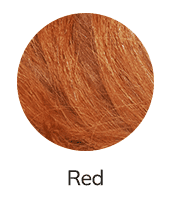
While the Irish terrier has plenty of unique qualities, their most distinctive trait is their coat. Their fur comes in a vibrant shade of red or wheaten and is noticeable from a distance. Their coat reflects their equally bold personality and heritage as a resilient farm dog.

What Size Is an Irish Terrier?
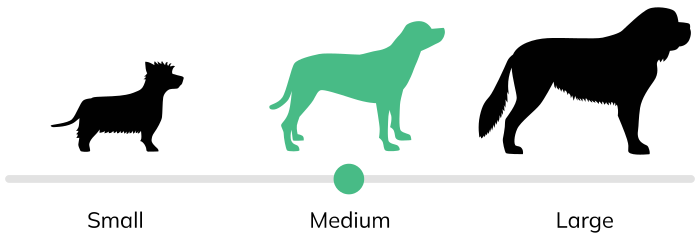
Irish terriers are considered medium-sized dogs. While their exact size will depend on their genetics and health, they usually stand up to 18 inches tall by the time they reach adulthood. Males typically weigh 27 pounds, while females weigh slightly less at around 25 pounds.
What Is an Irish Terrier’s Coat Type and Length?
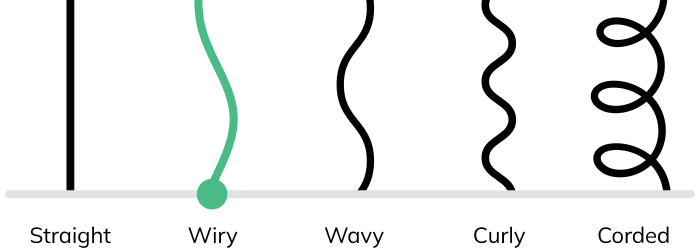
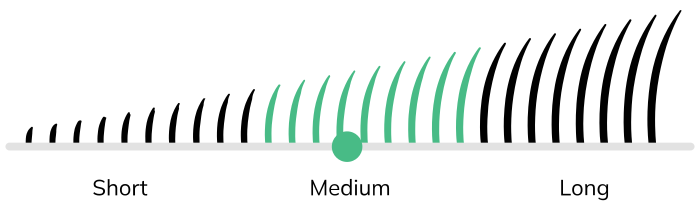
The Irish terrier has a medium-length double coat. The top coat consists of dense hairs that are tight and wiry in texture. Their hairs lie close to their body, but does not hide their athletic physique. The undercoat is finer and softer, and often isn’t noticeable to the naked eye.
What Is an Irish Terrier’s Temperament?
The Irish terrier has all the qualities you would expect from a refined terrier breed. They’re intelligent, alert, and courageous, and their loyalty to their loved ones is unrivaled. They can be vigilant — a trait that’ll need to be carefully managed with socialization — but they’ll quickly feel at ease once they know their family is safe.
The Irish terrier is often nicknamed the “Daredevil.” Get to know one, and you’ll quickly understand why. They’re headstrong and fiery, and tend to rush into things with little thought of the consequences involved. This quality does mean they can be difficult to train and are best suited to experienced owners. We’ll delve further into their personality and trainability below.
Are Irish Terriers Good With Kids?
Irish terriers may be fiery, but they’re total cuddlebugs when it comes to children! They get along well with kids of all ages, and they’ll happily soak up the attention given to them. Their spritely, playful side also means they can match the exuberance (and endless energy) of children.
While Irish terriers are generally tolerant of kids, it’s still important to watch them to ensure they interact together safely and gently. The Irish terrier can become rambunctious during play, especially when they get excited.
Are Irish Terriers Good With Other Animals?
Irish terriers aren’t the best fit for multi-pet households. They tend to be standoffish around other dogs, and their high prey drives mean they also have an instinct to chase after small pets like rabbits and cats.
Still, that’s not to say that housing them with other pets is an impossibility. Provided they’re well-socialized and raised together from a young age, Irish terriers can often live happily with other animals. Just be mindful to always monitor their interactions together as a precaution.
Are Irish Terriers Aggressive?
Irish terriers aren’t inherently more aggressive than other dogs. However, like all terriers, they can be vigilant and have high prey drives. These qualities can lead them to exhibit potentially aggressive behaviors, such as snapping and growling. This is especially the case if they haven’t received enough socialization or training.
It’s important to ensure you meet your Irish terrier’s needs and train them to keep aggressive behaviors at bay. If you have concerns about your Irish terrier or are struggling to manage their training alone, consider seeking help from a professional in-person dog trainer. You should also take them to a veterinarian to rule out any underlying health issues, particularly if their behavior change is sudden.
Do Irish Terriers Bark?
The Irish terrier isn’t an excessively vocal dog. However, they are vigilant and will often bark to alert their owner of anything amiss. You can also expect them to bark when someone approaches the home.
The Irish terrier’s bark can be quite sharp and loud, so they may not be the best fit for apartments. It’s a good idea to teach them the “quiet” cue to ensure their barking stays at a manageable level.
Are Irish Terriers Affectionate?
The Irish terrier may be serious on the job, though within the comforts of their home, they’re exceptionally affectionate. They’re a highly devoted dog and won’t say no to any cuddles on offer. You can also expect them to express their affection through plenty of licks, excitable tail wags, and nuzzles.
Irish terriers can be prone to separation anxiety because of their love for human attention. They’re best suited to families who can keep them company throughout the day, rather than those who lead hectic, busy lifestyles.
Irish terriers can be wary around strangers. However, as long as they’re well-socialized, they’ll remain courteous. As they strengthen their bond with unfamiliar people, they’ll soon show them their fun-loving, affectionate side too.
Are Irish Terriers Intelligent?
The Irish terrier is an extremely intelligent dog with an alert and curious nature. They love to put their brain to good use and enjoy a challenge, whether that’s in the form of a job, puzzle game, or a dog sport like agility. They also aren’t afraid to test their owner if they see an opportunity to do so — a trait that’ll need to be managed carefully with appropriate training.
Considering the Irish terrier’s high intelligence, it’s important to give them lots of mental stimulation throughout the day to ensure they don’t become bored or restless. You should also keep them engaged by changing up their day-to-day activities and training schedule.
Are Irish Terriers Energetic?
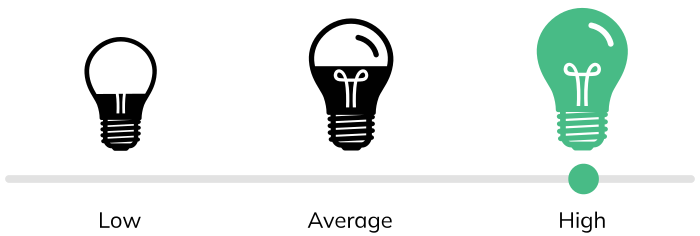
The Irish terrier may be slight, but they are an energetic dog and need at least an hour of exercise each day to feel content. You can provide this in the form of daily walks around the block, runs, vigorous play sessions, and dog sports like flyball or agility. They’ll also appreciate being given a job to do.
Are Irish Terriers Easy to Train?
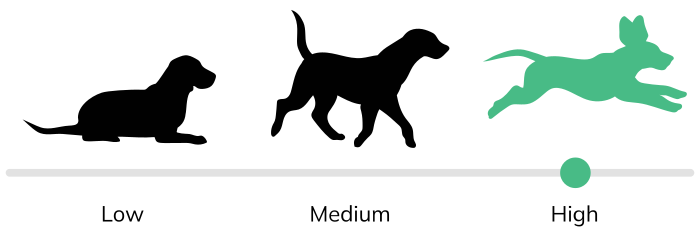
Irish terriers are quick-witted dogs who can quickly pick up on any tricks you teach them. However, while they are more than capable of performing advanced commands effortlessly, they are headstrong and like to do things on their own terms. You will need to provide them with the right motivation to keep them engaged.
That’s why it’s crucial to use positive reinforcement techniques to train your Irish terrier. Give them plenty of praise, use high-value treats, and stay patient throughout the process.
Are Irish Terriers Good Watchdogs?
Like most terrier breeds, the Irish terrier is a vigilant and protective dog. They’re excellent at alerting their owners to strangers and other unfamiliar sounds and sights, and their barks are also loud and sharp. These qualities mean they can act as an effective deterrence.
That said, it’s important not to let the Irish terrier’s vigilance overwhelm them. They should be exposed to various people, animals, and situations from an early age to ensure they can feel confident and distinguish “threats” appropriately.
Are Irish Terriers Good Service Dogs?
Irish terriers are work-driven, intelligent, and robust. While these qualities mean they have the capacity to take on service dog work, they aren’t the best choice. They can be headstrong — which can manifest as stubbornness when performing trained commands — and their vigilant side means they can struggle to navigate unfamiliar public spaces.
That said, the Irish terrier’s affectionate side and devoted loyalty can make them a great emotional support animal (ESA). They can also provide their owner with a strong sense of security, which can make them a particularly good fit for those with anxiety disorders.
How to Care for an Irish Terrier?
The Irish terrier needs a lot of attention, exercise, and training each day to lead a happy and healthy life. They fare best with an experienced owner who can stick to a consistent training schedule and give them plenty of outlets for their energy.
As is the case for every breed, they also need routine vet appointments, grooming, and a nutritious diet. Read on to learn more about their care needs and overall health.
Do You Need to Groom an Irish Terrier?
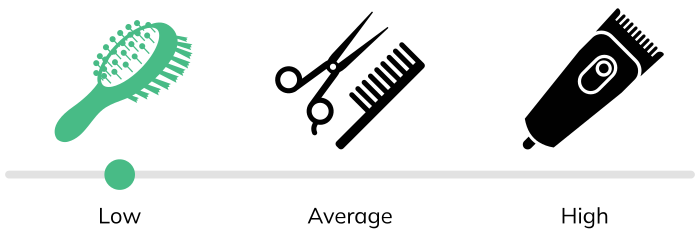
The Irish terrier’s coat should be brushed once or twice a week with a soft-bristled brush to keep it in good, healthy condition. During seasonal changes, when they blow out their undercoat, you should brush more frequently to help dislodge trapped fur.
Since the Irish terrier’s fur is tight and dense, it’s best to hand strip their fur rather than clip their coat. Hand stripping can be time-consuming, but it ensures you’re able to tackle their fur effectively without causing discomfort or distress. A professional groomer experienced with the breed can assist with hand stripping if you’re not sure how to approach their coat.
As well as maintaining their coat, you should also brush their teeth every day, wash them if their fur becomes noticeably dirty, and trim their nails if they grow too long.
Do Irish Terriers Shed?
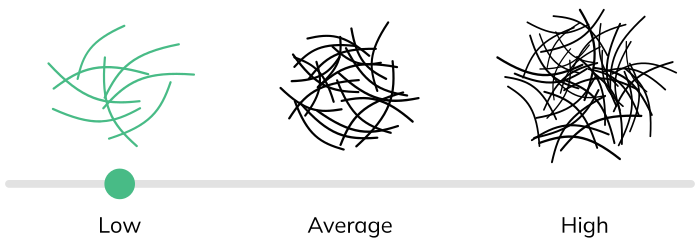
The Irish terrier sheds very minimally throughout the year. They do experience periods of heavier shedding when they blow their coat, though even then, it isn’t excessive. Their coat’s natural texture tends to trap loose fur and stops it from spreading everywhere around the house.
Irish terriers may be a good fit for those with fur sensitivities because of their minimal shedding frequency. However, allergies are unique for every individual, so it’s best to meet an Irish terrier in person to see how you react.
What Health Problems Do Irish Terriers Have?
The Irish terrier is a relatively healthy dog breed, though they is still predisposed to certain health issues. Some of the health problems commonly seen in the Irish terrier include:
- Hyperkeratosis: A genetic disease that occurs when the dog’s body produces too much keratin. It results in thick, cracked, and hard paw pads, which can cause discomfort and lead to infections. While not curable, the condition can be screened for with appropriate testing and managed with treatments like topical ointment.
- Cystinuria: An inherited condition that causes a buildup of cystine (an amino acid) in the urine, leading to urinary tract infections and bladder or kidney stones. Cystinuria can be managed with a prescription diet and, in some cases, surgery to remove kidney stones.
- Hip dysplasia: A genetic condition where the hip joint develops abnormally and doesn’t fit into the socket. Symptoms include limping, an unusual gait, and stiffness. Hip dysplasia’s treatment depends on the severity, though it may include anti-inflammatories, dietary changes, and surgical intervention.
Many of the conditions Irish terriers are susceptible to can be screened for, so it’s crucial to work with an ethical breeder if you’re looking to purchase a puppy. You should also ensure you take your Irish terrier to their routine vet appointments to catch any health issues early.
How Long Do Irish Terriers Live?
The Irish terrier’s lifespan is respectable for a terrier breed, with most pups living for 13 to 15 years. Genetic factors and lifestyle factors can both play a role in their longevity, but routine vet checkups, regular exercise, and high-quality food will greatly improve their chances of leading a long, healthy life. Some Irish terriers can even live for 16 years or beyond.
What Should an Irish Terrier Eat?
A nutrient-dense, high-quality diet is a must to keep the Irish terrier healthy and happy throughout their life. The food should be high in protein, contain no unnecessary fillers, and be suited to their size and energy level. Irish terriers particularly benefit from food fortified with glucosamine to help support their joints, particularly as they reach their senior years.
Dog food is available in a range of different consistencies and flavors, and it’s important to consider your Irish terrier’s personal preferences to ensure they enjoy mealtime. You should also stick to the recommended feeding guidelines to help your Irish terrier maintain a healthy weight.
Is an Irish Terrier the Right Dog for Me?
The Irish terrier’s admirable bravery, sharp wits, and unfaltering loyalty can make them a wonderful family companion. However, the Irish terrier isn’t the right breed for everyone. They can be challenging to care for due to their strong will, alert nature, and high energy.
Irish terriers do best with families that can be patient with them and provide a consistent training routine. They’ll also do well with those who are after a watchdog and will appreciate being alerted to visitors or other unusual noises.
If you have what it takes and can satisfy the Irish terrier’s needs, then don’t hesitate to move forward with your dog adoption journey. The Irish terrier is sure to help you and your family feel safe, loved, and cherished every day.