Ibizan Hound: Your Complete Guide
Very few dogs give off the classic, ancient hound vibe like the Ibizan hound. Their tall, slender bodies and almond-shaped eyes resemble those of dogs in ancient Mediterranean artwork. After centuries of hunting in the Balearic Islands, these dogs have become affectionate pets who fit well into family life.
People like Ibizan hounds because they’re friendly, loyal, and easy to manage. These dogs are energetic on walks and runs, but calm and cuddly once they’re back indoors. They get attached to their people, enjoy simple routines, and bring a peaceful, steady presence to the household.
This guide will explain everything you need to know before bringing an Ibizan hound home: what they look like, how big they get, what their daily exercise and grooming needs are, how they behave around kids and other animals, how trainable they are, what they should eat, and what health issues you should be aware of.
Table of Contents
Quick Look at the Ibizan Hound
Let’s take a quick look at the Ibizan hound’s physical features, behavior, grooming requirements, and longevity.
| Weight/Height | 23.5-27.5 inches (male), 22.5-26 inches (female)
50 lbs. (male), 45 lbs. (female) |
| Coat Type | Type 1: Smooth
Type 2: Wire-haired |
| Grooming Needs |  |
| Shedding |  |
| Temperament | Gentle, loyal, sensitive, family-oriented |
| Good With Kids |  |
| Good With Other Animals |  |
| Intelligence | |
| Easy to Train | |
| Energy Level |  |
| Barking Habits | |
| Lifespan | 11-14 years |
What Is the History of Ibizan Hounds?
Ibizan Hounds were first bred around 5,000 years ago on Spain’s Balearic Islands, especially Ibiza, for hunting rabbits and other small game. For many centuries, the families living there depended on these dogs to help them find food. Over time, Ibizan hounds became known for their incredible ability to spot, chase, and catch prey in rugged terrain.
Their tall, athletic build and large, upright ears helped them navigate rocky landscapes, pick up faint sounds, and move quickly through dense brush. These features, along with their long, narrow muzzle, look strikingly similar to those of dogs depicted in ancient Egyptian art, including statues of the god Anubis.
Many historians believe that the ancestors of today’s Ibizan Hounds traveled from Egypt across the Mediterranean centuries ago, based on their strong resemblance to the ancient dogs.
For most of their history, Ibizan hounds worked in small packs and were valued for their ability to hunt independently using sight, scent, and hearing. Different coat types (smooth and wiry) were often used together to handle various terrain and weather conditions. Local hunters even learned to release faster males before bringing in agile females to help corner prey.
Outside the islands, the breed remained largely unknown until the mid-20th century, when a few were brought to the United States. The American Kennel Club officially recognized the Ibizan hound in 1978.
What Do Ibizan Hounds Look Like?
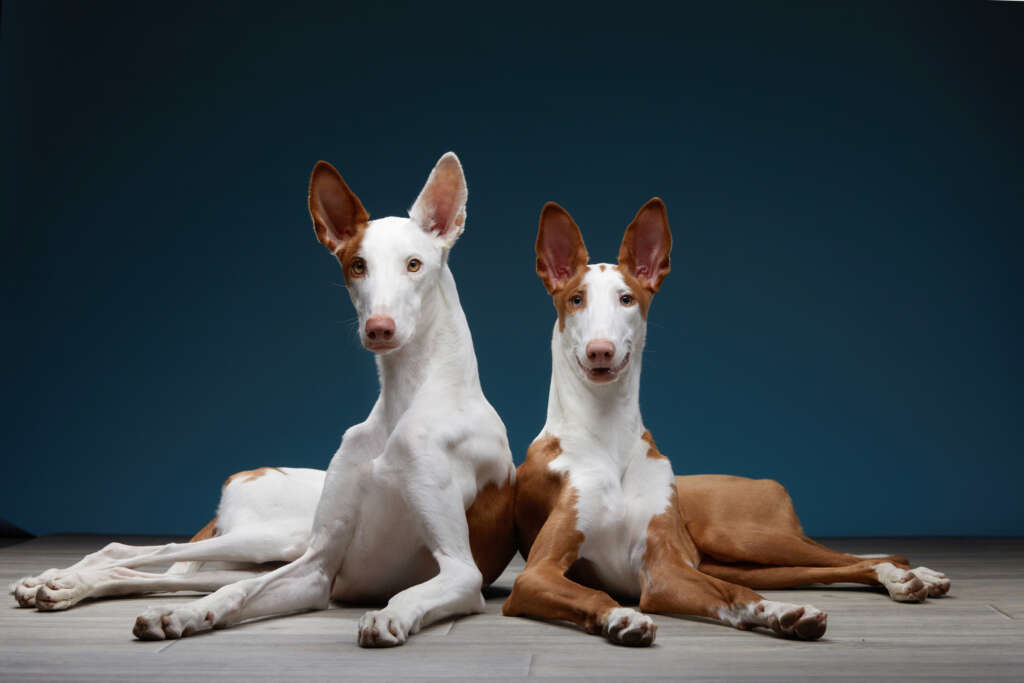
Ibizan hounds have tall, slim bodies, long legs, and big ears that stand straight up and make them look alert at all times. Their heads are narrow, necks are long, and eyes are usually a soft amber color. They have a deep chest that tapers to a narrow waist, giving them a distinctive deer-like silhouette.
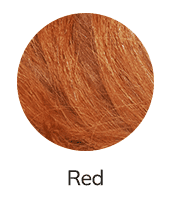
When it comes to color, Ibizan hounds are most often white, red, or a combination of the two. Some are mostly solid in one shade, while others have clear patches or markings. No other colors are recognized in many major breed standards. The nose, eye rims, and paw pads are usually a lighter flesh or tan color that matches their coat shade.

What Size Is an Ibizan Hound?
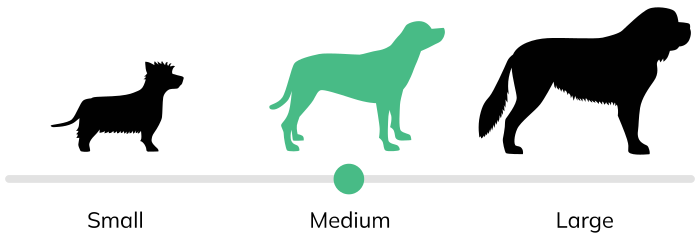
Ibizan hounds are medium to large dogs, though their slender build often makes them appear lighter than they are. Males usually reach 23.5 to 27.5 inches in height and weigh around 50 pounds, while females tend to be 22.5 to 26 inches tall and weigh about 45 pounds.
Some dogs may vary slightly depending on their frame or coat type. Even though they’re fairly tall, their lean, athletic bodies make them easier to handle than many heavier breeds of the same height. It also allows them to sprint, jump, and maneuver easily over rough ground.
What Is an Ibizan Hound’s Coat Type and Length?
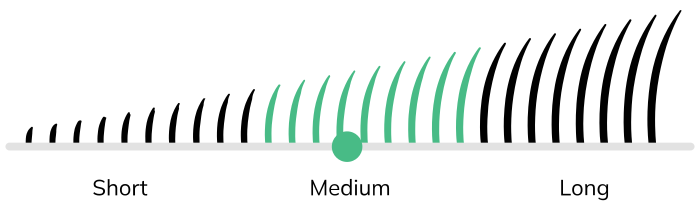
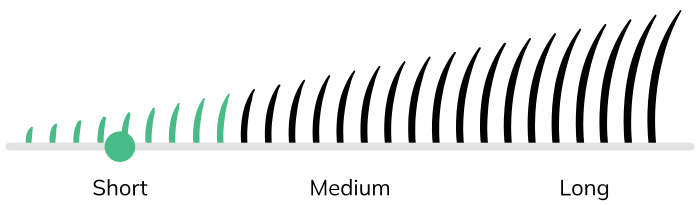
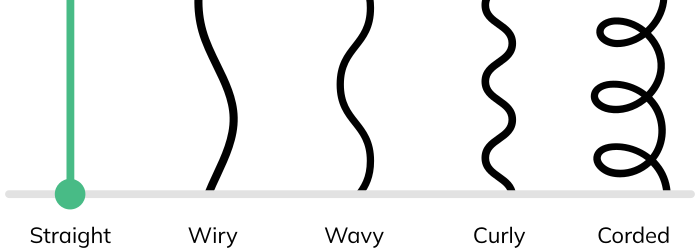
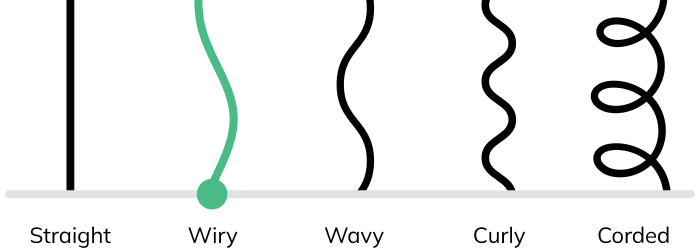
An Ibizan hound can have either a smooth coat or a rough wiry coat. Smooth-coated dogs have hair that’s short, flat, and easy to brush, while wire-coated Ibizans have a slightly longer coat that’s rough in texture and may feature light facial furnishings, such as a light beard, mustache, or bushy eyebrows. While the wire coat still isn’t too long, it has a shaggy feel compared to the smooth variety.
Both coat types are relatively low-maintenance. The hair isn’t long enough to form heavy mats, and it tends to shed dirt quickly once dry. The length is short to medium, clinging close to the body.
The Ibizan’s coat protects them while hunting in thorny, rocky terrain, without being so heavy that they overheat in the Mediterranean climate. This makes these dogs well-suited to warmer weather, provided they have access to shade and fresh water.
What Is an Ibizan Hound’s Temperament?
These dogs are even-tempered, affectionate, loyal, playful, sensitive, and keenly aware of their environment. Many owners say the Ibizan hound’s personality is full of contradictions that add to their unique appeal.
When outdoors, these dogs are focused, driven hunters who can lock onto movement and sprint at impressive speeds. Indoors, they’re usually quiet, sweet, and cat-like, happily curling up on a soft bed once their exercise needs are met.
When meeting new people, Ibizans can be reserved or aloof, especially if someone rushes into their space. However, with proper socialization, they may learn to remain polite and tolerant. These dogs also have a sensitive nature, which is why they prefer calm, consistent households.
Are Ibizan Hounds Good With Kids?
Most Ibizan hounds do well with kids, especially those who are calm, respectful, and old enough to understand boundaries. These dogs love cuddling and playing with children who can match their energy outdoors.
However, since Ibizan hounds can be somewhat delicate and easily startled by loud noises or rough play, they do best in homes where children are taught to be calm and gentle. You should also teach them to leave the dog alone when they are sleeping, eating, or feeling nervous.
Always supervise any interaction between toddlers and an Ibizan hound as an accidental pull on an ear or tail, loud shrieks, or sudden movement could make the dog uncomfortable.
Are Ibizan Hounds Good With Other Animals?
This breed tends to be social and playful with other dogs. Ibizan hounds traditionally hunted in groups, so most are comfortable around other canines and may enjoy having a dog buddy, especially one with a similar play style and energy level.
The bigger concern is their prey drive. Remember, these dogs were bred to hunt small game. Many Ibizans will instinctively chase rabbits, squirrels, other wildlife, outdoor cats, puppies, birds, and small pets like guinea pigs and hamsters. Owing to this, leash walks and fenced play areas are essential safety measures.
Some dogs can learn to live peacefully with indoor cats or small animals, especially if raised together from puppyhood and closely supervised. However, their hunting instinct can never be fully trained out, so you should never leave them alone with small pets.
Are Ibizan Hounds Aggressive?
In general, Ibizan hounds are not considered aggressive. They’re more likely to avoid conflict than start it. Even when meeting new people or animals, they’re more shy, reserved, or cautious than aggressive.
However, as with any dog, poor breeding, lack of socialization, or mishandling can result in problem behaviors, such as fearful snapping, food/toy aggression, over-protectiveness, or territorial behavior. These issues are usually tied to individual circumstances rather than the breed as a whole.
Early socialization and setting clear boundaries goes a long way toward helping your Ibizan hound become confident and well-mannered. Even then, if any concerning behaviors show up, you can always train an aggressive dog to manage their impulses and respond appropriately.
Do Ibizan Hounds Bark?
Most Ibizan hounds are relatively quiet dogs. They don’t bark for attention or out of boredom. However, they’ll speak up if they hear a strange noise or get excited during play. When outside, they may bark more if something catches their eye. Inside the home, though, they’re usually soft-voiced and relaxed.
Their low bark level makes them suitable for apartments or condos. Noise is rarely the issue with this breed. Their energy and tendency to sprint and jump are more important factors to consider when deciding whether to get an Ibizan hound.
Are Ibizan Hounds Affectionate?
These dogs grow very close to the humans who care for them and like to show affection in sweet, subtle ways. This includes soft nudges for attention, cuddles, stretching out at your feet, and leaning into your hand when you pet them.
With new people, Ibizans prefer to observe from a distance before approaching. Once they’ve decided someone is trustworthy, their warm and loving nature quickly reveals itself.
Are Ibizan Hounds Intelligent?
Ibizan hounds are bright, observant dogs that love solving problems. They may rank average in obedience-style intelligence tests, but these measures favor eager-to-please dogs that don’t mind repetitive drills.
Ibizans historically had to make decisions on their own while hunting, so they learned to use their senses and judgment without waiting for instructions. In everyday life, their intelligence shows in the way they learn household routines, figure out how to open doors, make Houdini-like escapes, solve puzzles, and find creative ways to reach a snack.
This makes living with an Ibizan hound extremely fun. The best way to channel their intelligence is to keep their minds busy with training games, puzzle toys, and activities that let them think.
Are Ibizan Hounds Energetic?
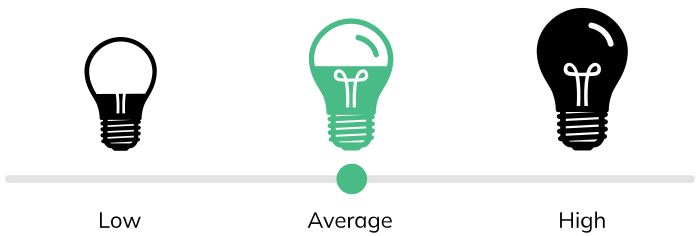
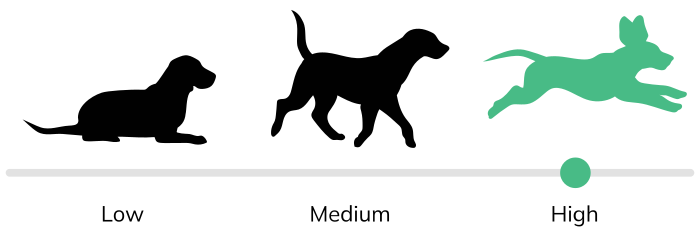
As former hunting hounds, Ibizans are built for speed, endurance, and quick bursts of intense movement. Most dogs need at least one long walk or run each day, along with extra playtime and off-leash sprinting. They need access to a safe space where they can stretch their legs, play fetch, and run with other dogs.
This breed also excels at dog sports like lure coursing, agility, and fast CAT (straight-line sprint racing). These activities help burn off their physical and mental energy. After that, Ibizans settle beautifully indoors and are happy to lounge with their family for hours.
Are Ibizan Hounds Easy to Train?
Ibizan hounds can be easy to train if the training matches their personality. These dogs are intelligent and quick to learn, but they become bored easily if sessions are too long or repetitive.
Short, engaging lessons work best along with lots of praise and treats. Many Ibizans also respond well to hand signals as they have a natural ability to read body language.
In addition to basic obedience, you can teach your Ibizan hound to perform fun tricks, learn directional cues, and practice nose work. These dogs can also learn advanced commands and do well in agility thanks to their speed and athletic build.
Are Ibizan Hounds Good Watchdogs?
Yes, Ibizan hounds can be good watchdogs, though not in the same way as traditional guardian breeds. They quickly notice anything unusual and will give a clear warning bark when someone comes to the door or walks near the property. They’re also super loyal to their family, so you can expect a basic protective instinct.
These dogs will back off after alerting you instead of confronting the intruder. Their imposing height and serious expression may be enough to deter some people, though. This makes them good watchdogs for families who want basic home monitoring without a highly defensive dog.
Are Ibizan Hounds Good Service Dogs?
Ibizan hounds aren’t commonly chosen as service dogs. Their sensitive nature, high prey drive, and independent mindset don’t always match the demand of full-time, task-focused work.
Breeds used for service roles need to be extremely steady, people-driven, and able to ignore distractions in busy environments, which can be challenging for Ibizans.
However, their gentle temperament and strong emotional awareness make them good candidates for emotional support roles, where they can provide comfort and companionship without complex training.
Some Ibizans may also succeed as therapy dogs in hospitals, schools, or nursing homes, especially if they’re well-socialized and confident. Psychiatric service work is possible for certain dogs, but it depends heavily on their personality, consistency, and ability to handle unpredictable settings.
How to Care for an Ibizan Hound?
Your care plan for this breed should include daily exercise that satisfies their instinct to move, jump, and chase. You’ll need a tall, secure fence and strict leash rules, since even the best-trained Ibizan may run after something without warning.
As long as you let them enjoy activities like trail running, hiking, lure coursing, off-leash zoomies, fast chasing drills, and agility jumps, they’ll be happy and satisfied. You’ll also have to give them mental workouts in the form of enrichment toys, trick training, and problem-solving games.
Apart from this, Ibizans crave a stable, loving home where routines are followed and humans treat them with kindness. They want to be near their family and be included in everyday activities, rather than left alone in a yard or kennel for long periods.
Add in regular grooming, nail trims, a nutritious diet, and veterinary care, and your Ibizan hound will have everything they need to live a well-balanced life.
Do You Need to Groom an Ibizan Hound?
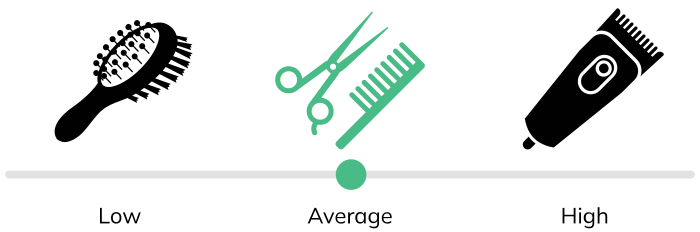
Ibizan hounds are relatively low-maintenance when it comes to grooming. Their smooth or wiry coats only need brushing once or twice a week to remove loose hair and dirt. A simple slicker brush or grooming mitt works well for smooth coats, while wire coats may benefit from a comb to prevent light tangles.
Bathing is needed only occasionally, unless the dog gets dirty from playing in the mud. Professional grooming isn’t required for either coat type, though some owners with wire-coated Ibizans choose light hand-stripping to keep the texture tidy.
Since Ibizan hounds have large ears, you should get them checked and cleaned regularly to prevent wax buildup or infections. Nails should also be trimmed every few weeks to avoid discomfort.
Do Ibizan Hounds Shed?
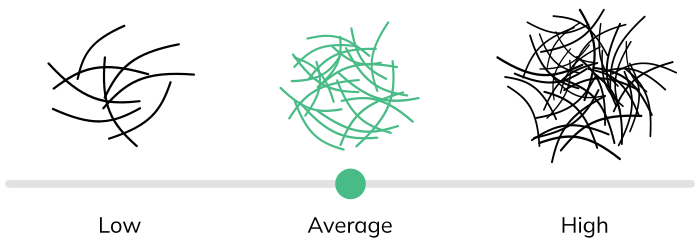
Yes, both the smooth and wire-coated Ibizans shed, but because their coats are short, shedding is usually light and easy to clean up. Weekly brushing helps remove loose hair before it falls around the home.
While they’re pretty easy to maintain, they aren’t hypoallergenic, so people with dog allergies should keep that in mind. You may notice a bit more shedding during seasonal changes, but overall, you can expect less mess than long-haired breeds.
What Health Problems Do Ibizan Hounds Have?
Ibizan hounds are considered relatively healthy, especially for their size, but they can be at risk for a few inherited health issues.
Hip dysplasia, a genetic condition in which the hip joint doesn’t form correctly, may cause discomfort or arthritis as the dog gets older. They’re also prone to some eye conditions, such as Progressive Retinal Atrophy (PRA), cataracts, and retinal dysplasia.
Another condition seen in this breed is autoimmune thyroiditis, which leads to an underactive thyroid and can cause fatigue, weight gain, and coat changes. Some Ibizans may also experience deafness, especially those with solid white coloring, as the trait can be linked to congenital hearing loss.
Their deep, narrow chest also puts them at risk for gastric torsion (bloat), which can happen suddenly and requires emergency veterinary treatment.
You can help prevent these problems by asking your breeder for health clearances on the parents, keeping your dog at a healthy weight, taking them to the vet regularly, feeding smaller meals throughout the day, and avoiding heavy exercise right after eating.
How Long Do Ibizan Hounds Live?
Ibizan hounds usually live for 11-14 years. Their athletic build and strong genes help them remain active well into adulthood.
As with any breed, their longevity depends on several factors. Healthy eating habits, exercise, genetics, and preventive care can help extend the Ibizan hound’s lifespan.
What Should an Ibizan Hound Eat?
High-quality commercial kibble or wet food that meets AAFCO standards provides a good base for daily feeding. Many active Ibizans do well on diets formulated for athletic or high-energy dogs. If your dog has allergies or digestive issues, your vet may recommend a specific formula (such as limited-ingredient or hypoallergenic diets).
You should adjust portion sizes to keep your Ibizan hound lean and fit. Obesity is a known risk in the breed, so be cautious with table scraps and high-calorie treats. Use small treats or low-calorie options like veggie pieces during training sessions.

Is an Ibizan Hound the Right Dog for Me?
An Ibizan hound can be the dream companion for individuals as well as families, but they’re not right for every household. They do best with owners who have time for long walks, safe running spaces, and a basic understanding of positive training.
Keep in mind that Ibizans aren’t low-energy, eager-to-please dogs. If you have small pets that will share the same space, it may not be a suitable match.