Groenendael: Your Complete Guide
The Groenendael is a long-haired, black-coated member of the Belgian shepherd family, admired for its striking appearance, intelligence, and work ethic. These dogs were built to work and move, and that working history is still evident today.
Families who have raised a Groenendael say that these dogs like to stay close, listen attentively, and show emotion through their eyes and body language. This breed is usually chosen by people who want a loyal four-legged companion with advanced working ability.
Before choosing a Groenendael, many people want to know what living with one is really like: Are they calm indoors or always ready to move? Do they get along with kids/small animals? How much grooming does that long coat require? This guide will answer all these questions and more, so you can decide if you have the time, patience, and lifestyle to keep this breed happy.
Table of Contents
Quick Look at the Groenendael
Here’s a quick summary of the Groenendael’s physical traits, temperament, grooming demands, and how long they generally live.
| Weight/Height | Male: 24-26 inches, 55-75 pounds
Female: 22-24 inches, 45-60 pounds |
| Coat Type | Long, straight, double coat |
| Grooming Needs |  |
| Shedding | |
| Temperament | Loyal, sensitive, energetic, protective |
| Good With Kids | |
| Good With Other Animals | |
| Intelligence |  |
| Easy to Train | |
| Energy Level |  |
| Barking Habits | |
| Lifespan | 12-14 years |
What Is the History of Groenendaels?
The Groenendael is one of four varieties of Belgian shepherd, along with the Tervuren, Malinois, and Laekenois. All four share the same basic structure and working heritage but differ in coat type and color. The Groenendael variety is the long-haired, solid-black one.
Belgian shepherds were originally bred as versatile farm and herding dogs in the late 19th and early 20th centuries. They needed to be nimble enough to move sheep and cattle, brave enough to protect the animals and property, and intelligent enough to work independently when required.
The Groenendael’s name comes from a Belgian kennel owned by Nicolas Rose in the village of Groenendael, where these black-coated dogs were selectively bred and popularized. As industrialization reduced the need for traditional herding, Groenendaels transitioned into other working roles.
Their agility, courage, and trainability made them perfect for police work, military roles, wartime messenger duties, and later search-and-rescue and protection sports. Today, they still excel in dog sports like agility, obedience, tracking, and herding trials, while also serving as loyal family companions for active, experienced owners.
What Do Groenendaels Look Like?
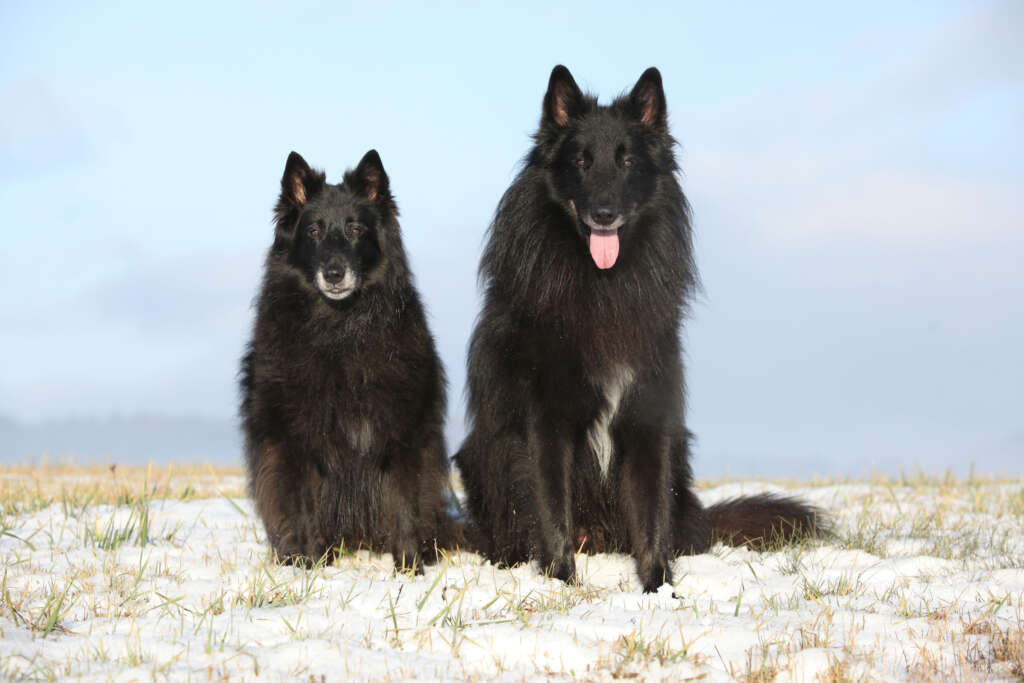
The Groenendael is a muscular dog with a sleek, athletic body. These dogs have a square build, meaning their height and length are roughly equal, giving them a balanced and powerful look.
According to the AKC breed standards, one of their most recognizable features is the long black coat, which forms a mane-like ruff around the neck and feathering on the tail, chest, and legs. The head is long and refined with a straight muzzle, while the pointed, upright ears and dark almond-shaped eyes give them a sharp, alert look.
Although the standard color for the Groenendael is solid black, you may sometimes see dogs with a small white patch on the chest or a few white hairs around the toes. These slight variations are natural and do not take away from the breed’s traditional look.


What Size Is a Groenendael?
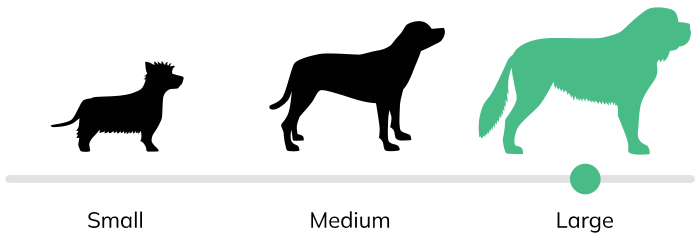
Groenendaels fall into the medium-to-large category. Male dogs are usually 24-26 inches (60-66 cm) in height and weigh about 55-75 pounds (25-34 kg). Females tend to be a little shorter and lighter, averaging 22-24 inches (56-61 cm) tall and 45-65 pounds (20-29 kg).
That said, there will always be some natural variation. Dogs from heavy working lines may be slightly more muscular, while some lines bred heavily for sport might produce lighter, more agile individuals. Regardless of exact weight, a healthy Groenendael should look fit, with a visible waist and ribs that can be felt easily under the coat.
What Is a Groenendael’s Coat Type and Length?
The Groenendael is a long-haired dog with a double-layered coat. The outer coat is smooth and slightly coarse to the touch to shed water and debris easily. The undercoat, on the other hand, is dense and soft to regulate temperature year-round.
It grows longer around the neck and chest, forming a noticeable mane or ruff. You’ll also see feathering along the legs, tail, and sometimes the underside of the belly. This coat protected the breed from wind, rain, and chill while working outdoors in Belgian fields.
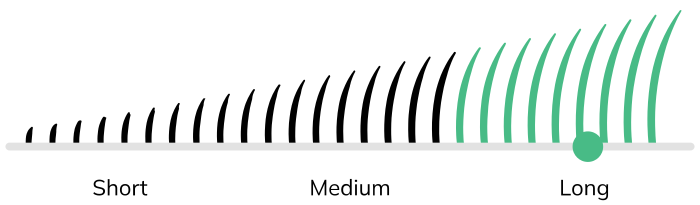
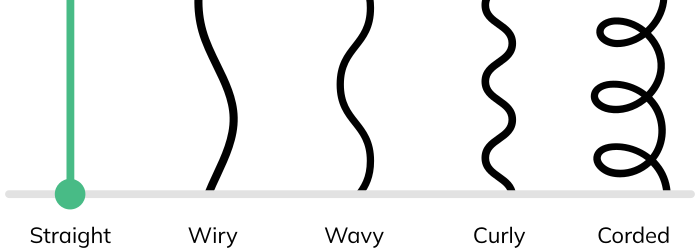
Hair length is generally medium-long, but it’s longer around areas like the chest, tail, and backs of the legs. The coat doesn’t curl or wave in order to maintain a clean look, even when the dog is active.
What Is a Groenendael’s Temperament?
Groenendaels are super loyal and people-focused. They form strong emotional connections with their family and tend to choose one person as their main companion.
They’re also sensitive dogs who read body language well, respond to tone of voice, and notice small changes in their environment. This sensitivity makes them wonderfully intuitive companions, but it also means they do best in a calm, positive home rather than one filled with shouting or chaos. You should avoid harsh handling as it may damage their trust.
This breed has a high drive as centuries of herding work have trained them to move, react, and make quick decisions without hesitation. You’ll have to match their energy with active play and activities that give them a sense of purpose. Once engaged in a task, they’re all in.
In the right home, Groenendaels are loyal, affectionate, and highly enjoyable family dogs. However, if left unstimulated or poorly trained, they may develop anxiety, destructive habits, and excessive vocalization.
Are Groenendaels Good With Kids?
Groenendaels can make excellent family dogs, especially in homes where children understand how to behave around animals. These dogs tend to form close bonds with kids and enjoy joining in backyard games, hikes, and other outdoor activities.
Their natural protective instincts can make them reliable watchdogs around children as they like to stay nearby and pay attention to what’s happening around them.
However, they may be too energetic for very young children. Kids running around may encourage herding behavior, such as circling, nudging, or occasional nipping at the heels. Also, the dog’s enthusiasm and speed can accidentally knock over small children. That’s why it’s important to train your dog not to jump up on people.
Early dog training, supervised playtime, and teaching kids how to handle the dog kindly will help interactions stay positive. Your home environment should also be calm and free of chaos for this sensitive breed.
Are Groenendaels Good With Other Animals?
A properly socialized Groenendael is usually friendly and playful with other dogs. These dogs enjoy having a canine playmate who shares their energy level, but like many herding breeds, they can be selective, particularly toward dominant or pushy dogs of the same sex.
Their relationship with cats varies from dog to dog. Some live peacefully with them, while others may chase if their instincts kick in. Slow introductions, supervision, and positive reinforcement help make the transition smoother.
When it comes to small pets like guinea pigs, rabbits, or hamsters, caution is important. These small animals can trigger a Groenendael’s prey or herding instincts, and accidental harm can happen quickly. Groenendaels also tend to notice movement outdoors, which can lead to chasing birds, squirrels, or wildlife if they’re not trained to resist the urge.
Are Groenendaels Aggressive?
These dogs aren’t naturally aggressive without reason. However, they’re protective and can be wary of strangers. While this makes them excellent guardians, it also means that poor socialization or harsh training can create fear-based or defensive aggression in these dogs.
Anger risks can appear as territorial behavior (barking or posturing at unfamiliar people entering the home or yard), same-sex tension (some Groenendaels may be less tolerant of same-sex dogs), or resource guarding of food or toys.
The best way to keep your dog’s aggression under control and make sure they grow into confident, stable dogs is to raise them in varied environments with different sounds and animals. Aggression is far more likely to show up when a dog is neglected, punished, or never taught to handle new experiences.
Do Groenendaels Bark?
Yes, these dogs bark more than low-energy and laid-back breeds. They were bred to work independently and alert their handlers to anything unusual, so barking is part of the Groenendael personality.
You can expect your Groenendael to bark at strangers approaching the home and at any unusual sounds or movements. They may also bark out of excitement during play/training, or boredom or frustration when left without enough mental stimulation.
The barking makes this breed excellent watchdogs, but they’re not always great for noise-sensitive apartment buildings. We recommend training your dog not to bark to make apartment or close-neighbor living more comfortable for everyone.
Are Groenendaels Affectionate?
Despite their serious working-dog reputation, Groenendaels can be very affectionate with their families. They like to follow their favorite person from room to room, enjoy being close on the couch (even if not on your lap), and may lean against you for comfort and connection.
With strangers, these dogs tend to be reserved or neutral rather than immediately cuddly. They usually warm up once they see someone accepted by their family, but they never behave like overly friendly “everyone is my best friend” dogs.
Are Groenendaels Intelligent?
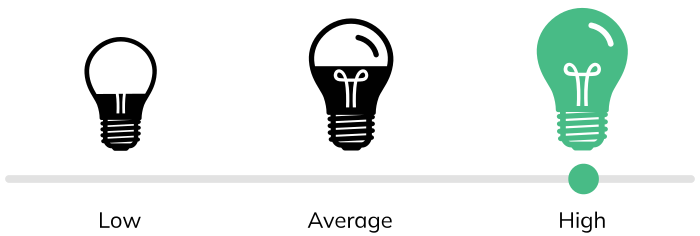
A Groenendael is highly intelligent and ranks among the more trainable herding breeds. Their sharp minds allow them to pick up on routines and understand commands faster than many breeds. They also have a fairly good memory and can anticipate commands.
Thanks to their alertness, they notice subtle cues, such as voice changes or hand signals, which makes training rewarding for both the dog and owner. However, if you don’t keep their brain busy, they won’t hesitate to showcase their creativity in not-so-helpful ways (like inventing their own games involving your furniture or garden).
Are Groenendaels Energetic?
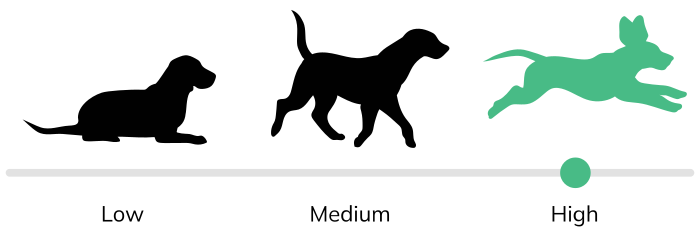
Yes, this is an energetic breed built to work long days. They still carry that stamina today, so a short walk around the block won’t be enough to satisfy them. They enjoy fast-paced play, long hikes, jogs, agility training, and anything that challenges them physically and mentally.
You should plan at least 60-90 minutes of active movement (jogging, hiking, fetch, structured play) and mental enrichment (puzzle feeders, sniffing games, dog sports) every day.
Without enough activity, Groenendaels can become restless, destructive, overly vocal, or anxious. It’s also important to switch up the tasks and environments to prevent boredom.
A well-exercised and mentally satisfied Groenendael will be a calm, relaxed companion at home.
Are Groenendaels Easy to Train?
In experienced hands, Groenendaels are generally very trainable. Their combination of intelligence, focus, and desire to work with their handler makes them excellent candidates for obedience, agility, herding trials, tracking and scent work, protection sports (for suitable, stable individuals with proper guidance), and advanced trick training.
However, keep in mind that their sensitive nature means they don’t respond well to harsh corrections or inconsistent rules. Training should always focus on positive reinforcement and emotional safety. Never lash out or intimidate a Groenendael, as it can break their trust and cause them to shut down or become anxious.
Considering this, Groenendaels are best suited to owners who enjoy training as a regular part of life, not just something done in an introductory puppy class and then forgotten.
Are Groenendaels Good Watchdogs?
The Groenendael’s working background gives them many traits that make them strong watchdogs. They’re naturally alert, tuned in to their environment, and quick to notice anything unusual. Most will bark to warn their family of strangers approaching or odd noises around the home.
Groenendaels can also be used as protection dogs, but this should only be done with careful selection, professional guidance, and responsible training, as it involves channeling their natural protective instincts in a safe, controlled way. For most families, their natural watchfulness is more than enough.
Are Groenendaels Good Service Dogs?
The Groenendael’s intelligence and loyalty make them a strong candidate for service roles, particularly in situations that require quick learning, problem-solving, and emotional intuition. They can be trained to perform complex mobility-assistance tasks, respond to anxiety or panic episodes, and provide grounding or tactile support to someone struggling emotionally.
Their attentive nature also suits therapy work in hospitals, assisted living facilities, and schools, where calm contact and emotional sensitivity are invaluable.
That said, not every Groenendael is suited for full public-access service training. Their energy level requires daily outlets, and they may not handle pressure or unpredictability very well. For your dog to grow into a confident service or emotional support animal, you need to train them patiently and desensitize them to new settings at a comfortable pace.
How to Care for a Groenendael?
A Groenendael does best in a home that provides daily movement, purpose, and attention. Unlike low-maintenance dogs, this breed needs an active lifestyle filled with walks, training sessions, and opportunities to use their intelligence.
We recommend hiking, running, and practicing training commands in an open area with your Groenendael. Mental engagement is just as important, so use puzzle toys, obedience practice, and scent games to keep their mind active.
Grooming is also part of routine care, since the Groenendael’s coat needs to be brushed several times a week to prevent tangles and manage shedding. You’ll also want to check their nails, teeth, and ears regularly.
Do You Need to Groom a Groenendael?
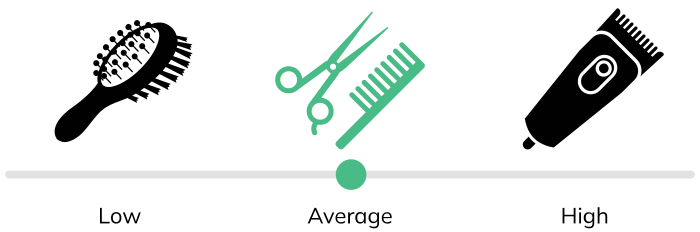
Yes, Groenendaels require regular grooming to keep their long coat healthy. Brushing two to three times a week is usually enough to remove loose hair and prevent mats from forming in areas like the chest and hind legs. However, you may need to increase grooming during coat blow-out season when loose fur can be too much.
While professional grooming isn’t always necessary, many owners plan occasional salon visits to manage heavy shedding and keep the coat in top condition.
Bathing should be done as needed (or once every 1-3 months), and the coat should be thoroughly dried afterward to keep the underlayer from trapping moisture. Apart from this, nail trims (every 3-4 weeks), regular ear cleaning, and brushing teeth several times a week will help maintain overall hygiene and keep health issues at bay.
Do Groenendaels Shed?

Yes, they do. Their double coat sheds throughout the year, with shedding especially heavy in spring and fall. While regular brushing helps manage the fur, you should still expect hair on furniture, clothes, and floors.
Groenendaels are not hypoallergenic, so they’re not suitable for households with allergies. With consistent grooming and a quality diet, you can keep their shedding under control, but it will always be a part of life with this breed.
What Health Problems Do Groenendaels Have?
All dog breeds can be prone to certain health issues. For Groenendaels, hip and elbow dysplasia are common, which can affect joint development and potentially lead to discomfort or arthritis later in life.
Eye problems, such as progressive retinal atrophy (PRA), may also appear in some bloodlines, potentially leading to vision loss over time. Thyroid issues and epilepsy have been reported in the breed as well. Some Groenendaels may also struggle with dietary intolerances, reacting to certain proteins or ingredients with itching, stomach upset, or recurring skin irritation.
Responsible breeders test their dogs and work to reduce the risk of these problems. This means choosing the right breeder is one of the most important decisions you’ll make. After that, care becomes your responsibility. It involves keeping your Groenendael at a healthy weight to protect their joints, providing regular exercise and a balanced diet, and scheduling routine vet checkups.
How Long Do Groenendaels Live?
A healthy Groenendael’s lifespan is usually 12 to 14 years, which is good for a medium-to-large working breed. Some dogs may live longer when bred well and properly cared for.
Genetics, diet, exercise, and preventive healthcare all play a role. Keeping your dog lean, active, mentally stimulated, and up-to-date on vet care can help maximize both the length and quality of their life.
What Should a Groenendael Eat?
Since Groenendaels burn a lot of energy, they benefit from a diet centered on real animal protein to maintain muscle tone, along with whole grains or vegetables for steady energy. Foods with added omega-3s, glucosamine, or chondroitin are also recommended for active breeds as they improve joint health.
Most healthy, moderately active dogs do well on two measured meals per day, with total daily portions depending on their size, age, and activity level. This is usually between 2½ and 4 cups of food. Make sure fresh water is always available, and introduce any new food gradually to avoid stomach upset.
Is a Groenendael the Right Dog for Me?
If you’re looking for a low-energy, independent couch dog, a Groenendael is likely not a good match. However, if you want a devoted, athletic, and brilliant companion who will happily join you in almost every aspect of your life (and you’re ready to meet their exercise, training, and emotional needs), this beautiful Belgian shepherd variety may be exactly what you’ve been searching for.