Greenland Dog: Your Complete Guide
The Greenland dog is one of the world’s oldest and hardiest breeds. This is a big, powerful spitz-type dog with a thick, plush coat, a wedge-shaped head, and a curled tail. These dogs were bred to pull heavy sleds for miles across the vast ice and snow of the Arctic and assist in hunting. This demanding work shaped them into dogs of immense strength, incredible endurance, and a calm, cooperative spirit.
Greenland dogs have a good-natured and highly pack-oriented temperament. This makes them devoted family companions and generally social with other dogs. However, they do have a strong independent streak and prey drive that requires clear guidance.
Given their traits, Greenland dogs are not a casual choice. Their needs are substantial and specific. This guide will answer some of your biggest questions about what it takes to live with one. We’ll cover the Greenland dog’s personality, their intense exercise needs, health considerations, and more to help you provide this historic sled dog an active, purpose-filled life.
Table of Contents
Quick Look at the Greenland Dog
The table below outlines the Greenland dog’s size, grooming requirements, and core personality traits.
| Weight/Height | 60-105 pounds / 20-27 inches |
| Coat Type | Dense, coarse, double-coated |
| Grooming Needs |  |
| Shedding | |
| Temperament | Bold, energetic, loyal, independent |
| Good With Kids | |
| Good With Other Animals | |
| Intelligence | |
| Easy to Train |  |
| Energy Level |  |
| Barking Habits |  |
| Lifespan | 10-14 years |
What Is the History of Greenland Dogs?
The Greenland dog has a history spanning over 4,000 years. The modern breed was established around 1,000 years ago by the Thule people, who brought these powerful dogs to Greenland as essential partners for survival.
Greenland dogs were used to pull the heavy sleds that transported people, food, and supplies across the frozen expanse. They also assisted in hunting seals and other game. This daily, demanding work over centuries forged the breed’s most defining features. They developed immense strength, a dense double coat, and legendary stamina. Without them, surviving life in the Arctic would have been nearly impossible.
These dogs worked in complete isolation for centuries in Greenland. They were never selectively bred for appearance nor crossed with other breeds for specific traits. That’s why the Greenland dog is considered one of the most ancient and genetically pure breeds in the world.
They gained worldwide fame when explorer Roald Amundsen used them for his South Pole expedition. In 1911, his team of Greenland dogs helped him become the first person to reach the Pole, proving their status as the ultimate survival sled dogs.
What Do Greenland Dogs Look Like?

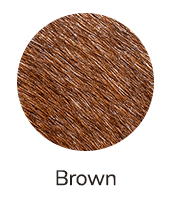


A Greenland dog is built for the ice. These large, powerfully built spitz-type dogs have a broad head, triangular ears, and a bushy tail curled over the back. Their most striking feature is a dense double coat, which gives them a thick, rugged appearance.
Greenland dogs can be almost any color or combination. Common solid colors include black, white, fawn, and various shades of brown, from light biscuit to dark liver. They are often seen with piebald (irregular patches) or blanket patterns. The only colors not accepted in the breed standard are merle and albino.
What Size Is a Greenland Dog?
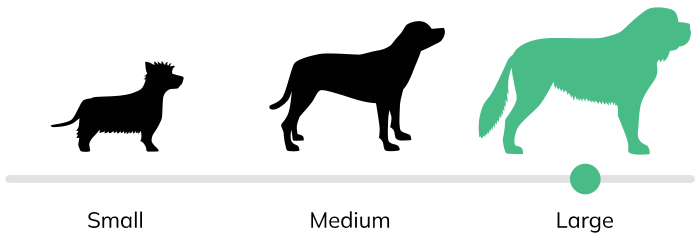
Greenland dogs are large, strong-built dogs. On average, they stand 22 to 25 inches tall at the shoulder. That’s roughly the height of a medium-sized coffee table.
This breed is also heavy-boned and muscular. A male Greenland dog generally weighs between 66 and 105 pounds. Females are more petite in frame and less massive overall.
What Is a Greenland Dog’s Coat Type and Length?
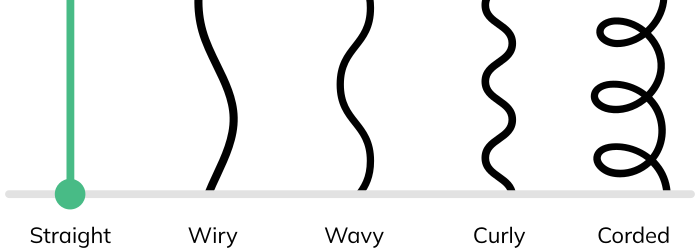
Like all Arctic breeds, the Greenland dog has a double coat designed for extreme insulation. The outer layer consists of coarse, straight guard hairs that repel wind, snow, and moisture. Beneath that sits a dense, woolly undercoat that traps body heat close to the skin. Altogether, this creates a thick, protective barrier that keeps them warm in sub-zero temperatures and allows them to work comfortably in deep snow.
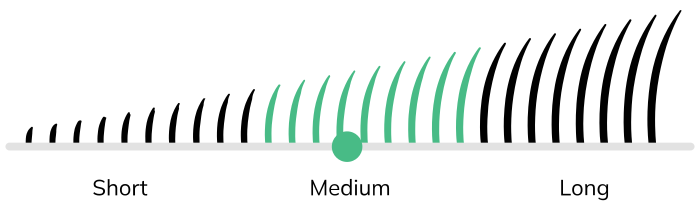
The coat is medium in length but noticeably longer around the neck. This longer hair forms a thick ruff that helps protect the throat and chest from cold winds and blowing snow. These dogs also have feathered hair along the tail and the backs of the legs to keep themselves insulated and protected in harsh Arctic conditions.
What Is a Greenland Dog’s Temperament?
Greenland dogs are deeply pack-oriented animals with a temperament shaped by centuries of Arctic work. They are hardy, resilient, loyal, and cooperative within their team, but this strong instinct doesn’t automatically extend to obedience with humans. They need a confident and consistent owner who can establish themselves as the calm leader of the pack and provide clear guidance.
Their working heritage also demands a major physical outlet. Without regular exercise and mental stimulation, they can become bored, restless, or even destructive. Other than that, they are generally friendly, tolerant, and good-natured dogs. All these traits make them better suited for experienced owners than for first-time dog homes.
Are Greenland Dogs Good With Kids?
Greenland dogs can be wonderful, loyal companions for children. When they fully accept your household as their pack, they often show a patient, gentle, and protective side.
These dogs love to play and can be great, energetic companions for active children. However, their high energy and physical play can be overwhelming for very young children. Their idea of fun involves robust, push-and-shove play that mirrors their sled-pulling work. This might be too rough for a small child and could lead to accidental knocks or bumps.
For this reason, they are best for older children who can handle their strength and who understand how to engage in calm, controlled play.
Are Greenland Dogs Good With Other Animals?
Greenland dogs have worked as pack sled dogs for centuries. This makes them naturally social and cooperative with other canines. They often do best in homes with another well-matched dog, where they can enjoy a team dynamic.
However, their strong pack bond is strictly reserved for other animals. They have an intense and instinctive prey drive. This makes them completely unsafe around cats, rabbits, or any small household pets. They might even get triggered to chase wildlife, joggers, or bikes outside.
If you want them to behave outdoors, start training them off-leash in a completely secure, fenced area from a young age. This will teach them to prioritize your command over their impulse to chase, build focus, and learn boundaries.
Are Greenland Dogs Aggressive?
These dogs aren’t wired for aggression toward humans. They are steady, patient, and good-natured with their family. However, they do have a strong mind of their own.
You might see behaviors such as food guarding or a stiff attitude toward unfamiliar dogs. These potential behaviors are manageable with an experienced owner who provides firm, fair leadership and proper socialization from the start.
Do Greenland Dogs Bark?
Greenland dogs are thoughtful and reserved when it comes to vocalizing. They don’t bark without reason, but that doesn’t mean they are silent. These dogs are known for their soulful, resonant howl. It’s a deep, carrying sound that was useful for communicating across the frozen expanses of the Arctic.
This vocal trait makes them a poor choice for apartments or homes with noise restrictions. They will howl in response to common triggers like sirens, other dogs, or even boredom. While not constant, their howl is too loud and primal to ignore.
Are Greenland Dogs Affectionate?
If you’re hoping for a dog that showers you with slobbery kisses and demands to be in your lap, you’re looking at the wrong breed. A Greenland dog shows its heart in quieter, more independent ways. They might lean against your leg or rest nearby. They also express affection through loyalty and shared activity.
However, you won’t see them wagging eagerly for attention from someone new. They keep a calm distance and watch closely. This careful approach is not shyness, but a thoughtful assessment, as if to say, “I see you, but I don’t trust you yet.”
Are Greenland dogs Intelligent?

Greenland dogs have a rugged, working intelligence. They were historically tasked with pulling sleds over immense, frozen landscapes for miles on end with little human direction. These dogs not only navigated by instinct but also conserved energy, assessed ice safety, and made split-second decisions for the entire team’s welfare.
This legacy is clear in their temperament today. They are highly observant, quick to learn practical tasks, and curious about their environment. Their intelligence is less about performing for praise and more about understanding how things work.
Are Greenland Dogs Energetic?
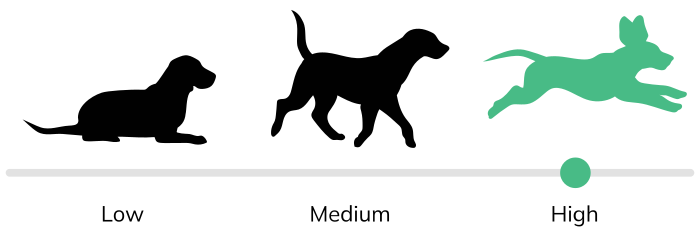
Yes, Greenland dogs have boundless energy and immense stamina. This is not a breed that you can just take on a walk around the neighborhood and expect to be satisfied. They require a significant, purposeful outlet for their energy every single day. This means hours of vigorous activity, such as running, hiking over varied terrain, or performing traditional tasks like pulling a sled or a weighted cart.
Without this level of exertion, their pent-up energy will quickly turn into problematic behaviors like destructive chewing, excessive howling, or digging. People who prefer a relaxed pace or have limited time for daily, intensive exercise are not a good match for this breed.
Are Greenland Dogs Easy to Train?
Greenland dogs are very different from eager-to-please breeds. They think for themselves and have their own ideas about how things should be done. This makes them a challenge to train.
Due to their independent nature, they do not respond to standard, repetitive obedience training. They will ignore commands they see as pointless. To train them, you need to provide activities that engage their minds and bodies to keep them interested, such as pulling a sled, carrying a pack on a hike, or practicing scent work.
Use positive reinforcement like praise, play, or treats to reward their effort. This method builds a cooperative partnership and taps into their instinct to work as a team. They’ll happily follow your lead when they see you as a partner directing them toward a rewarding task.
Are Greenland Dogs Good Watchdogs?
Greenland dogs have the physical traits of a watchdog, including a large, imposing build and a deep, impressive bark. However, they lack the essential temperament for the role. They are not instinctively suspicious or protective.
They were bred for cooperative work in a team, where trust and coordination were essential. This makes them alert and observant, but not defensive. When a stranger approaches, they are more likely to watch with calm interest or bark one time before returning to their business. This makes them an unreliable choice for a watchdog.
Are Greenland Dogs Good Service Dogs?
Greenland dogs are not well-suited for formal service dog work. These dogs were bred to think and act independently in harsh conditions, not to maintain constant focus on a handler’s subtle cues in crowded or stimulating environments. This makes them unreliable for critical tasks such as guiding, medical alert, or providing psychiatric intervention in public.
However, they may be suitable as an at-home emotional support animal for an active individual. They can accompany their owner on hikes, runs, or other outdoor activities. Even in this limited role, they require extensive and consistent training to manage their strong will, high energy, and prey drive around other people and animals.
How to Care for a Greenland Dog?
A Greenland dog was built for hard work and needs a lot of exercise and outdoor playtime. If they don’t get this, they get bored and frustrated and might develop destructive habits like chewing, digging, or constant howling.
Besides all that exercise, focus on their thick coat and diet. Brush them weekly to prevent mats and be ready for heavy shedding each season. Feed them high-quality, calorie-rich food to fuel their energy.
Above all, they need an owner who can be a calm and consistent leader. These dogs respect clear rules and a confident handler. For the right active person, this routine builds an unmatched bond with a fiercely loyal companion.
Do You Need to Groom a Greenland Dog?

Yes, grooming a Greenland dog is a must. Their thick, double-layered coat is beautiful but high-maintenance. You’ll need to brush them thoroughly at least once a week to keep them healthy and prevent painful mats. They require intense grooming during coat blow season, which happens twice a year. A professional groomer can be a big help during those heavy-shedding periods.
Other than that, these dogs don’t need fancy haircuts or frequent baths. Just occasional washes when they get dirty, and regular nail trims are enough to keep them clean and comfortable.
Do Greenland Dogs Shed?

Yes, Greenland dogs shed heavily. You can expect a steady amount of hair around your house all year long. The real shedding happens twice a year when they blow coats. This is a major seasonal event during which they shed their dense undercoat all at once.
Their shedding produces plenty of dander, which is a common allergen. If allergies are a concern in your household, this breed is not a good choice for your family.
What Health Problems Do Greenland Dogs Have?
The most significant concern is hip dysplasia, a malformation of the hip joint that can cause arthritis and mobility issues. Elbow dysplasia is a similar orthopedic condition that can also affect this breed. Both can be managed with weight control, proper nutrition, and avoiding excessive strain during growth.
Other potential health issues include inherited eye disorders like progressive retinal atrophy (PRA), which leads to gradual blindness, and cataracts. They can also be susceptible to gastric dilatation-volvulus (bloat), a life-threatening stomach condition. Regular veterinary exams, proper diet, and preventative care can help mitigate these risks and give your pup the best chance for a long, active life.
How Long Do Greenland Dogs Live?
A well-cared-for Greenland dog usually lives between 12 and 14 years. This is a pretty good lifespan for a dog of their size. This longevity isn’t due to good food and exercise alone.
Their overall health heavily depends on healthy lineage, consistent veterinary care, and a purposeful lifestyle. Such dogs often reach the upper end of their life expectancy and enjoy a high quality of life in their later years.
What Should a Greenland Dog Eat?
You can’t just feed a Greenland dog the same food as a regular house dog. They need a lot of high-quality calories to keep up their energy. Look for a large-breed or active dog formula where meat is the first ingredient. The amount you feed will change with the seasons. They need more in the winter if they’re working outside and a little less in the summer.
It’s important to feed them two to three smaller meals a day rather than a single large one. Big dogs like them can get a scary stomach problem called bloat if they eat too much at once. Also, don’t let them run or play hard right after they eat.
Is a Greenland Dog the Right Dog for Me?
A Greenland dog can be the best dog you’ll ever own, or the most difficult. There is no middle ground. This dog will fit perfectly into your life if you are an active, experienced owner who spends hours outdoors every day and can provide clear, confident leadership.
This dog is a terrible match if you live in a city or a suburb, have a busy indoor job, or want a laid-back family pet. Their boundless energy, intense shedding, and independent nature require a lifestyle built around their needs.
Ask yourself honestly if you can meet the demands of this ancient, powerful working breed every single day for at least the next 12 years. If the answer is yes, get ready for an adventurous life with a loving, tireless companion.