Goldador: Your Complete Guide
The goldador is a mix between two of the most popular breeds: the Labrador retriever and the golden retriever. The result is a lovable, affectionate, and energy-packed companion who will warm up your heart in no time.
While a relatively new breed, goldadors have quickly found themselves as one of the most popular mixed breeds in the US. They can suit many homes and living situations, as long as their high exercise needs are accounted for.
However, there’s plenty more to consider if you’re looking to adopt this lively pup. To help you decide if the goldador is your perfect match, we’ll cover everything you need to know about them below. You’ll learn about the goldador’s personality, care needs, history, and more.
Quick Look at the Goldador
Below is a quick glance at this special breed in terms of their physical characteristics, lifespan, temperament, and grooming needs.
| Weight/Height | 21.5 to 24.5 inches tall, weighing between 55 and 80 pounds |
| Coat Type | Short-to-medium double coat, straight or slightly wavy in texture |
| Grooming Needs |  |
| Shedding |  |
| Temperament | Friendly, affectionate, loyal, playful, and tolerant |
| Good With Kids | |
| Good With Other Animals | |
| Intelligence | |
| Easy to Train | |
| Energy Level | |
| Barking Habits | |
| Lifespan | 10 to 12 years |
What Is the History of Goldadors?
The goldador has likely existed for several years. However, their deliberate breeding is thought to have first begun in the late 20th century, when designer breeds first surged in popularity. Breeders were likely looking to produce a dog who retained the work drive of the Lab, but had the more family-oriented, tolerable temperament of the golden retriever. We can understand more about the goldador by delving into the history of their parent breeds.
The Labrador retriever’s roots can be traced back to the St. John’s water dog, a breed of dog who was a common companion of fishermen in Newfoundland. St. John’s water dogs excelled at swimming, and were selectively bred to help haul in nets and retrieve fish from the water. They were also often used as duck retrieval dogs.
Their remarkable talents soon caught the eye of English nobles, who realized their potential as all-round hunting dogs. They eventually found their way to England and were further selectively bred for this very purpose, leading to a whole new breed: the Labrador retriever. The Labrador retriever was officially recognized by the American Kennel Club (AKC) in 1917.
In comparison, the golden retriever is a gun dog who first emerged in 19th century Scotland. The breed’s development is largely attributed to Scottish politician Sir Dudley Marjoribanks, who selectively bred water spaniel dogs and wavy-coated spaniels together in an effort to create the perfect gun dog.
The AKC recognized the golden retriever as an official breed in 1925, and while they had a slow start, their popularity soon skyrocketed, both as a resilient working dog and family pet.
Today, both the Labrador retriever and golden retriever are widely considered to be among the most popular breeds in the world. As per the AKC’s official ranking, the Labrador retriever is the 2nd most popular breed in the US, followed closely by the golden retriever who proudly holds the 3rd spot.
What Do Goldadors Look Like?
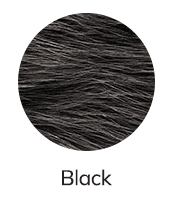
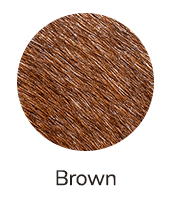

Like all mixed breeds, there isn’t an official breed standard for the goldador and their appearance can differ greatly. Some may resemble their Labrador retriever parent more strongly than others, for instance, while some may have a balanced mix of traits from both parent breeds.
Still, the golden retriever and Labrador retriever do have some shared physical traits. You can expect the goldador to have these traits too. The goldador is typically a medium-to-large dog with an athletic, well-muscled build and broad skull. They also have a welcoming, warm expression and a tail that never seems to stop wagging, all qualities that convey their amiable personality.
The goldador can either inherit the Lab’s short, straight coat or the golden retriever’s thicker, medium-length coat. Possible coat colors seen in the goldador include golden, black, chocolate, and yellow.
What Size Is a Goldador?
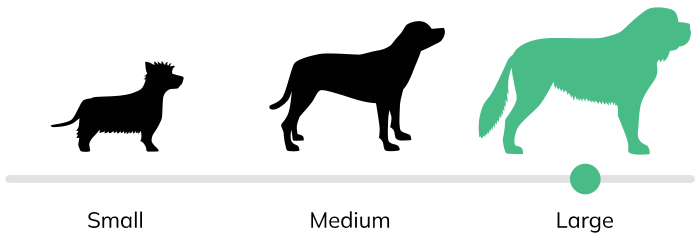
The goldador is a medium-to-large dog who stands 21.5 to 24.5 inches tall at the withers and weighs anywhere between 55 and 80 pounds. Males are usually larger than females, reaching 23 to 24.5 inches on average and weighing on the higher end of the scale (above 65 pounds).
Goldadors who inherit more traits from their Labrador retriever side may be slightly larger than those with predominantly golden traits. However, the best indicator of their adult size is their parents; you can expect the golden retriever to reach a similar size.
What Is a Goldador’s Coat Type and Length?
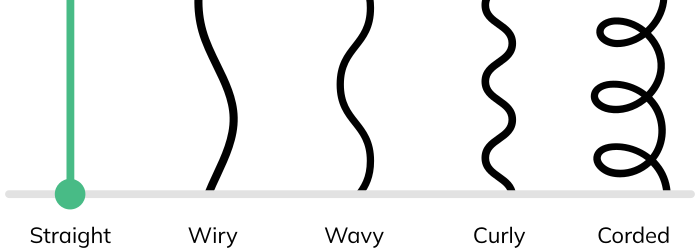
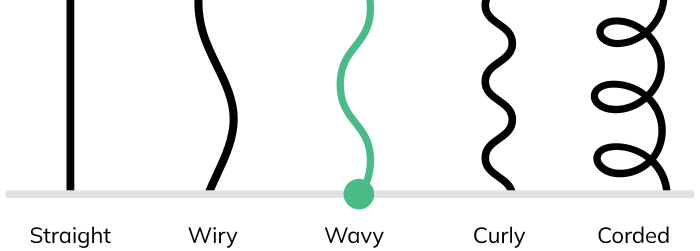
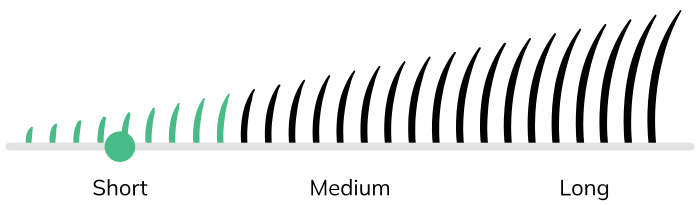
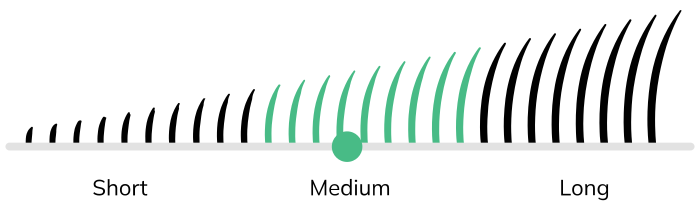
The goldador can either inherit the Lab’s coat — meaning they’ll have short, straight fur — or the golden retriever’s coat, which is moderately long and straight or wavy in texture. Both coat types are double-layered and offer protection from the elements. They also naturally repel water.
What Is a Goldador’s Temperament?
The goldador is generally an outgoing, loyal, and amiable companion who quickly forms friends with practically anyone (and everypup). They are also fairly easy-going and adaptable. However, don’t let this mislead you into thinking they’re a couch potato. They are incredibly energetic and playful, and need hours of vigorous exercise to thrive.
Their exact temperament will depend on their upbringing and the traits they inherit from their parents. Golden retrievers are friendly, reliable, and trustworthy, according to the official AKC breed standard, while Labrador retrievers are outgoing, kind, and eager to please.
If your goldador is more akin to the Labrador, be mindful that they tend to be more work-focused and benefit from being given a job. The golden retriever, in comparison, is often more fun-loving and will appreciate plenty of playtime.
Are Goldadors Good With Kids?
Both the Labrador retriever and the golden retriever are famous for being phenomenal family dogs, so it’s no surprise that the goldador has the same reputation.
The goldador is exceptionally gentle and affectionate with all people they encounter, and they have a particularly soft spot for children. They’ll go to great lengths to help kids feel loved. They’re also more tolerant of things that other breeds may struggle with (think boisterous play or excitable giggles).
While goldadors are well-suited to children, it’s still crucial to closely supervise their interactions together. Goldadors are robust and energetic dogs who can easily become overly excited during play. This can cause them to bump into young children and accidentally knock them over. Children should also be taught how to handle them with respect and use commands like “stay,” “sit,” and “drop it.”
Are Goldadors Good With Other Animals?
While some breeds are vigilant and standoffish around other dogs, the goldador is the exact opposite! They’re incredibly outgoing and will be the first to make friends at the local dog park. They can get along well with any breed, though they’re best paired with dogs who can match their enthusiasm for boisterous play.
The goldador can also live happily with other pets like cats. While some goldadors do have a prey drive as a result of their lineage as working dogs, this can usually be easily managed with socialization and training.
Are Goldadors Aggressive?
The goldador is famously patient and gentle. They rarely ever exhibit aggressive behaviors like biting or growling, and if they do, this is often the result of poor socialization, a lack of training, or an underlying health concern.
Even if aggressive behaviors do crop up, the goldador is highly trainable and can quickly learn healthier ways to express their needs.
Do Goldadors Bark?
While some dogs bark at every passer-by they spot out the window, your ears (and your neighbor’s) will be pleased to hear that this isn’t the case for the goldador. They’re relatively quiet and typically only bark to alert or when they’re excited during play.
The goldador isn’t likely to bother your neighbors, though we still wouldn’t recommend them for apartment dwellers. They are energetic and ideally need access to a backyard and plenty of space to thrive.
Are Goldadors Affectionate?
Yes, the goldador is extremely affectionate! While they’re perhaps a little too oversized to be considered a lap dog, they’ll certainly do their best to “disprove” this every chance they can. They’ll often snuggle up next to their favorite human on the couch, endearingly nudge them, and lovingly bombard them with licks and tail wags.
The goldador is also friendly with everyone they meet, making them well-suited to people who appreciate a social butterfly rather than a vigilant watchdog.
Are Goldadors Intelligent?
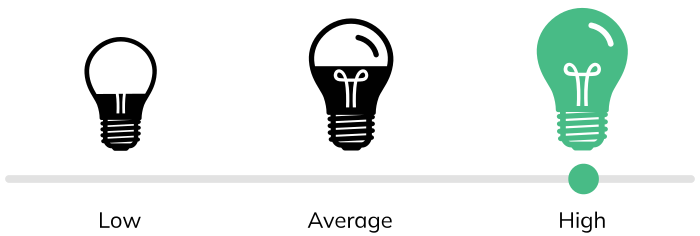
The goldador is essentially Sherlock Holmes in disguise (or perhaps we should say Sherlock Paws!). They’re one of the most intelligent dogs out there, and they’ll quickly show you this with their knack for training, alert eye, and natural curiosity of the world around them. They can also easily adapt to their owner’s routine.
Are Goldadors Energetic?
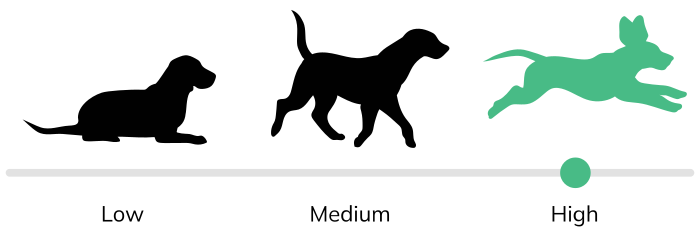
The goldador is known to have a high energy level. Some goldadors may be more laidback than others, particularly those that are more akin to their golden retriever parent. However, you should still expect them to require at least an hour of daily exercise.
This exercise should be spread out across the day and also engage both their muscles and mind. This means you’ll want to opt for long walks, hikes, and runs over mundane strolls around the block. If your goldador inherits the Lab’s natural affinity for water, be sure to give them opportunities to swim too.
Alongside this, the goldador will need plenty of mentally-enriching play. Games that tap into their retrieval instincts, like fetch, are sure to be appreciated.
Are Goldadors Easy to Train?
If you’re looking for a dog who will bring home medals in obedience, then the goldador is likely a great match. They’re widely considered to be one of the easiest breeds to train in the world — they’re often recommended to first-time owners because of how trainable they are! They can pick up both simple and advanced commands quickly, and can stay focused even during lengthy training sessions.
The goldador doesn’t just owe their high trainability to their intelligence; they’re work-driven, perceptive, and extremely motivated by pleasing their loved ones. They’re also athletic and can excel in a variety of dog sports, including agility and flyball.
Are Goldadors Good Watchdogs?
The goldador is highly perceptive of their surroundings and does bark to alert from time to time. However, they aren’t the best watchdog. They’re exceptionally friendly and sociable with everyone they meet, and that attitude extends to unfamiliar people.
While the goldador is athletically built, their appearance won’t exactly deter intruders either. The goldador is famous for their sociable, affectionate temperament, even among people who don’t own pets, which means intruders aren’t likely to feel threatened by them.
Are Goldadors Good Service Dogs?
A goldador can certainly be a fantastic choice if you’re hoping to use them for service work and not just companionship. They’re work-driven, smart enough to learn any service task, and have the physical capabilities to carry out strenuous tasks like wheelchair pushing. They are also sociable and adaptable, meaning they’ll have no problem navigating busy, public spaces with you.
The goldador can also make an excellent emotional support animal or therapy dog due to their affectionate nature. They can be a particularly good fit for those with anxiety disorders, as they offer a calm, reassuring, and loving presence.
How to Care for a Goldador?
Goldadors are easygoing in terms of their temperament and training, though that doesn’t mean they aren’t demanding dogs. They are energetic and need a lot of exercise each day, as well as plenty of mental stimulation to prevent boredom.
On top of this, you will also need to provide your goldador a high-quality diet, maintain their coat, and take them to a vet regularly to ensure they stay in good health. We’ll provide a detailed overview of these care responsibilities below.
Do You Need to Groom a Goldador?
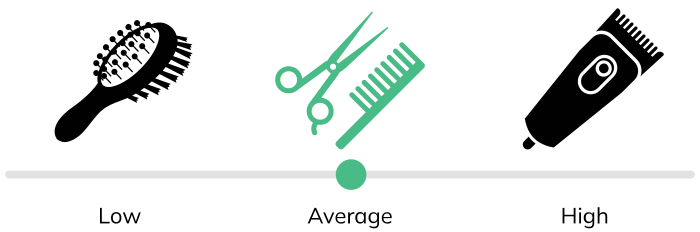
The goldador has moderate grooming needs. While their coat won’t require as much attention as certain breeds (looking at you, poodle), they will still need a thorough brush at least twice a week to keep their fur looking its best. Some goldadors may require more frequent brushing, particularly if they inherit the golden retriever’s long, well-feathered coat.
Other than coat care, you should give the goldador a bath every six weeks, keep their nails trimmed, and clean their teeth daily. Goldadors tend to be susceptible to ear infections, so regular ear cleaning is also essential.
Use a dog-friendly ear-cleaning solution and wipe their ears gently with a cotton pad. Do not use a cotton swab, as this can cause irritation and lead to debris being pushed deeper into the ear canal.
Do Goldadors Shed?
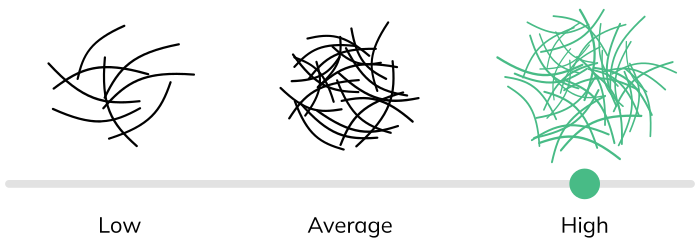
Unfortunately for your clothes and carpets, the goldador is a notoriously heavy shedder, and this remains the case no matter which coat type they inherit. They shed regularly throughout the year, with periods of intense shedding when they blow out their coat to prepare for the changing seasons.
If you’re sensitive to fur, the goldador likely isn’t the best pup for you. Instead, you may want to consider a hypoallergenic breed, such as the Maltese or shih tzu.
What Health Problems Do Goldadors Have?
Not much is known about the overall health of the goldador, as they are a relatively new designer breed. However, you should expect them to be prone to the same health issues that are seen in the golden retriever and Labrador retriever. This includes health conditions such as:
- Hip dysplasia
- Progressive retinal atrophy (PRA)
- Hypothyroidism
- Bloat or gastric dilatation volvulus (GDV)
- Ear infections
- Tricuspid valve dysplasia
- Exercise-induced collapse (EIC)
- Hemangiosarcoma (cancer of the blood vessels)
- Atopic dermatitis (atopy)
As a (soon-to-be) goldador owner, be sure to familiarize yourself with these health conditions and their common symptoms in your own time. This will ensure you’re prepared and can catch them early. You should also take your goldador to their routine vet appointments and keep them up to date on their vaccinations and deworming.
When purchasing a goldador puppy, make sure to choose a breeder who is responsible and transparent about their practices. A responsible breeder will screen their breeding stock for common health concerns and raise their puppies in a safe, nurturing environment. This gives you the best chance of obtaining a goldador puppy who goes on to lead a healthy life.
How Long Do Goldadors Live?
The average goldador lifespan is around 10 to 12 years. While they aren’t as long-lived as smaller breeds like the Chihuahua, their lifespan is still respectable considering they’re a rather large, active dog.
Goldadors who inherit more physical traits from their Lab side tend to live for slightly longer. However, several factors can affect their lifespan, from their bloodline to their upbringing and diet.
Supporting your goldador’s health through an active lifestyle, regular vet visits, and a nutrient-dense diet can help them live for as long as possible.
What Should a Goldador Eat?
There’s no “one-kibble-fits-all” answer here. Generally, you should feed your goldador between 2 and 3.5 cups per day, opting for a high-quality dog food that meets the AAFCO’s pet food standards. The food should also be formulated for their life stage and size, and contain lean protein sources, healthy fats, vitamins, minerals, and complex carbs.
Still, your goldador’s exact nutritional needs aren’t just impacted by their size and life stage; it can also depend on their health, metabolism, and activity level. With so many factors at play, it’s best to consult a veterinarian for tailored dietary advice.
As a final tip, keep a close eye on the goldador’s portion sizes. They’re known to have an insatiable appetite, so it’s important that you don’t overfeed them.
Is a Goldador the Right Dog for Me?
The goldador’s affectionate, outgoing, and sociable temperament is hard to resist, and they’re an adaptable dog who can truly get along well with anyone. They can be a wonderful companion for first-time owners and experienced owners alike. They are also energetic and robust enough to handle any vigorous hike (or game your kids create).
That said, the goldador might not be a good choice if you’re not particularly active and aren’t prepared to exercise them for at least an hour every day. They also aren’t a good fit for those who have fur allergies or simply don’t want a pup who sheds a ton.
Another consideration is whether you’re after a watchdog. The goldador is alert, though they are exceptionally friendly with everyone and won’t deter any intruders. Instead, a breed like the Great Dane may be better suited to your needs.
With the right family, the goldador makes a dependable and loyal companion, and they’ll no doubt show you exactly why dogs are known as man’s best friend.