Finnish Spitz: Your Complete Guide
The Finnish spitz, also endearingly known as “the finkie,” is an energetic breed known for their fiery red coat and fox-like appearance. They can be independent-minded like other spitz dogs. But given the right guidance, they make an extraordinarily faithful and affectionate companion.
While the Finnish spitz is fairly rare in the United States, they are certainly worth your consideration. They have plenty of qualities that can make them a wonderful family pet for many homes. In fact, they’ve been the national dog of their Finland country since 1979.
To help you decide if the Finnish spitz fits with your home, we’ll cover everything you need to know about them below. We’ll touch on their history, grooming needs, trainability, and health considerations, as well as common Finnish spitz personality traits.
Table of Contents
Quick Look at the Finnish Spitz
Below is a quick glance at this special breed in terms of their physical characteristics, lifespan, temperament, and grooming needs.
| Weight/Height | 15.5 to 20 inches tall, weighing between 20 and 33 pounds |
| Coat Type | Medium-length straight double coat |
| Grooming Needs |  |
| Shedding |  |
| Temperament | Lively, resilient, energetic, and independent |
| Good With Kids |  |
| Good With Other Animals | |
| Intelligence | |
| Easy to Train | |
| Energy Level | |
| Barking Habits | |
| Lifespan | 13 to 15 years |
What Is the History of Finnish Spitzes?
As their name gives away, the Finnish spitz as a breed really formed and took shape in Finland. However, their ancestors can actually be traced to central Russia.
Over 3,000 years ago, the Finno-Ugric tribes of Russia relied on spitz-type dogs for survival; they kept an alert eye out for dangers and helped them to hunt and track game. They became indispensable companions, and so when these tribes migrated to Finland? They brought their spitz-type dogs with them.
For hundreds of years, these spitz-type dogs continued to be used as all-purpose hunters in Finland. However, over time, in part to better adapt to the different conditions and prey available, they began to be bred specifically for gamebird hunting.
These dogs quickly developed a rather unique hunting style. When they picked up a bird’s scent, they would locate them and alert the hunter to its position through tail wags and fast barks or yodels. Their unusual behavior would also captivate the bird, keeping them distracted and in place to give the hunter ample time to dispatch them.
These dogs shone at this role and stayed relatively unchanged for several years. However, in the 19th century, the advancement of transport and increased migration meant new breeds were introduced to the area. They were ultimately crossbred with various other dogs, to the extent that the original lines were almost wiped out entirely.
To save the dogs from extinction, two Finnish foresters, known as Hugo Roos and Hugo Sandberg, took measures into their own hands. They helped to establish a breed standard for them, and through careful selective breeding, managed to produce dogs who retained the earlier, much-loved original traits. They became known as “Finnish barking bird dogs,” and later, Finnish spitzes.
Finnish spitzes were soon imported to England, and eventually throughout the world. With a breed standard established, their qualities were further refined over the years, turning them into the modern Finnish spitzes we know and love today. They were named the national dog of Finland in 1979. They were later recognized by the American Kennel Club (AKC) in 1991.
As a fun fact, the Finnish spitz is actually known as “Suomenpystykorva” in their homeland of Finland. The Finnish spitz is also considered to be one of the most vocal dogs in the world, no doubt due to their lineage. They have even been recorded barking up to 160 times per minute. Barking competitions for the Finnish spitz are actually regularly held in Finland, where they must compete for the “King of Barkers” title.
What Do Finnish Spitzes Look Like?

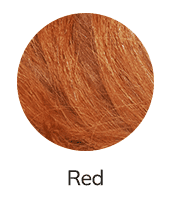


Catch a glimpse of the Finnish spitz in the distance? It’s easy to mistake them for a fox, with their striking reddish gold coat and fox-like facial features. However, step a bit closer and you’ll soon spot their distinctive spitz dog qualities. They have an alert, intelligent expression, muscular, athletic build, and (adorable) curved tail.
The Finnish spitz’s coat is typically a pure red-to-gold hue, though some dogs have sparse black hairs scattered throughout. Others have subtle white markings on their chests and the tips of their toes.
What Size Is a Finnish Spitz?
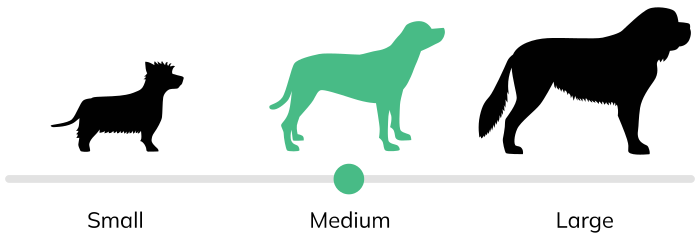
The Finnish spitz is a medium-sized dog who is lean and firm, with square-like proportions. Males usually measure 17.5 inches to 20 inches tall at the shoulders and weigh between 25 and 33 pounds. Females are considerably smaller, standing 15.5 to 18 inches and weighing around 20 to 28 pounds.
What Is a Finnish Spitz’s Coat Type and Length?
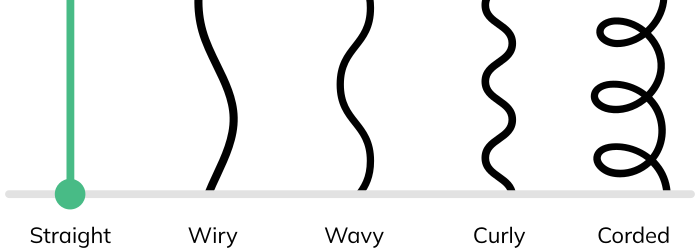
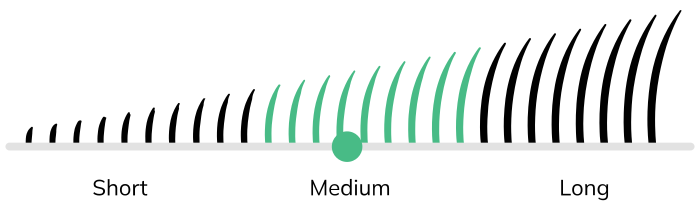
The Finnish spitz has a double coat that is made up of a soft, dense undercoat and a longer, harsh top coat. Their top coat lies straight and measures around one to two inches in length. However, their hair is noticeably denser on their tail and thighs, and shorter on their head.
Males are fairly easy to tell apart from females. Their coats are often more profuse, particularly at the shoulders. They also tend to have a distinguishable ruffled look.
The Finnish spitz’s dense double coat is functional as well as captivating. It provides warmth in the winter, but keeps them cool and protected from the sun’s rays in the summer.
What Is a Finnish Spitz’s Temperament?
The Finnish spitz personality can best be summed up as lively, energetic, and resilient. They approach every challenge they encounter with an admirable determination, whether that’s tracking prey or learning fun tricks. While they can be as fiery as their coat at times, they’re strongly devoted and affectionate with those they bond with.
With a thick coat and accustomed to the conditions of Finland, the Finnish spitz tends to prefer cold climates. However, they can still adapt to warmer conditions as long as you keep a close eye on them in the heat. They’re also confident enough for both rural life and fast-paced city life.
Like most spitz-type dogs, the Finnish spitz is sociable with their family and thrives on attention. They’ll do all they can to keep their owner’s gaze on them. Although endearing, this trait can lead them to display unruly behaviors. You’ll need to keep this in check with consistent training. You should also ensure you’re tiring them out with exercise and mentally engaging play.
Are Finnish Spitzes Good With Kids?
The Finnish spitz is known for their fondness for children. They are nurturing at heart, never tire of play, and are more tolerant of boisterous noises and excessive handling than other breeds. Their vocal, expressive side can also keep kids entertained for hours on end.
Still, supervision remains crucial, especially with young children and toddlers. While the Finnish spitz is generally patient, they can become overexcited and accidentally bump into them while playing. This can startle kids and may even lead to injuries.
Both the Finnish spitz and your children should be taught how to interact with one another safely.
Are Finnish Spitzes Good With Other Animals?
The Finnish spitz tends to be more of a people’s pup than a pack dog, though they can still get along well with other dogs. This is especially the case if they’re raised with them and have undergone early socialization. The Finnish spitz will bond especially well with dogs who can keep up with their energy level.
However, the same can’t be said for small pets — especially birds. The Finnish spitz has a strong prey drive due to their hunting lineage, and will often give in to their instincts and chase them. Their loud, vocal nature can also scare small animals.
As a responsible owner, you should always keep your Finnish spitz on a tight leash around wildlife. You should also hone their recall and help rein in their prey drive with socialization and regular training.
Are Finnish Spitzes Aggressive?
The Finnish spitz isn’t an aggressive dog by any means. In fact, the official AKC breed standard of the Finnish spitz specifically states that any aggressive tendencies are a serious fault and disqualify the dog immediately. With good breeding and a nurturing home environment, the Finnish spitz grows up to be a confident and gentle companion.
When a Finnish spitz does show aggressive behaviors, this is an indication that there is an unmet need rather than a reflection of the breed. They may react aggressively if they’re neglected, haven’t had enough socialization, or are experiencing a painful health issue.
Once this unmet need is addressed, aggressive behaviors often improve entirely and allow the dog’s true loving personality to shine. If your Finnish spitz develops any aggressive tendencies, make sure to work with an experienced in-person trainer who uses reward-based training principles (positive reinforcement).
Do Finnish Spitzes Bark?
The Finnish spitz vocalizes excessively, so much so that they’re renowned for being one of the most vocal dogs in the canine kingdom. They have a loud, distinctive ringing bark that carries far into the distance, and are also known to “yodel” out their heart when they’re on alert or excited.
Since the Finnish spitz will vocalize practically every thought or feeling, they should only be considered by those who won’t mind their lively, loud nature. They also aren’t a good fit for apartments or neighborhoods with strict no-noise restrictions.
Are Finnish Spitzes Affectionate?
The Finnish spitz is deeply affectionate. While they are a bit too energetic to be considered a lap dog, they will still enjoy the company of their family and seek out their attention. You’ll often find them resting by their favorite human’s feet after a tiring day of fun and play. You can also expect them to reciprocate cuddles with hand licks and happy ruffs.
The Finnish spitz can be more cautious around unfamiliar faces. However, they’ll quickly be wagging their tail once they’ve gotten accustomed to them.
Are Finnish Spitzes Intelligent?

Spitz-type dogs are known for their quick wits, and the Finnish spitz is no exception to this. They’re highly intelligent with a natural talent for picking up patterns and problem-solving. They can figure out puzzles with ease and can detect even slight changes in their owner’s body language.
Since they’re capable of thinking for themselves, the Finnish spitz can read situations quickly and react accordingly with very little guidance. However, it also means they’ll sometimes prefer to follow their own judgement than yours. Consistent, engaging training is essential to manage this stubborn side.
Considering the Finnish spitz’s high intelligence, they should be provided at least an hour of mental enrichment each day. This will help to keep them busy and mentally fit.
Are Finnish Spitzes Energetic?

Calling the Finnish spitz “spritely” is an understatement. They’re capable of running tirelessly for hours on end, often to the point where they wear out their owner. They can make a great hiking buddy and will do best with a family who lead an active life.
If you’re considering the Finnish spitz, be prepared to exercise them for at least an hour each day, with an additional 30 minutes for vigorous playtime (think games like fetch and tug-of-war).
Are Finnish Spitzes Easy to Train?
The Finnish spitz is an intelligent dog who can learn quickly if they enjoy the process… And only if they enjoy the process. Their independent spirit means they’re not as eager to please their loved ones as other breeds. They will quickly become stubborn and lose interest if they’re not kept engaged.
The Finnish spitz responds best to gentle but firm direction and positive reinforcement training. Keep them engaged with their favorite toys and treats, and give them plenty of praise whenever they perform a desired command.
The Finnish spitz may be famous for their prowess in barking competitions, but they can also make a great candidate for agility training due to their athletic build. They’ll also love scent work, among other activities that leverage their honed hunting instincts.
Are Finnish Spitzes Good Watchdogs?
Selectively bred to detect birds at a considerable distance, the Finnish spitz has an alert and sharp nature. This trait, especially when combined with their vocalness, allows them to be a reliable watchdog. They will bark loudly (and rapidly) the moment they sense any visitor or potential danger. Their barks alone are also often enough to deter threats.
Still, the Finnish spitz tends to be far too approachable and affectionate to be a protective guard dog. While they can be loud, their adorable looks aren’t particularly imposing, and their friendly demeanor means they won’t instinctively raise hackles at an intruder.
Are Finnish Spitzes Good Service Dogs?
The Finnish spitz can be a good candidate for an assistant role like a service dog, as they are affectionate, intelligent, and sturdy enough for strenuous work. However, they typically aren’t the best match.
Their independent side means they can easily get distracted. They may not be able to perform trained commands as reliably as a service dog role requires. Their vocalness also needs to be considered, as it can lead them to be disruptive in public spaces.
That said, the Finnish spitz’s affectionate, loving side means they often thrive as an emotional support animal. Their sociable nature can also help ease feelings of loneliness.
How to Care for a Finnish Spitz?
As a responsible owner, you need to do all you can to help the Finnish spitz lead a healthy, happy life. This includes providing a warm, nurturing home, building their confidence with socialization, and ensuring they’re well-exercised. Plenty of attention throughout the day is also a given, particularly as the Finnish spitz thrives on human interaction and loves to be included.
Besides this, other important aspects of their care include grooming, ensuring they’re well-fed, and watching out for health problems.
Do You Need to Groom a Finnish Spitz?

The Finnish spitz’s gorgeous red double coat isn’t the most high-maintenance, as it doesn’t require trimming and naturally repels dirt and water. However, you will still need to brush them once or twice a week to smooth over their fur and stop painful mats.
When the Finnish spitz blows out their coat, you’ll need to brush them more frequently to keep up with their excess, loose fur. Use a slicker brush to tease fur out from the undercoat.
Besides brushing, you should brush their teeth, clean their ears, and wash them as needed (usually a few times a year).
Do Finnish Spitzes Shed?
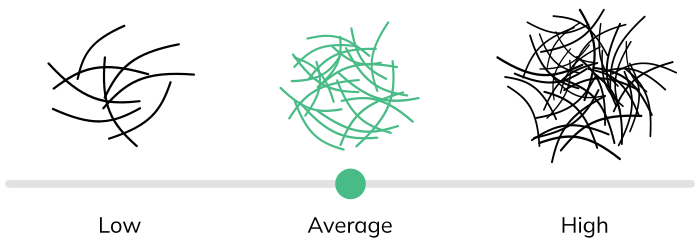
The Finnish spitz is a moderate shedder year-round. However, you can expect them to shed more heavily when they blow out their coat. This will be twice annually during seasonal changes (spring and fall).
The Finnish spitz’s hairs are brightly colored and tend to be noticeable on clothes and furniture, so they’re not a good match if you value a clean living space. They also aren’t hypoallergenic and won’t be suitable for those with fur allergies.
What Health Problems Do Finnish Spitzes Have?
Thanks to the efforts of breed enthusiasts like Hugo Roos and Hugo Sandberg, the Finnish spitz is a healthy breed. They aren’t particularly prone to any serious issues. However, some conditions you’ll want to look out for include:
- Hip dysplasia
- Patellar luxation
- Epilepsy
The best way to tackle these health problems is through prevention. Work with a responsible breeder who tests their breeding stock, take your Finnish spitz to their routine vet checkups, and exercise them daily. You should also ensure their nutritional needs are fulfilled at every stage of their life.
How Long Do Finnish Spitzes Live?
The Finnish spitz lifespan is long and a result of careful selective breeding over several years. Most Finnish spitz live for 13 to 15 years, and some can live even longer if they’re given the right support.
What Should a Finnish Spitz Eat?
The Finnish spitz fares best on a diet that is made for an active medium breed. A high protein content of at least 25% will help with muscle maintenance and keep them energized. The food should also include vitamins, minerals, and healthy fats, as well as prebiotics to aid digestion. Older Finnish spitz dogs often benefit from joint supplements like glucosamine.
The Finnish spitz isn’t known to have an insatiable appetite. However, portion control is still important to ensure they maintain a healthy weight and don’t put unnecessary strain on their joints.
The Finnish spitz should typically be fed between 1.5 and 2.5 cups of food daily, split across one feeding in the morning and again at night.
Is a Finnish Spitz the Right Dog for Me?
With a personality that’s just as lively and captivating as their fiery-red coat, the Finnish spitz is a truly remarkable pup. However, whether or not they’re a good fit for your family depends on your lifestyle, experience, and level of commitment you’re willing to give a dog.
The Finnish spitz is the right match for you if:
- You want an energetic playmate for your children
- You have an active lifestyle
- You want a robust, hardy breed who is likely to lead a long life
- You’re willing to train a dog daily
- You want a dog without the typical “doggy odor”