Field Spaniel: Your Complete Guide
Many people choose field spaniels expecting a calmer or easier-going sporting dog. That’s not entirely accurate. They aren’t difficult, but they are highly observant. Changes in routine, tone, or attention affect them more than many other breeds.
When it comes to temperament and behavior, a field spaniel sits comfortably between extremes. They like to stay active, but they also know how to settle. They’re affectionate, but not clingy. They can make decisions on their own while still staying emotionally connected to the people around them. That balance is what attracts the right owners (and frustrates the wrong ones).
To give a field spaniel a happy, healthy life, it’s important to understand the breed’s personality, emotional needs, activity level, and grooming routines. This guide will help you do just that.
Table of Contents
Quick Look at the Field Spaniel
Below is a quick overview of the breed’s physical build, coat type, temperament, and long-term care considerations.
| Weight/Height | 35-50 pounds / 17-18 inches |
| Coat Type | Medium length, smooth/slightly wavy texture |
| Grooming Needs |  |
| Shedding |  |
| Temperament | Gentle, sensitive, sociable, adaptable, fun-loving |
| Good With Kids |  |
| Good With Other Animals |  |
| Intelligence | |
| Easy to Train | |
| Energy Level | |
| Barking Habits | |
| Lifespan | 12-13 years |
What Is the History of Field Spaniels?
In the 1800s, British hunters used several types of spaniels to flush birds from fields and brush, but these dogs weren’t categorized into official breeds based on their appearance. Instead, they were grouped by size and job.
It wasn’t until dog shows became popular in England later in the century that breeders began defining and naming specific spaniel types. Initially, they were divided into land spaniels and water spaniels.
The field spaniel was developed as a land-based hunting dog designed to flush game from dense undergrowth. They were a cross between Cocker spaniels, English springer spaniels, and Sussex spaniels. These dogs were prized for their ability to work steadily and stay close to the hunter while covering challenging terrain.
Early field spaniels also proved to be successful show dogs and quickly gained attention in the ring. Unfortunately, that early success led breeders to focus more on appearance than function. The breed’s long, low body was exaggerated to unhealthy extremes, which reduced its usefulness as a hunting dog and led to serious health issues.
As a result, the field spaniel’s popularity declined almost as quickly as it had risen, and the breed came close to disappearing altogether. It wasn’t until the 1960s that breeders committed to reviving the breed by restoring sound structure and working ability through careful breeding. Fortunately, their efforts reversed the damage and gave the field spaniel a second chance.
What Do Field Spaniels Look Like?


Nothing about a field spaniel’s body looks overdone or out of proportion. There’s a natural length to their shape that gives them balance and ease of movement. They look like a dog made to work all day without tiring quickly.
The head is well-proportioned with a gently rounded skull, expressive almond-shaped eyes, and long, low-set ears covered in soft feathering. Their expression is thoughtful and kind, hinting at the breed’s gentle nature. From the side, the muzzle appears long and clean, with a straight bridge and a gradual curve underneath toward the throat.
The long, muscular neck flows smoothly into the shoulders, and the back stays level. The chest isn’t overly broad, but is deep enough to allow room for movement. These dogs have strong, straight legs that allow them to move effortlessly without wasted motion.
The tail is set low and carried in line with the body. It follows the dog’s motion and never rises high or curls over the back.
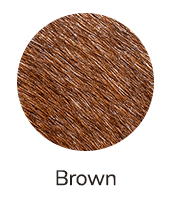
Coat colors include black, liver, or golden liver. These shades can appear lighter or darker depending on the dog. Some field spaniels are solid in color, while others are bi-colored. In bi-colored dogs, white areas usually show ticking or roaning rather than solid patches.
Tan points can also appear and are similar to those seen in other tan-pointed breeds. Small areas of white are allowed on the throat, chest, or brisket and may be clear, ticked, or roaned.
What Size Is a Field Spaniel?
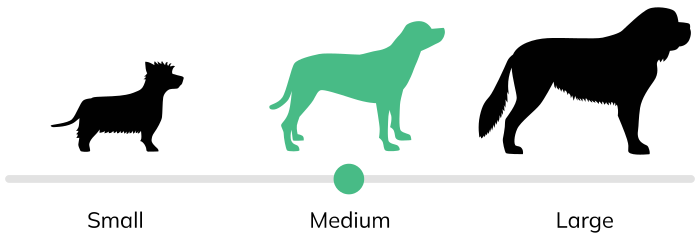
The breed standard describes the field spaniel as a medium-sized dog. Adult males usually stand around 18 inches tall, while females are slightly smaller at about 17 inches. A small amount of variation is normal and acceptable, as long as the dog keeps the correct proportions.
Field spaniels are somewhat longer than they are tall for a well-balanced look. They have enough bone and muscle to feel strong when you handle them, but they never feel heavy or coarse. The size and build work together to make these dogs capable of sustained physical activity.
What Is a Field Spaniel’s Coat Type and Length?
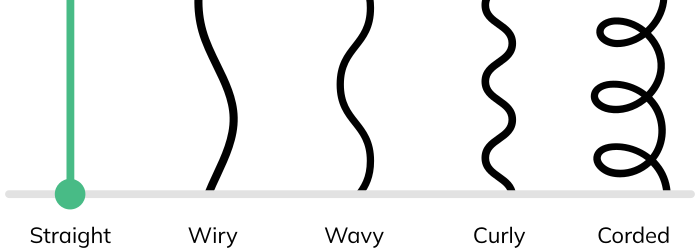
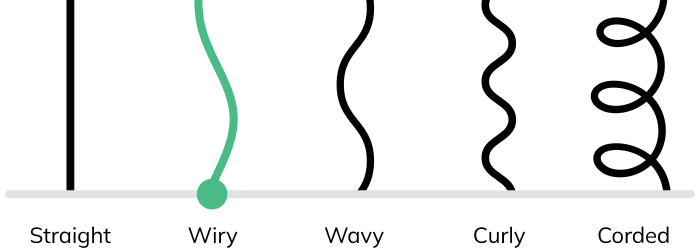

These dogs have a single-layer coat that’s silky, smooth, and moderately long. The length is just enough to withstand outdoor conditions and repel water without impeding movement. It lies flat or forms a soft wave along the body. A healthy coat has a natural gloss and feels firm.
You’ll also see feathering along the chest, under the body, the backs of the legs, and the rear. Some feathering may also show on the upper thighs and the underside of the tail. The lower legs stay neat and clean in outline, with short, soft hair between the toes.
Excessive coat or a soft, cottony texture is not typical for the breed, as it would interfere with movement and work. Any trimming is minimal and meant only to tidy the coat while keeping its natural look.
What Is a Field Spaniel’s Temperament?
Field spaniels are unusually gentle for a sporting breed. Their calm, steady nature makes them easy to live with. Anyone who’s lived with this breed will tell you how loyal, sensitive, and emotionally responsive these dogs are. Their playful side shows up during walks or games, but they’re never overexcitable.
You may see mild hesitation when these dogs meet someone new, but it’s just temporary. A well-adjusted field spaniel should never show fear, extreme shyness, or aggression. These issues usually point to poor breeding or lack of socialization rather than natural temperament.
While field spaniels aren’t pushy or demanding, they do best with owners who engage with them regularly.
Are Field Spaniels Good With Kids?
These dogs aren’t known to react impulsively, which works in their favor around children of all ages. Instead of jumping in or panicking, they like to assess what’s happening and decide whether they want to be a part of it. This helps them handle busy households better than more excitable breeds.
However, field spaniels are still sensitive dogs, and rough handling or constant grabbing can wear on their patience over time. That’s why they’re best suited to homes where children understand when to engage and when to give a dog space.
When given that respect, a field spaniel loves joining kids for long walks, backyard games, light fetch sessions, and relaxed time together at home. If you have very young or overly energetic kids at home, it’s best to supervise their interactions with the dog to prevent discomfort.
Are Field Spaniels Good With Other Animals?
Most field spaniels adapt well to homes that include other animals. They aren’t overly possessive of toys, food, or attention, which helps reduce conflict in shared environments. Many owners find this breed easier to manage alongside other pets.
In multi-dog households, a field spaniel usually takes on a cooperative role rather than competing for attention. They also learn to co-exist peacefully with the cats they grow up around.
However, their background as flushing dogs means movement can trigger interest. Fast-running animals, wildlife, or tiny pets may catch their attention, especially outdoors. Your yard needs solid fencing to eliminate the risk of your dog reacting to sudden movement and wandering off.
While off-leash training can be helpful, it’s best to use a leash in areas with wildlife or where distractions are hard to predict.
Are Field Spaniels Aggressive?
No, aggressive behavior is highly undesirable and goes against the breed’s intended temperament. These dogs were bred to work alongside people and other canines, and that history shows in how they handle social situations today.
If you push a field spaniel past their comfort zone, they’ll likely back off and communicate their discomfort through body language instead of growling, snapping, or barking. This makes them easier to read for owners who pay attention.
That said, ignoring warning signs like avoidance or discomfort can lead to unwanted behavior over time. Proper training, early social exposure, and respectful handling play a major role in maintaining a field spaniel’s natural stability. When those needs are met, aggression is rare and out of character for the breed.
Do Field Spaniels Bark?
Field spaniels aren’t a noisy breed, but they aren’t completely silent either. Their barks are more intentional than habitual. Your dog may bark when someone approaches your home or when they hear an unfamiliar sound. Once the situation is acknowledged, many field spaniels settle quickly and stop vocalizing.
In homes with constant noise, unpredictable schedules, or little to no engagement, barking can increase. This is usually out of frustration, confusion, or boredom. When you provide regular exercise, mental stimulation, and daily interaction, field spaniels are calm, peaceful companions.
Are Field Spaniels Affectionate?
Yes, field spaniels are rated as highly affectionate dogs. They get attached to their family members and can develop separation anxiety if left alone too frequently or for too long.
These dogs aren’t usually the type to jump in your lap or cover you in slobbery kisses, but they do make great cuddly companions on quiet evenings. Some other ways they show love include sitting at your feet, resting their head nearby, or staying within your arm’s reach. In other words, they’re Velcro dogs.
However, their affection isn’t freely given to all. Field spaniels tend to be polite but aloof with strangers, which, in a way, makes their love for you all the more special.
Are Field Spaniels Intelligent?

Yes, field spaniels were bred to be hunting partners, which means they had to be clever enough to work independently and make good decisions without constant instruction. These dogs are also very observant. They’ll know the sound of your car, the routine for walk time, and exactly where their leash is kept.
They’re also great at solving problems and figuring out how to open a cupboard door or find the comfiest spot on the bed. Their nose is a big part of their intelligence. They can track a scent and remember favorite walking routes with ease.
In addition to being book-smart, a field spaniel is incredibly people-smart. They’re experts at reading your tone of voice, body language, and even your feelings. If you’ve had a hard day, don’t be surprised if they come over to comfort you.
Are Field Spaniels Energetic?
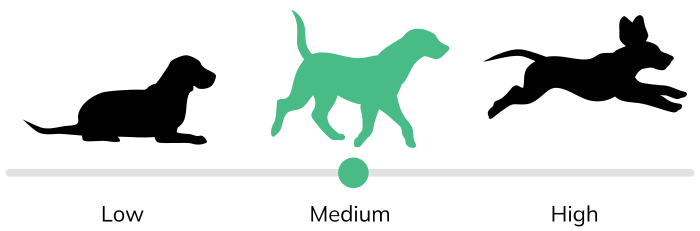
Field spaniels aren’t couch potatoes, but they aren’t non-stop athletes either. They have a moderate energy level, which explains why they adjust to family life so well.
Since these dogs were bred to work all day in the field, they have good stamina and love a solid walk, a hike, or a good play session in the yard. They’ll be up for an outdoor adventure if you are, but they’ll also be perfectly content with a quieter day at home.
A good rule of thumb is about an hour of active time each day, broken into walks and play, to keep a field spaniel happy and healthy. If they don’t get to burn off their energy, they may resort to chewing and digging. Otherwise, they’re wonderfully easy-going house dogs.
Are Field Spaniels Easy to Train?
This breed is very trainable if you focus on the right methods and learn to deal with their independent streak. These dogs are thinkers, which means they sometimes get distracted by their own ideas, if not by interesting scents. Apart from telling them clearly what to do, you need to give them a reason to do it. This is where treats, toys, and praise come in handy.
A field spaniel’s sensitive nature is another factor you need to consider. They don’t handle pressure or scolding well. If you get frustrated during training, their brain will go offline, and you’ll have to spend your next session just rebuilding their confidence. To see the desired results, you need to be a calm, encouraging, and positive trainer.
Are Field Spaniels Good Watchdogs?
Yes, these dogs make good watchdogs. You can count on your field spaniel to hear the knock at the door, a strange noise in the backyard, or the delivery truck pulling up long before you do, and they’ll definitely tell you about it with a firm bark. After alerting you, they’ll settle by your side and let you handle the situation.
Once a stranger is invited in, and you show you’re comfortable, a field spaniel’s typical reaction is to wag their tail, offer a polite sniff, and then look for a pat or a treat.
For most families, this works well. You get a built-in alert system that lets you know when to pay attention, without the concern of a dog being overly aggressive toward guests, the mailman, or repair people.
Are Field Spaniels Good Service Dogs?
A field spaniel can be a reliable service dog as long as the job doesn’t involve chaotic or loud public spaces. Tasks that require a dog to ignore their feelings and confront distractions head-on, such as confidently blocking in a crowd or creating a firm physical barrier, also go against the breed’s core nature.
Their combination of a soft heart and a brilliant mind is still a superpower, though. You can train them for at-home service work or emotional support roles that involve fetching medication, turning on lights, providing grounding tactile stimulation, or doing room checks for someone with PTSD. They can also excel at scent detection roles when properly trained.
How to Care for a Field Spaniel?
This breed needs a regular outlet for its energy through daily exercise and mental challenges. Scent games, obedience practice, agility training, interactive puzzle toys, long walks, or hide-and-seek with toys are all excellent ways to engage them.
Most importantly, these dogs need to live indoors as part of the family. You can’t expect them to be the happy, well-adjusted companion you want after leaving them in the kennel or backyard all day.
Do You Need to Groom a Field Spaniel?

Yes. That beautiful, silky coat you fell in love with doesn’t stay that way on its own. You’ll have to brush and comb through it thoroughly about once a week. When it comes to hair trimming, a little neatening up around the face and paws is usually all they need. You should never shave or clip their body coat short.
Apart from that, you should check their long, floppy ears regularly for dirt or infection and brush their teeth with special dog toothpaste. While you can take your dog to a professional groomer for some of these complex tasks, you can also do everything on your own at home and enjoy that bonding time.
Do Field Spaniels Shed?
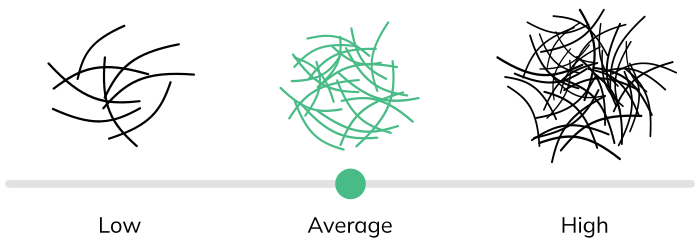
Field spaniels shed a moderate amount. Their single-layer coat loses hair consistently, especially in spring and fall. The good news is that weekly brushing sessions will catch most of the loose hair before it ends up on your clothes, furniture, and floors.
What Health Problems Do Field Spaniels Have?
The main health concerns to be aware of include hip dysplasia (a joint issue), autoimmune thyroiditis (which affects the thyroid gland), and various inherited eye diseases, including cataracts and progressive retinal atrophy (PRA). Reputable breeders also monitor for potential cardiac problems and the risk of late-onset seizures.
To make sure you get the healthiest puppy possible, always ask a breeder for proof of health clearances for hips, eyes, and thyroid.
How Long Do Field Spaniels Live?
This breed generally lives for 12-13 years. You can support the field spaniel’s lifespan by feeding high-quality food, keeping your dog active, and providing a stable, low-stress home environment.
What Should a Field Spaniel Eat?
Field spaniels are known for their love of food. Look for a commercial diet with nutritional ingredients that your dog’s body can easily absorb and use. It’s a good idea to use a portion of your dog’s daily food as training rewards to prevent overfeeding.
Those puppy eyes can make it very tempting to share your dinner, but give table scraps only sparingly, if ever. Always avoid dangerous foods, and when in doubt, stick to dog food and dog treats.

Is a Field Spaniel the Right Dog for Me?
A field spaniel is the right dog for you if you want a loyal, affectionate companion and are prepared to be an active partner in their life. These dogs need to live indoors with you and be a part of your daily routine. You should also have time for daily activity and weekly grooming.
Most importantly, you should be patient and gentle enough to earn their trust and help them grow into a happy, confident dog who loves being around people.