English Setter: Your Complete Guide
The English setter is a gun dog breed prized by hunters for their prowess on the field. However, they aren’t just a resilient work dog; they can also make a remarkable family companion for those who can share their love for the outdoors. They’re merry, affectionate, and form close bonds with their owner. They’re also intelligent and take to training readily.
While the English setter has plenty of endearing attributes, it’s important to fully understand their unique needs before welcoming them into your family. For instance, the English setter has a distinctive, long, silky coat. While this gives them a dignified (and utterly adorable) appearance, it does require regular upkeep to maintain. They also have a high prey drive and aren’t the best fit for multi-pet households.
To ensure you’re fully informed, we’ll cover all you need to know about the English setter below. You’ll learn about their personality, care needs, history, health, and more.
Table of Contents
Quick Look at the English Setter
Below is a quick glance at this special breed in terms of their physical characteristics, lifespan, temperament and grooming needs.
| Weight/Height | Weighs between 45 and 80 pounds, stands 23 to 27 inches tall |
| Coat Type | Silky, long double coat |
| Grooming Needs |  |
| Shedding |  |
| Temperament | Merry, affectionate, dignified, alert, and friendly |
| Good With Kids |  |
| Good With Other Animals | |
| Intelligence | |
| Easy to Train | |
| Energy Level | |
| Barking Habits |  |
| Lifespan | 12 years |
What Is the History of English Setters?
The English setter is one of the oldest known breeds of gun dog, with their roots being traced as far back as the 14th century. Originally developed in Britain, they were selectively bred to locate prey for their masters and alert them to their whereabouts by presenting a “set” (a low, crouching positioning).
The English setter that we know today really began to take shape in the 19th century. Edward Laverack — a breed enthusiast — spent decades selectively breeding the English setter and perfecting their hunting qualities and remarkable looks. Most modern-time English setters are descendants of his bloodlines.
The English Setter steadily grew in popularity throughout the world thanks to Laverack’s efforts. He even published a book on the breed, aptly called “The Setter,” in 1872. The breed was later recognized by the American Kennel Club (AKC) in 1878.
What Do English Setters Look Like?



The English setter possesses all the traits you would expect to see in a resilient gun dog. They have a powerful yet agile build, long muzzle, and lean, well-proportioned head. They also have a muscular neck and a distinctive sloping topline.
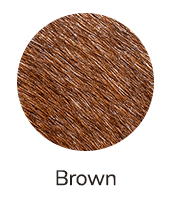
The English setter’s most famous feature is their long, silky coat that lies flat against their body. Their fur is white at the base with a mix of intermingling dark and light hairs of various shades. This patterning is commonly known as belton, and can include colors such as blue, lemon, liver, and orange.
What Size Is an English Setter?

The English setter is a medium-sized breed who stands 23 to 27 inches tall and weighs between 45 and 80 pounds. Males are considerably larger than females. As an idea, males usually grow up to 25 to 27 inches tall and weigh over 65 pounds, while females only reach 23 to 25 inches tall and weigh between 45 and 55 pounds.
What Is an English Setter’s Coat Type and Length?
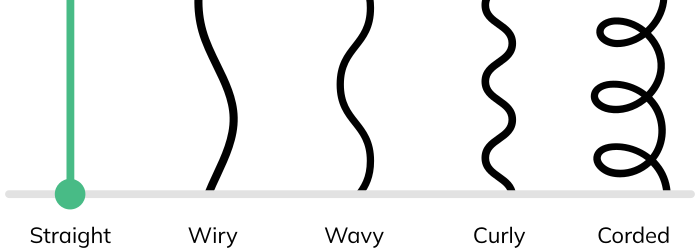
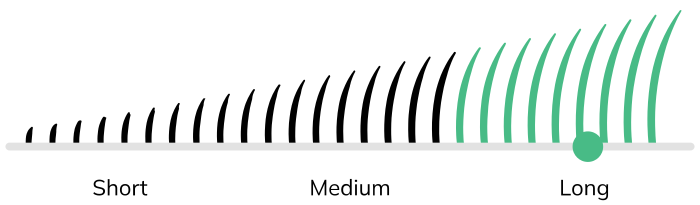
The English setter has a long double coat that is flat and silky in texture. They also have noticeably long feathering on their thighs, ears, chest, and tail, though not to the extent that it hides their shape and muscles. Their coat gives them a rather elegant, graceful appearance. This is made all the more apparent when they’re in motion and working on the field.
What Is an English Setter’s Temperament?
The English setter personality is influenced strongly by their long history as a gun dog. This may lead you to think that they’re solely work-focused and care little for fun and games. However, the reality is quite the opposite! The English setter is exceptionally cheery, gentle, and playful. They seem to always be wagging their tail and share this happiness with anyone they meet, whether a loved one or a stranger.
While these qualities make the English setter a wonderful companion for many people, be mindful that they are extremely sensitive. They fare best in quiet, relaxed homes and won’t tolerate being yelled at or punished. They can also find it difficult to cope with being left alone for long periods, so they’ll appreciate an owner who is happy to keep them company throughout the day.
Are English Setters Good With Kids?
English setters bond exceptionally well with children. They keep a close eye on them, will reciprocate any attention with plenty of affection, and are energetic enough to play with them throughout the day. They are also sensitive to the emotions of others and are sure to pick up on when your children need comfort the most.
That said, English setters should only be housed with children who know how to treat animals with respect. While English setters are generally tolerant, loud noises and rough handling can quickly overwhelm them and cause them to become anxious and withdrawn.
Are English Setters Good With Other Animals?
English setters are joyful dogs who form friendships quickly, and that extends to other canines too. They will particularly bond well with dogs who can keep up with their energy level. They are also gentle and patient, which means you won’t have to worry about them being overly boisterous with small dogs either.
English setters can get along well with other animals with early socialization and training. They do have naturally high prey drives and may chase after small pets like cats, birds, and rabbits If properly socialized or raised with small creatures, they can quickly learn to respect them. Some English setters may have a stronger prey drive than others, so it’s important to assess the pup’s individual temperament in person before adding them to your multi-pet home.
Are English Setters Aggressive?
English setters may have been bred for hunting, but this rarely ever manifests as aggressive behavior. They are exceptionally gentle, loving, and patient dogs who would much rather greet people with licks than growls.
That said, any breed can become aggressive if they haven’t been socialized properly or their needs go unmet. As a responsible owner, it’s important to prioritize your English setter’s training and socialization early on to help them adjust to the world and become a confident, well-behaved dog.
Do English Setters Bark?
English setters are fairly easy-going dogs who aren’t particularly prone to excessive barking. However, you can expect them to bark when they’re excited, bored, or trying to alert you to a visitor. English setters can also bark when they’re anxious or distressed, making it crucial to ensure you’re meeting their needs throughout the day.
Even though the English setter isn’t particularly vocal, their barks are loud and can be heard from some distance. This means they’re likely not the best fit for apartments with noise restrictions, particularly when you also factor in their need for plenty of space to exercise and play.
Are English Setters Affectionate?
English setters are affectionate dogs who are extremely devoted to their loved ones. They won’t turn down any cuddles, and you can expect them to reciprocate with plenty of cuddles (and nuzzles!) of their own.
While undeniably loving dogs, they can be a little cautious around unfamiliar people at first. They will warm up quickly as long as they feel comfortable and safe.
Are English Setters Intelligent?

The English setter is an exceptionally intelligent dog who can pick up training quickly with the right motivation. Thanks to their gun dog lineage, they’re also alert and well aware of what’s happening in their surroundings at all times.
Keeping the English setter’s powerful mind busy is vital, as otherwise they can quickly become bored and develop destructive habits like excessive barking. You can provide mental enrichment through training, games, puzzle toys, and challenging exercise activities like frisbee and agility.
Are English Setters Energetic?

Considering the English setter’s history as a gun dog, it’s no surprise that they are packed full of energy. They’re happiest when they’re outside exercising and putting their muscles to use, and tiring them out can be quite the challenge.
Most English setters need at least two hours of daily exercise, which should ideally be spread out throughout the day in the form of walks and runs. On top of this, they’ll also need lots of playtime to burn off any remaining energy. They’ll particularly appreciate interactive games such as hide and seek and tug-of-war, as well as activities that give them a sense of purpose (like agility).
Are English Setters Easy to Train?
English setters are generally easy to train, as they’re intelligent, loyal, and work-driven. They can quickly learn new tricks and commands with appropriate guidance, and they’re also able to stay focused during training sessions.
Be mindful that English setters are extremely sensitive dogs. Never show your frustration or raise your voice at them, as they may become anxious and lose trust in you. You should also never use punishments or resort to aversive tactics like shock collars.
Reward-based training measures (positive reinforcement) are the best way to motivate your English setter in their training sessions. They foster trust and encourage them through praise, patience, and rewards like treats. If you’re struggling, don’t hesitate to seek help from a professional trainer. You can also check out our catalogue of online dog training courses.
Are English Setters Good Watchdogs?
Yes, the English setter can make a fantastic watchdog. They’re naturally vigilant and tend to bark to alert, particularly when someone approaches their home. Their bark is also loud and powerful, which can serve as an excellent deterrent (even if they’re a big, tail-wagging softie underneath it all!).
Are English Setters Good Service Dogs?
The English setter can certainly be trained to learn various service dog tasks, though they typically aren’t the best candidate for this role. Their sensitive side means they can get overwhelmed quickly and may struggle to feel at ease in busy, crowded spaces. Their prey drive can also distract them from their owner and stop them from performing their trained tasks reliably.
That said, English setters do often excel as emotional support animals and therapy dogs, as they readily bond with people and can offer a warm, loving presence. They’re also incredibly affectionate and are highly attuned to the emotions of those around them.
How to Care for an English Setter?
The English setter’s cheery, amiable nature makes them a truly wonderful family companion. They can be high maintenance and need a lot of exercise, training, and mental stimulation throughout the day to feel their best. They also need a home environment where they can run freely and play, so they’re not the best choice for apartment dwellers.
Aside from this, the English setter also requires regular vet checkups, frequent grooming to maintain their gorgeous coat, and a diet that’s carefully formulated to their needs.
Do You Need to Groom an English Setter?
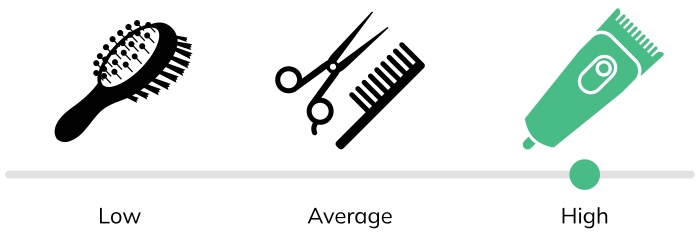
The English setter’s long, silky coat is undeniably eye-catching, and to maintain its appearance, you’ll need to groom them at least twice a week with a soft-bristled brush. Use a metal comb to carefully tackle any areas where mats are beginning to form. Keep a close eye on their feathered areas, as these are the spots that tend to tangle and trap dirt and debris.
You will also need to trim your English setter’s coat to keep it at a manageable length. A professional groomer can help with this, and they can also assist with other grooming tasks like coat washing, ear cleaning, and nail clipping.
English setters are prone to dental concerns, so don’t forget to brush their teeth daily with dog-friendly toothpaste too. You can also invest in treats and toys with textures that help to scrape away tartar and plaque.
Do English Setters Shed?

English setters are moderate shedders year-round, and, like most double-coated dogs, they experience increased periods of shedding during seasonal changes. Keeping on top of their grooming routine will help to lessen the amount of hair around your home.
What Health Problems Do English Setters Have?
English setters are relatively healthy and robust dogs, part of which they can credit to the efforts of Edward Laverack. That doesn’t mean they escape health issues entirely, and there are some conditions that you need to be mindful of. Health problems that commonly affect English setters include:
- Hip dysplasia: A genetic condition where the English setter’s hip joint doesn’t develop properly. This condition is commonly seen in medium-to-large active breeds and causes symptoms such as lameness, exercise intolerance, lethargy, pain, and a bunny hopping gait. Hip dysplasia’s treatment depends on the grade of severity. Mild cases can be managed with physical therapy, lifestyle changes, and anti-inflammatories, while severe cases may require a surgical procedure.
- Ectropion: When the English setter’s eyelid rolls outward, leading to dryness, irritation, and inflammation. Ectropion can be treated with lubricating eye drops and surgical correction.
- Hypothyroidism: When the English setter’s thyroid gland fails to produce enough hormones, resulting in an imbalance and symptoms such as lethargy, weight gain, dull fur, and increased sensitivity to the cold. Once detected, hypothyroidism can be treated with thyroid hormone replacement medication.
- Congenital deafness: English setters are at an increased risk of congenital deafness due to having predominantly white coats. Loss of hearing can be partial or complete, but fortunately, most deaf dogs lead happy and fulfilling lives with the right support.
- Ear infections: The English setter’s low-set, floppy ears tend to more readily trap dirt, wax, and moisture than other ear types. This can put them at a greater risk of ear infections, making it crucial to clean their ears regularly. Signs of an ear infection include redness, a foul odor, discharge, and crusting around the ear flap. Ear infections can be treated with topical medication.
No matter your English setter’s age, lineage, or background, it’s crucial to take them to their routine vet checkups and keep them up to date on vaccinations. This will ensure any health concerns are caught early and can be dealt with quickly.
How Long Do English Setters Live?
The English setter lifespan is a reflection of the robustness of the breed: They live for 12 years on average, potentially longer than this with proper care.
To help your English setter have the best chance at leading a long life, you’ll want to prioritize their health from the very first day you welcome them home. Purchase high-quality, nutrient-rich dog food, exercise them daily, and remember to schedule in those crucial routine vet appointments.
What Should an English Setter Eat?
The English setter should be fed dog food that is formulated for their size, life stage, and activity level. You should also make sure that the food consists of lean protein sources and is packed with all the essential nutrients. This includes omega fatty acids, vitamins, minerals, and complex carbs, as well as probiotics to aid digestion and improve gut health.
With so many dog food options readily available, it can be tricky to narrow down your options. Look for dog foods that have a protein source as their first ingredient and comply closely with the Association of American Feed Control Officials’ (AAFCO) pet food standards.
A veterinarian can help you determine which food is best for your English setter and how much you should be feeding them each day. Generally, most English setters require around 2 to 4 cups of dog food per day, which should be split across two to three separate feedings.
Is an English Setter the Right Dog for Me?
The English setter is a cheerful, devoted breed who can suit a variety of homes and lifestyles, though that doesn’t mean they’re the right fit for everyone. For instance, they aren’t typically the best choice for first-time owners because they have high-maintenance care needs. They’ll also struggle to adapt to small apartments, as they’re energetic and have loud barks.
Active owners who have access to a yard can be a great match for the English setter. They’ll also fare well with people seeking an alert yet affectionate companion, a robust playmate for their older children, or a dog who can pick up advanced tricks with ease.
You should read our guide above carefully and evaluate whether you can fulfil their care needs. While you may be able to exercise them each day, if you’re not prepared to groom them or invest in protein-rich dog food, then the English setter is likely not the right match for you.