Dandie Dinmont Terrier: Your Complete Guide
The Dandie Dinmont terrier is one of the most unique-looking dogs out there. They have a long body, short legs, and a fancy hairdo, which makes them look like a living, breathing character from a storybook. Interestingly, they have the personality to match their distinctive look. Their calm, dignified confidence often surprises people who expect typical terrier behavior.
It’s easy to see why people fall for Dandie’s charm so quickly. However, as a responsible pet parent, you have to be honest about whether you can meet their needs and give them the life they deserve.
This guide answers common questions about the breed. You’ll learn how big these dogs get, how much grooming they need, what kind of personality to expect, and other important details to make a well-informed decision.
Table of Contents
Quick Look at the Dandie Dinmont Terrier
Here’s a quick overview of the Dandie Dinmont terrier’s appearance, needs, and nature.
| Weight/Height | 18-24 pounds, 8-11 inches |
| Coat Type | Medium-length, double coat |
| Grooming Needs |  |
| Shedding |  |
| Temperament | Affectionate, companionable, determined, lively, proud |
| Good With Kids | |
| Good With Other Animals | |
| Intelligence |  |
| Easy to Train | |
| Energy Level | |
| Barking Habits | |
| Lifespan | 12-15 years |
What Is the History of Dandie Dinmont Terriers?
The history of the Dandie Dinmont terrier goes back to the early 1700s to the rugged borderlands between England and Scotland. These dogs were originally working terriers owned by hunters living in the Cheviot Hills.
Their main job was to control four-legged poachers, including otters and badgers, that threatened farms and game. Their long backs and low build made them especially good at following prey into burrows and standing their ground in dens, where larger dogs couldn’t follow.
The breed’s name and lasting fame came later, thanks to a novel called “Guy Mannering” written by Sir Walter Scott in 1815. In the story, a fictional farmer named Dandie Dinmont kept a group of pepper and mustard terriers, described in a way that closely matches the breed.
Scott based this character on James Davidson, a breeder who owned a famous group of working terriers, often referred to as the “immortal six.” These dogs became the backbone of the breed, and many believe all modern Dandies trace back to one dog from that line.
After the novel gained popularity, the dogs became widely known as Dandie Dinmont terriers. No other officially recognized breed is named after a fictional person, which makes them truly unique.
Their reputation spread quickly, catching the attention of European royalty in the 1800s. By the late 19th century, breed clubs had formed, including the Dandie Dinmont Terrier Club of England in 1875. The breed was officially recognized by the American Kennel Club in 1886 and continues to have a loyal following today.
What Do Dandie Dinmont Terriers Look Like?

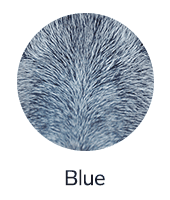
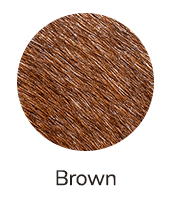

Dandie Dinmont terriers are instantly recognizable for their long, low-to-the-ground bodies, supported by short, sturdy legs.
Attention is often drawn to the head, which is large in proportion to the body but well-shaped. The eyes are round, dark, and curious-looking. A soft topknot of hair sits on top of the head and is much silkier than the rest of the coat. It gives the breed a unique appearance that many people find charming. Ears hang low and are set well back on the head, framing the face nicely.
The two accepted coat colors are pepper and mustard. Pepper ranges from dark bluish-black to silver-gray, while mustard varies from reddish-brown to pale fawn. Puppies often change color as they mature, with their final shade becoming clear only after several months.
What Size Is a Dandie Dinmont Terrier?
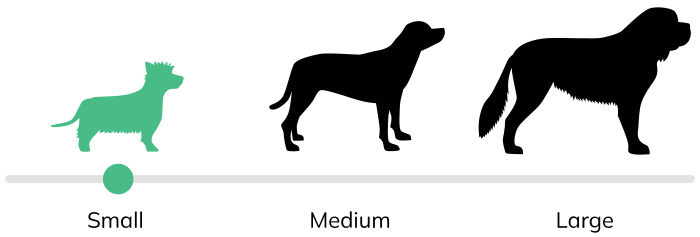
Dandie Dinmont terriers are short dogs with long bodies. Their height is usually between 8 and 11 inches at the shoulders. The body is long compared to its height. From the shoulders to the base of the tail, the length is almost twice the dog’s height. A healthy adult usually weighs between 18 and 24 pounds.
This breed has strong bones and good muscle. While these measurements are pretty consistent, individual dogs can vary slightly depending on genetics, diet, and overall build. Some may appear stockier, while others have a leaner outline, but all should retain the breed’s characteristic long body and low stance.
What Is a Dandie Dinmont Terrier’s Coat Type and Length?
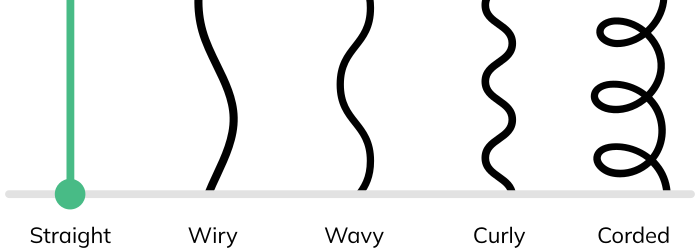
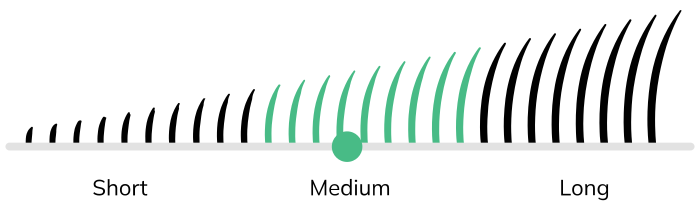
The coat of a Dandie Dinmont terrier is about two inches long and feels crisp to the touch. It’s made of two hair types. Most of the hair is firm, but not wiry. The rest of the hair is soft. Together, these two textures give the coat a crisp feel.
The body coat looks natural and slightly uneven. This effect comes from the mix of hard and soft hair growing together. The hair on the underside of the body is softer than the hair on the back. The body coat is usually shortened by hand plucking rather than clipping.
Hair on the head is very soft and silky. It doesn’t sit only on the top of the head but spreads over the upper ears and frames the eyes. The ears have short, velvety hair, with a soft feather near the tip. The legs and tail also have feathering, with softer hair underneath. According to the breed standard, grooming should look natural and never overdone.
What Is a Dandie Dinmont Terrier’s Temperament?
The Dandie Dinmont terrier has a calm and confident temperament. These dogs are independent and like to think for themselves. They also like to stay aware of what’s happening around them at all times.
When at home, you can expect a Dandie Dinmont terrier to be quiet and at peace. While these dogs enjoy being close to their people, they don’t demand constant attention. Overall, the breed carries itself with dignity and patience.
When faced with work or a challenge, this terrier shows a different side. It becomes determined, bold, and persistent. These dogs don’t back down easily once focused. This balance of calm affection, quiet confidence, and strong determination defines the Dandie Dinmont terrier personality.
Are Dandie Dinmont Terriers Good With Kids?
This breed can live happily with children, but the match depends on the child’s behavior.
Dandie Dinmont terriers are calm, patient dogs that do best with well-mannered children. They don’t enjoy being grabbed or chased, so they aren’t suited for very noisy or chaotic homes.
In general, children around 7 years old and older are better than toddlers because they can follow rules and respect a dog’s space. You should also train the dog to remain calm around children and respond to basic commands. Respect on both sides leads to the best relationship.
Are Dandie Dinmont Terriers Good With Other Animals?
The Dandie Dinmont terrier’s history as a hunter shapes how they behave around other animals. Their instinct to chase small, furry creatures is very powerful.
With consistent and early socialization, they can learn to live peacefully with another family dog, especially if they’re raised together from puppyhood. However, they’re often not the best match for cats, as they may see them as prey.
Small pets like rabbits, guinea pigs, or hamsters are particularly at serious risk and shouldn’t share a home with a Dandie. The high prey drive also extends to wildlife outdoors, making a secure leash or fenced yard an absolute necessity. It also helps to train your dog not to be reactive every time they see something move.
Are Dandie Dinmont Terriers Aggressive?
You shouldn’t expect an aggressive temperament from a well-bred, socialized Dandie Dinmont terrier. These dogs are better described as assertive and self-possessed. At the same time, they’re brave, independent thinkers with a low tolerance for being pestered.
That said, this breed is more prone to being territorial or possessive than to outright aggression. Without proper training, these dogs might guard their food, toys, or favorite sleeping spot.
Do Dandie Dinmont Terriers Bark?
Yes, they have the classic terrier alertness and will use their bark to communicate. However, they are among the more reserved and quieter terrier breeds and are unlikely to bark nonstop at passing cars or neighbors.
You will hear their bark when someone comes to the door or something unusual occurs, as long as their physical and mental exercise needs are met. You can also teach a “quiet” command to manage their vocal habits, which makes them suitable for many living situations, including apartments.
Are Dandie Dinmont Terriers Affectionate?
Dandie Dinmont terriers are deeply affectionate dogs with their chosen family. They’re known as true lapdogs, since they actively seek out cuddles and pets from their owners. More often than not, a Dandie forms a very strong bond with one person.
They can be reserved with strangers at first, but it shouldn’t be mistaken for a lack of warmth. They just need some time to open up to new people because of their reserved nature.
Are Dandie Dinmont Terriers Intelligent?

Yes, Dandie Dinmont terriers are highly intelligent dogs. It takes them little to no time to learn household routines. They can be clever problem-solvers with excellent memories and environmental awareness. They’re also highly perceptive and can tune into their family’s moods.
That said, this breed has an independent streak, which can make a Dandie question why they should follow an instruction. These dogs are also great at figuring out what benefits them, like how to get a treat or find a cozy spot.
Are Dandie Dinmont Terriers Energetic?
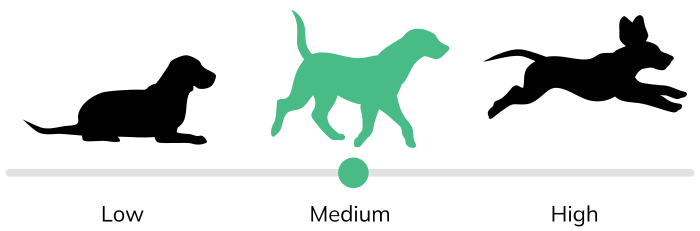
Dandie Dinmont terriers have a moderate energy level. They were bred for bursts of intense hunting activity, followed by long rest. This suits modern home life well.
A couple of walks and some playtime each day is usually enough for them to stay happy and healthy. They have surprising stamina for their size when motivated, but they’re not hyperactive. After their exercise, they’ll be just as eager to relax and cuddle as they were to chase a ball across the yard.
Keep in mind that this breed isn’t capable of being your jogging, running, or hiking partner due to its long-and-low build. You should avoid making them run long distances.
Are Dandie Dinmont Terriers Easy to Train?
They’re moderately easy to train. They’re very smart, but their strong, willful personality can be challenging for first-time dog owners to manage.
Dandies are typical terriers, so they can be stubborn, independent, and a little too sure of their ability to take on all comers. They understand commands easily but like to follow their own plans. On the flip side, they can be very adaptable and eager to please when they respect you. Simply put, your job is to make them want to listen to you.
A successful training plan for a Dandie Dinmont terrier focuses on positive rewards and making learning fun. Harsh or boring training will never work with this proud breed. It’ll only make them more stubborn.
Are Dandie Dinmont Terriers Good Watchdogs?
Dandie Dinmont terriers are excellent watchdogs. They’re naturally wary of unfamiliar sights and sounds and have a strong sense of territory. They’ll immediately bark to alert you to any activity around your home.
Despite their small size, these dogs are courageous and take their role of alerting to potential threats seriously. Their bark is surprisingly loud and authoritative, often sounding like it comes from a much larger dog. This makes them a great choice for someone who wants a small, attentive companion for security.
Are Dandie Dinmont Terriers Good Service Dogs?
It’s rare to see a Dandie Dinmont terrier working as a full-time service dog. Their small size and strong-willed nature are not great for public-access roles that involve mobility assistance or guide work.
They are better suited for roles focused on companionship and emotional support. They form strong bonds and are highly sensitive to their owner’s feelings, which makes them excellent at providing comfort and reducing stress at home.
Some Dandies may also succeed as certified therapy dogs in hospitals or schools on scheduled visits.
How to Care for a Dandie Dinmont Terrier?
You need to meet a Dandie Dinmont terrier’s exercise requirements with daily activity to keep them fit and prevent boredom. Always keep them leashed or in a secure area to prevent accidents caused by their high prey drive.
When resting indoors, make sure the dog feels included in the family’s routine, as this nurtures their loyal and dignified nature. It’s fine to play with them inside the home, too, but you need to take care of a Dandie’s long back by preventing them from jumping on and off furniture.
Do You Need to Groom a Dandie Dinmont Terrier?

You absolutely should groom a Dandie Dinmont terrier, even though they don’t shed in a typical way. Their unique coat needs careful upkeep to stay healthy and look right.
The specific process is called hand-stripping, which involves removing dead hairs from the root a couple of times a year. You can pluck long hairs by hand daily to keep them tidy, or use a special stripping tool. A professional groomer or breeder can also do this.
In addition to stripping, Dandies need regular brushing (once or twice a week) to prevent painful mats. Regular monthly nail trims and careful ear cleaning are also essential parts of their routine care.
Do Dandie Dinmont Terriers Shed?
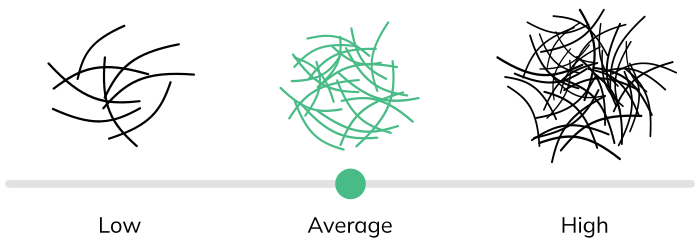
Shedding is minimal for a well-groomed Dandie Dinmont. They have a double coat that doesn’t shed freely all over your house. Instead, the loose hairs get trapped within their coat. These hairs are then removed when you brush them weekly and during their seasonal hand-stripping appointments. In other words, you control the shedding through grooming.
No dog is completely shed-free, though, and the Dandie still produces dander. They aren’t the best choice for someone with severe allergies.
What Health Problems Do Dandie Dinmont Terriers Have?
No dog breed is completely free from health problems, but Dandies come closer than many others. Responsible breeders perform genetic testing to reduce risks.
The breed’s main concern is their long back, which makes them susceptible to a painful condition called intervertebral disc disease (IVDD). Providing steps/ramps to your sofa or bed is very helpful for preventing them from jumping. We also recommend using harnesses instead of neck collars for walks to reduce spinal pressure.
A very small number of Dandie Dinmont terriers develop lymphoma, a type of blood cancer affecting the lymph nodes that requires veterinary diagnosis and treatment.
If you’re ready to adopt or buy a dog, make sure you go to a responsible breeder or a trustworthy animal shelter that health-tests their dogs and is honest about the Dandie’s background and any known health risks. You should also ask to see the veterinary records and proof of any genetic testing from the parents.
How Long Do Dandie Dinmont Terriers Live?
The average Dandie Dinmont terrier lifespan is 12-15 years, which is pretty good for a purebred dog. With excellent care, some even live longer.
To help your furry baby live a full and healthy life, focus on preventative care. This means managing their weight, keeping up with grooming, and visiting the vet regularly.
What Should a Dandie Dinmont Terrier Eat?
You should feed your Dandie Dinmont terrier a high-quality commercial dog food. Always choose a formula that matches their life stage. It’s very important to manage their portions, since this breed can easily become overweight. Carefully measure their meals and feed them at specific times each day instead of leaving food out all day.
You can use treats for training, but too many will lead to weight gain. You should also avoid giving table scraps, especially fatty foods or cooked bones, which can be dangerous for dogs. When in doubt about your four-legged companion’s diet or weight, always check with your veterinarian for the best advice.
Is a Dandie Dinmont Terrier the Right Dog for Me?
This breed is an excellent choice for individuals or families who enjoy moderate activity and a dog with personality. Besides looking adorable, these dogs are loving lapdogs that are fiercely loyal to their family.
Walks and outdoor playtime can be incredibly fun with a Dandie Dinmont terrier. Unfortunately, their strong prey drive necessitates careful management around small animals and a commitment to leashed walks or a securely fenced yard. Make sure you’re ready for the responsibility before you start looking for the right Dandie for your household.