Czechoslovakian Wolfdog: Your Complete Guide
A Czechoslovakian wolfdog moves like a wolf, looks like a wolf, but thinks and listens like a well-trained working dog. These dogs may appear wild thanks to their long legs, strong muscles, and amber eyes that never miss movement. However, these features are exactly what make them excellent workers with unmatched stamina and focus.
While this breed is relatively new compared to ancient working dogs, it has quickly gained attention from experienced dog owners around the world looking for an intelligent, athletic, and loyal partner. However, they are not the kind of dog you adopt on a whim.
Czechoslovakian wolfdogs need structure, routine, and a confident owner who understands their needs. They do best with someone who has experience handling working breeds and can give them an active lifestyle. In this guide, you’ll learn about their history, appearance, temperament, training needs, and what life with one can look like.
Table of Contents
Quick Look at the Czechoslovakian Wolfdog
Here’s a quick overview of the breed’s appearance, lifespan, temperament, and grooming requirements.
| Weight/Height | Male: 26-28 in, 57-80 lbs.
Female: 24-26 in, 44-57 lbs. |
| Coat Type | Dense, double-coated, straight, medium-length |
| Grooming Needs |  |
| Shedding |  |
| Temperament | Intelligent, confident, alert, highly energetic |
| Good With Kids | |
| Good With Other Animals | |
| Intelligence |  |
| Easy to Train | |
| Energy Level | |
| Barking Habits |  |
| Lifespan | 12-16 years |
What Is the History of Czechoslovakian Wolfdogs?
The origins of this breed date back to 1955, when breeders in Czechoslovakia decided to cross Carpathian wolves with working German shepherds as part of a controlled experiment.
Their goal was to create a dog with the intelligence, loyalty, and trainability of a shepherd combined with the endurance, sensory awareness, and weather-resilience of a wolf.
The results of the experiment were promising. The breed proved capable of traveling long distances, working in harsh winters, and completing demanding tracking assignments on a level most domestic breeds couldn’t naturally perform.
Eventually, the Czechoslovakian wolfdog became a recognized national working breed and gained FCI recognition in 1989. Today, these dogs are used for search and rescue, tracking, and endurance sports. However, they remain less common than traditional working dogs and are only recommended for experienced dog owners.
What Do Czechoslovakian Wolfdogs Look Like?
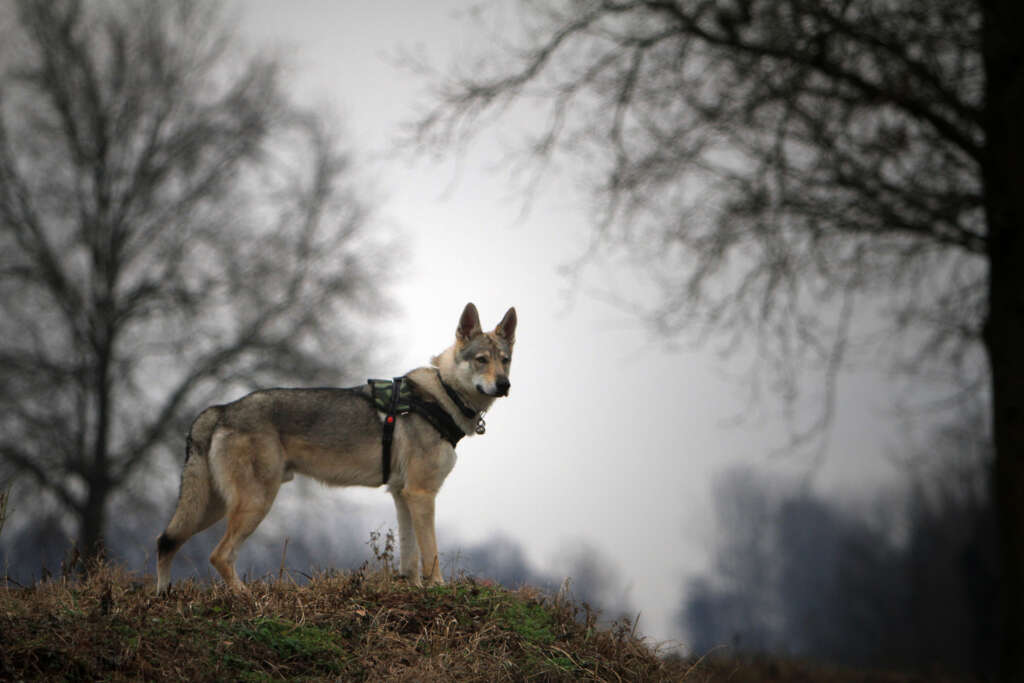
A Czechoslovakian wolfdog can be easily mistaken for a wolf at first glance, which is part of what draws so much interest to the breed. They have a slim, athletic body, long legs, and a straight back that helps them move quickly. The upright, triangular ears and almond-colored eyes give them the sharp, watchful look they’re known for.
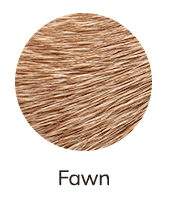
Their coat is double-layered, short to medium in length, and comes mostly in wolf-gray tones, usually accented with lighter fur on the underside, the narrow muzzle, and inner legs. Standard coat shades include yellow-gray, brown-gray, silver-gray, dark-gray, and sable.
The fur lies close to the body in most seasons, but it thickens in winter for extra volume around the neck and torso. The tail is bushy and carried low at rest, rising only when excited or alert. Males tend to look more powerful, while females are slightly finer-boned.
Some Czechoslovakian wolfdogs appear more wolf-like than other wolf dog breeds depending on lineage and selection, but all carry that wild, natural beauty that sets them apart from most domestic dogs.


What Size Is a Czechoslovakian Wolfdog?
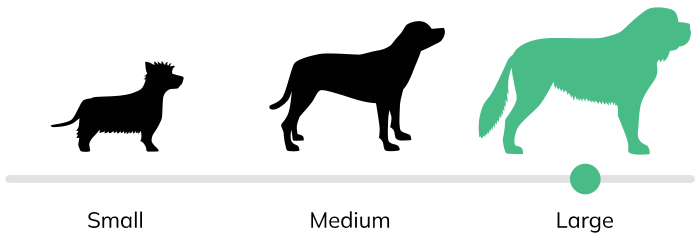
According to the AKC breed standard, Czechoslovakian wolfdogs are large working dogs with a rectangular body. Males usually stand about 26-28 inches (65-70 cm), while females reach around 24-26 inches (60-66 cm). Weight ranges roughly from 57 to 80 pounds (26-36 kg) for males and 44-57 pounds (20-26 kg) for females.
This frame gives these dogs a balanced, athletic build, which is imposing enough for endurance and work, yet lean and agile for speed and agility.
What Is a Czechoslovakian Wolfdog’s Coat Type and Length?
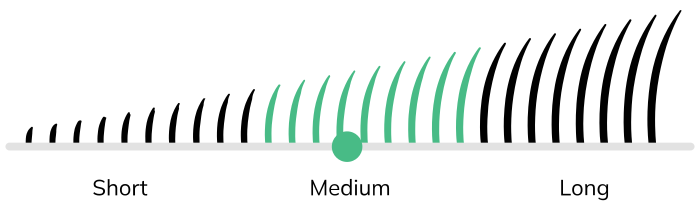
The coat of a Czechoslovakian wolfdog is dense and double-layered for maximum weather resistance. They have a straight, harsh, medium-length outer coat and a thick undercoat that expands heavily in winter. As the undercoat fills in, the breed becomes noticeably bulkier, with fluff around the neck and sides for warmth.
This breed’s coat is designed for freezing mountain climates and can withstand snow, cold winds, and wet terrain. While stunning in appearance, it does require consistent maintenance, especially during seasonal changes when shedding increases dramatically.

What Is a Czechoslovakian Wolfdog’s Temperament?
At their core, Czechoslovakian wolfdogs are curious, alert, and constantly analyzing what’s happening around them. They’re independent thinkers, meaning they won’t always follow commands unless they trust and respect their handler. Their energy and sharp instincts mean they do best in active homes where they can run, explore, learn, and use their natural talents.
These dogs form extremely strong bonds with their family, often choosing one person as their primary partner. They may be aloof with strangers until properly introduced and given time to warm up.
Are Czechoslovakian Wolfdogs Good With Kids?
Czechoslovakian wolfdogs can be good with children, but they’re generally better suited to homes with older, confident kids rather than toddlers. Their energy, strength, and excitement can be too much for very young children, and they may not tolerate rough handling or unpredictable behavior.
With proper socialization, training, and supervision, they can develop a strong bond with kids who understand boundaries and treat them with respect. Even then, all interactions between the dog and children should be supervised.
Are Czechoslovakian Wolfdogs Good With Other Animals?
Wolfdogs generally approach other animals with caution (and sometimes predatory instinct). If you want your Czechoslovakian wolfdog to get along with other dogs, you’ll have to focus on early socialization and careful introductions.
These dogs may be selective about which dogs they accept, especially dogs of the same sex or dogs with dominant personalities. They’re usually not a good match for small pets like rabbits, hamsters, or guinea pigs, as their prey drive is naturally strong.
Cats and wildlife can also trigger chasing behavior, so a multi-animal home requires proper training, supervision, and management. This is especially important when your Czechoslovakian wolfdog is an adolescent, since they may develop selective behavior or dominance challenges if not taught boundaries early on.
Are Czechoslovakian Wolfdogs Aggressive?
Aggression isn’t inherent to this breed, but like any strong, intelligent dog, their behavior depends largely on training and environment. A poorly socialized Czechoslovakian wolfdog may become pushy and exhibit behaviors, such as territorial barking or reactive responses to unfamiliar stimuli.
Needless to say, this breed is very much capable of defending itself if threatened. Potential triggers include resource guarding without training, unfamiliar dogs entering their territory, and rough or unpredictable handling.
Given that you establish clear boundaries and desensitize them early to different environments, a well-raised Czechoslovakian wolfdog will be stable, confident, and not quick to snap or lash out.
Do Czechoslovakian Wolfdogs Bark?
Czechoslovakian wolfdogs bark less than many domestic breeds, but they still communicate. Instead of frequent barking, they use howls, whines, yips, and low grumbles, especially when alert or excited.
This makes them less suited to apartment living as their vocalizations carry far and may disturb neighbors. A spacious house with fewer noise limitations is a better match for this breed.
Are Czechoslovakian Wolfdogs Affectionate?
These dogs can be very affectionate with the people they trust, but they’re not your typical lapdogs. They show love through proximity, following their favorite person around the house, resting at their feet, or leaning against them. Some might enjoy cuddling, while others prefer to stay without being touched or hugged.
Czechoslovakian wolfdogs usually take time to warm up to strangers and might remain reserved with new people, but once bonded, they form strong, long-lasting emotional connections.
Are Czechoslovakian Wolfdogs Intelligent?
Yes, high intelligence is part of the Czechoslovakian wolfdog personality. These dogs are known for their sharp thinking, quick learning, and strong problem-solving skills. They assess situations before reacting and like to figure things out on their own, much like their wolf ancestors.
Their brains work best when they have problems to solve or a job to do. Most handlers use puzzle toys, scent-tracking activities, advanced obedience work, and endurance sports to keep these dogs mentally sharp.
Are Czechoslovakian Wolfdogs Energetic?
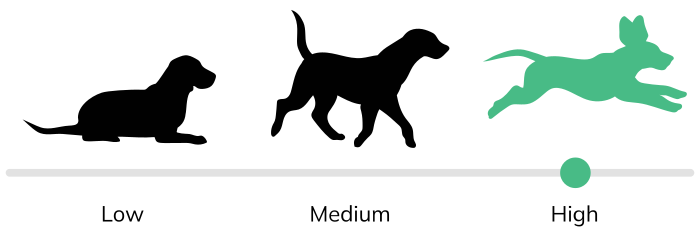
Yes, these dogs have a lot of energy, so they do best in active homes. They need at least 2-3 hours of exercise daily, including structured walks and mentally engaging tasks. The best outlets for their energy include trail running, long-distance hiking, canicross, bikejoring, agility and obedience sport, tracking, and search-and-rescue training.
Without physical and mental activity, Czechoslovakian wolfdogs may become bored/frustrated and turn to unwanted behaviors like digging, howling, or chewing through furniture. In other words, they need an active lifestyle to stay happy and well-behaved.
Are Czechoslovakian Wolfdogs Easy to Train?
These dogs are smart enough to learn almost anything, from agility runs to scent detection and search work, but they require an experienced and confident trainer to make it possible.
Owing to their independent streak, they’re likely to ignore your commands if they don’t see the purpose behind them.
You’ll have to give clear instructions, motivate your dog with rewards, and work with them patiently to get the best results. Positive training works far better than harsh correction because this breed won’t simply obey you out of fear.
A successful training relationship with a Czechoslovakian wolfdog is built on trust, fairness, and consistent practice. You also need to keep each training session interesting. If it’s repetitive or not challenging enough, these dogs may get distracted and start pushing limits.
Are Czechoslovakian Wolfdogs Good Watchdogs?
Yes, their alertness, sharp senses, and a cautious approach to unfamiliar people or noises make them excellent natural guardians. While they aren’t big barkers, they’ll voice concern through a warning bark or howl to make sure you know when something isn’t right. Many times, their wolf-like appearance alone is enough to deter intruders.
To turn your Czechoslovakian wolfdog into a reliable watchdog, you’ll have to help them develop good judgment without becoming overly reactive or aggressive through proper training.
Are Czechoslovakian Wolfdogs Good Service Dogs?
Czechoslovakian wolfdogs can perform service dog work, but they’re not the first choice for it. While their intelligence and stamina suit working roles, their strong will, high energy, prey drive, and natural wariness of strangers make traditional service training tricky. This is especially true for inexperienced handlers.
A Czechoslovakian wolfdog may find environments like hospitals, public spaces, or busy cities stressful or distracting. They usually do better in quieter settings or task-based work rather than constant public interaction.
If you’re keen on training your Czechoslovakian wolfdog for service work, they’ll require more structured training, extensive confidence-building, and controlled exposure than most service dog candidates.
How to Care for a Czechoslovakian Wolfdog?
Proper care for this breed involves meeting their physical and mental needs. They’re not low-maintenance dogs, they demand time and commitment. Activities like running, hiking, and puzzle toys keep the body and brain working. That’s why these dogs are great for homes with space to roam or owners who enjoy outdoor adventure.
Czechoslovakian wolfdogs also need a high-quality, protein-rich diet that supports their strength, muscle development, and stamina. Training helps them learn good manners and build trust with you. We recommend starting early, as it makes it easier to prevent dominance issues and reinforce good habits before bad ones form.
Consistent socialization with people and animals is equally important for building confidence and preventing fear, reactivity, and difficulty adjusting to new environments later in life. You’ll also need to invest in regular veterinary care and health screenings to keep them healthy in the long run.
Do You Need to Groom a Czechoslovakian Wolfdog?

Czechoslovakian wolfdogs don’t require a lot of grooming, but their coats do need regular attention. Fortunately, they’re fairly easy to groom compared to long-haired breeds. Their coat is naturally dirt-resistant and only requires brushing once or twice a week to stay clean and healthy.
However, during shedding season, which usually comes twice a year, daily brushing is recommended to manage the heavy undercoat drop. Baths are rarely needed unless these dogs get muddy or smelly, and you generally don’t need a professional groomer for this breed.
Apart from the brushing, regular nail trimming, ear checks, and dental care should be part of your wolfdog’s routine to keep them comfortable and healthy.
Do Czechoslovakian Wolfdogs Shed?
Yes, they shed quite a bit and aren’t hypoallergenic. Anyone sensitive to dog hair or dander may struggle with this breed.
Shedding is light to moderate throughout the year, but it increases significantly during seasonal coat changes in spring and fall. Their double coat releases the entire winter underlayer within weeks. Regular vacuuming and the use of lint rollers to remove fur from clothing are part of the ownership experience.
What Health Problems Do Czechoslovakian Wolfdogs Have?
Czechoslovakian wolfdogs are generally a healthy breed with strong genetics, especially when responsibly bred. However, like all large working dogs, they can develop certain health problems.
Hip and elbow dysplasia are the most common joint problems, and some dogs may also be at risk for degenerative myelopathy, which affects the spine and hind legs over time. Eye conditions, such as cataracts or retinal problems, may also occur in some lines.
Preventing these health issues starts with choosing a reputable breeder who screens breeding dogs for genetic diseases. A balanced diet, regular exercise for maintaining lean muscle, joint support, and routine vet checkups can also play a major role in long-term health. You should also feed meals in smaller portions to reduce the risk of bloating.
How Long Do Czechoslovakian Wolfdogs Live?
The average Czechoslovakian wolfdog lifespan is 12-16 years, though some may live longer with excellent care. A healthy diet, weight management, joint support, and routine medical screening play a big role in longevity.
As working dogs with high stamina, they often stay active even in older age, especially if their physical and mental needs are met consistently.
What Should a Czechoslovakian Wolfdog Eat?
Czechoslovakian wolfdogs need a high-quality, protein-rich diet to support their muscle development, energy levels, and overall health. Most adults do well with eating two balanced meals per day, while puppies require more frequent feedings as they grow.
Ideally, you should choose a diet that includes high-quality meat as the primary ingredient, supported by healthy fats and a controlled amount of carbohydrates. Some owners choose premium kibble with 25-30% protein, while others prefer raw or fresh-fed diets. Both can work if nutritionally complete. You could also add fish oils and glucosamine for joint support.
That said, always consult a veterinarian to determine the right portion size based on your dog’s age, activity level, and weight.
Is a Czechoslovakian Wolfdog the Right Dog for Me?
If you live an active, outdoor-focused lifestyle, have experience training strong, intelligent breeds, can commit to daily exercise and mental work, and have access to a yard, trails, or open terrain, a Czechoslovakian Wolfdog would enjoy being part of your life.
These dogs are the happiest when they get to move, explore, and think. That’s why people who enjoy running, hiking, camping, or dog sports generally find them to be a perfect match. On the other hand, low-energy homes, busy families with little free time, or first-time dog owners may find this breed too demanding, both in terms of training and daily activity.