Bulldog: Your Complete Guide
Bulldogs have long been misunderstood because of their appearance. Many assume they are lazy, stubborn, or aggressive, or that they are hard to train and unsuitable for families. In reality, none of this is true.
This breed has changed significantly over time, both in temperament and purpose. Modern bulldogs are loving household companions in every sense. While their appearance still hints at a tough past as working or fighting dogs, bulldogs are more about naps and family time now.
In this guide, we’ll explain what the breed is like at home, how they interact with family members, and what kind of care they need to stay comfortable and healthy.
Table of Contents
Quick Look at the Bulldog
The table below highlights the bulldog’s physical traits and personality characteristics.
| Weight/Height | 50 pounds (male), 40 pounds (female), 14-15 inches |
| Coat Type | Short, smooth, single-layer coat with a glossy texture |
| Grooming Needs |  |
| Shedding | |
| Temperament | Friendly, courageous, calm, protective |
| Good With Kids |  |
| Good With Other Animals | |
| Intelligence |  |
| Easy to Train | |
| Energy Level | |
| Barking Habits | |
| Lifespan | 8-10 years |
What Is the History of Bulldogs?
The bulldog’s story began in medieval England in the 1200s. Back then, bullbaiting was considered a popular form of entertainment. In this “sport,” a bull was tied in place while dogs were released to attack it, and crowds gathered to bet on the outcome.
Early bulldogs were bred specifically for this role, which is why they had wide jaws, strong bodies, a low center of gravity, and an unusually high pain tolerance. These dogs needed to be fearless and persistent once they latched onto a target because backing down meant injury or death.
Everything changed in 1835 when England outlawed bullbaiting, leaving bulldogs without a purpose. Dog fighting moved underground and demanded smaller and quicker dogs. Since bulldogs were too slow for this new purpose, breeders crossed them with terriers and created new bull-type breeds.
As a result, pure bulldogs became rare. The bulldog survived only because a group of breeders decided to redefine the breed entirely. They softened its temperament, refined its appearance, and promoted it as a loyal household pet that loves children. This approach was successful, and the bulldog became a beloved family companion.
By the late 1800s, bulldogs were officially recognized and had become a symbol of strength and determination in England.
What Do Bulldogs Look Like?

Bulldogs are muscular dogs that appear heavier than they are due to their low-slung build, deep chest, and rounded ribs.
The head is much larger than the rest of the body. From the front, it looks square and broad. From the side, it seems short and high. The deep groove between the eyes and the cheeks gives them a serious and grumpy expression.
The face is flat and pushed in, with deep wrinkles and a large black nose set deep between the eyes. The muzzle turns slightly upward, and the lower jaw sticks out farther than the upper jaw. Their thick lips hang over the jaw, which softens their expression, even though the structure beneath is strong.
These features were designed to allow the dog to grip while still being able to breathe. Bulldogs also have small ears that fold back rather than standing up. Their tails are short, either straight or slightly twisted, but never curled over the back.
This breed doesn’t look fast or athletic, and that’s intentional. The thick neck, curved back, and short legs of these dogs are built for strength, not speed. Their signature loose, rolling walk, with a side-to-side motion, comes from their wide bodies and outward-turned legs.
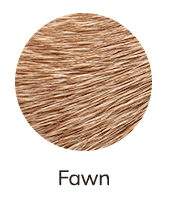
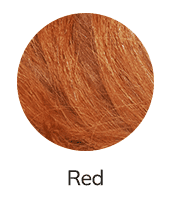
Bulldogs come in a variety of colors, including white, red, fawn, fallow, and any combination of these shades. Many dogs have solid coats, while others display striking patches or patterns, such as brindle or piebald, along with details like black masks, black tipping, or light ticking.
Despite the breed standard, individual bulldogs can vary slightly in build, wrinkle depth, and facial structure.
What Size Is a Bulldog?
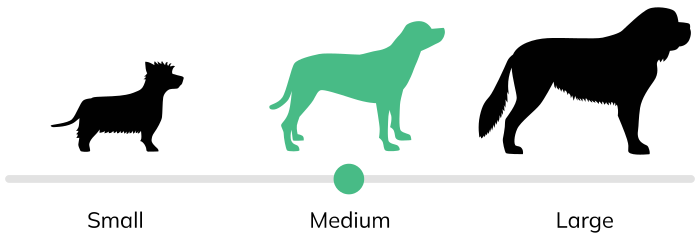
Bulldogs are considered a medium-sized breed. Adult males weigh around 50 pounds, while adult females weigh closer to 40 pounds. This difference is expected and healthy because female bulldogs aren’t supposed to look as massive and imposing as males. The height for both genders falls between 14 and 15 inches at the shoulder.
A bulldog’s proportions are carefully defined. While their head is intentionally large, it should match the body. The width and circumference of the skull help balance the dog’s low, wide build.
What Is a Bulldog’s Coat Type and Length?
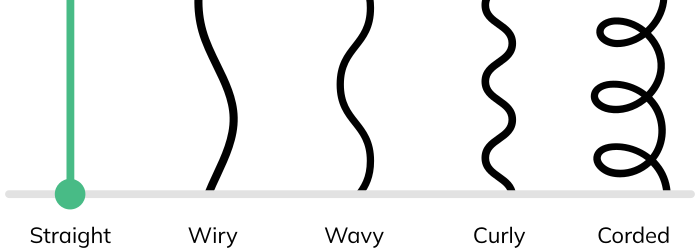
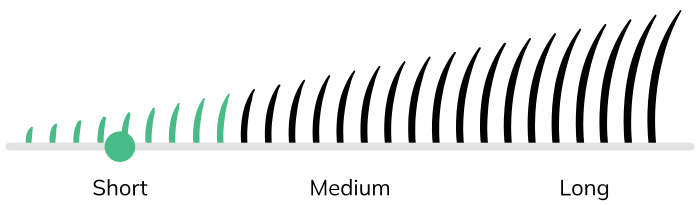
A bulldog’s coat is short, straight, and smooth from head to tail. The hair lies flat against the body, is fine in texture, and has a slight shine. This type of coat was favored because it doesn’t trap dirt, water, or debris, and it allows the dog’s strong body structure to be clearly seen.
Curly hair or long coats are not part of the breed’s design. There should be no waves, curls, or feathering on any part of the body, either.
In addition to their coat, bulldogs are known for their soft, loose skin around the neck, head, and shoulders. The deep wrinkles on the face and the folds under the throat, called the dewlap, are natural features of the breed.
What Is a Bulldog’s Temperament?
The bulldog has a calm and even temperament. They are kind and respond to situations in a predictable way. They don’t like uncertain routines, so a stable home environment helps them feel secure.
People describe the bulldog personality as people-focused. These dogs enjoy attention and feel happiest when included in daily life. This makes them excellent family companions rather than independent or aloof dogs. You can expect yours to be perfectly content lounging or playing casually at home.
At times, you may notice your bulldog being stubborn, which is a remnant of their independent past, but this is usually paired with a sweet and tolerant disposition. Bulldogs are rarely nervous or agitated and tend to approach life at a relaxed pace.
Are Bulldogs Good With Kids?
Bulldogs are generally good with children. Their patient, easygoing nature helps them stay calm around kids of different ages. Instead of reacting quickly or becoming overstimulated, bulldogs like to take things slowly and are more tolerant of everyday family noise and movement.
Many bulldogs enjoy being close to children without needing to be the center of attention. They may choose to nap nearby or sit quietly while activities happen around them. This means you don’t have to worry about the dog chasing or herding the kids. This slower pace also lowers the risk of accidental knocks or rough play compared to active breeds.
Supervision is still important, especially with very young children. Teaching children to avoid pulling the dog’s ears, climbing on them, or crowding them helps maintain a calm and respectful relationship.
Are Bulldogs Good With Other Animals?
Bulldogs tend to be friendly with other animals. When raised together or introduced properly, they treat them as part of their routine.
When you introduce your bulldog to different dogs as a puppy, they’re more likely to stay friendly and confident as adults. However, some male bulldogs may show tension toward other males, especially as they mature. This is more about dominance than aggression and can be reduced by managing interactions and avoiding crowded or stressful settings.
Bulldogs can also live comfortably with cats and other household pets. They’re not natural chasers, which lowers the risk of conflict. Some dogs may guard their meals, so you should feed pets separately. Overall, your furry baby will develop good social habits if you invest time and energy in positive training.
Are Bulldogs Aggressive?
Aggression toward humans is uncommon, as bulldogs are emotionally stable and form strong bonds with their families. They’re also aware of their own strength. When bulldogs show anger, it’s usually defensive, triggered by fear, pain, or a negative experience.
With other dogs, the situation can be different. Bulldogs were originally bred for fighting and protection, and some of those instincts can still surface. Their short, wrinkly faces can make their expressions harder for other dogs to read. This can cause misunderstandings that escalate faster than expected.
Since bulldogs have powerful jaws, conflicts with other dogs can be serious if they occur. Bulldogs also have strong memories, so one bad experience with another dog can shape future behavior if you don’t address it early.
One behavior that often gets misunderstood is how bulldogs “talk.” They use a wide range of sounds to communicate, including low growls, grumbles, or noisy breathing, especially during play. In many cases, a bulldog will growl to invite play or express excitement.
Learning the difference between playful sounds and actual warning signs is important so you don’t mistake normal behavior for aggression.
Do Bulldogs Bark?
Bulldogs do bark, but it’s not a dominant trait. It usually happens in specific situations. Excitement, boredom, routine disruption, or unfamiliar visitors can trigger it. Their bark can be loud and surprising because they don’t use it often.
Other than that, this breed is calm by nature, and many people notice more snoring and grunting than actual barking.
Excessive barking usually signals a problem. Anxiety or isolation can cause a bulldog to vocalize more than usual. If you provide your dog with enough mental stimulation, routine, and training, barking rarely becomes an ongoing issue.
Are Bulldogs Affectionate?
Yes, bulldogs are very affectionate dogs. They enjoy physical closeness and form strong emotional bonds with their families. This need for connection explains why these dogs seek out laps, couches, and shared sleeping spaces.
Your furry baby will happily settle beside you on the couch or climb into your bed if given the chance. If you value your personal sleeping space, consider getting a large dog bed, as bulldogs are famous for spreading out and claiming the entire space.
Keep in mind that bulldogs don’t do well when isolated. They are not outdoor dogs and are unhappy in kennel-style environments.
This breed may also be defensive around strangers at first, thanks to its loyal nature. You can help them feel comfortable around new people by socializing them during puppyhood and continuing positive introductions into adulthood.
Are Bulldogs Intelligent?
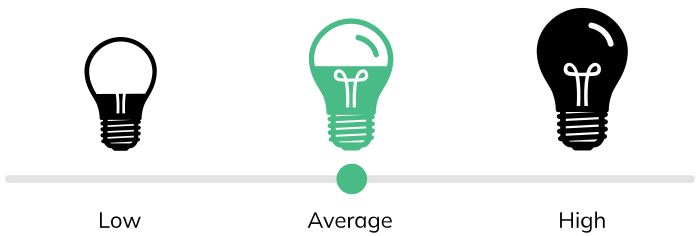
Bulldogs are smart dogs, but their intelligence shows up differently than in working breeds. They understand commands and routines, but are not quick to please you. This is why this breed ranks lower in traditional obedience intelligence.
Bulldogs have high emotional intelligence, though. They’re attuned to their owner’s mood, tone of voice, and body language, and may adjust their behavior based on how people around them feel. That’s why many people find these dogs comforting to be around.
Are Bulldogs Energetic?
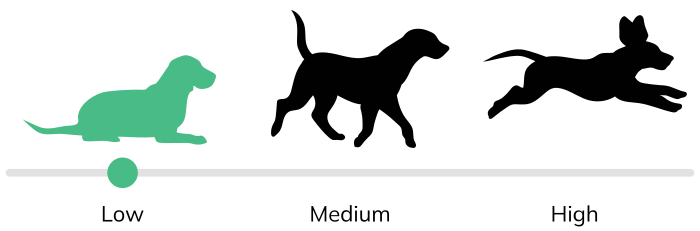
Bulldogs are low-to-moderate energy dogs. Most of the time, they prefer resting, cuddling, or sleeping near their people. They’re not built for long runs or intense exercise, which is why they fit well into relaxed households and apartment living.
That said, bulldogs still need daily movement to stay healthy. Short walks of about 15 to 20 minutes help keep their joints moving and prevent weight gain. Since bulldogs overheat easily, exercise should always be gentle.
Bulldogs also have brief bursts of energy. Owners often describe sudden zoomies in the evening, where the dog runs around the house, bounces off furniture, and then collapses into sleep. These moments are short and harmless, as long as the space is safe and uncluttered. Be extra careful around stairs and pools.
Are Bulldogs Easy to Train?
They can be trained, but it requires a lot of patience. They enjoy pleasing you, but they also have a strong stubborn streak. You’ll quickly realize that they’re cleverer than they appear and can be very good at testing limits.
Training works best when rewards are involved. Bulldogs remember praise, treats, and positive attention very well. If the reward is clear and consistent, they usually cooperate. If not, you may have to deal with selective deafness.
Since bulldogs love to chew and enjoy tug games, puppy classes should teach them when to release objects. They should also learn to tolerate you touching their food while eating.
Also, when setting boundaries, think ahead. A behavior that seems adorable in a pup can become a problem in a full-grown, muscular adult, so pay attention to what you allow and reinforce in the early days.
Are Bulldogs Good Watchdogs?
Bulldogs can be good watchdogs since they’re naturally alert. When they notice unfamiliar activity around the home, they bark to alert you.
Their loyalty also plays a big role. Bulldogs care deeply about their people and feel responsible for keeping their home safe. Oftentimes, their solid build and serious expression are enough to discourage strangers from getting too close.
That said, bulldogs aren’t suited for constant guarding or patrol work. They prefer calm environments and like to stay comfortable, so don’t expect them to chase intruders. You can teach your dog when to remain calm and when to react using positive reinforcement to make the most of their watchful behavior.
Are Bulldogs Good Service Dogs?
Bulldogs don’t perform well in most service dog roles. Though loyal and devoted, their tendency to think things through can make them slow to respond to commands.
Another challenge is stimulation control. Bulldogs can become overly excited, especially when young, and may struggle with staying composed in busy public settings. Their protective instincts can also cause them to react to unfamiliar people if you don’t socialize them early on.
Nevertheless, these dogs can still be excellent support animals in the right situation. Their strength and confidence make them useful for mobility support or personal protection tasks.
How to Care for a Bulldog?
Caring for a bulldog means adjusting your daily life to match their physical limits. This breed needs regular movement, but it should be gentle. Short walks and light play will keep your dog’s joints healthy without putting too much strain on their bodies.
Heat management is also important. Bulldogs can’t cool themselves efficiently because of their short snouts. You should keep them indoors on sunny days, provide shade, and use air conditioning when possible to prevent overheating.
A bulldog that jumps on and off furniture daily can suffer from injuries over time. We recommend using ramps and discouraging high-impact movement to protect their joints and keep them comfortable as they age.
Do You Need to Groom a Bulldog?
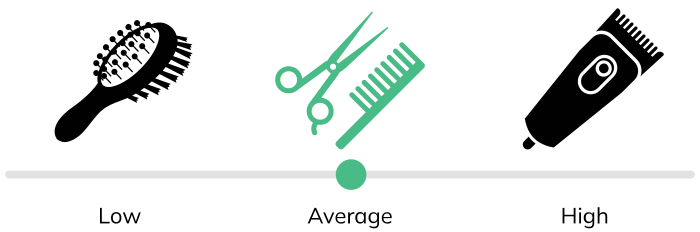
Yes, bulldogs need regular grooming, even though they have short coats. Brushing is only required a few times a week, but it’s their skin that needs extra care. The deep wrinkles and skin folds around the face and tail can trap moisture, food, and dirt if not cleaned.
You can use a cloth dipped in peroxide or a dog-safe wipe to do it daily or at least several times a week. Always dry the folds afterward, using cornstarch to prevent yeast or bacterial infections.
A bulldog’s nails grow quickly and can affect movement if left too long. You should trim them every two weeks. Ears should also be checked for redness or buildup.
Do Bulldogs Shed?
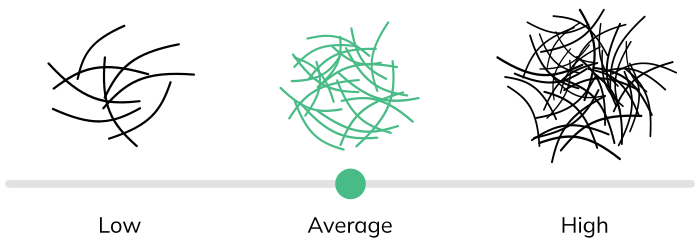
Bulldogs shed lightly throughout the year, and their short, stiff hair can cling to furniture and clothing. Shedding increases in spring and fall. Puppies may also shed more as they grow out of their puppy fur.
What Health Problems Do Bulldogs Have?
Bulldogs are prone to several health problems because of their body shape and flat faces. Their short noses can cause brachycephalic airway problems, which make breathing difficult during exercise or hot weather. Many bulldogs snore, struggle with heat, or tire easily for this reason.
This breed is also at risk for eye problems like cherry eye and eyelids that roll inward, which can irritate the eyes and sometimes require surgery. Orthopedic issues are common as well. Since bulldogs carry a lot of weight on short legs, hip and elbow problems can develop early and worsen with age.
How Long Do Bulldogs Live?
They generally live up to a decade, which makes the average bulldog lifespan shorter than that of many other breeds. Your goal should be to improve your furry companion’s quality of life throughout those years with proper care, nutrition, and medical attention.
What Should a Bulldog Eat?
Bulldogs need a high-protein diet to maintain muscle mass and overall strength. Carbohydrates should be limited, because they don’t burn excess energy quickly. Choosing large-breed formulas also helps manage calories and nutrients properly.
Puppies usually need three meals a day to stay energetic without hunger spikes. Adult bulldogs do best with two meals a day for optimal digestion. Slow feeders, puzzle toys, or snuffle mats are great for encouraging slower eating.
Avoid giving table scraps, as many human foods are unhealthy or unsafe for bulldogs. Treats should be limited and never replace balanced meals.
Is a Bulldog the Right Dog for Me?
Bulldogs are best for people who are home often. They’re indoor dogs that want access to couches, beds, and shared living spaces. More importantly, they struggle with heat, long outings, and frequent changes in routine. Make sure your home environment is calm, consistent, and set up to keep them comfortable.
Health care, grooming of skin folds, and temperature management are also ongoing responsibilities. If you’re prepared for hands-on care and want a loyal, loving companion that loves nothing more than spending time with you, a bulldog is a great choice.