Brittany Dog: Your Complete Guide
The Brittany is a gun dog that goes by several different monikers, including the Brittany Spaniel, French Brittany, or Breton Spaniel. While they were initially bred for bird hunting, today they’re as versatile as their name! They make excellent farm dogs, have been used in search and rescue, and even serve as service animals and emotional support animals (ESA). Of course, they can also make wonderful family pets.
A close look at their traits will reveal why they’re so adaptable. They’re bright, eager to please, and loving. They’re also energetic with agile, athletic statures. Still, although the Brittany dog is fiercely loyal and has plenty of love to give, they do deserve a family that can give it that very same dedication.
To help you decide whether the Brittany dog is the right companion for your family, we’ll break down their unique traits and care needs below. You’ll learn about the Brittany dog’s personality, exercise requirements, history, and more.
Table of Contents
Quick Look at the Brittany Dog
Below is a quick glance at this special breed in terms of their physical characteristics, lifespan, temperament, and grooming needs.
| Weight/Height | 17.5 inches to 20.5 inches tall, weighing 30 to 40 pounds |
| Coat Type | Medium-length coat, flat or wavy |
| Grooming Needs |  |
| Shedding |  |
| Temperament | Eager to please, spirited, versatile, and bright |
| Good With Kids |  |
| Good With Other Animals | |
| Intelligence |  |
| Easy to Train | |
| Energy Level | |
| Barking Habits | |
| Lifespan | 12 to 14 years |
What Is the History of Brittany Dogs?
Aptly named after the Brittany region of westernmost France, the Brittany was first developed there in the 17th century to be a versatile bird dog. Local spaniels and gundogs were mixed with pointers and setters in a bid to create a hunting dog who could do it all. The result was a remarkable success, and the first Brittany dogs were born.
Over the years, selective breeding perfected its versatility further, and its popularity soon spread across the world. Breed standards were developed, and the Brittany was officially recognized by the American Kennel Club (AKC) in 1934.
Today, Brittany dogs are still used on the field for their bird hunting skills, though they have quickly found favor among pet lovers (like yourself). They make popular family companions, especially with those who lead active lifestyles.
What Do Brittany Dogs Look Like?
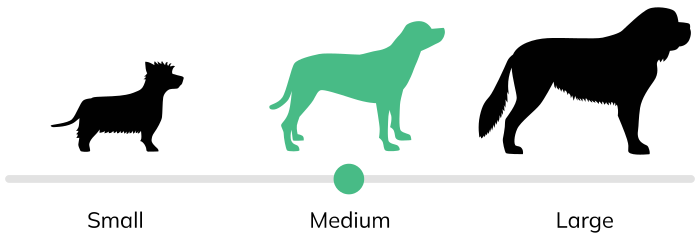
The Brittany is a medium-sized dog that weighs around 30 to 40 pounds in adulthood. They have an agile yet compact physique, long, muscular legs, and short, triangular ears that lie close to their head. Like many gun dogs, they have well-set eyes that convey an alert, sharp expression.
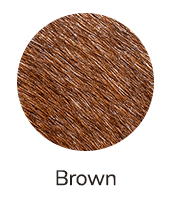
The Brittany has a medium-length coat that is dense and distinctively patterned. Their fur comes in various color combinations of white, orange, roan, and brown. Many Brittany dogs also have spotted or ticked markings, particularly around their muzzles and lower legs.



What Size Is a Brittany Dog?
Brittany dogs stand 17.5 inches to 20.5 inches tall at the withers. Despite their height, most Brittany dogs are lightweight and typically only weigh between 30 and 40 pounds — a trait that serves as a reminder of their roots as portable, agile hunting companions. Males and females are usually similar in size and build.
What Is a Brittany Dog’s Coat Type and Length?
The Brittany dog has a medium-length double coat that can either be wavy in texture or lie flat against their body. There is noticeable feathering on their ears and legs, but this is minimal and still allows their athletic, agile physique to show through.
The Brittany dog’s coat is noticeably dense, and this serves a purpose. It helps to protect their skin from sharp bushes and brambles, and other rough terrain that they may encounter while hunting. The fur also repels water and dirt.



What Is a Brittany Dog’s Temperament?
The Brittany dog personality is one that is a total cuddle bug, who is playful and affectionate. However, once they’re out on the field? Their hunting dog side takes over, and they’ll quickly transform into a dependable, resilient, and alert companion. They’ll thrive with a family who can appreciate (and love) both sides of their personality.
Brittany dogs are very active and ideally need to be given a job to feel at ease. They’ll particularly love any exercise that gives them ample opportunity to unleash their energy and challenge their brains. Some fantastic examples include dog sports, hikes, and interactive games like hide and seek.
Are Brittany Dogs Good With Kids?
The Brittany dog’s personality makes them an excellent companion for kids, especially those who are old enough to understand how to interact with them safely and with respect.
Brittany dogs aren’t aggressive with young children and can still get along with them. However, their excitable nature does mean they tend to play roughly. This may cause them to accidentally knock over toddlers.
As with every breed, you should always supervise interactions between your Brittany dog and children, regardless of their age.
Are Brittany Dogs Good With Other Animals?
Brittany dogs often get along extremely well with other dogs in the family, provided they’re socialized and introduced to each other in a positive manner. They will particularly love having the company of dogs who share their excitable nature and love for rough play.
However, they aren’t the best fit for homes with cats and other small pets like birds and hamsters. Due to their bird hunting dog roots, they naturally have a high prey drive and often chase after prey-like animals. Training can help curb this instinct to an extent, but it is still a part of who they are and can’t always be prevented.
Are Brittany Dogs Aggressive?
The Brittany dog is not an inherently aggressive breed — in fact, they’ve been selectively bred to have the exact opposite traits! They’re a gentle pup at heart and are very eager to please their favorite humans.
That said, their high prey drive does need to be managed with positive training to ensure it stays at a healthy level and doesn’t lead to aggressive, unruly behavior.
Do Brittany Dogs Bark?
While vocalness can vary from dog to dog, Brittany dogs do tend to be relatively vocal. They’ll usually bark when they’re excited during playtime or to alert their owners about strangers or something else that catches their attention. This trait means they may not be the best fit for apartments with strict noise restrictions, even despite their compact size.
Fortunately, Brittany dogs respond very well to training and can pick up commands like “quiet” quickly with the right approach. You can also help to minimize their barking tendencies by ensuring they’re getting enough exercise and mental stimulation each day.
Are Brittany Dogs Affectionate?
The Brittany dog may be a stellar hunting dog, but beneath their work-driven nature is a softie who loves nothing more than a good cuddle! They bond closely with their family and appreciate lots of attention, whether that’s in the form of pats, games, or belly rubs. They will also often follow their favorite human from room to room.
The Brittany dog can be aloof around strangers, but this won’t last long! A warm hello will quickly win this pup over, and they’ll be showing their goofy, lovable side to them in no time.
Are Brittany Dogs Intelligent?
The Brittany dog is extremely intelligent — a trait that has enabled them to become widely recognized as one of the best hunting breeds around. They can pick up commands quickly and can even readily adapt to suit their owner (or the situation) at a moment’s notice. They also have a sharp nature and will no doubt alert you to any unusual sounds or sights.

Are Brittany Dogs Energetic?
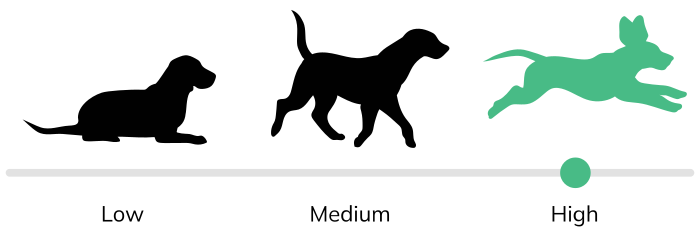
Brittany dogs are extremely energetic and need regular exercise throughout the day to stay happy and healthy. If you’re considering this breed, you must be prepared to provide them with at least an hour of exercise each day, ideally split across two walks. On top of this, they also benefit from plenty of interactive playtime, whether that’s a trip to the local dog park or a game of fetch in the backyard.
Are Brittany Dogs Easy to Train?
Brittany dogs aren’t just quick learners — they also love having a job and are especially eager to please their owners. These qualities combined make them some of the easiest dogs to train. They can pick up complex tricks almost effortlessly and even excel in dog sports like agility and obedience.
It’s rare for a Brittany dog to have a stubborn streak. However, you should always be patient and approach their training with positive,reward-based techniques to set them up for success.
Are Brittany Dogs Good Watchdogs?
The Brittany dog can make a fantastic watchdog, no doubt thanks to their naturally alert nature and sharp eye (and even sharper nose). They are likely to bark if they detect someone approaching the home, or if they notice anything else amiss.
Still, the Brittany dog doesn’t quite have the imposing, formidable appearance to ward off intruders. Their primary purpose is to alert, so you may want to consider a larger, more robust breed like the Great Dane if you’re after a protective companion who can give you that sense of security.
Are Brittany Dogs Good Service Dogs?
The Brittany dog can make a phenomenal service dog because of its high trainability, adaptability, and love of being given a job. They are also versatile in the tasks they can carry out for their handler. They can perform deep pressure therapy, retrieve medication and other vital items, and find help in a crisis. They can even alert their handler to sudden changes in their mood or physical state.
The Brittany dog can also make a fantastic emotional support animal. They’re particularly ideal for people who lead an active lifestyle and are after an ESA who can appreciate outdoor activities as much as they do.
How to Care for a Brittany Dog?
The Brittany dog’s even temperament and high trainability may mislead you into thinking they’re laid-back. However, the reality is quite the opposite: They’re extremely energetic and need plenty of exercise and mental enrichment each day to thrive.
If their needs aren’t adequately met, they can quickly become restless and turn to destructive habits. That’s why it’s crucial you only consider the Brittany dog if you’re prepared for the challenges involved.
Below, we’ll touch more on the Brittany dog’s care and what to expect if you decide to adopt one. We’ll cover their grooming needs, shedding frequency, diet, and common health concerns.
Do You Need to Groom a Brittany Dog?
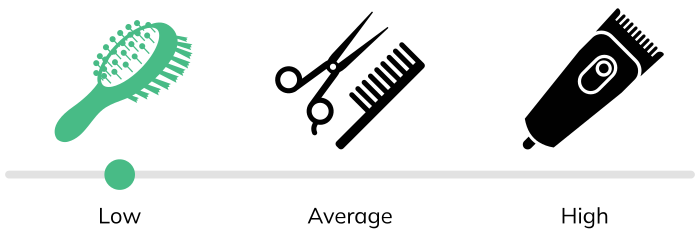
Although Brittany dogs need a lot of mental stimulation and exercise, they are fairly low-maintenance when it comes to their coats. They only need a good brush once a week with a soft-bristled brush to keep their fur and skin in healthy condition. Their feathered areas may need some extra attention, though this shouldn’t add too much time to your grooming routine.
Besides this, you should wash your Brittany dog’s coat every four to eight weeks, or whenever it gets dirty. You should also clean their ears, keep their nails trimmed if they don’t naturally wear down, and brush their teeth to prevent dental issues. You should also invest in tick prevention, particularly if they frequently play in bushy, grassy areas.
Do Brittany Dogs Shed?
Brittany dogs shed moderately throughout the year, but fortunately, their fur is fairly fine and won’t be too noticeable around the house. It also won’t stubbornly stick to your clothes or furniture. Their coats do tend to shed more during seasonal changes. However, it’ll still be manageable as long as you keep on top of their grooming routine.

What Health Problems Do Brittany Dogs Have?
Brittanys are generally extremely healthy and resilient dogs. They aren’t particularly prone to any serious health concerns. However, you still want to watch out for health problems such as hip dysplasia, cataracts, epilepsy, and hypothyroidism. Many of these conditions can be ruled out with appropriate screening of breeding stock, so it’s crucial to work with a responsible, ethical breeder.
Brittany dogs can also be prone to ear infections, particularly as they enjoy exploring densely-vegetated areas and getting covered in mud. You should make it a habit to check your Brittany dog’s ears for foreign matter and wax buildup, and clean them regularly with a pup-friendly ear cleaning solution.
How Long Do Brittany Dogs Live?
The Brittany is a healthy and hardy dog, and their lifespan reflects this. You can expect your Brittany dog’s lifespan to be 12 to 14 years with proper care and good lineage. Of course, remember this number is a rough guide. Your Brittany dog may be able to live for longer than this, especially if you feed them a high-quality diet and take them to all their routine vet appointments.
What Should a Brittany Dog Eat?
The Brittany dog should be fed protein-rich food that accommodates their high energy level and promotes lean muscle mass. The food should also be suitable for their life stage and size.
There are various dog food options available on the market, though you should stick to high-quality foods that aren’t packed with unnecessary fillers. Generally, the best dog foods meet AAFCO guidelines, follow strict manufacturing standards, and have been approved by veterinarians or canine nutritionists.
Your Brittany’s exact calorie intake will vary based on factors like their health, activity level, and size. A veterinarian can help advise you on how much and how often to feed your Brittany dog. You can also often find recommended feeding guidelines on the back of the dog food’s packaging.
Is a Brittany Dog the Right Dog for Me?
The Brittany dog has a kind, gentle, and loving temperament, allowing them to get along well with anyone. They’re also healthy, have an easy-to-maintain coat, and don’t shed a ton. However, they are high-energy dogs. If you’re not prepared to fulfil their exercise needs, then the Brittany dog may not be the right choice for you.
The Brittany dog will be happiest with an active family who can give them a job, whether that’s in the form of dog sports like agility training or nose work. They’ll also appreciate a family that can be at home with them and keep them occupied with lots of cuddles and interactive play.